Like
Share
멍실장
램킨 고양이 건강 관리 가이드

Lamkin Cat Health Care Guide

Skin & CoatBreed HealthMeongsiljang Veterinary Advisory Board

Here’s a summary of the main health concerns and breed-specific care tips for the Lamkin cat, a cross between the Munchkin and Selkirk Rex.

What Breed Is the Lamkin Cat?
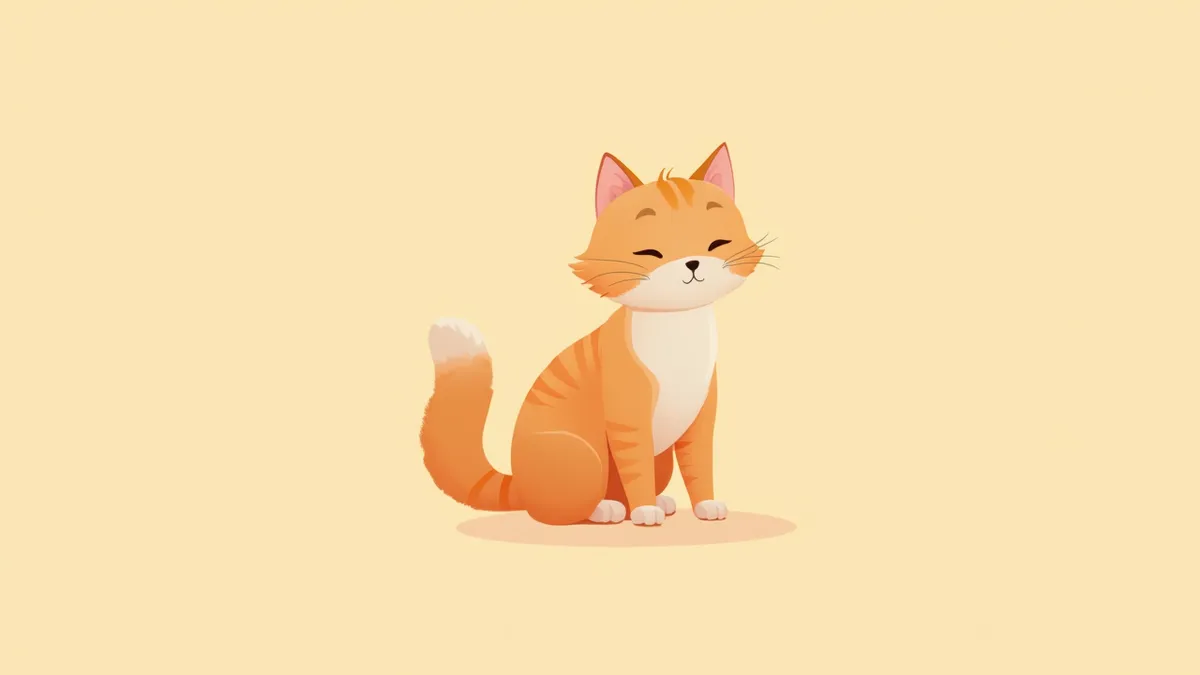
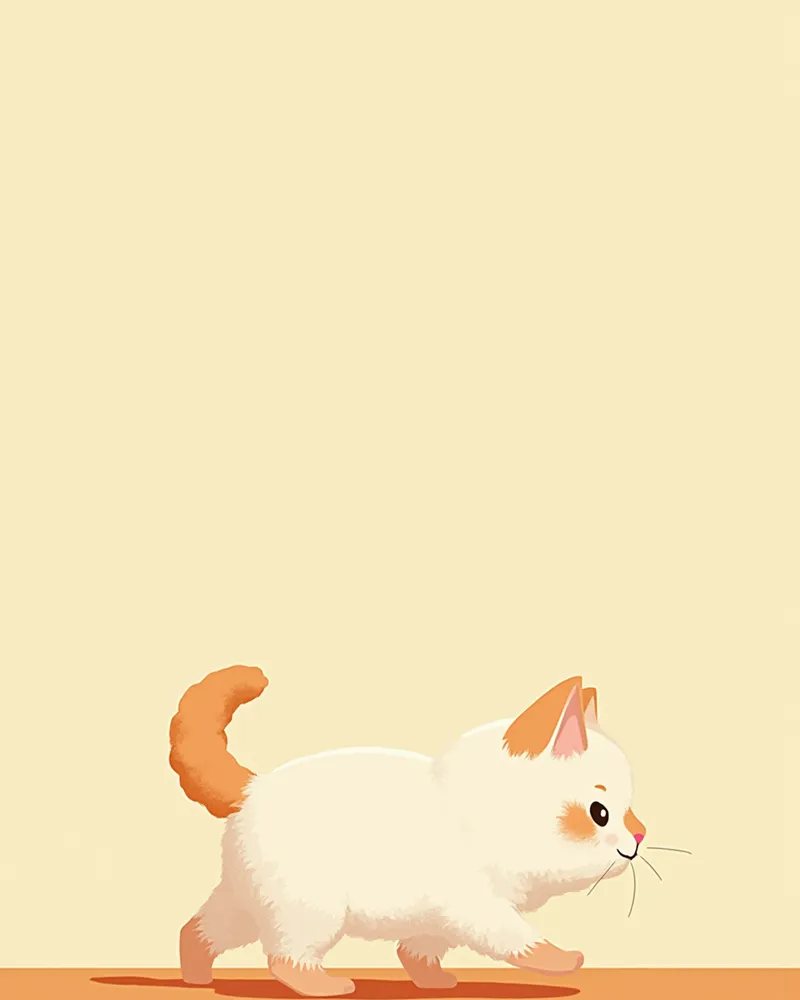
A full-body photo of a Munchkin cat, characterized by its short legs and curly coat.
The Lamkin is a breed that combines short legs with a curly coat. It was developed by crossing the Munchkin and the Selkirk Rex, inheriting the genetic traits of both parent breeds. Therefore, health care must address the vulnerabilities associated with both breeds. In particular, skeletal health and kidney health are the cornerstones of caring for a Lamkin cat. Their average lifespan is 12 to 14 years, and they typically weigh between 2 and 4 kg, classifying them as a small breed.

Major Health Concerns for Lamkin Cats

The Lamkin cat inherits physical traits from its parent breeds, the Munchkin and the Selkirk Rex. Pay special attention to the following health concerns:
Spinal issues: Spinal (vertebral) deformities are relatively rare in cats and often asymptomatic, sometimes discovered incidentally. However, combined with their short-legged structure, they can affect gait, so regular observation is recommended.
Polycystic kidney disease: An autosomal dominant hereditary kidney disease reported in Persian and Persian-type cats. It can be screened in advance through genetic testing.
Osteoarthritis: A degenerative joint disease characterized by the gradual damage of articular cartilage. Obesity and aging are major risk factors, making it important to maintain an appropriate body weight.
Heart disease: Cats can develop heart conditions, so it’s advisable to include cardiac auscultation in regular veterinary check-ups for comprehensive evaluation.

Short Legs: Skeletal Health Is Key

The short legs of the Lamkin cat are known to be a skeletal trait inherited from the Munchkin lineage. However, rather than the short legs themselves, you should pay closer attention to the potential impact this trait may have on the spine and joints. Spinal (vertebral) deformities in cats are relatively rare and may be discovered incidentally without symptoms, but they are a significant finding that requires a thorough veterinary evaluation if suspected. Therefore, if your cat’s gait appears abnormal or if it drags its hind legs while walking, you should have it examined by a veterinarian promptly. Jumping from high places can also strain the joints, so please choose cat towers with low steps.
The short legs and body shape of a Munchkin cat walking on the floor

Polycystic Kidney Disease (PKD) Testing Is Essential

Polycystic kidney disease (PKD) is an autosomal dominant hereditary kidney disorder reported in Persian cats and Persian-related breeds. According to veterinary textbooks, it is essential to confirm whether pre-breeding screening has been performed for high-risk breeds like Persians, and the disease can be reduced through genetic testing and selective breeding. Therefore, for breeds like the Lamkin that may have Persian ancestry, please verify the test results of the parent cats and have your cat undergo screening as soon as possible after adoption.

Curly Coat: How to Care for It
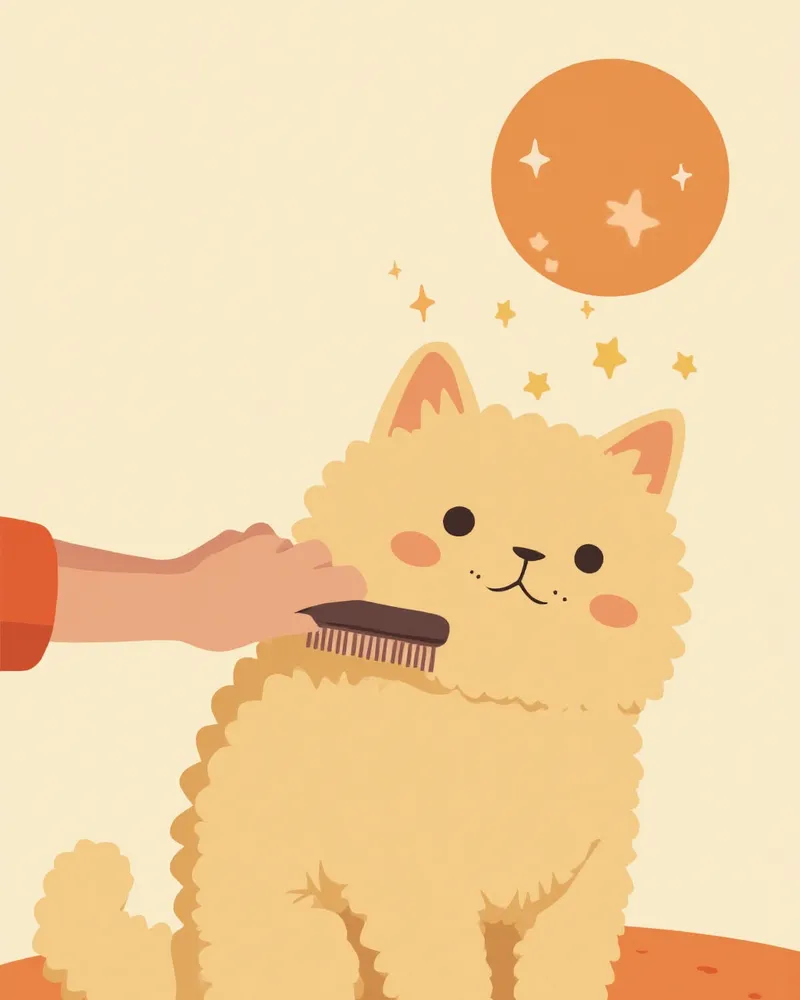
The curly coat of the Lamkin cat is inherited from the Selkirk Rex. While their soft, voluminous fur is charming, it requires a slightly different grooming approach than that of typical cats.
Brushing: Gently detangle with a soft brush 2–3 times a week. Brushing too frequently can cause the curls to loosen.
Bathing: Once a month is generally sufficient. Maintaining the skin’s natural oils is essential for keeping the curly coat healthy.
Skin Checks: Skin issues can hide within the curls, so be sure to inspect the skin’s condition while brushing.
A guardian brushing the curly coat of a LaPerm cat

Weight Management Is Key to Joint Health
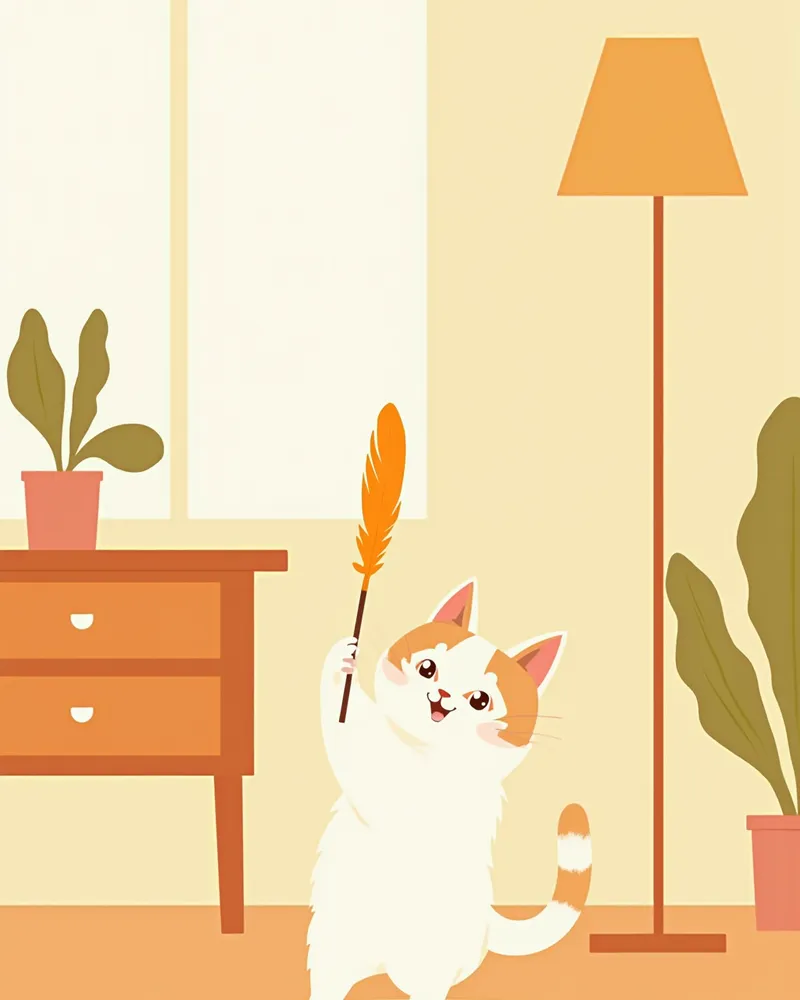
Due to their skeletal structure, weight management is especially important for Lamkin cats. In veterinary medicine, obesity is known as a risk factor for feline osteoarthritis, so maintaining an appropriate weight consistently helps protect joint health.
Dietary Control: We recommend measured feeding rather than free-feeding. Divide the daily portion into two to three meals.
Appropriate Exercise: Toys that can be played with on the floor are ideal. Play together daily for an appropriate amount of time using wand toys.
Regular Weight Monitoring: Weigh your cat once a month to track changes. Sudden weight gain may be a sign of health issues.
An energetic Ragamuffin cat playing with a toy on the floor

Age-Specific Health Screening Checklist

Due to their breed-specific traits, Lamkin cats require a slightly more comprehensive set of health screenings than the average cat.
Under 1 year: Genetic testing (for polycystic kidney disease and blood type), core vaccinations, and spay/neuter consultation
1–7 years: Annual wellness exams, cardiac ultrasound, kidney function monitoring, and joint health assessment
7 years and older: Biannual wellness exams, detailed kidney function testing, thyroid hormone levels, and joint radiographs
Be sure to specifically ask your veterinarian to check kidney values and joint health at every visit.

What to Check When Adopting

When adopting a Lamkin cat, always verify the genetic test results of the parents. Essential checks include whether they carry the gene for polycystic kidney disease, their health history, and the condition of their spine and leg joints. A responsible breeder will transparently provide this information.

Reviewed by a veterinarian

Dr. Tony — Punnawat Phongkittirak

Dr. Tony — Punnawat Phongkittirak

Veterinarian

A veterinarian who majored in veterinary medicine at Khon Kaen University, Thailand, and completed the IVSA program at North Carolina State University in the United States. Drawing on clinical experience at animal hospitals, he works in the pet healthcare field and is dedicated to building a digital care environment that connects pet parents with veterinarians.

Frequently Asked Questions

What’s the difference between a Lamkin cat and a Munchkin?
The Lamkin is a breed that combines the Munchkin’s short legs with the Selkirk Rex’s curly coat. For health care, it’s important to monitor skeletal and joint health associated with their short limbs, as well as the risk of polycystic kidney disease seen in Persian-type cats. Genetic testing is recommended to screen for these conditions early.
What is the life expectancy of a Ragamuffin cat?
Their average lifespan is generally considered to be around 12 to 14 years. With proper management of hereditary conditions and regular veterinary check-ups, they can enjoy a longer, healthier life. Please pay special attention to weight management and joint health.
Do curly-haired dogs shed too?
Yes, Rex cats do shed. However, due to their curly coat, shed hairs can become trapped within the fur, making regular brushing essential to remove dead hair.
Is it okay to use a tall cat tower?
Due to their short-legged structure, jumping from high places can put strain on their joints. Please use a low-rise cat tower or a stepped platform to allow them to climb up and down safely.

Share

Related Guides

References

[1] Susan Little, The Cat: Clinical Medicine and Management, 2nd Edition, Elsevier, 2012

[2] Lyons LA, Genetic testing in domestic cats, Molecular and Cellular Probes, 2012

[3] Lyons LA et al., Feline polycystic kidney disease mutation identified in PKD1, Journal of the American Society of Nephrology, 2004

This information is based on veterinary literature and does not replace diagnosis or treatment. Please consult a veterinarian for specific health concerns.

Metapet Co., Ltd. | CEO: Park Sung-yong | Business Reg. No. 417-88-02562 | Seoul, South Korea | Customer Center

Lamkin Cat Health Care: Key Conditions & Breed Care Tips | Meongsiljang