Like
Share
멍실장
아메리칸컬 고양이 건강 관리 가이드

American Curl Cat Health Care Guide

Skin & CoatBreed HealthMeongsiljang Veterinary Advisory Board

We’ve compiled information on the unique ear structure of American Curl cats, diseases to watch out for, and daily health care tips.

How to Keep Your American Curl Cat Healthy?

A full-body photo of an American Curl cat, with its distinctly curled-back ears clearly visible.
American Curl cats are generally healthy among purebred cats. Their most distinctive feature is their elegantly backward-curved ears, which have firmer cartilage than those of other cats, requiring careful handling during grooming. This breed originated from a natural mutation in the United States, resulting in a broad gene pool and a lower incidence of specific genetic disorders. However, due to their unique ear structure, they are prone to otitis externa, and owners should also monitor for common feline conditions such as heart disease and periodontal disease.

The Unique Ear Structure of the American Curl

The American Curl’s distinctive backward-curling ears are caused by an autosomal dominant gene, meaning only one parent needs to carry the gene for it to be passed on to their kittens. Kittens are born with straight ears that begin to curl gradually between 3 and 5 days after birth, reaching their final shape at around 16 weeks of age. The ear cartilage is firmer than that of most cats, so rough handling or bending can cause damage. Although this trait is not linked to cartilage disorders like those seen in Scottish Folds, always handle the ears gently.

Diseases to Watch Out for in American Curls
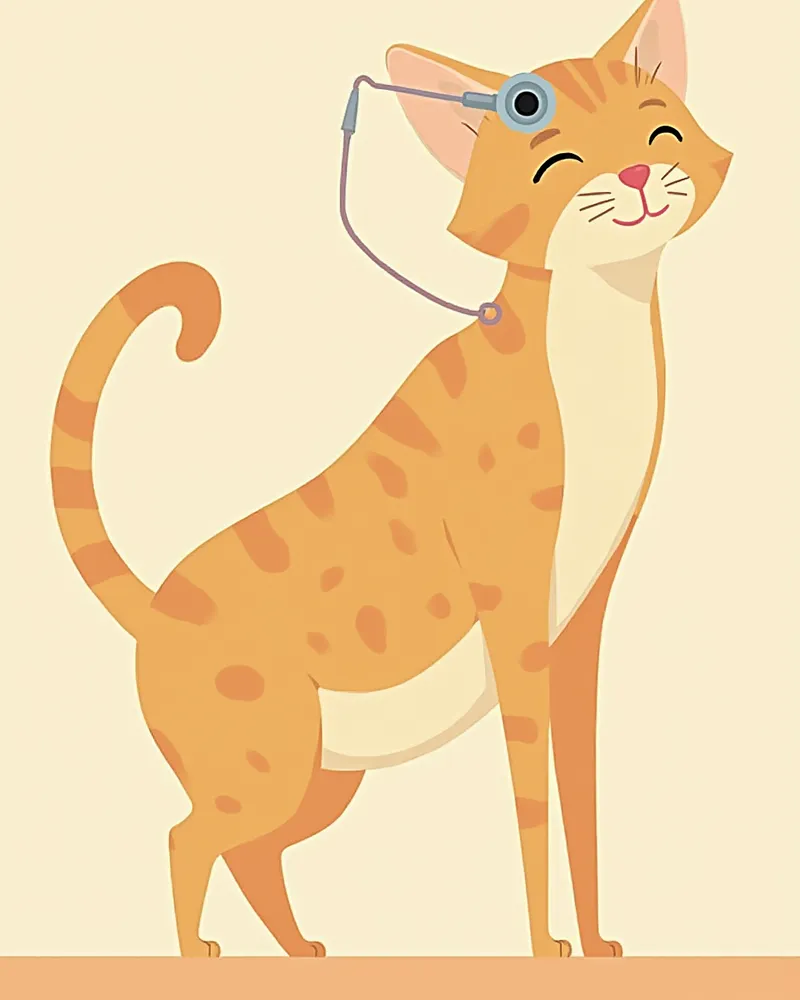
Otitis externa: The shape of the ears and other external ear structures are known to predispose cats to otitis externa. Accumulation of earwax or foreign bodies can degrade the internal ear environment and lead to secondary infections. Regular ear cleaning is the most important aspect of managing and preventing otitis externa.
Hypertrophic cardiomyopathy: This is the most common heart disease in cats. Early-stage symptoms are often minimal, making early detection through regular cardiac ultrasounds essential.
Periodontal disease: Cats are prone to gingivitis and tartar buildup. Daily tooth brushing is the most effective preventive measure.
Routine health examinations: Although American Curls have relatively few reported genetic disorders, various health issues can arise with age. Regular comprehensive health check-ups are important to consistently monitor the eyes, ears, and oral cavity, enabling early detection of any abnormalities.
An American Curl cat having its ears examined by a veterinarian

Important Precautions for Ear Care

When cleaning an American Curl’s ears, avoid inserting cotton swabs deep into the ear canal. Although the cartilage is sturdy, the external auditory canal is sensitive and easily damaged. For safety, gently wipe only the outer ear with gauze moistened with a dedicated ear-cleaning solution. If you notice an unpleasant odor, frequent head shaking, or increased scratching of the ears, these may be early signs of otitis externa; please visit your veterinarian promptly.

Hypertrophic Cardiomyopathy and Periodontal Disease: Early Detection is Key
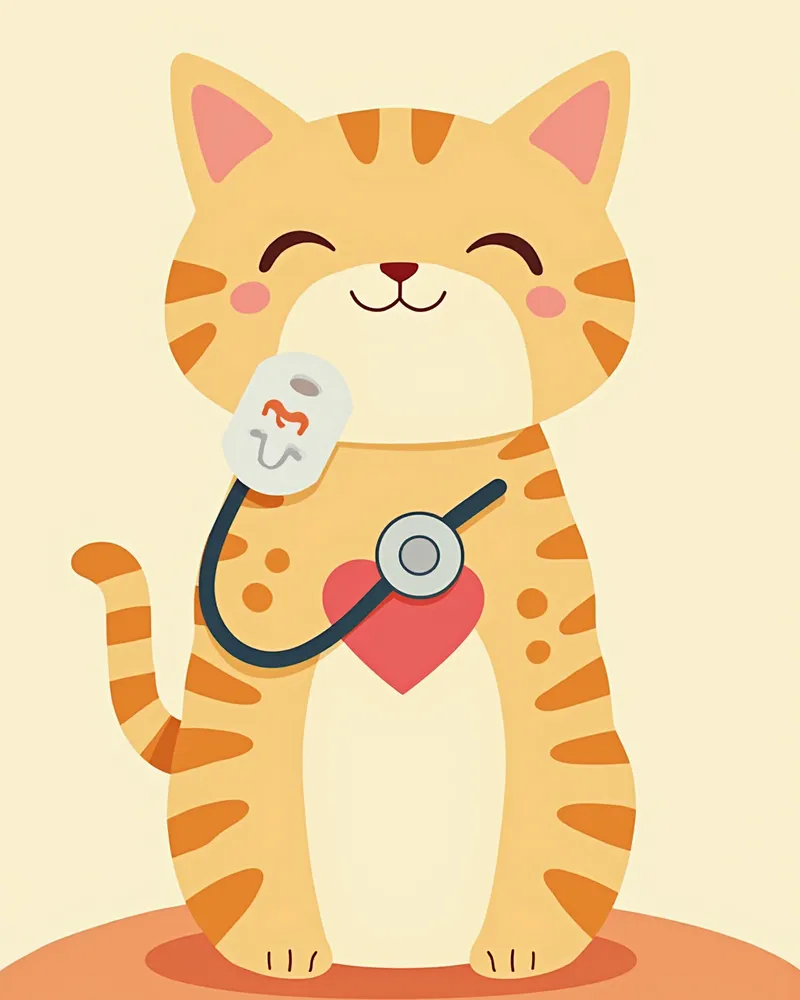
Hypertrophic cardiomyopathy is a condition in which the thickening of the heart walls leads to impaired cardiac function. Symptoms may include rapid breathing, open-mouth breathing, or sudden weakness in the hind legs. The most concerning aspect is that early-stage symptoms are often absent. Annual cardiac ultrasound examinations can help detect the condition at an early stage. Periodontal disease is common in cats, and American Curls are no exception. Dental plaque buildup can lead to gingivitis and tooth loss, and in severe cases, it may even affect eye health and the jawbone, making oral care essential.
An American Curl cat undergoing a cardiac examination at a veterinary clinic

Daily Health Care Tips

Ear cleaning: Clean the outer ear every two weeks using a dedicated ear-cleaning solution and soft gauze. Do not probe inside the ear canal.
Teeth brushing: Brush your cat’s teeth daily or at least three times a week using a cat-specific toothbrush and toothpaste. Establishing this routine from kittenhood makes it much easier.
Weight management: American Curls have a medium build, so be mindful of obesity. Maintaining an ideal weight supports joint and heart health.
Regular check-ups: Schedule a comprehensive veterinary exam at least once a year. For cats aged seven and older, we recommend check-ups every six months.
An American Curl cat being groomed by its owner

Health Check Points by Age

The average lifespan of an American Curl is 12 to 16 years. Key health considerations vary by life stage.
Under 1 year: This is when the ear shape fully develops. Complete spaying or neutering and core vaccinations, and establish proper eating habits.
1 to 7 years: Schedule annual comprehensive check-ups and cardiac ultrasound screenings. Consistent dental care and weight management are essential.
7 years and older: Add blood and urine tests every six months. Monitoring kidney function and thyroid levels helps detect age-related diseases early.

Things to Check Before Adoption

American Curls are generally prone to fewer genetic disorders, but all purebred cats carry the risks associated with inbreeding. When adopting, be sure to verify the health records and genetic testing history of the kitten’s parents. Additionally, closely inspect the ears, as individuals with ears curled excessively beyond 90 degrees may develop cartilage issues. Choosing a healthy, responsible breeder is the first step toward ensuring your cat’s lifelong well-being.

Reviewed by a veterinarian

Dr. Tony — Punnawat Phongkittirak

Dr. Tony — Punnawat Phongkittirak

Veterinarian

A veterinarian who majored in veterinary medicine at Khon Kaen University, Thailand, and completed the IVSA program at North Carolina State University in the United States. Drawing on clinical experience at animal hospitals, he works in the pet healthcare field and is dedicated to building a digital care environment that connects pet parents with veterinarians.

Frequently Asked Questions

Is it okay to touch an American Curl cat's ears?
Gentle touch is fine, but be careful not to force the ears open or bend them, as this can damage the cartilage. If your pet shows signs of discomfort, stop immediately.
Do American Curls have cartilage disorders like Scottish Folds?
The ear structure of the American Curl differs from that of the Scottish Fold. While the ear cartilage tends to be firmer, it’s best to have your vet regularly check both ear and joint health. It’s also important to review the health records of the kitten’s parents with the breeder before adoption.
What is the average lifespan of an American Curl cat?
With proper health care, they can live for about 12 to 16 years. Regular check-ups, appropriate dietary management, and a stress-free environment are the keys to a long life.
Is it a problem if an American Curl kitten’s ears don’t curl?
Even when two American Curls are bred together, some kittens may be born with straight ears. These are called “American Curl Straights,” and they are perfectly healthy. They’re simply a variation in ear shape within the same breed, with no health concerns.

Share

Related Guides

References

[1] Little SE. The Cat: Clinical Medicine and Management, 2nd Edition. Elsevier. Chapter 50: Domestic Cat Breeds of the World — Their Origins and Relationships.

[2] Little SE. The Cat: Clinical Medicine and Management, 2nd Edition. Elsevier. Chapter 52, e-Table 52.3: Simple Phenotypic Traits and Diseases of the Cat.

This information is based on veterinary literature and does not replace diagnosis or treatment. Please consult a veterinarian for specific health concerns.

Metapet Co., Ltd. | CEO: Park Sung-yong | Business Reg. No. 417-88-02562 | Seoul, South Korea | Customer Center

American Curl Cat Health Care: Ear Care & Key Conditions | Meongsiljang