
Cocker Spaniel Health Management Calendar — Age-Appropriate Screening and Management of Otitis Externa and Eye Diseases
Cocker Spaniels are prone to otitis externa and glaucoma, so following an age-appropriate screening schedule is essential for early detection. Here’s a summary of the check-up routine to start before your dog turns one year old.
What Screening Does the Cocker Spaniel Breed Require?
Top 4 Conditions Cocker Spaniels Must Be Especially Cautious About
Why Are Cockers Prone to Otitis Externa and Glaucoma?
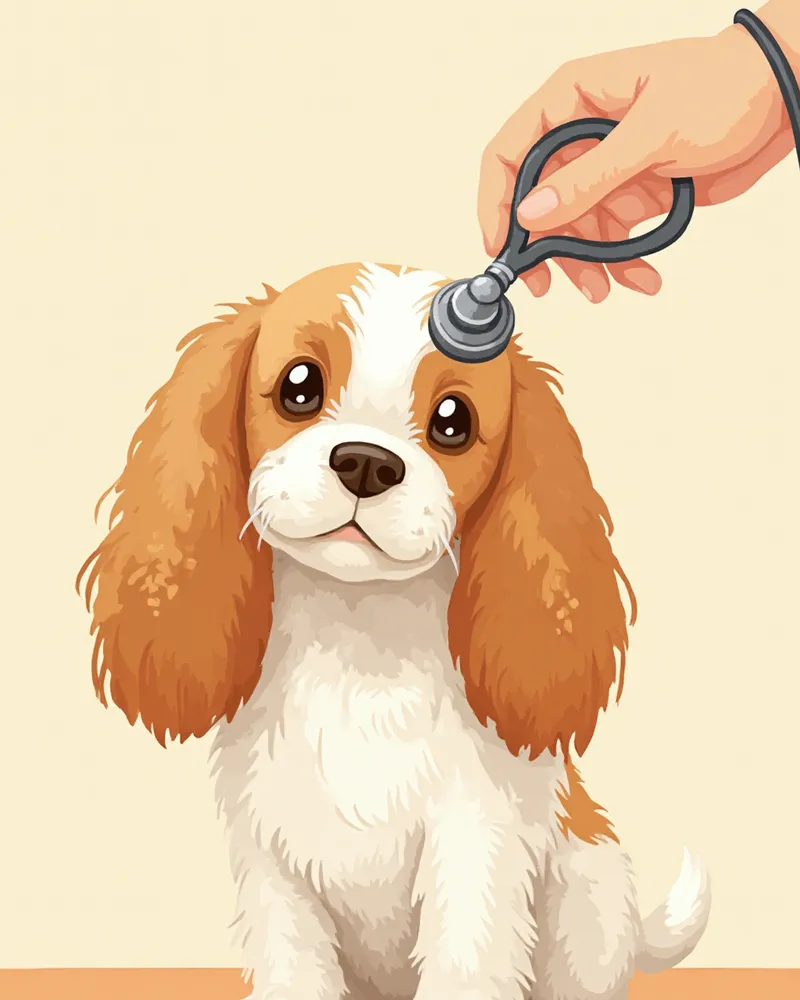
If You See These Signs, Visit the Vet Immediately Regardless of Your Screening Schedule!
Glaucoma and purulent otitis externa are conditions where "I'll wait until tomorrow" is not an option. If you notice any of the following signs, your pet needs to see a veterinarian the same day. - Sudden redness in one eye with a dilated, fixed pupil - Rubbing the eyes, avoiding light, and a sudden loss of appetite - Yellow or green discharge from the ear accompanied by a strong foul odor - Repeated head shaking while tilting the head to one side
Age-Appropriate Regular Screening Schedule at a Glance
Screening Items and Intervals by Age
| Item | Puppy stage (~1 yr) | Adult stage (1–6 yrs) | Senior stage (7+ yrs) |
|---|---|---|---|
| Basic physical examination | Once a month | Once a year | Twice a year |
| Ear exam (otoscopy / cytology) | Once every 3 months | Once every 6 months | Once every 3–4 months |
| Intraocular pressure measurement | Once at age 1 | Once a year | Twice a year |
| Tear production test (Schirmer) | Once at age 1 | Once a year | Twice a year |
| Blood test / urinalysis | Once at age 1 | Once a year | Twice a year |
| Cardiac auscultation / chest imaging | Once at age 1 | Once a year | Twice a year |
This is a schedule adjusted to the breed risk of the Cocker Spaniel based on veterinary internal medicine and veterinary ophthalmology textbook recommendations.
Owners, Please Take Just 1 Minute to Check at Home Daily

Additional Screening Tips for Cockers
For Cocker Spaniels with suspected purulent otitis externa, it’s best not to rely solely on antibiotic ear drops but to also perform an ear cytology exam. Gram-negative bacteria like Pseudomonas aeruginosa are commonly associated with purulent otitis externa and external ear canal ulcers, and they require different medication choices. Textbooks emphasize that failing to identify factors worsening or perpetuating otitis externa can lead to treatment failure. Therefore, conducting a cytology exam from the first visit helps tailor treatment to the specific causative organism, reducing the risk of recurrence.
Reviewed by a veterinarian

Dr. Tony — Punnawat Phongkittirak
VeterinarianA veterinarian who majored in veterinary medicine at Khon Kaen University, Thailand, and completed the IVSA program at North Carolina State University in the United States. Drawing on clinical experience at animal hospitals, he works in the pet healthcare field and is dedicated to building a digital care environment that connects pet parents with veterinarians.
Reviewed 2026-04-30
Frequently Asked Questions
When is the best time to schedule a Cocker Spaniel’s first comprehensive health checkup?
Is it okay for pet owners to clean their pet's ears frequently?
Do I really need to have glaucoma tests done every year?
Senior Cocker Spaniels can be expensive to check up on. Are there any priorities?
Share
Related Guides

Primary vs. Secondary Veterinary Hospitals: A Comparison

5 Easy-to-Raise Cat Breeds for First-Time Owners — Grooming Difficulty Comparison

Top 7 Short-Legged Dog Breeds

The Ultimate Guide to Norwegian Forest Cat Checkup Schedules

Norwegian Forest Cat Genetic Conditions — 7-Point Checklist for HCM and Kidney Disease

Norwegian Forest Cat Hip Dysplasia Complete Guide — Symptoms, Diagnostics, and Management Timing

Norwegian Forest Cat HCM Screening — When and How to Get It
Routine Checkups for Siberian Cats — Age-Specific Checklist and Management of Common Diseases

The Ultimate Guide to PK Deficiency Screening in Siberian Cats

Siberian HCM Screening: Complete Guide to Age-Specific Schedules, Intervals, and Result Interpretation
References
[1] BSAVA Manual of Canine and Feline Dermatology, 4th Ed — Otitis Externa Chapter
[2] Clinical Atlas of Canine and Feline Ophthalmic Disease, 2nd Ed — Chapter 163 Primary Glaucoma
[3] The Veterinary Workbook of Small Animal Clinical Cases — Case 30