Like
Share
멍실장
치와와 수두증 (molera) 증상과 관리

Symptoms and Management of Hydrocephalus and Molera in Chihuahuas

Brain & CognitionBreed HealthMeongsiljang Veterinary Advisory Board

We’ve put together an easy-to-understand guide for pet owners on hydrocephalus and molera (a soft spot on the skull), which are common in Chihuahuas, covering their characteristics, symptoms, diagnosis, and management.

What Is Hydrocephalus in Chihuahuas?

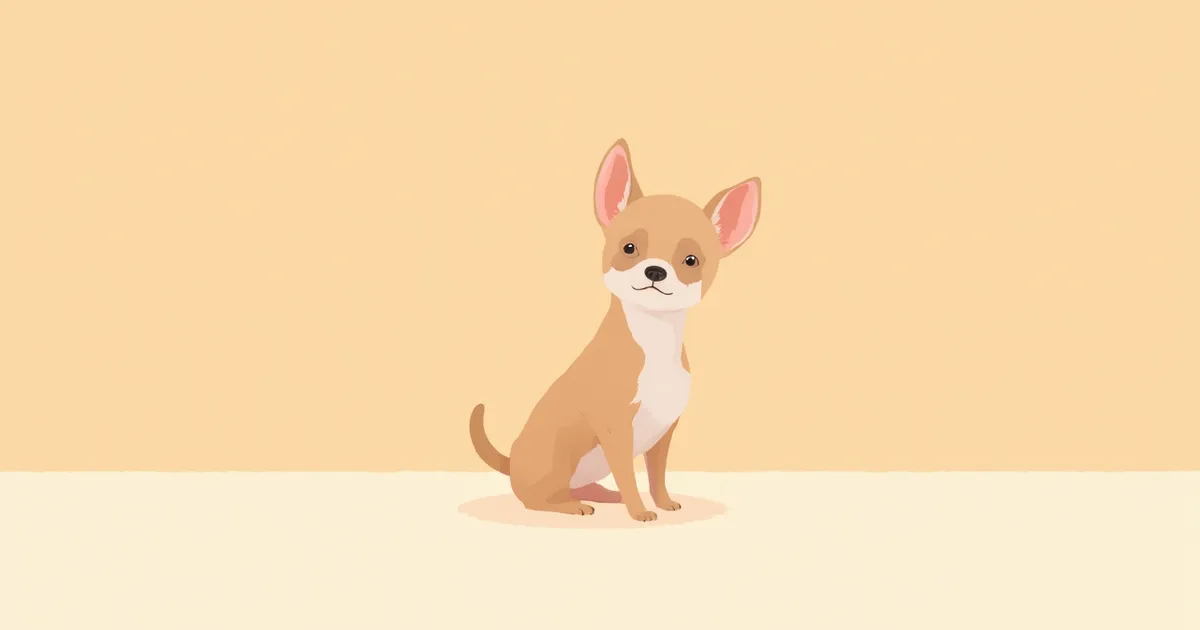
A side view of a Chihuahua puppy with a round, apple-shaped head
Hydrocephalus in Chihuahuas is a congenital neurological disorder in which cerebrospinal fluid abnormally accumulates within the brain’s ventricles, exerting pressure on the brain. Early detection is crucial. If you notice an unusually round or enlarged head, eyes that are turned outward or downward (a “sunflower eye” appearance), or circling behavior, your dog needs immediate evaluation by a neurologist. Because Chihuahuas often have a molera—an incompletely closed fontanelle on the skull—this condition should be assessed alongside hydrocephalus.

Why Chihuahuas Are Particularly Prone

Chihuahuas have relatively large heads (brains) for their small body size, and it’s common for them to have a molera, where the skull bones at the top of the head don’t fully close during development. According to veterinary internal medicine textbooks, toy breeds like Chihuahuas, Pomeranians, and Yorkshire Terriers often have larger-than-normal ventricles, and in some cases, this can lead to hydrocephalus due to blocked cerebrospinal fluid circulation. However, not all dogs with a molera develop hydrocephalus. It’s important to evaluate these two conditions separately.

Molera vs. Hydrocephalus: Don’t Get Them Confused
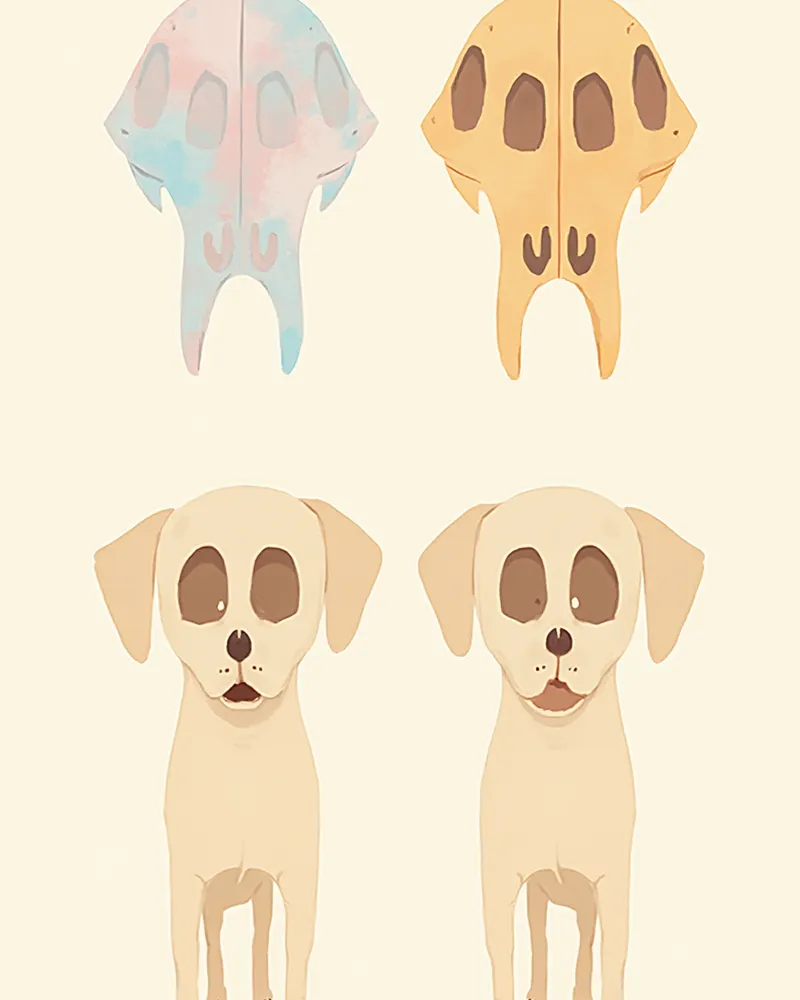
A molera is the soft spot on the top of the skull where the bones have not yet fused, also known as the fontanelle. It is normal for newborn puppies to have an open fontanelle, and this trait is relatively common in Chihuahuas. In contrast, hydrocephalus is a condition in which excessive cerebrospinal fluid accumulates in the brain’s ventricles, putting pressure on the brain. Importantly, the size of the molera itself does not necessarily indicate a risk of hydrocephalus. In fact, studies have reported that in toy breeds, enlarged ventricles may be visible without corresponding clinical symptoms and can sometimes be incidental findings. Therefore, if a dog has a molera but no neurological signs, it is often considered a normal anatomical variation. To accurately distinguish between the two, imaging tests such as skull ultrasound, CT, or MRI are needed to assess ventricle size and evaluate for any neurological symptoms.
A medical illustration comparing the molera (soft spot) and hydrocephalus in Chihuahuas.

Key Symptoms to Check For

Hydrocephalus often shows symptoms within the first few weeks to months of life. Watch for the following signs: - Abnormal head shape: The head appears unusually large and round compared to peers. - Sunflower eyes: The pupils are displaced downward and outward. - Behavioral abnormalities: The animal may pace in circles or stand dazed while staring at a wall. - Delayed learning and responsiveness: Slower acquisition of name recognition and housebreaking compared to peers. - Seizures: Sudden convulsions and loss of consciousness. - Balance disorders: Frequent stumbling or falling.

When to Seek Immediate Veterinary Care

If a seizure lasts longer than five minutes or recurs two or more times within 24 hours, it is an emergency. Clouded consciousness, unresponsiveness, or rapid breathing while the head is persistently tilted to one side may indicate a sudden increase in intracranial pressure. Seek immediate care at a 24-hour animal hospital, even in the early morning. Also check for sudden swelling in the molera area or signs of pain when touched.

How Is Diagnosis Made?

According to veterinary neurology textbooks, a diagnosis of hydrocephalus is made by combining neurological and imaging examinations. In young puppies, the fontanelle remains open, allowing for a quick assessment of ventricular size via skull ultrasound. For a more precise evaluation, CT or MRI scans are necessary, and cerebrospinal fluid analysis may be added to rule out other brain conditions, such as meningitis or tumors. Your veterinarian will determine which tests to prioritize based on the stage of the symptoms.
A small Chihuahua undergoing a neurological examination at a veterinary clinic

Treatment Options: From Medication to Surgery

The treatment approach depends on the severity of symptoms and the size of the ventricles. - Medical management: Medications that reduce cerebrospinal fluid production, such as steroids and diuretics, are used to control intracranial pressure. This is typically the first line of treatment for mild or early-stage cases. - Anticonvulsants: If seizures are present, anticonvulsant medications are administered concurrently. - Surgical treatment (shunt surgery): If symptoms cannot be controlled with medication or worsen rapidly, a ventriculoperitoneal (VP) shunt surgery may be considered. This procedure diverts cerebrospinal fluid from the brain’s ventricles to the abdominal cavity. Medication dosages and schedules are determined by the veterinarian based on the patient’s weight and clinical signs.

Essential Home Care Points

Hydrocephalic Chihuahuas are prone to increased intracranial pressure even from minor impacts, making daily care essential. - Protect the head from impact: Never press or handle the molera (soft spot) roughly. - Use low furniture: Minimize jumping and climbing stairs. - Use a harness instead of a collar: Pressure on the neck can affect intracranial pressure. - Maintain medication consistency: Administer the exact prescribed dose at the scheduled times. - Keep a symptom log: Record seizure frequency, duration, and behavioral changes to share with your veterinarian. - Manage temperature: Both heat and cold can trigger seizures.
A Chihuahua wearing a harness and resting on a low bed with its owner.

What Chihuahua Owners Should Know

Not all Chihuahuas with moleras develop hydrocephalus, but they all require lifelong caution against head trauma. From the adoption stage onward, it is crucial to verify the parents’ medical history for hydrocephalus, schedule regular neurological check-ups, and respond promptly to any seizures or behavioral changes. Other toy breeds, such as Pomeranians, Yorkshire Terriers, and Maltese, face similar risks, so if you have multiple dogs in your home, please ensure they all receive the same level of care.

Reviewed by a veterinarian

Dr. Tony — Punnawat Phongkittirak

Dr. Tony — Punnawat Phongkittirak

Veterinarian

A veterinarian who majored in veterinary medicine at Khon Kaen University, Thailand, and completed the IVSA program at North Carolina State University in the United States. Drawing on clinical experience at animal hospitals, he works in the pet healthcare field and is dedicated to building a digital care environment that connects pet parents with veterinarians.

Frequently Asked Questions

Does a Chihuahua with a molera always have hydrocephalus?
Not at all. The molera is the soft spot on the skull where the bones have not yet fused, which is normal in newborn puppies and common in Chihuahuas. If there are no neurological symptoms and the ventricles are of normal size, it is considered a normal variation. In toy breeds, the ventricles may appear slightly enlarged, but this can be an incidental finding, and ventricle size does not always correlate with clinical symptoms. However, for peace of mind, it is advisable to have a neurological examination.
Can a Chihuahua with hydrocephalus live a normal lifespan?
If symptoms are mild and respond well to medication and lifestyle management, your pet can often live close to its normal life expectancy. However, severe cases—especially those with frequent seizures starting at a young age and difficult-to-control intracranial pressure—may have a poorer prognosis. The key is working closely with your veterinarian to develop a long-term management plan.
Is it okay to use a leash when walking my pet?
We don’t recommend using a collar, as it can increase intracranial pressure and pose a risk of tracheal injury. Instead, use an H-style harness that supports the entire chest, and avoid any forceful pulling on the leash.
Can dogs with hydrocephalus receive vaccinations and be spayed or neutered?
It is possible, but since anesthesia can increase intracranial pressure, a neurological evaluation should be performed first to adjust the schedule and medications accordingly. Rather than delaying the procedure on your own, it is best to consult with your veterinarian to determine the safest timing.
Do I need to keep giving my pet medication after shunt surgery?
It depends on the patient's condition. Once the shunt stabilizes intracranial pressure, the medication dosage may be reduced or discontinued, but some patients require ongoing maintenance with anticonvulsants and diuretics. Regular imaging examinations are also important to monitor the shunt's function.

Share

Related Guides

References

[1] Ettinger SJ, Feldman EC, Cote E. Textbook of Veterinary Internal Medicine, 8th Ed. Chapter on Hydrocephalus and Congenital Brain Disorders, 2017

[2] Schmidt MJ, et al. Clinical Medicine of the Dog and Cat, 4th Ed. Disorders of the Nervous System and Muscle, Chapter 14

[3] Thomas WB. Hydrocephalus in dogs and cats. Vet Clin North Am Small Anim Pract, 2010;40(1):143-159

[4] Estey CM. Congenital Hydrocephalus. Vet Clin North Am Small Anim Pract, 2016;46(2):217-229

This information is based on veterinary literature and does not replace diagnosis or treatment. Please consult a veterinarian for specific health concerns.

Metapet Co., Ltd. | CEO: Park Sung-yong | Business Reg. No. 417-88-02562 | Seoul, South Korea | Customer Center

Chihuahua Hydrocephalus (Molera): Symptoms and Care Guide | Meongsiljang