

Sphynx Genetic Conditions Checklist
We’ve compiled a list of genetic conditions Sphynx cats are especially prone to, along with a checklist for owners. We’ll cover the essentials, from hypertrophic cardiomyopathy to skin care.
Sphynx Genetic Conditions at a Glance
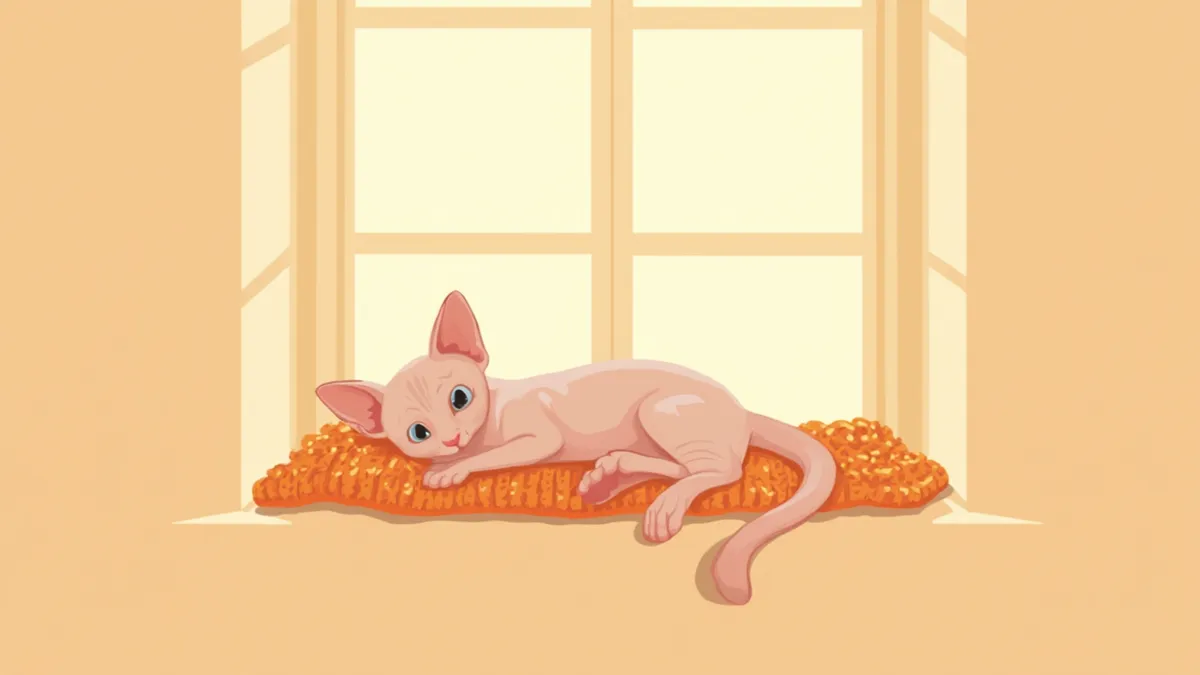
Top 5 Conditions to Watch for in Sphynx Cats
Hypertrophic Cardiomyopathy (HCM) — The #1 Priority
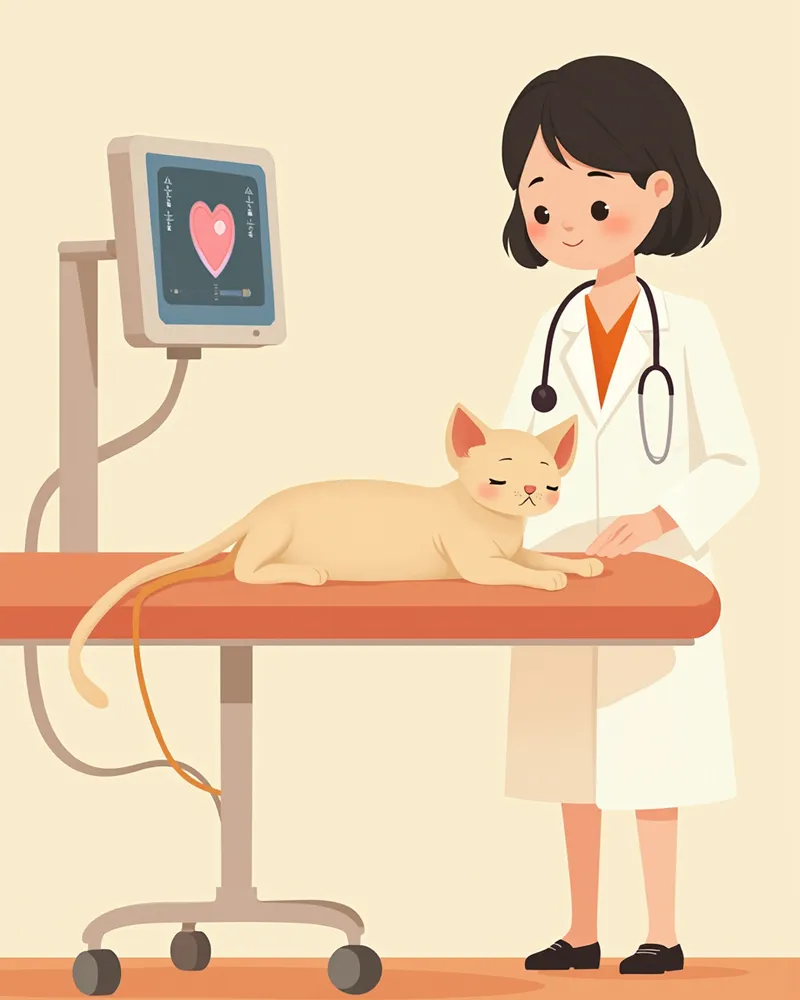
If You See These Signs, Go to a 24-Hour Clinic Immediately
If you notice any of the following symptoms, suspect progression of hypertrophic cardiomyopathy, pulmonary edema, or arterial thromboembolism: a respiratory rate exceeding 40 breaths per minute or open-mouth panting, purple discoloration of the gums, sudden hindlimb paralysis, or fainting and loss of consciousness. These are emergency signs. Do not hesitate; transport your pet to a 24-hour veterinary hospital immediately.
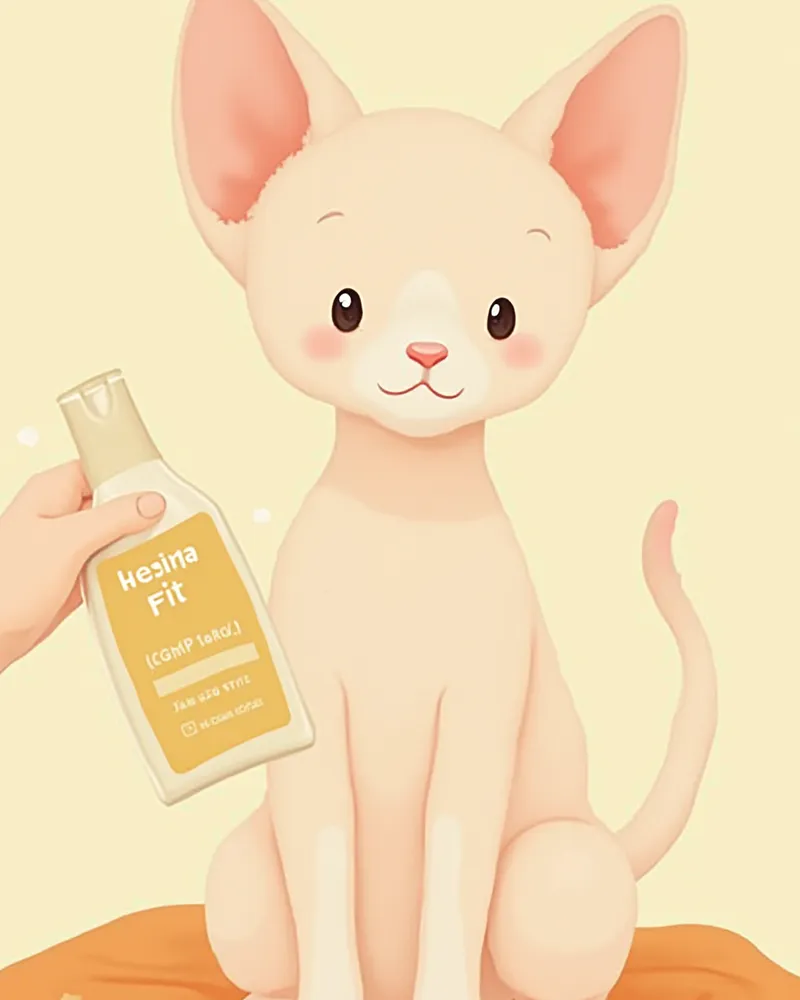
Sphynx Skin Conditions — The Fate of Hairless Breeds
Hereditary Myopathy and Other Conditions to Watch For
Key Points for Sphynx Health Care
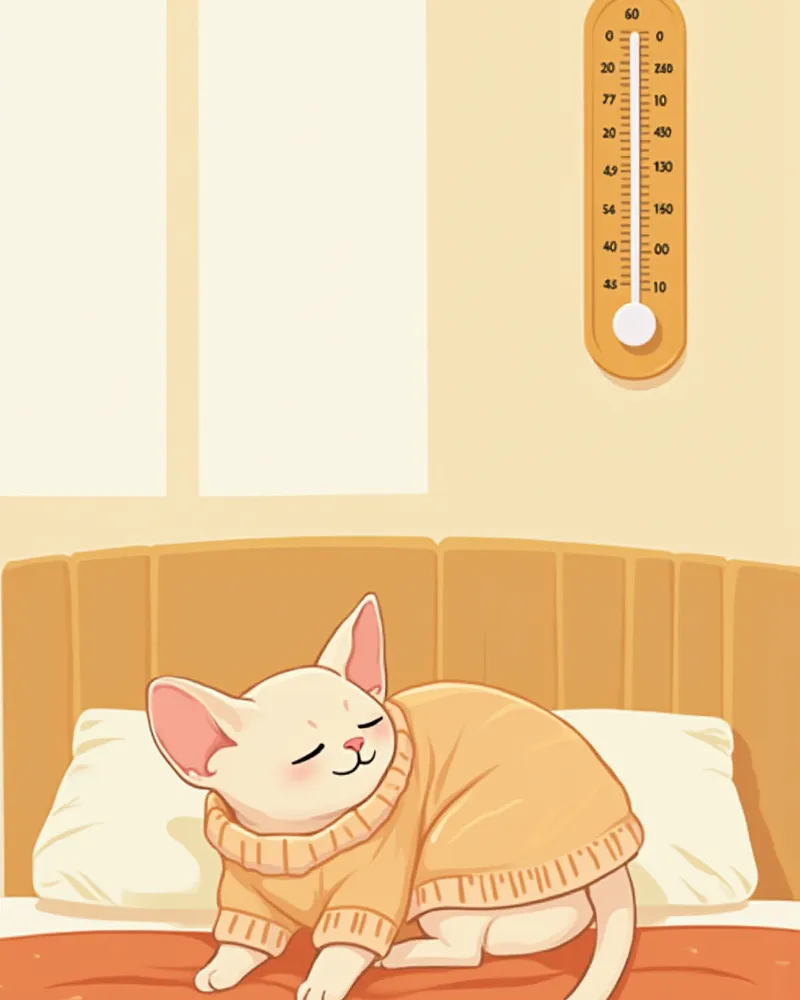
Recommendations for Genetic Testing Before and After Adoption
Sphynx cats are recommended to undergo genetic testing for certain mutations linked to hypertrophic cardiomyopathy, as well as screening for hereditary myopathy. The safest approach is to review the health screening results of the parent cats before adoption. After bringing your cat home, schedule an initial cardiac ultrasound around 12 months of age, followed by annual monitoring based on those baseline findings. Since test panels and costs vary by clinic, it’s a good idea to check with your veterinarian in advance.
Reviewed by a veterinarian

Dr. Tony — Punnawat Phongkittirak
VeterinarianA veterinarian who majored in veterinary medicine at Khon Kaen University, Thailand, and completed the IVSA program at North Carolina State University in the United States. Drawing on clinical experience at animal hospitals, he works in the pet healthcare field and is dedicated to building a digital care environment that connects pet parents with veterinarians.
Reviewed 2026-04-30
Frequently Asked Questions
At what age should Sphynx cats begin screening for hypertrophic cardiomyopathy?
How often should I bathe a hairless dog?
Sphynx cats are particularly sensitive to the cold. Is it okay to dress them in clothes?
Is there a treatment for Sphynx hereditary myopathy?
Share
Related Guides

Primary vs. Secondary Veterinary Hospitals: A Comparison
5 Easy-to-Raise Cat Breeds for First-Time Owners — Grooming Difficulty Comparison

Top 7 Short-Legged Dog Breeds
Key Points on Bengal Hypertrophic Cardiomyopathy and an Age-Specific Lifelong Health Management Guide

Key Points on Dilated Cardiomyopathy in Dobermans and an Age-Specific Lifelong Health Management Guide
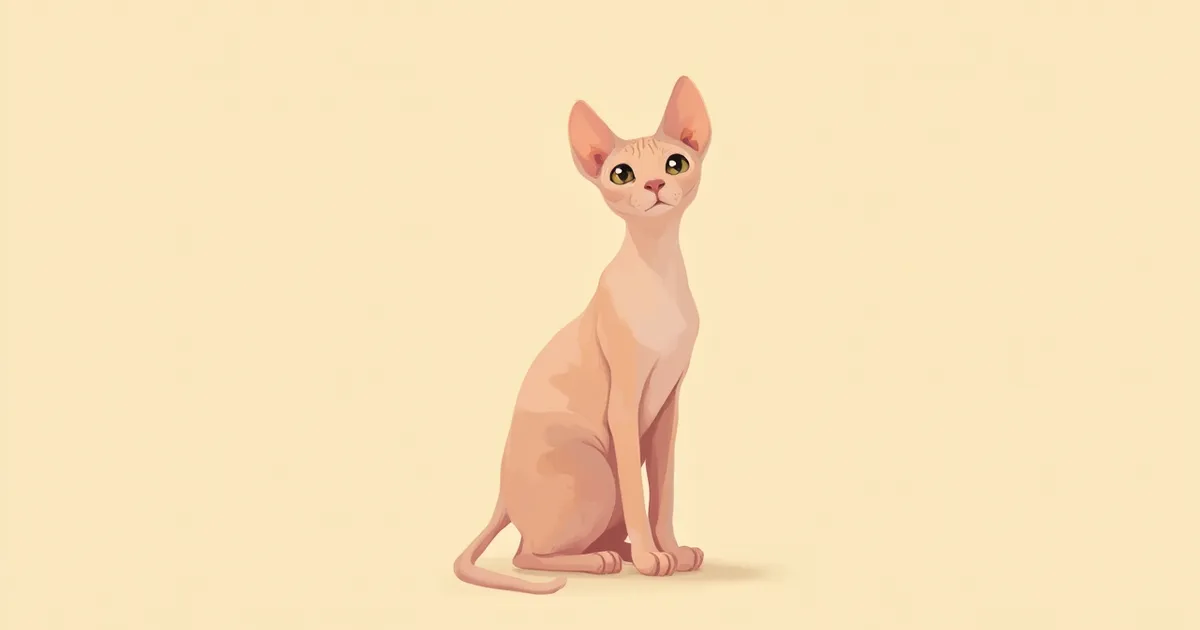
Sphynx HCM (Hypertrophic Cardiomyopathy) — Complete Guide to Symptoms, Diagnosis, and Age-Specific Lifelong Care
American Shorthair HCM: Symptoms, Early Detection, and Age-Specific Care Guide
Ragdolls and Hypertrophic Cardiomyopathy (HCM) — Symptoms, Treatment, and Age-Specific Lifelong Management

Boxer Cardiomyopathy: Symptoms, Precautions, and Lifelong Age-Specific Management

Hypertrophic Cardiomyopathy (HCM) in Maine Coons — Symptoms, Treatment, and Age-Specific Lifelong Care
References
[1] Little SE (ed.), The Cat: Clinical Medicine and Management, 2nd Edition, Chapter 25 — Dermatology
[2] Jackson HA, Marsella R (eds.), BSAVA Manual of Canine and Feline Dermatology, 4th Edition
[3] Vitale CB, Ihrke PJ, Olivry T et al., Feline urticaria pigmentosa in three related Sphinx cats, Veterinary Dermatology 7, 1996
[4] McCarthy RJ et al., Hypertrophic cardiomyopathy in Sphynx cats — clinical features, 2007