Like
Share
멍실장
먼치킨 그루밍 (모질별)

Munchkin Grooming by Coat Type — A Complete Guide from Brushing Shorthair and Longhair to Fur Care

Skin & CoatBreed HealthMeongsiljang Veterinary Advisory Board

Munchkins come in both short-haired and long-haired varieties, so the frequency and type of brushing tools needed differ. Due to their short legs, you also need to pay attention to their grooming posture.

Why Munchkin Grooming Needs to Vary by Coat Type
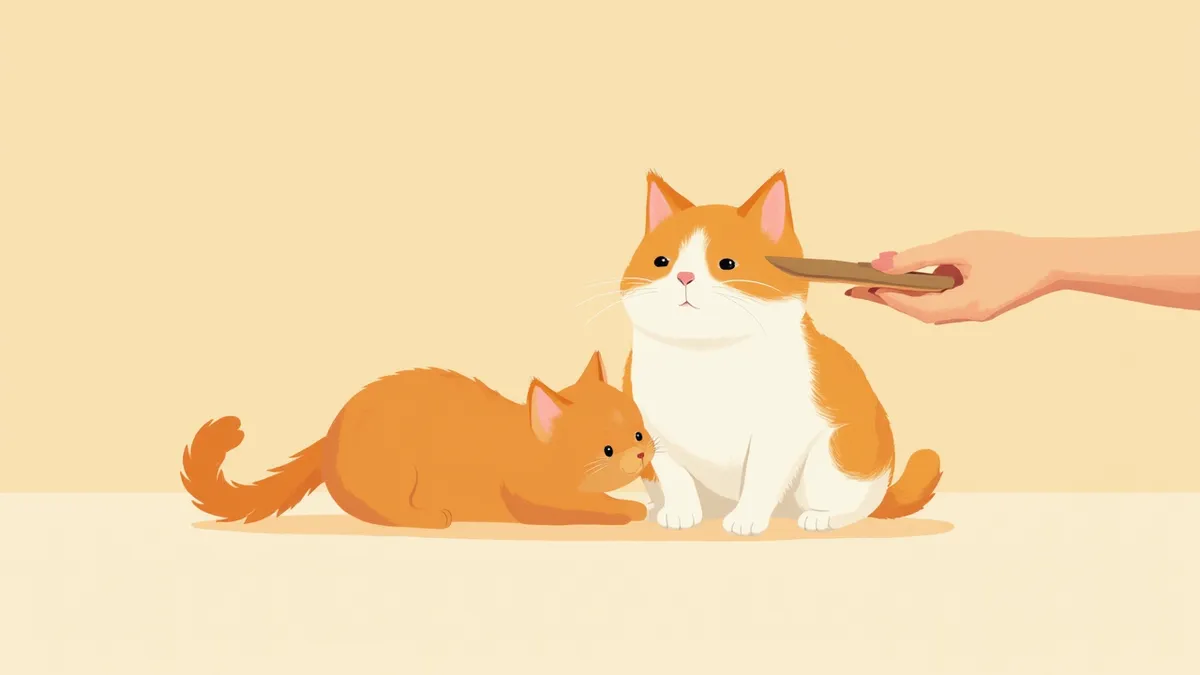
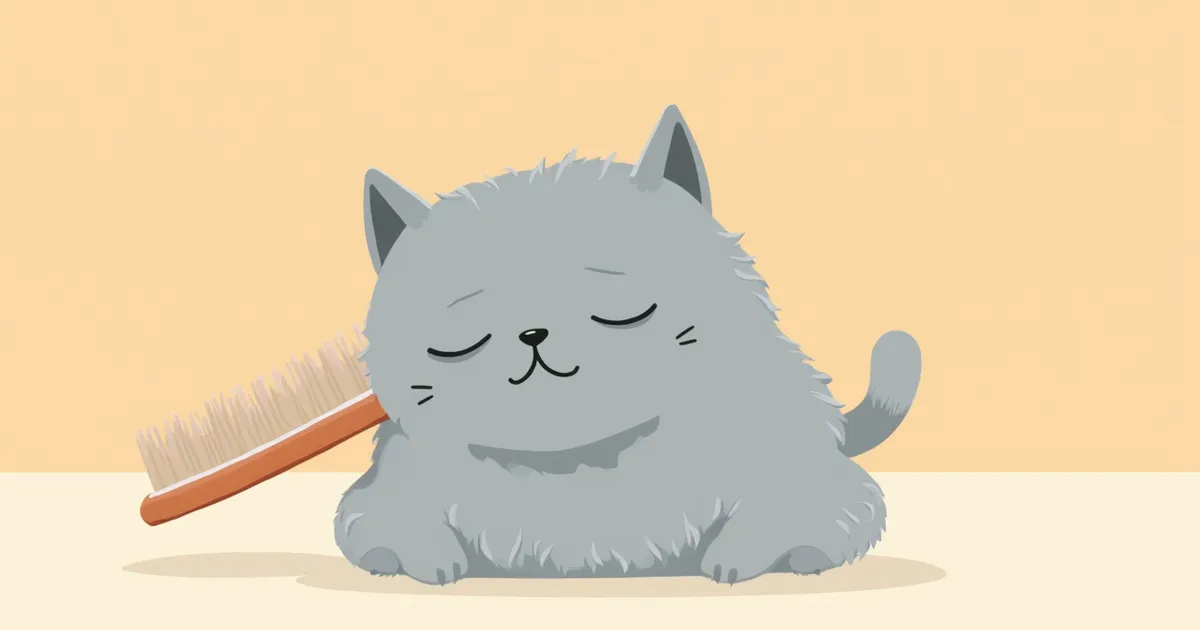
Short-haired and long-haired Munchkin cats being brushed
Munchkins are a short-legged cat breed that comes in both shorthair and longhair coat types. The frequency and tools for brushing depend entirely on the coat type. Shorthairs should be brushed once or twice a week, while longhairs require daily brushing. Due to their short legs, Munchkins have difficulty reaching their backs, hips, and the inner thighs, making these areas prone to tangles and debris buildup. Therefore, regular grooming by their owners is much more important for Munchkins than for other breeds.

Shorthair vs. Longhair Munchkins: A Quick Comparison

Munchkin grooming needs vary greatly depending on coat type. Short-haired Munchkins can manage some self-grooming, but long-haired Munchkins require daily brushing by their owners. Check the table below to see the differences by coat type.

Grooming Comparison by Coat Type

ItemShorthair MunchkinLonghair Munchkin
Brushing frequency1–2 times/weekOnce daily
Recommended brushRubber brush · rubber combSlicker + metal comb
Matting riskLowHigh (especially armpits and hindquarters)
Bathing intervalOnce every 2–3 monthsOnce every 1–2 months
Brushing during shedding season3–4 times/weekTwice daily
Professional grooming neededNot neededSanitary trim recommended

Adjust based on each cat's coat condition and activity level.

Essential Grooming Tools Checklist
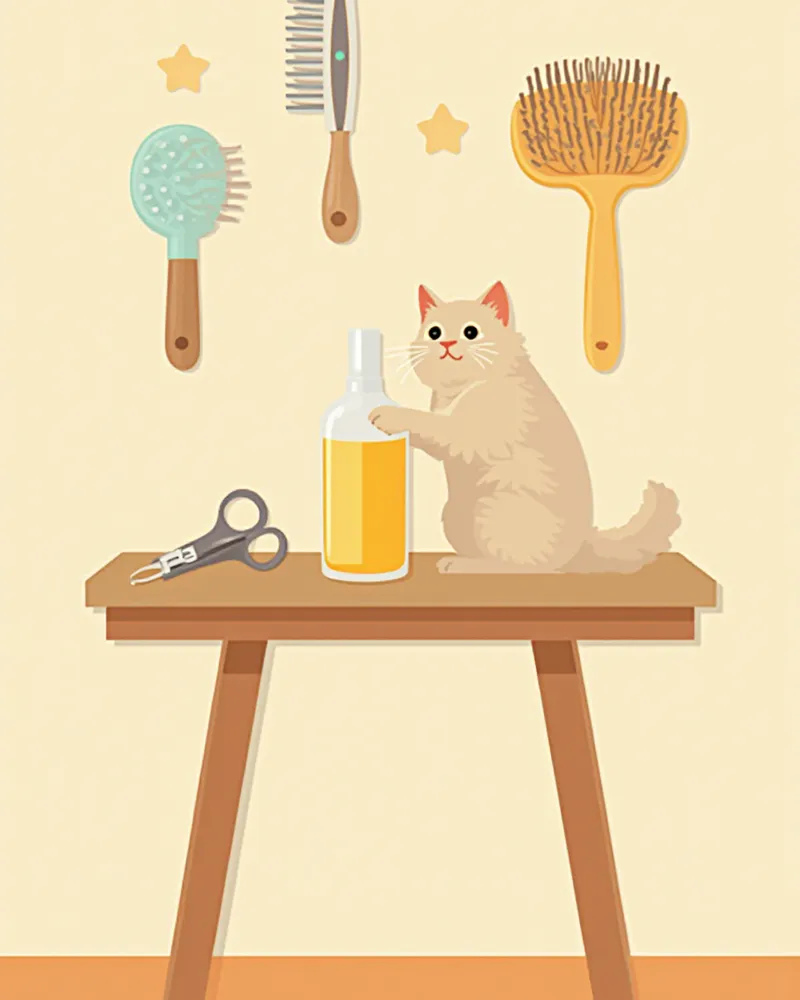
Choosing the right tools is half the battle when grooming a Munchkin cat. Using brushes that don’t suit their coat can irritate the skin or worsen tangles.
Rubber brush: Effective for removing dead hair from short-haired Munchkins.
Slicker brush: Helps detangle surface knots in long-haired coats.
Metal comb: Essential for checking deep tangles within long hair.
Cat-specific nail clippers: Overgrown nails can cause painful overgrowth, so regularly check and trim them about once a month.
Cat-specific shampoo: Avoid human shampoos; choose a cat-specific formula that minimizes skin irritation.
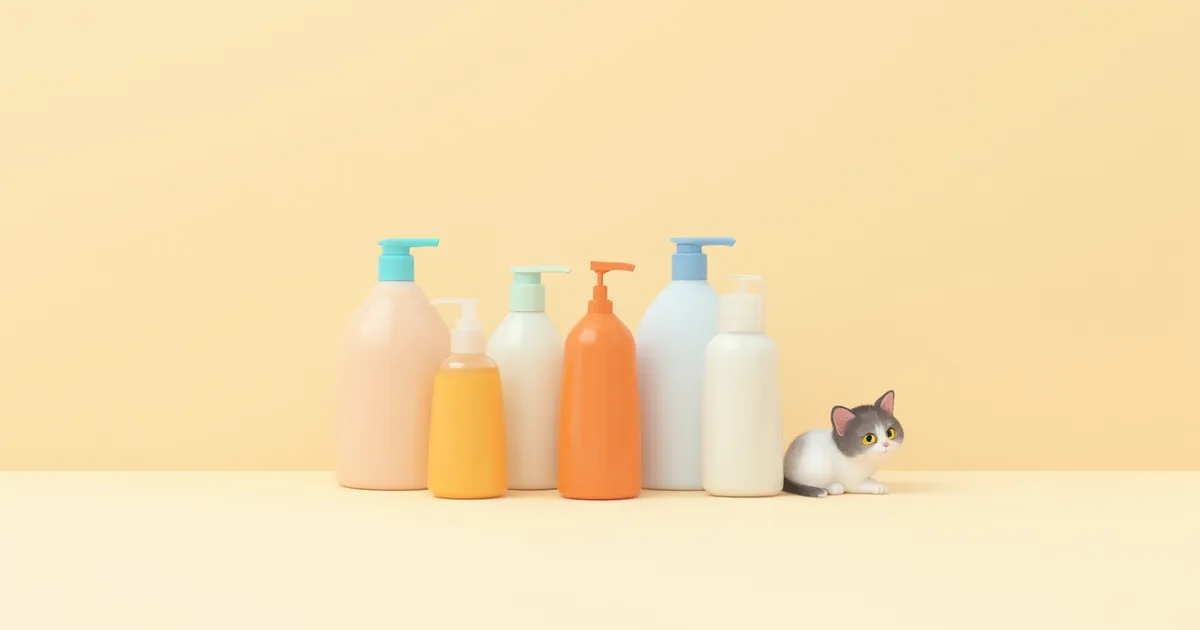
Cat Grooming Tool Set

Shorthair Munchkin Grooming Routine

Short-haired Munchkins are relatively easy to groom, but their short legs make it difficult for them to reach their backs with their tongues, so dead hair tends to accumulate.
1–2 times per week: Gently brush in the direction of hair growth using a rubber brush.
Shedding season (spring and autumn): Increase frequency to 3–4 times per week, and finish by wiping with a dry towel.
Bathing: Once every 2–3 months, using lukewarm water (35–37°C) and keeping the process quick.
Important: After brushing, feel the back, hips, and inner hind legs with your hands to check for any remaining debris or oiliness.

Longhair Munchkin Grooming Routine

Long-haired Munchkins are prone to severe matting that can harden into felt-like clumps if not brushed daily. Once matted, the fur often requires clipping and can lead to skin inflammation.
Daily brushing (once a day): Start with a slicker brush on the surface, then use a metal comb to reach the undercoat.
Key areas: Armpits, hindquarters, inner thighs, and under the tail.
If you find tangles: Never pull them. Instead, apply detangling spray and gently work them out with your fingers.
Hygiene trims: Keep the fur around the anus and between the paw pads short, trimming every 2–3 months.
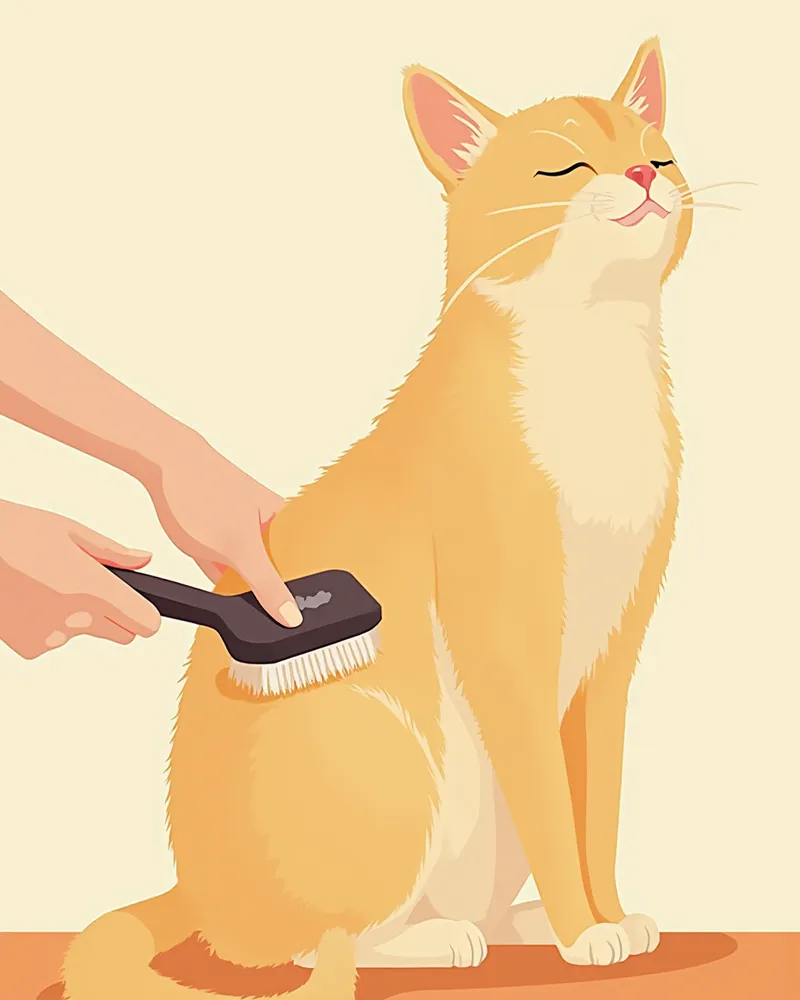
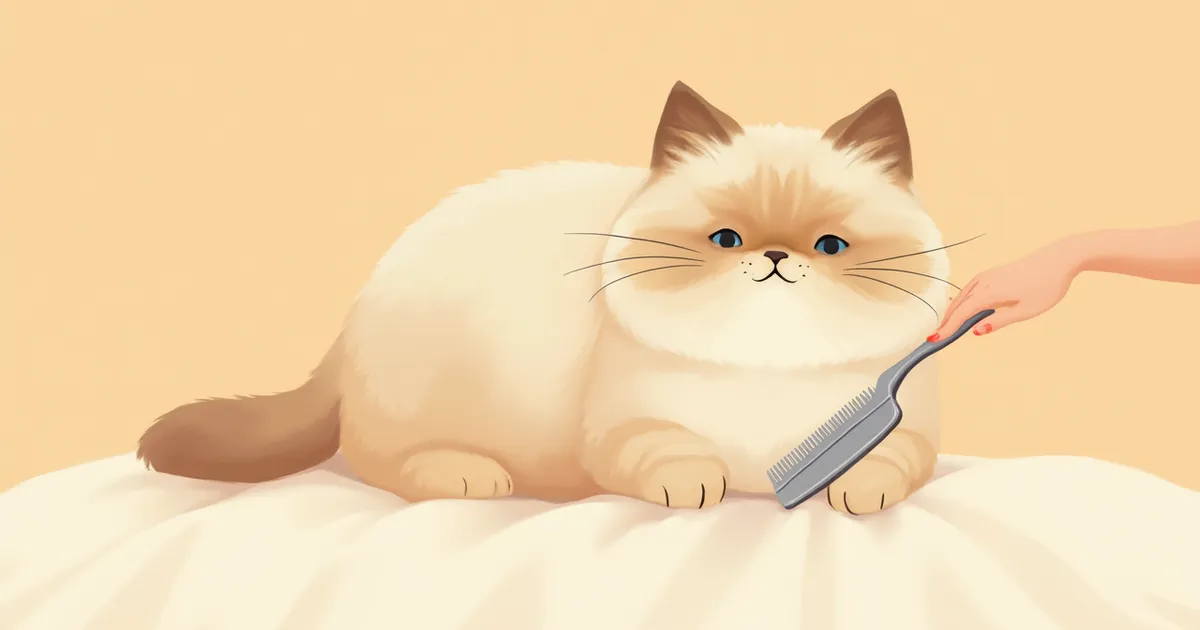
Brushing the back of a long-haired Munchkin cat with a slicker brush

If You See These Signs, It May Be a Skin Condition

If you notice any of the following signs during grooming, it may indicate a skin condition rather than simple tangles. Immediate veterinary examination is recommended. • Excessive dandruff flakes off during brushing. • Hair loss and red rashes appear in specific areas only. • Your pet cries out or the skin peels when untangling knots. • Black discharge (small, grain-like crusts) is present around the ears or under the chin. • Your pet licks or scratches a single area more frequently than usual.

Paw and Belly Care Tailored to Their Short Legs
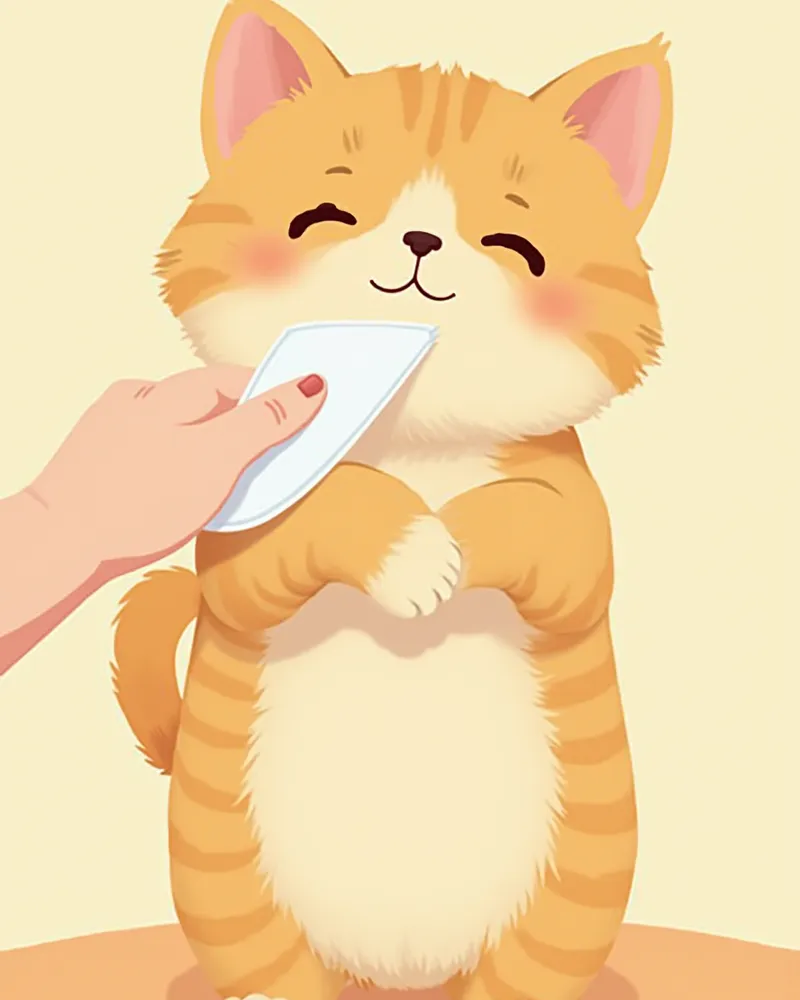
Munchkins have short legs, so their bellies and paw pads are close to the floor, making it easy for dirt and debris to stick to them. You need to pay more attention to cleaning their paws and bellies compared to other cats.
Paw pads: Wipe with a warm, damp cloth 1-2 times a week.
Hair between paw pads: If it grows too long, it can cause slipping or tangling, so keep it trimmed short.
Hair under the belly: Food can easily get stuck here after meals, so check it daily.
Nails: If left untrimmed, they can overgrow and cause pain, so regularly check their condition and trim them approximately once a month.
Wiping the short legs and paws of a Munchkin cat

Precautions for Grooming Munchkins

Munchkins are a breed that can be prone to spinal stress, so it’s important to pay close attention to grooming positions. Avoid lifting them awkwardly or forcing them to stand on their hind legs. • Groom your cat while they are lying down or sitting on a flat mat. • Do not stand them upright on their hind legs like a human for brushing, as this puts strain on the spine and joints. • Avoid long grooming sessions of over 30 minutes at once; instead, break it into shorter 10-minute intervals. • Senior cats may experience joint pain, so gently check for discomfort before starting.

Reviewed by a veterinarian

Dr. Tony — Punnawat Phongkittirak

Dr. Tony — Punnawat Phongkittirak

Veterinarian

A veterinarian who majored in veterinary medicine at Khon Kaen University, Thailand, and completed the IVSA program at North Carolina State University in the United States. Drawing on clinical experience at animal hospitals, he works in the pet healthcare field and is dedicated to building a digital care environment that connects pet parents with veterinarians.

Frequently Asked Questions

Do Munchkin cats need grooming at a pet salon?
Short-haired Munchkins only need regular brushing at home. For long-haired Munchkins, we recommend visiting a groomer every two to three months for hygiene trims around the anus and paw pads. However, we do not recommend full-body shaving, such as a lion cut, as it compromises the skin’s natural protective barrier.
My cat hates being brushed. What should I do?
Start with short sessions of five minutes or less, beginning with your pet’s favorite spots like the chin and forehead. Reward them with a treat after brushing to reinforce positive behavior, and they’ll gradually get used to it. If they strongly resist, don’t force it—try again in a few days.
When should I start brushing a Munchkin kitten?
Start with short, gentle brushing sessions (1–2 minutes) using a soft rubber brush from an early age. Introduce the tool gradually, pairing it with treats to create positive associations, and only proceed gently when your cat is comfortable. Cats that are accustomed to brushing and nail trimming from kittenhood will experience significantly less grooming stress as adults.
My long-haired Munchkin’s fur is severely matted. Can I cut it with scissors?
If the tangles have matted down like felt, using scissors can be dangerous. The skin and the matting are often stuck together, so you could accidentally cut the skin. Try using a detangler to loosen them, and if that doesn’t work, leave it to a veterinarian or a professional groomer.
I notice a lot of dandruff falling out during grooming. Is this normal?
A small amount of dandruff is normal, but if it persists in large quantities or is accompanied by flaky scales or crusts, it may indicate a skin condition rather than simple dryness. If dandruff is accompanied by hair loss, redness, or excessive scratching, it is safer to have a veterinarian identify the underlying cause rather than attempting home remedies. In the meantime, maintain healthy skin and coat through proper nutrition and regular brushing.

Share

Related Guides

References

[1] Susan Little, The Cat: Clinical Medicine and Management, 2nd Edition, Chapter on Dermatology and Coat Care, Elsevier, 2020

[2] Linda P. Case, The Cat: Its Behavior, Nutrition & Health, Iowa State Press, 2003

[3] Hnilica KA, Patterson AP, Small Animal Dermatology: A Color Atlas and Therapeutic Guide, 4th Edition, Elsevier, 2017

This information is based on veterinary literature and does not replace diagnosis or treatment. Please consult a veterinarian for specific health concerns.

Metapet Co., Ltd. | CEO: Park Sung-yong | Business Reg. No. 417-88-02562 | Seoul, South Korea | Customer Center

Munchkin Grooming by Coat Type: Shorthair & Longhair Care | Meongsiljang