Like
Share
멍실장
먼치킨 척추·관절 관리 가이드

Munchkin Spine and Joint Care Guide

JointBreed HealthMeongsiljang Veterinary Advisory Board

Munchkins, with their charming short legs, are prone to lordosis, intervertebral disc disease, and osteoarthritis. By managing their weight and creating a supportive environment from a young age, you can help them stay healthy for life.

What Kind of Cat is a Munchkin?
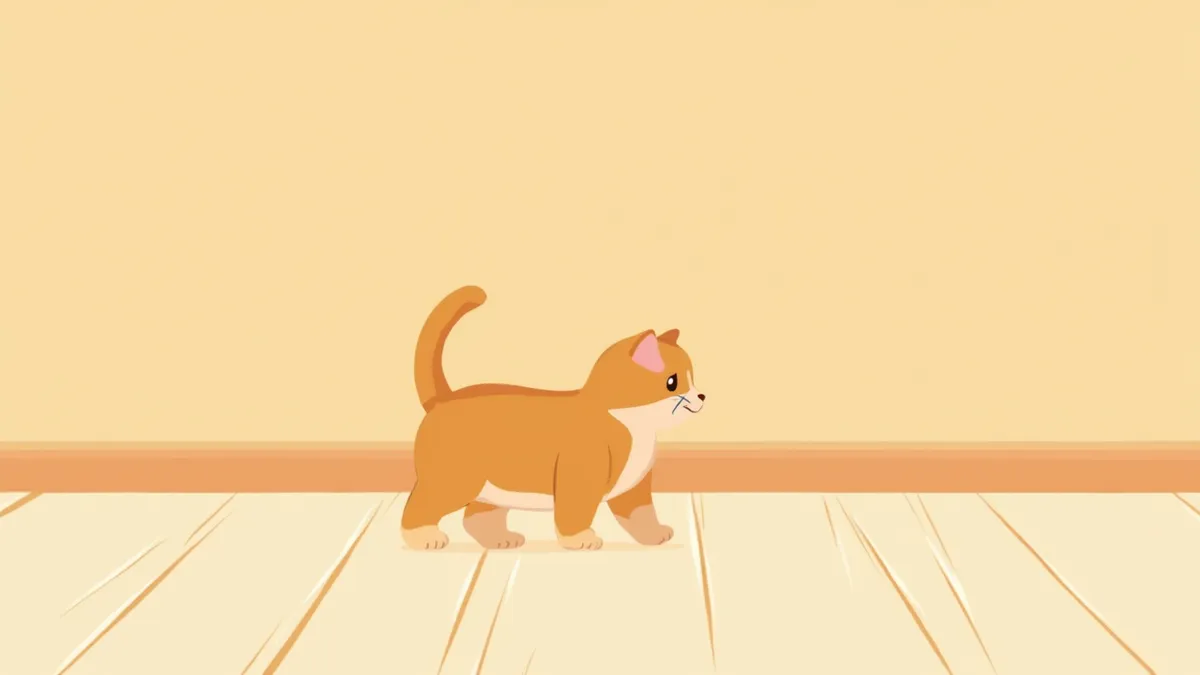
A full-body side view of a Munchkin cat walking across the living room floor.
Munchkins are a small breed known for their short legs and are often recognized as cats with genetic traits related to cartilage formation. While it is difficult to definitively conclude from veterinary textbooks alone that short-legged breeds bear greater spinal and joint stress than typical cats, it is well established that obesity and overweight conditions are clear risk factors for orthopedic diseases, including osteoarthritis, in cats overall. Therefore, for Munchkins, daily management to protect the spine and joints is more important than the short legs themselves. By maintaining an appropriate weight, providing a suitable living environment, and monitoring joint health from an early age, you can greatly support their lifelong well-being.

5 Conditions Munchkins Need to Watch Out For

For cats with distinct skeletal traits, such as Munchkins, it is important to regularly monitor their spinal and joint health. Please note that while the conditions listed below are often associated with Munchkins, current veterinary textbooks do not definitively confirm that they are more prevalent in this breed compared to others; therefore, these should be understood as potential health concerns to watch for.
Lordosis: A spinal deformity where the spine curves downward. Severe cases can compress the thoracic cavity, requiring veterinary attention.
Scoliosis: A spinal deformity where the spine curves laterally.
Intervertebral Disc Disease: A condition reported in cats where degeneration or herniation of the discs compresses the nerves.
Osteoarthritis: A chronic condition caused by cartilage wear, with increased risk in overweight cats.
Pelvic Issues: If there are difficulties with defecation or childbirth related to pelvic structure, veterinary evaluation is necessary.

Understanding Lordosis

Lordosis refers to an abnormal downward curvature of the spine. In mild cases, it may simply appear as a slight dip in the back, but severe cases can narrow the thoracic cavity and impair breathing. However, specific details such as the exact onset time or the progression of cardiopulmonary compression are difficult to confirm based on standard veterinary textbooks. Therefore, rather than making assumptions, it is more accurate to have a veterinarian examine your pet and perform imaging tests like X-rays. If you notice symptoms such as rapid breathing, reluctance to exercise, or a decreased appetite, please seek veterinary care. Once diagnosed, managing the condition through regular monitoring according to its severity can help your pet live comfortably and stably.
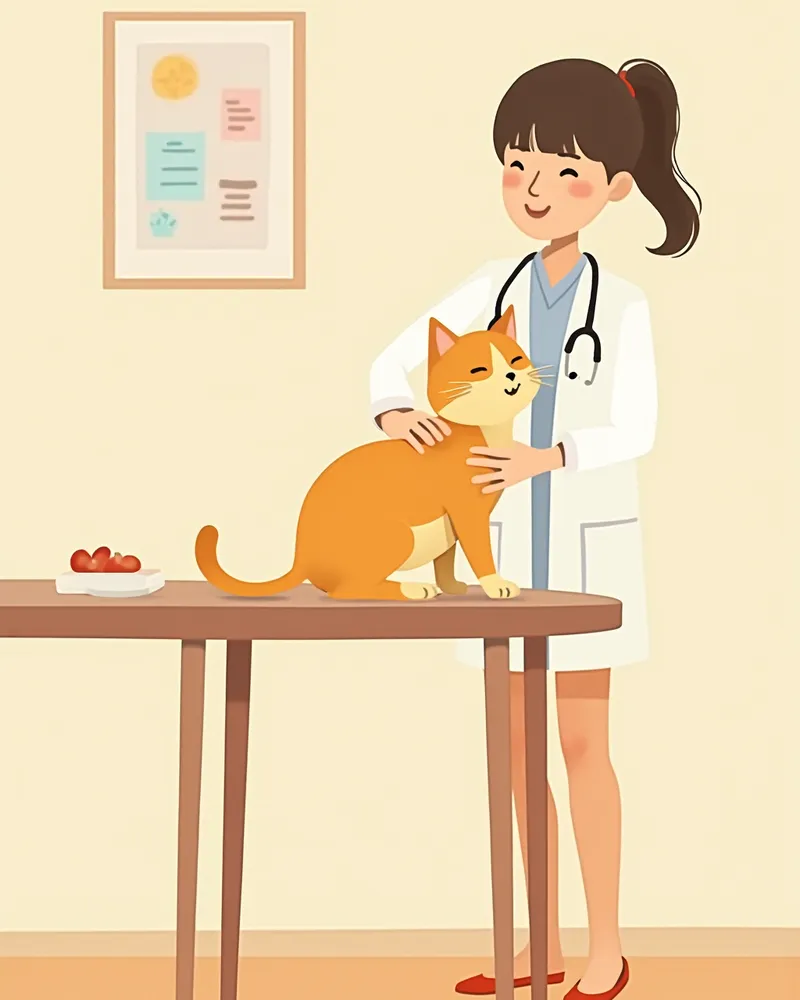
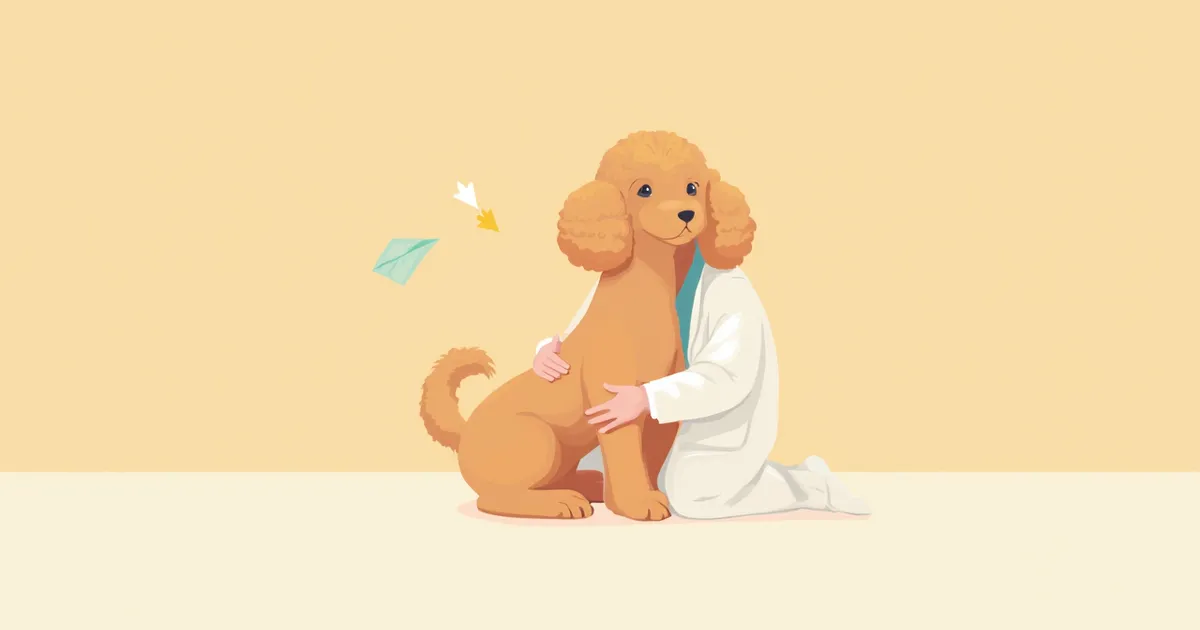
A veterinarian examining the back of a Munchkin cat at an animal hospital

Intervertebral Disc Disease and Osteoarthritis

Intervertebral disc disease occurs when the discs between the vertebrae degenerate or herniate, compressing the spinal nerves. Sudden pain, hindlimb paralysis, and urinary dysfunction may occur, so immediate veterinary care is essential. Osteoarthritis is a chronic condition in which joint cartilage wears down, leading to inflammation and pain. In Munchkin cats, their short legs concentrate body weight on the joints, so osteoarthritis can develop earlier than in other cat breeds. Reluctance to jump or decreased grooming may be signs of pain.

Signs That Require Immediate Veterinary Care

If you notice any of the following symptoms, please visit a veterinary clinic within 24 hours: • Sudden inability to use the hind legs or dragging them while walking • Rapid breathing or panting with an open mouth • Sudden inability to climb places they usually manage easily • Crying out in pain or becoming aggressive when touched • Inability to urinate or defecate, or experiencing incontinence In particular, for intervertebral disc disease, the longer treatment is delayed, the lower the chances of recovery. Don’t miss the golden window for treatment.

How to Protect the Spine and Joints in Daily Life
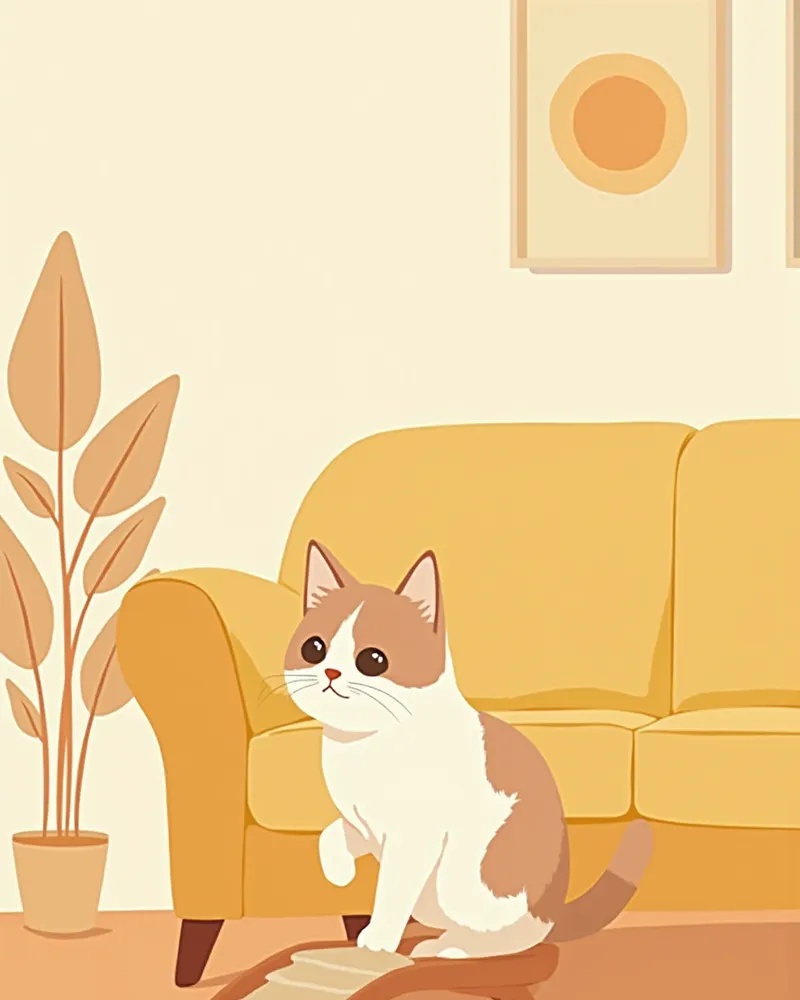
Creating a supportive environment is more important than medication.
Stairs and ramps: Provide step-by-step platforms to help your pet safely get on and off sofas and beds.
Non-slip surfaces: Cover hardwood floors with carpets or mats to prevent slipping.
Low-entry litter boxes: Use flat, low-entry litter boxes to reduce strain on the spine and joints.
Minimize jumping: Even if your cat loves heights, choose cat trees that are low and have gradual steps.
Appropriate exercise: Engage in short, frequent play sessions to help maintain muscle mass.
A Munchkin cat climbing onto the sofa using a low pet step

Weight Management is the Most Important

Maintaining a healthy weight is one of the most important factors in protecting the spine and joints of Munchkin cats. While there is no definitive textbook figure specifying an exact multiple, it is well established that being overweight or obese is a clear risk factor for orthopedic conditions, including osteoarthritis. Therefore, it is ideal to maintain an appropriate body condition where the ribs can be gently felt under the skin (Body Condition Score, BCS). We recommend measured feeding over free-feeding, and calorie management is essential given the sedentary nature of indoor cats. Regularly weighing your cat and recording any changes can greatly assist in management by helping you detect even small fluctuations early on.

Key Ingredients That Support Joint Health

Safe

글루코사민(Glucosamine)

연골 구성 물질 보충, 관절 회복 지원

Dosage: 체중 1kg당 20~30mg/일

수의내과학 교과서 권장 성분

Safe

콘드로이틴(Chondroitin Sulfate)

연골 마모 방지, 관절액 점도 유지

Dosage: 글루코사민과 함께 복합 급여

고양이 골관절염 임상 연구 다수

Safe

오메가-3(EPA/DHA)

관절 염증 완화, 통증 감소

Dosage: 수의사 상담 후 결정

Lascelles 연구팀(2007) 임상 효과 확인

Caution

녹색입홍합(Green-lipped Mussel)

천연 항염 작용, 관절 부드러움 유지

Dosage: 제품별 권장량 준수

갑각류 알레르기 시 주의

Key Points for Munchkin Owners to Remember

Munchkins carry lifelong spinal and joint stress due to their short legs. However, there’s no need to worry excessively. By maintaining an ideal body weight, using non-slip flooring, and providing supportive platforms, they can live as healthily as other cats. We recommend annual check-ups and X-rays to monitor spinal health. After age seven, biannual senior wellness exams are advised.

Reviewed by a veterinarian

Dr. Tony — Punnawat Phongkittirak

Dr. Tony — Punnawat Phongkittirak

Veterinarian

A veterinarian who majored in veterinary medicine at Khon Kaen University, Thailand, and completed the IVSA program at North Carolina State University in the United States. Drawing on clinical experience at animal hospitals, he works in the pet healthcare field and is dedicated to building a digital care environment that connects pet parents with veterinarians.

Frequently Asked Questions

Should Munchkins not jump?
While you don’t need to completely prohibit jumping, it’s best to minimize the impact from high landings. Please adjust your pet’s path by providing a step stool or using lower furniture to prevent them from jumping from heights of 1 meter or more.
When is the best time to start giving joint supplements?
While preventive care is generally recommended starting at age 5 to 6, Munchkin cats often begin it around age 3 after consulting with their veterinarian, due to the significant stress their short-legged structure places on their skeleton.
If my pet has lordosis, can they still live a normal life?
If the condition is mild, most cats can live much like regular cats. However, it’s important to closely monitor their breathing patterns and appetite changes, and have follow-up X-rays every six months to a year.
What is the average lifespan of a Munchkin cat?
Their average lifespan is around 12 to 15 years, which is not significantly different from that of regular cats. However, the quality of life in their senior years can vary greatly depending on how well their spine and joints are cared for, so it's important to start managing their health from a young age.

Share

Related Guides

References

[1] Little SE, The Cat: Clinical Medicine and Management, 2nd Edition, Chapter on Feline Musculoskeletal Disorders

[2] Kranenburg HC, Meij BP, et al., Prevalence of spondylosis deformans in the feline spine, 2014

[3] Lascelles BD, Hansen BD, Roe S, et al., Evaluation of client-specific outcome measures and activity monitoring to measure pain relief in cats with osteoarthritis, J Vet Intern Med, 2007

This information is based on veterinary literature and does not replace diagnosis or treatment. Please consult a veterinarian for specific health concerns.

Metapet Co., Ltd. | CEO: Park Sung-yong | Business Reg. No. 417-88-02562 | Seoul, South Korea | Customer Center

Munchkin Spine & Joint Care: Protect Short-Legged Cats | Meongsiljang