Like
Share
멍실장
렉돌 신장 검사 일정 가이드

Complete Guide to Ragdoll Kidney Screening: Timing, Items, and Frequency at a Glance

KidneyBreed HealthMeongsiljang Veterinary Advisory Board

Ragdolls are a long-haired breed at risk for polycystic kidney disease and chronic kidney disease. We’ve outlined age-specific kidney screening schedules and key points for early detection.

Why Are Kidney Screenings Important for Ragdolls?
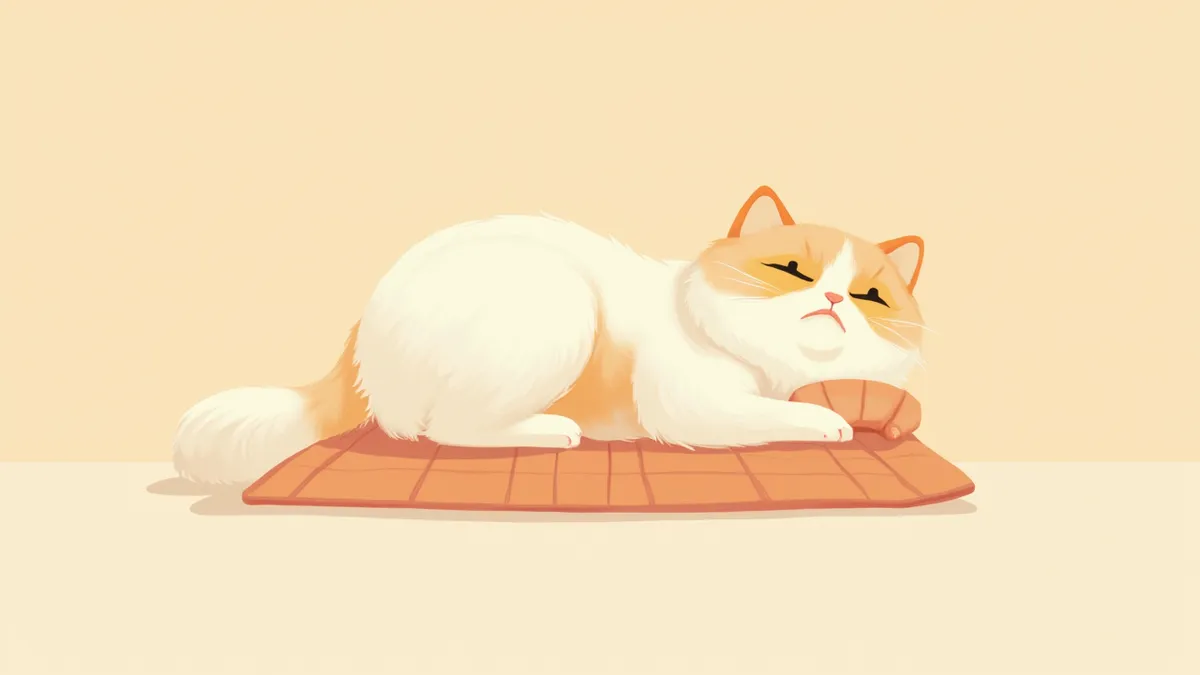
A Rex doll cat undergoing an abdominal examination by a veterinarian.
Ragdolls are a large, long-haired cat breed that benefits from proactive monitoring for chronic kidney disease (CKD), a common feline condition, as well as polycystic kidney disease (PKD), a hereditary disorder. Kidney disease often progresses slowly with few outward clinical signs until renal function has significantly declined, making early detection before symptoms appear crucial. Furthermore, even if blood test results fall within the normal range, kidney issues cannot be entirely ruled out. Therefore, Ragdoll owners should incorporate regular kidney screenings into their cat’s health routine from a young age. This article outlines which tests to perform, when to start, and how often they should be conducted.

Key Kidney Conditions to Watch for in Ragdolls

There are three main kidney-related issues to watch for in Ragdolls.
Polycystic Kidney Disease (PKD): This is a genetic disorder caused by gene mutations that lead to multiple fluid-filled cysts forming in the kidneys, gradually impairing their function. Kittens may appear normal at first, but as they reach maturity, their kidneys can enlarge, potentially progressing to chronic kidney disease.
Chronic Kidney Disease (CKD): This condition involves the gradual decline of kidney function. While the risk is higher in senior cats, it can also occur in younger cats due to congenital or hereditary factors.
Co-management with Heart Disease (HCM): Regular monitoring for hypertrophic cardiomyopathy (HCM) should include kidney function tests, such as blood urea nitrogen, creatinine, and electrolyte levels. Therefore, it’s important to check kidney health alongside heart health.

Overview of Kidney Screening Tests for Ragdolls
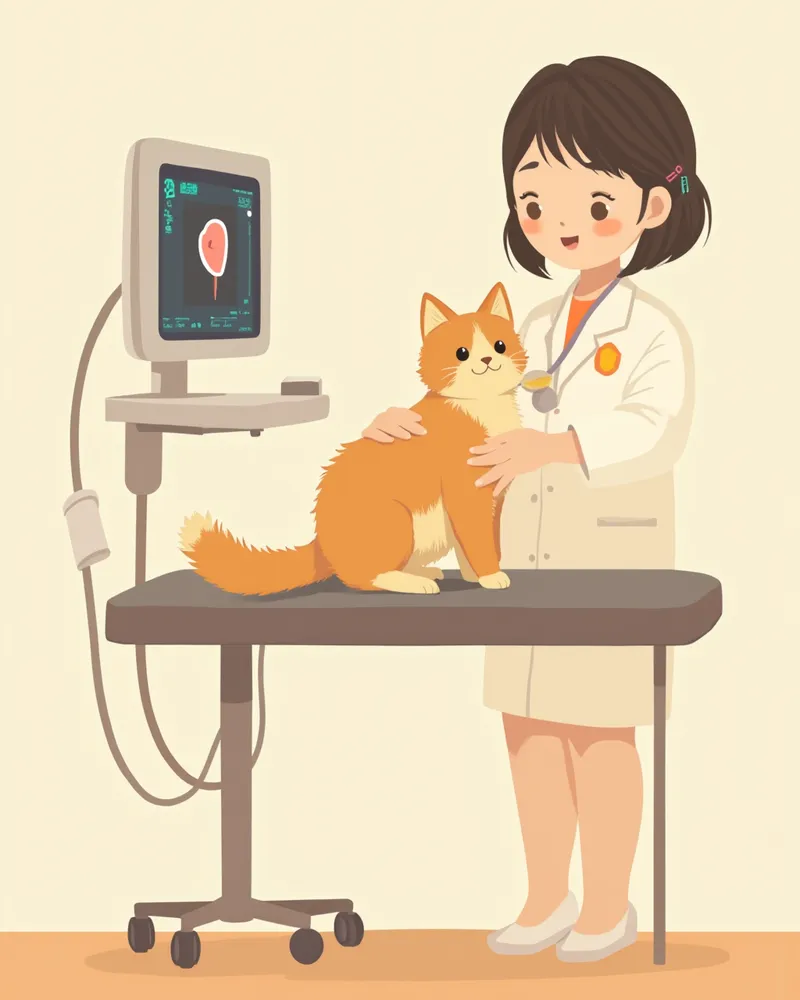
The following tests are commonly used to assess kidney health:
Blood tests (BUN, creatinine, SDMA): These are the basic tests for evaluating kidney function. However, even if BUN and creatinine levels fall within the normal range, kidney disease cannot be completely ruled out, so it is important to interpret these results alongside urine test findings.
Urine tests: These check urine specific gravity (concentrating ability) and the presence of proteinuria. Since proteinuria is an indicator associated with the progression of kidney disease, it should be monitored together with other parameters.
Abdominal ultrasound: This imaging test allows direct visualization of cysts in polycystic kidney disease.
Blood pressure measurement: Hypertension is closely linked to the progression of kidney disease and requires active treatment, so blood pressure is measured as part of the evaluation.
A scene of an abdominal ultrasound examination being performed on a Ragdoll cat.

When Should Kidney Screenings Begin for Ragdolls?

The most reliable way to diagnose polycystic kidney disease is to identify fluid-filled cysts via ultrasound. However, in young cats, the kidneys may appear normal externally, with cysts and kidney enlargement only becoming apparent as the cat reaches maturity. Therefore, rather than relying on a single test, it is advisable to include an abdominal ultrasound in routine health checkups and schedule regular follow-up examinations at appropriate intervals as the cat ages.

Recommended Age-Specific Kidney Screening Schedule for Ragdolls

ItemAges 0–2Ages 3–6Age 7 and older (senior)
Blood test (including SDMA)Once a yearOnce a yearTwice a year (every 6 months)
UrinalysisOnce a yearOnce a yearTwice a year
Abdominal ultrasoundOnce right after adoptionEvery 2–3 yearsOnce a year
Blood pressure measurementOptionalOnce a yearTwice a year
Echocardiogram (with concurrent HCM)Once at 1–2 yearsEvery 2–3 yearsOnce a year

Intervals may be moved up depending on symptoms or family history. Adjust in consultation with your veterinarian.

Early Detection Signs to Monitor at Home
It helps to keep an eye on the following signs at home between check-ups.
Increased water intake: The water bowl empties faster than usual.
Increased urine volume and frequency: Litter clumps become larger or more numerous.
Weight loss: Noticeable thinning occurs over a few weeks.
Decreased appetite and vomiting: Loss of interest in food or an increase in vomiting episodes.
Lethargy and signs of dehydration: A noticeable drop in activity level or reduced skin elasticity may appear. For long-haired Ragdoll breeds, changes in coat condition can occur when overall health declines, so use coat changes as one indicator to monitor general physical well-being.
If you notice any of these signs, visit the clinic immediately, regardless of your regular appointment schedule.
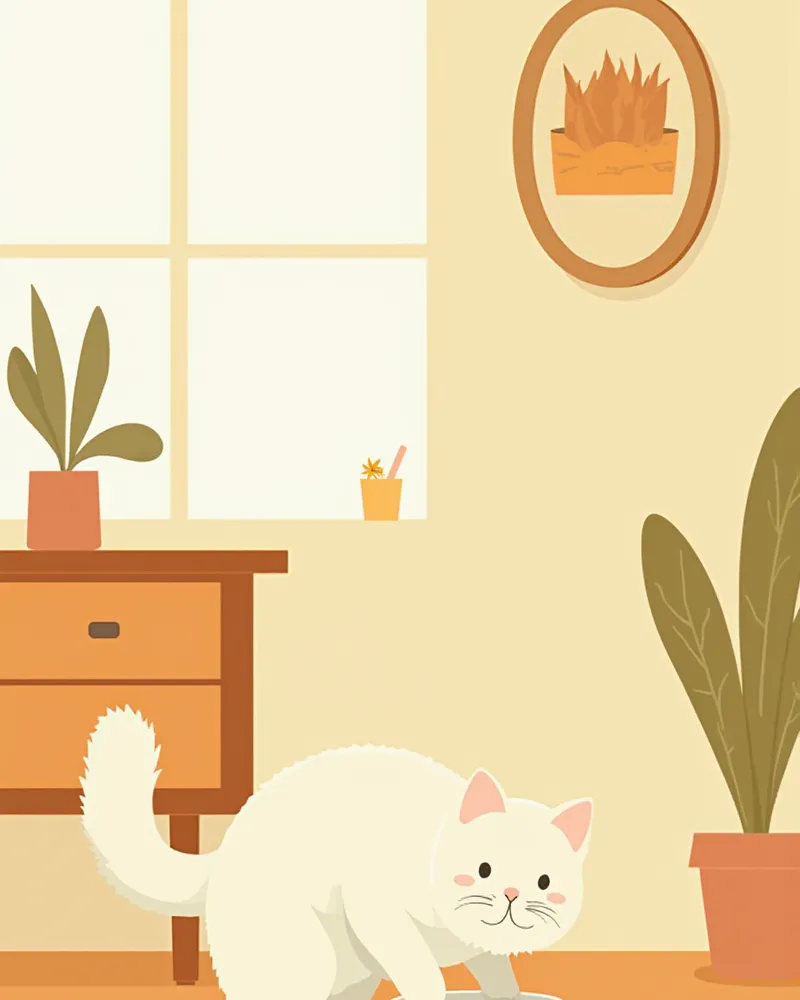
A guardian watching a Ragdoll drink water

Key Points Ragdoll Owners Must Remember

When caring for kidney health, it’s also wise to monitor heart conditions, particularly hypertrophic cardiomyopathy (HCM), and blood pressure. Echocardiography is the most effective way to assess the progression of HCM, and regular monitoring should include both kidney function tests and blood pressure measurements. Since hypertension is closely linked to kidney disease and requires active treatment, scheduling an echocardiogram and blood pressure check on the same day as your kidney exam is efficient. Genetic testing for hereditary kidney and heart diseases can be performed once during the breeding or adoption phase, providing a lifelong reference for identifying at-risk individuals.

How to Manage Abnormal Test Results

A borderline-high reading doesn’t automatically mean severe kidney disease. Your veterinarian will use the IRIS staging system (kidney disease stages) to create a management plan.
Dietary adjustments: A renal prescription diet helps reduce the burden of phosphorus and protein on the kidneys.
Increase water intake: Using a water fountain and incorporating wet food can be helpful.
Shorter recheck intervals: Regular blood and urine tests should be repeated at intervals recommended by your veterinarian, based on the IRIS stage and your pet’s individual condition.
Medication use: Your veterinarian will determine the medication schedule based on your pet’s weight and disease stage.

Reviewed by a veterinarian

Dr. Tony — Punnawat Phongkittirak

Dr. Tony — Punnawat Phongkittirak

Veterinarian

A veterinarian who majored in veterinary medicine at Khon Kaen University, Thailand, and completed the IVSA program at North Carolina State University in the United States. Drawing on clinical experience at animal hospitals, he works in the pet healthcare field and is dedicated to building a digital care environment that connects pet parents with veterinarians.

Frequently Asked Questions About Ragdoll Kidney Screenings

Does every Ragdoll cat develop polycystic kidney disease?
Not all Ragdolls are affected. The risk depends on whether they carry the genetic mutation, and even among carriers, the onset and severity can vary from cat to cat. Regular ultrasound screenings are the most reliable way to monitor their health.
If I get a genetic test, do I still need an ultrasound?
Not at all. Genetic testing is used to identify high-risk groups, but only an ultrasound can confirm whether an actual cyst has formed. The two tests complement each other.
Is SDMA testing meaningful for young Ragdolls?
Yes, it does matter. Even if blood test results fall within the normal range, kidney disease cannot be completely ruled out. Recording baseline values while your pet is healthy makes it easier to detect and monitor even subtle changes later on. Keeping regular records from an early age is helpful.
Since long-haired breeds can make it difficult to notice kidney issues at home, are there any tips for monitoring their condition?
Try weighing your pet once a week under the same conditions and recording their water intake using a measuring cup. Weight numbers can clearly reveal changes in body shape that might be hidden by long fur.

Share

Related Guides

References

[1] August's Consultations in Feline Internal Medicine, Volume 7 — Chronic Kidney Disease in Cats

[2] BSAVA Manual of Feline Practice — Polycystic Kidney Disease

[3] Textbook of Cardiovascular Medicine in Dogs and Cats — Feline HCM in Ragdoll

This information is based on veterinary literature and does not replace diagnosis or treatment. Please consult a veterinarian for specific health concerns.

Metapet Co., Ltd. | CEO: Park Sung-yong | Business Reg. No. 417-88-02562 | Seoul, South Korea | Customer Center

Ragdoll Kidney Screening: Timing, Tests & Frequency | Meongsiljang