
Abyssinian Grooming: Complete Guide to Brushing, Bathing, and Skin Care for Shorthairs
This grooming guide covers everything you need to know for your Abyssinian shorthair: weekly brushing frequency, bathing schedule, eye/ear/nail/dental care, and seasonal shedding management.
What Kind of Breed Is the Abyssinian?
Unique Characteristics of Abyssinian Fur
Weekly Brushing Guide
Stop Brushing If You See These Signs
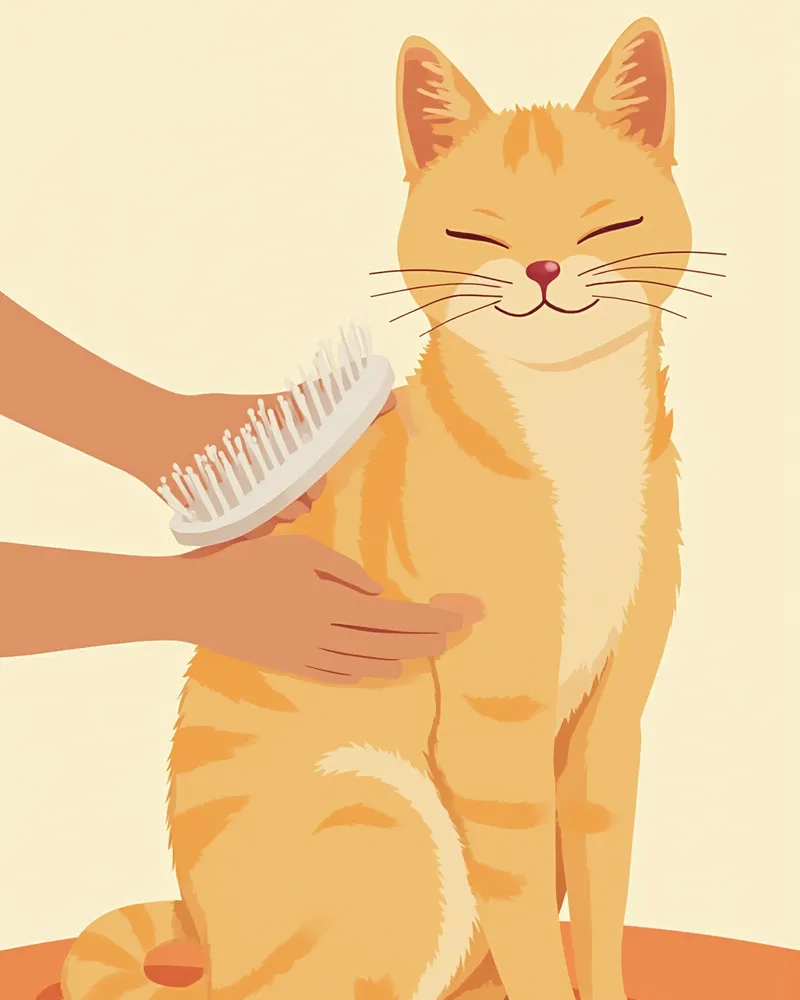
If your pet suddenly pulls away during brushing, or repeatedly licks or scratches a specific area, stop grooming immediately. If you notice increased redness, dandruff, or flaking compared to usual, it may not be a simple grooming issue. If these symptoms persist for more than 24 hours, or are accompanied by patchy hair loss, discharge, or scabs, your pet should undergo a skin examination at a veterinary clinic. The cause could be allergies, fungal (mold) infections, or external parasites.
Bathing Frequency and Proper Method
Eye, Ear, Nail, and Dental Care
Seasonal Shedding Management Tips
Breed-Specific Conditions to Watch for in Abyssinians
Some cats may have a genetic predisposition to certain conditions, such as kidney disease or gingivitis and periodontal disease. However, because individual variation within breeds can be significant, treat this information as a general reference rather than a definitive rule. If you notice a dull coat during grooming, excessive water consumption, or bad breath, the issue may extend beyond simple skin problems. In particular, noticeable weight loss can be a sign of illness or stress, so don’t ignore it. Regular health check-ups are essential to monitor both kidney function and oral health, and it’s always safest to consult your veterinarian for any concerns that might be overlooked during at-home checks.
Reviewed by a veterinarian

Dr. Tony — Punnawat Phongkittirak
VeterinarianA veterinarian who majored in veterinary medicine at Khon Kaen University, Thailand, and completed the IVSA program at North Carolina State University in the United States. Drawing on clinical experience at animal hospitals, he works in the pet healthcare field and is dedicated to building a digital care environment that connects pet parents with veterinarians.
Reviewed 2026-04-30
Frequently Asked Questions
Do Abyssinians need to be brushed every day?
How often should I bathe my pet?
My pet is shedding more than usual. Is this normal?
Which comb should I buy?
What should I do if my pet refuses to have its nails trimmed?
Share
Related Guides
Top 5 Medicated Dog Shampoos — For Pyoderma and Bacterial Infections

Veterinarian-Recommended Top 5 Medicated Shampoos for Canine Yeast Dermatitis — Relieves Itching and Greasiness
Top 5 Medicated Cat Shampoos Recommended by Veterinarians — Fungal Dermatitis and Fungal Care
Dachshund Intervertebral Disc Disease (IVDD) Complete Guide — From Symptoms to Lifelong Age-Specific Management
Key Points on Bengal Hypertrophic Cardiomyopathy and an Age-Specific Lifelong Health Management Guide
Key Points on Dilated Cardiomyopathy in Dobermans and an Age-Specific Lifelong Health Management Guide
Sphynx HCM (Hypertrophic Cardiomyopathy) — Complete Guide to Symptoms, Diagnosis, and Age-Specific Lifelong Care
American Shorthair HCM: Symptoms, Early Detection, and Age-Specific Care Guide
Ragdolls and Hypertrophic Cardiomyopathy (HCM) — Symptoms, Treatment, and Age-Specific Lifelong Management
Boxer Cardiomyopathy: Symptoms, Precautions, and Lifelong Age-Specific Management
References
[1] Boyce, J.T., DiBartola, S.P., Chew, D.J. et al. Familial renal amyloidosis in Abyssinian cats. Vet. Pathol. 21: 33–38, 1984.
[2] Little, S. (Ed.). The Cat: Clinical Medicine and Management, 2nd Edition. Elsevier Saunders, 2nd ed.
[3] Chew, D.J., DiBartola, S.P., Schenck, P.A. Urinalysis in the Dog and Cat. Wiley-Blackwell.