
Abyssinian Health Care Calendar — Age-Specific Checkups and Management of Common Diseases by Life Stage
Abyssinians are prone to hereditary renal amyloidosis and dental disease. Here’s a breakdown of age-specific checkup schedules and key tests.
What Are Regular Checkups for Abyssinians?

Top 4 Diseases to Watch for in Abyssinians
Age-Specific Checkup Schedule
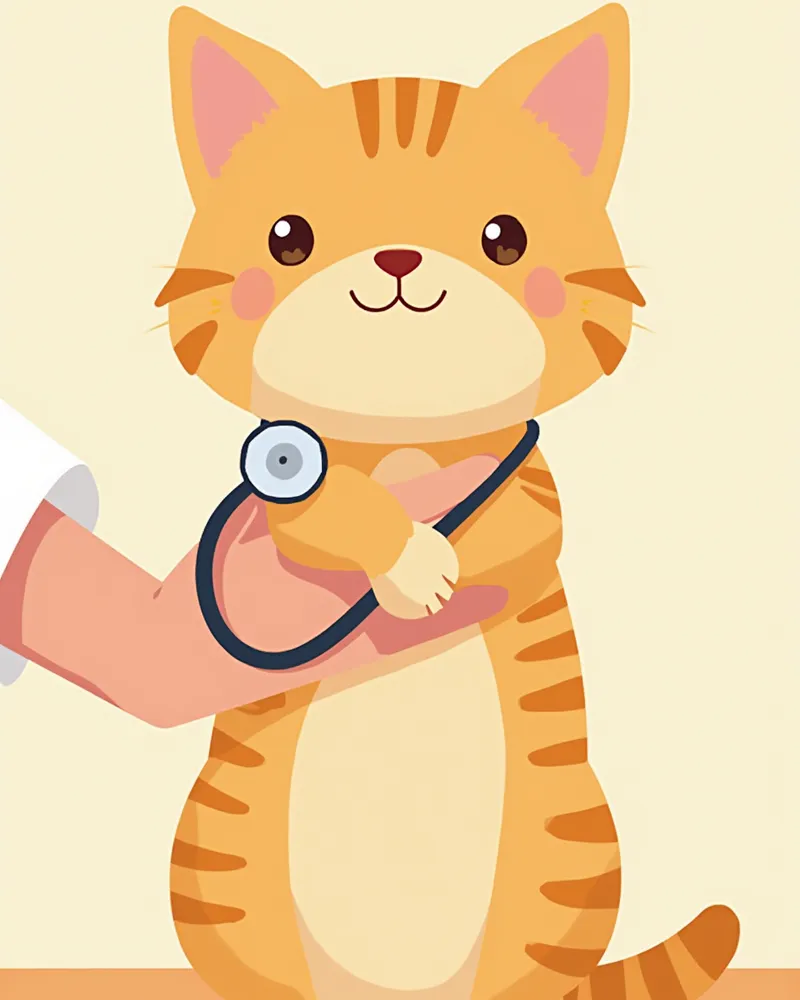
Checkup Frequency and Items by Age
| Item | Under 1 year | 1–6 years | 7 years+ |
|---|---|---|---|
| Screening interval | Every 6 months | 1–2 times/year | 1–2 times/year (every 6 months after age 10) |
| Physical exam/weight | Every visit | Every visit | Every visit |
| Urinalysis (UPC/urine sediment) | Baseline once | Once a year | Twice a year |
| Blood test (CBC/biochemistry/electrolytes) | Baseline once | Once a year | Twice a year |
| Blood pressure measurement | Reference measurement | Once a year | 1–2 times/year |
| SDMA/renal function markers | Recommended | Once a year | Twice a year |
| Cardiac auscultation/echocardiography | Auscultation | Auscultation + ultrasound if needed | Ultrasound recommended |
| Dental exam/scaling | Oral check | Assessment once a year | Consider scaling 1–2 times/year |
Reflects the AAFP life stage guidelines (at least once a year from age 7, twice a year after age 10) and the minimum database by life stage (blood count, biochemistry, urinalysis, blood pressure), tailored to the characteristics of the Abyssinian breed.
Visit the Clinic Immediately If You See These Signs
The symptoms below are emergency warning signs that may indicate renal amyloidosis, hypertrophic cardiomyopathy, or anemia. Even if you’re up to date on regular checkups, please visit a veterinary clinic immediately. • Drinking more water than usual and producing larger volumes of urine • Loss of appetite and weight loss persisting for more than two weeks • Sudden difficulty breathing or open-mouth breathing • Pale or yellowish gums • Weakness and coldness in the hind legs
Key Tests for Early Detection of Renal Amyloidosis

Dental and Cardiac Exams Require Separate Attention
Consider Genetic Testing as Well
Abyssinians are known to be predisposed to genetic conditions such as pyruvate kinase deficiency (PK deficiency) and rdAc-PRA, a form of progressive retinal atrophy. Having your cat undergo genetic testing once before the age of one can help establish a lifelong management plan. Even if a carrier cat shows no clinical symptoms, it is safer to schedule more frequent health check-ups.
Observation Points for Owners at Home

Reviewed by a veterinarian

Dr. Tony — Punnawat Phongkittirak
VeterinarianA veterinarian who majored in veterinary medicine at Khon Kaen University, Thailand, and completed the IVSA program at North Carolina State University in the United States. Drawing on clinical experience at animal hospitals, he works in the pet healthcare field and is dedicated to building a digital care environment that connects pet parents with veterinarians.
Reviewed 2026-04-30
Frequently Asked Questions
At what age should Abyssinian cats begin their health screenings?
Even if my pet looks healthy, is an annual check-up really necessary?
To reduce the cost of a health checkup, which items should be prioritized?
Where can I get a genetic test done?
Share
Related Guides

Primary vs. Secondary Veterinary Hospitals: A Comparison
5 Easy-to-Raise Cat Breeds for First-Time Owners — Grooming Difficulty Comparison
Top 7 Short-Legged Dog Breeds

Pomeranian Health Care Guide — Prevention and Management of Tracheal Collapse and Patellar Luxation

Poodle Health Care Guide (Patellar, Skin, and Eye)

Maltese Health Care Guide — Patellar, Tear Stain, and Tartar Management

7 Genetic Conditions in Bichon Frises: Symptoms, Causes, and Lifelong Care Guide

The Ultimate Guide to Maltipoo Grooming and Coat Care
Complete Guide to Border Collie Genetic Conditions — Critical Warning on MDR1 Drug Side Effects

The Ultimate Guide to Pomeranian Double-Coat Grooming | Key Pomeranian Grooming Tips
References
[1] Boyce JT, DiBartola SP, Chew DJ, et al. Familial renal amyloidosis in Abyssinian cats. Vet Pathol. 1984;21:33-38.
[2] Little SE. The Cat: Clinical Medicine and Management, 2nd Edition. Elsevier; 2020.
[3] Chew DJ, DiBartola SP, Schenck PA. Urinalysis in the Dog and Cat. Wiley-Blackwell; 2023.
[4] American Association of Feline Practitioners (AAFP). Feline Life Stage Guidelines. 2021.