Like
Share
멍실장
스코티시폴드 그루밍·귀 관리 완벽 가이드

The Ultimate Guide to Scottish Fold Grooming and Ear Care

Skin & CoatBreed HealthMeongsiljang Veterinary Advisory Board

Scottish Folds, with their folded ears and soft double coats, require more frequent ear cleaning and brushing than most cats. Here’s a grooming routine every owner should know.

What Kind of Breed Is the Scottish Fold?

The appearance of a Scottish Fold, with its folded ears prominently displayed.
The Scottish Fold is a small-to-medium breed known for its distinctive folded ears and soft double coat. When it comes to grooming, the most important tasks are regularly checking and cleaning inside the folded ears and brushing the double coat. Cats can develop otitis externa (inflammation of the outer ear canal), and because the folded ear structure makes it difficult to see inside, early signs such as brown earwax or discharge may go unnoticed. Therefore, it’s essential to frequently inspect the inner ear and gently clean it if any abnormalities are observed. Additionally, since Scottish Folds are predisposed to joint and cartilage disorders, care should be taken to position them comfortably during grooming to avoid putting strain on their joints.

Key Care Points to Pay Special Attention to for Scottish Folds

Scottish Folds are as high-maintenance as they are adorable, requiring more care than many other breeds. Here are the key points to keep in mind: - Ear cleaning and inspection: Their folded ears hide the inner canal, making it easy to miss issues like otitis externa or ear mites. Regular checks are essential. - Double-coat brushing: The dense undercoat tangles easily, leading to hairballs and mats. - Minimizing joint stress: This breed is predisposed to joint and cartilage disorders, so avoid forcing them into strenuous positions. - Eye and chin care: Their round facial structure can lead to tear staining and chin acne. - Nail care: With moderate activity levels, their nails may not wear down naturally and may require regular trimming.

How to Clean Folded Ears

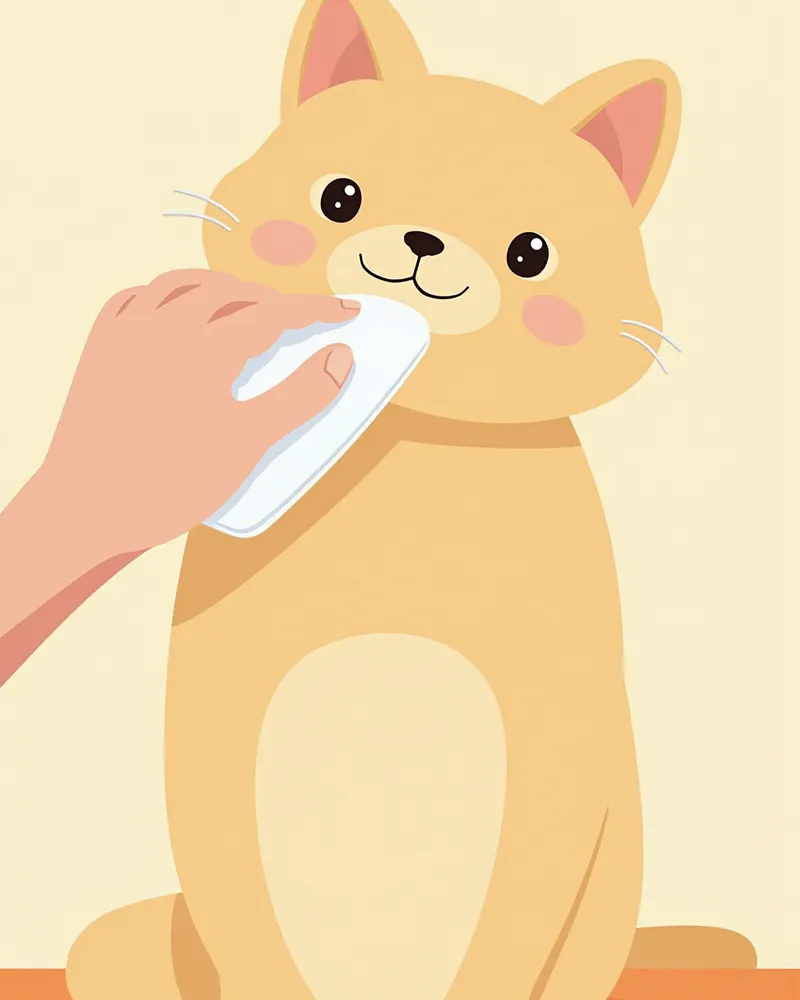
Scottish Folds have ears that fold forward, making it difficult to visually inspect the inner ear. Therefore, rather than adhering strictly to a set cleaning schedule, the key is to regularly check the inside of the ears and wipe away any visible earwax or discharge. From a veterinary perspective, ear cleaning is indicated when accumulated discharge obscures the view of the inner ear. Follow these steps: 1) Check the color and odor of the inner ear; 2) Apply a cat-specific ear cleanser, gently massage for 30–60 seconds, and then wipe only the visible areas with gauze or cotton; 3) Avoid inserting cotton swabs deep into the ear canal. If you notice excessive brown earwax, foul odor, redness, or signs of pain, seek veterinary care instead of attempting home treatment.
Cleaning the folded ears of a Scottish Fold with cotton

Go to the Vet Immediately If You See These Ear Conditions

If you notice any of the following signs, stop home cleaning and have your pet examined at a veterinary clinic. These symptoms may indicate otitis externa, which requires identifying the underlying cause and treating the inflammation and infection together for proper recovery. - Persistent discharge of dark brown or black material from the ear - A sour or fishy odor - Frequent head shaking or scratching at the ears with the hind paws - Redness, swelling, or discharge inside the ear canal - Pain or avoidance when the ear is touched

Double Coat Brushing Routine
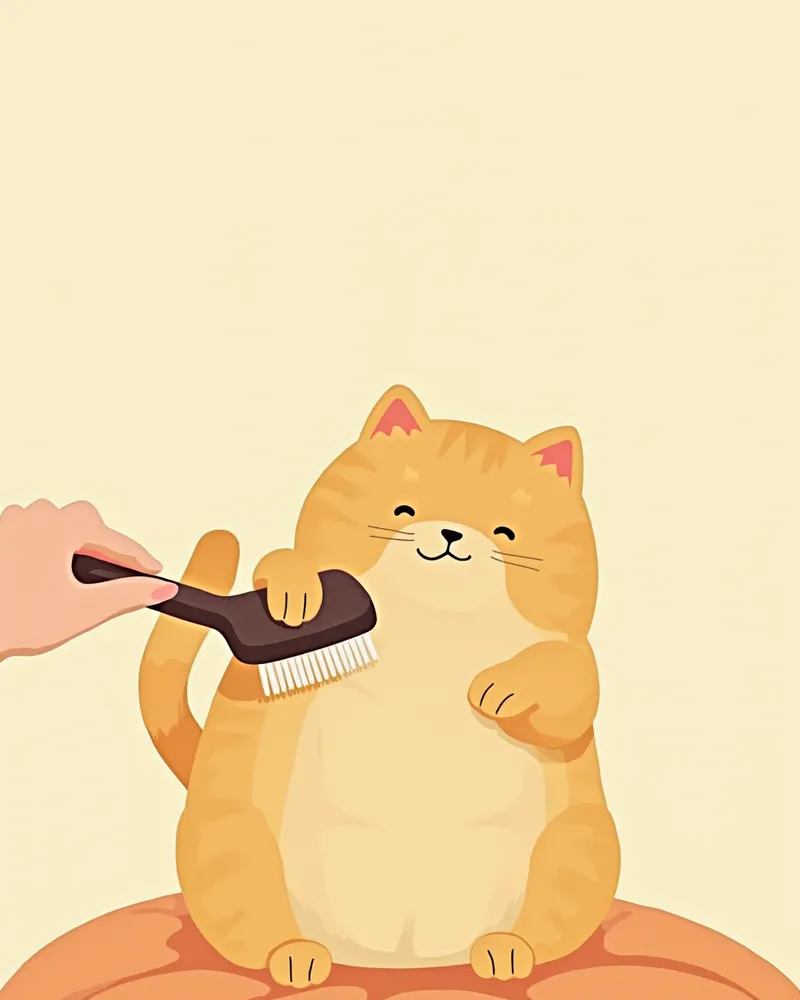
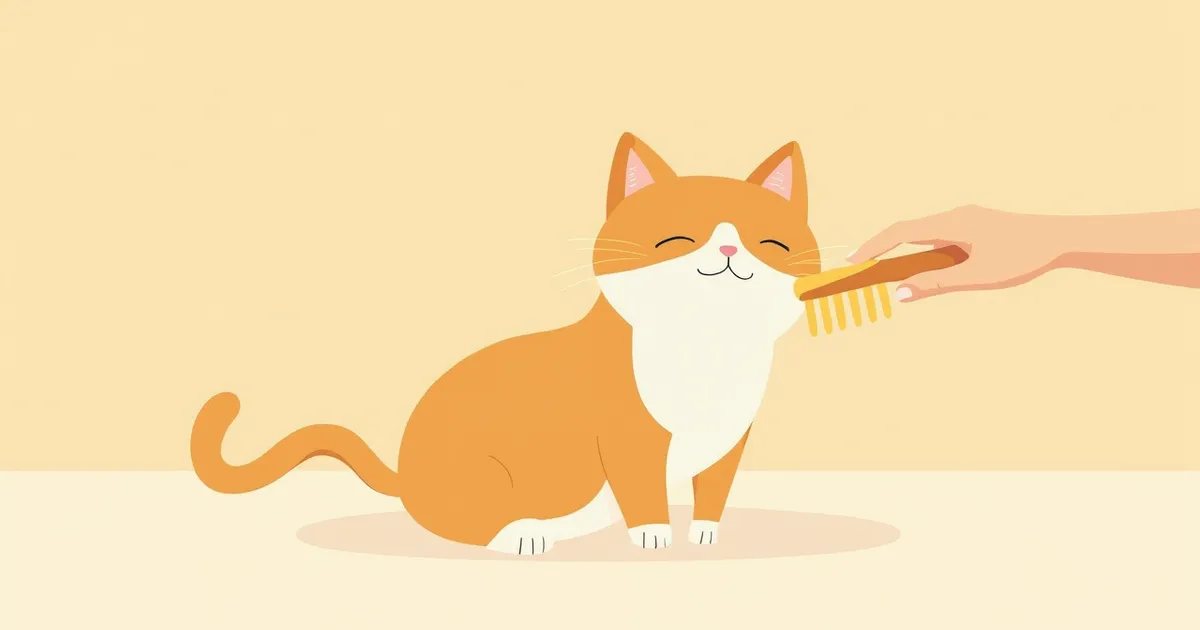
Scottish Folds have a double coat consisting of a short outer layer and a dense undercoat. During seasonal shedding periods in spring and autumn, the undercoat sheds heavily, making mats more likely to form, so you’ll need to increase brushing frequency. Under normal circumstances, brush 2–3 times per week, and during shedding seasons, aim for 5 minutes daily. Brush in the direction of hair growth, following this order: back → sides → chest → tail. Pay extra attention to mat-prone areas such as the armpits and inner thighs. We recommend using both a slicker brush (soft type) and a comb together for best results.
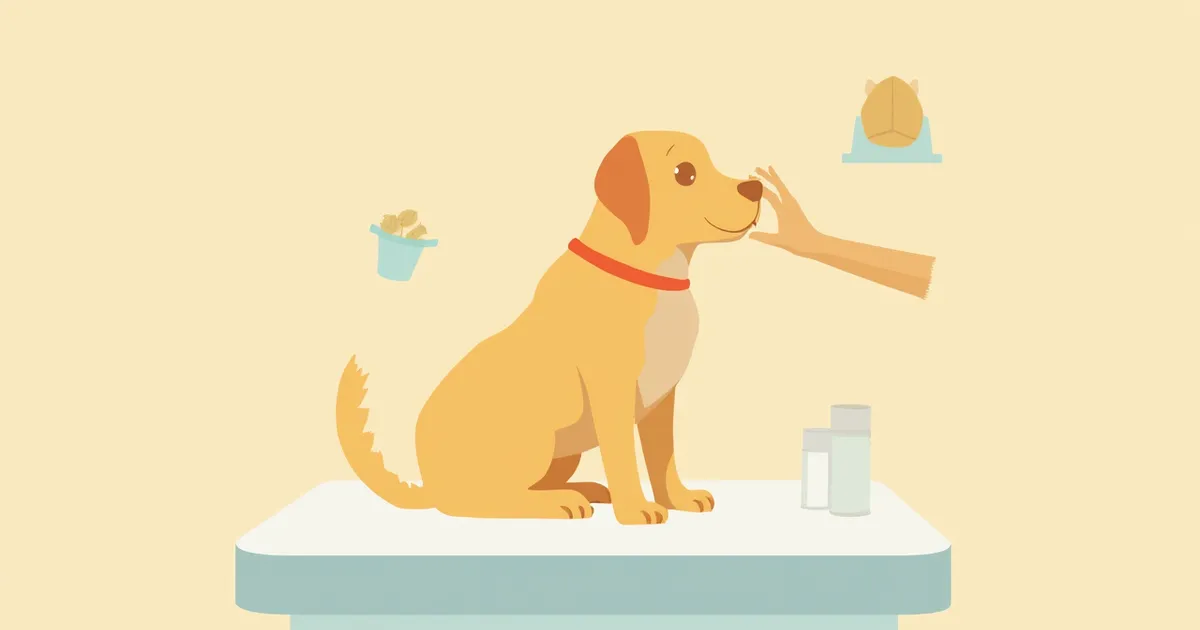
Grooming a Scottish Fold with a slicker brush

Recommended Frequency for Each Grooming Task

ItemRoutineSeasonal transition (spring/fall)Senior cat
Full-body brushing2–3 times/week5 minutes dailyBriefly daily
Ear check1–2 times/week1–2 times/week2–3 times/week
Ear cleaningWhen earwax/discharge is visibleWhen earwax/discharge is visibleWhen earwax/discharge is visible (check frequently)
Nail trimmingOnce every 3–4 weeksOnce every 3–4 weeksOnce every 2–3 weeks
BathingOnce every 2–3 monthsOnce every 2–3 monthsOnly when needed

Clean the ears when earwax or discharge is visible rather than on a fixed schedule, and adjust based on skin and coat condition since there are individual differences.

Grooming Positions to Protect Joints
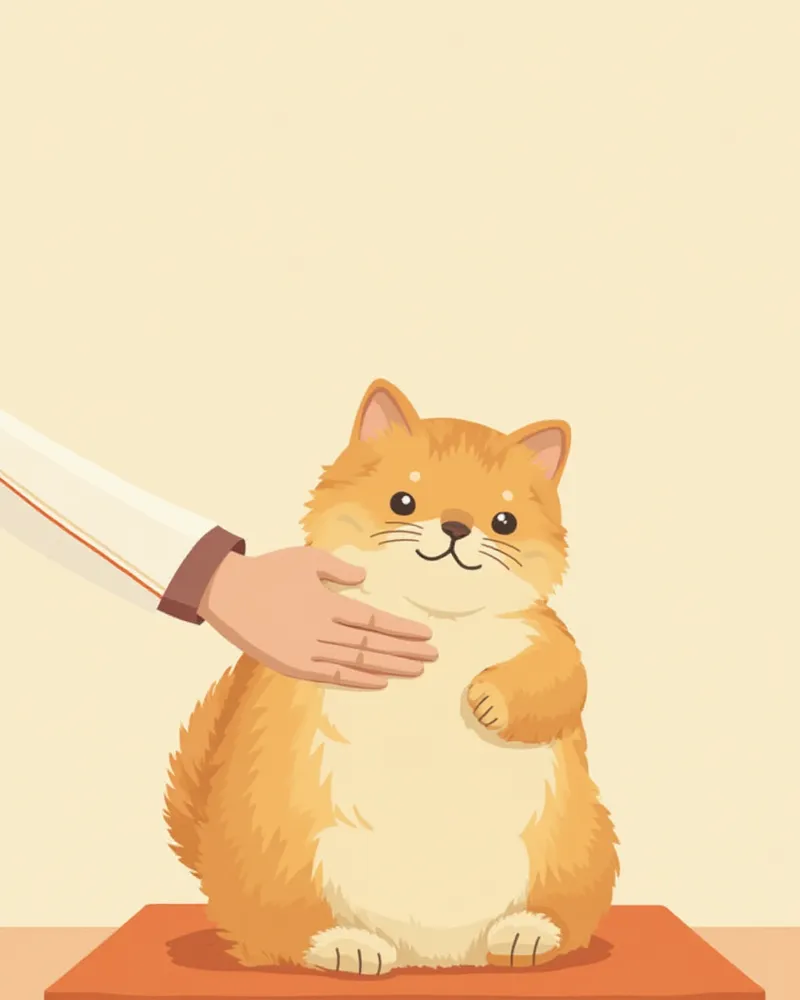
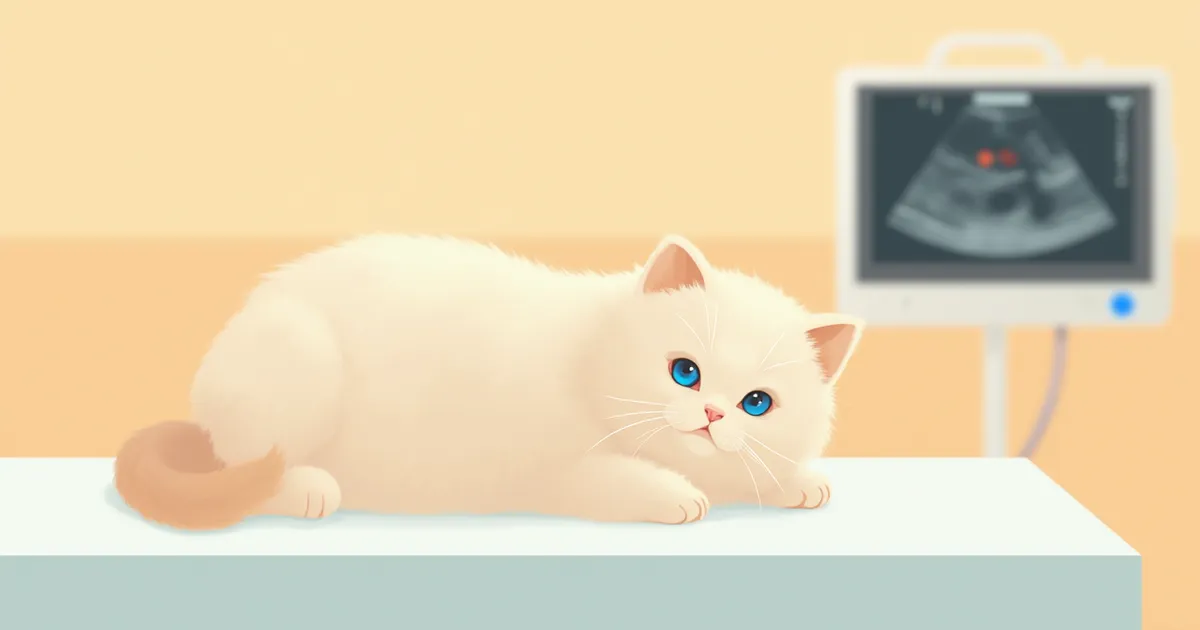
Scottish Folds are a breed known to be predisposed to joint and cartilage disorders, so you need to pay special attention to their grooming position. Degenerative joint disease (arthritis) in cats causes pain and stiffness as the cartilage becomes rough and wears down, reducing joint mobility and flexibility. As a result, they may have difficulty reaching certain areas of their body, leading to inadequate grooming, which can cause tangles and a dull, brittle coat. Therefore, during grooming, please follow these guidelines: ① Avoid forcefully extending or lifting their hind legs; ② Do not let them jump onto the grooming table—instead, lift them gently; and ③ Avoid keeping them in one position for more than five minutes. If your cat avoids touch or meows in pain when certain areas are touched, a veterinary examination is necessary.
A Scottish Fold nestled in a stable, comfortable position that puts no strain on its joints.

Detailed Care for Eyes, Chin, and Nails

Due to their round facial structure, tears can easily run down the sides of the nose, leaving brown stains. Gently wiping the area once a day with gauze moistened in lukewarm water is the basic care routine. The area under the chin is prone to sebum buildup, which can lead to chin acne that appears as black spots. Switching from plastic to ceramic or stainless steel bowls and wiping the chin with a soft cloth after meals can help. Trim the nails every 3 to 4 weeks, cutting about 2 mm in front of the pink vascular area.

What You Must Never Do During Grooming

This is the most common mistake pet owners make when grooming Scottish Folds. If any of the following apply, stop immediately. - Using human shampoo or soap (the skin’s pH differs, leading to greater irritation) - Inserting cotton swabs deep into the ear canal (risk of eardrum damage) - Forcefully pulling out mats (tangled fur) → gently detangle using scissors or a dedicated mat breaker - Brushing for extended periods while holding the hind legs raised - Cleaning ears with alcohol or hydrogen peroxide

Reviewed by a veterinarian

Dr. Tony — Punnawat Phongkittirak

Dr. Tony — Punnawat Phongkittirak

Veterinarian

A veterinarian who majored in veterinary medicine at Khon Kaen University, Thailand, and completed the IVSA program at North Carolina State University in the United States. Drawing on clinical experience at animal hospitals, he works in the pet healthcare field and is dedicated to building a digital care environment that connects pet parents with veterinarians.

Frequently Asked Questions

How often should you bathe a Scottish Fold?
Generally, bathing every two to three months is sufficient. Washing too frequently can weaken the skin’s protective barrier, leading to dandruff and itching. On regular days, simply brushing out loose hair and dandruff is enough.
My dog’s ears are folded, so I’m afraid to clean them. Is it okay to skip cleaning?
I don’t recommend leaving the ears unwiped. Because the inner part of folded ears is hard to see, it can be difficult to spot problems like otitis externa early on. Rather than sticking rigidly to a set schedule, regularly check the inside of your pet’s ears and gently wipe only the visible areas when you notice earwax or discharge, being careful not to insert anything deep into the ear canal.
How can I help my pet get used to grooming from a young age?
Keep sessions short, just 1 to 3 minutes, and always end on a positive note with a favorite treat. By consistently pairing grooming activities with rewards—such as brushing followed by a treat, or ear cleaning followed by a treat—you help your pet associate grooming with positive experiences.
My pet has developed mats (tangled fur). Can I cut them out with scissors?
For small mats, it’s safest to gently work them out along the hairline using a mat splitter or comb. Scissors can easily cause injury if you accidentally cut the skin when the boundary between the skin and the mat isn’t clearly visible. If the mats are too tight to remove safely, it’s best to have them professionally clipped at a grooming salon.
Do Scottish Folds also tend to get hairballs?
Because their dense undercoat sheds easily, these cats are prone to swallowing loose hair, which can lead to hairballs. Regular brushing helps remove shed undercoat before it’s ingested, and if needed, you can consult your veterinarian about using hairball-control diets or supplements.

Share

Related Guides

References

[1] Little, S. E. (Ed.). The Cat: Clinical Medicine and Management, 2nd Edition. Chapter on Feline Genetics and Hereditary Diseases.

[2] Schaer, M. & Gaschen, F. Clinical Medicine of the Dog and Cat, 4th Ed. Section on Osteochondrodysplasia.

[3] Gunn-Moore, D. et al., Breed-related disorders of cats, Journal of Small Animal Practice, 2008

This information is based on veterinary literature and does not replace diagnosis or treatment. Please consult a veterinarian for specific health concerns.

Metapet Co., Ltd. | CEO: Park Sung-yong | Business Reg. No. 417-88-02562 | Seoul, South Korea | Customer Center

The Ultimate Guide to Scottish Fold Grooming & Ear Care | Meongsiljang