Like
Share
멍실장
닥스훈트 정기 검진·평생 케어 일정

Dachshund Lifelong Care Schedule — Complete Guide to Age-Specific Common Diseases and Check-up Timing

ImmunityBreed HealthMeongsiljang Veterinary Advisory Board

Dachshunds are at high risk for intervertebral disc disease, making age-specific regular check-ups and lifelong spinal protection essential. Here’s a summary of the recommended check-up schedules and daily care tips for each life stage: 0–1 year, 1–5 years, and 6 years and older.

Why Dachshund Lifelong Care Differs from Other Breeds
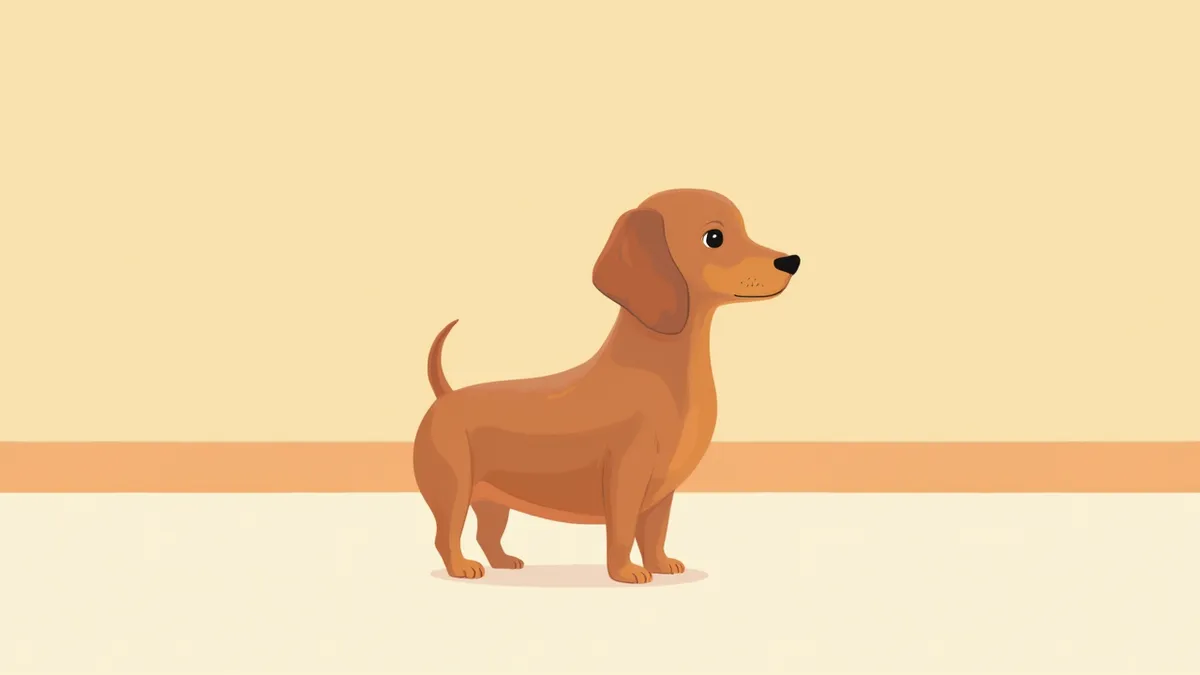
A dachshund waiting for a regular check-up at the animal hospital
Dachshunds are well-known for their susceptibility to back issues, particularly intervertebral disc disease (IVDD), due to their short legs and long spine. As a chondrodystrophic breed, they benefit greatly from regular, stage-specific health checks throughout their lives. The key is consistent, comprehensive care for the spine, weight, and teeth starting from puppyhood. Even when your dog appears healthy, schedule a comprehensive checkup at least once a year, and increase the frequency as they age to help detect and prepare for potential issues earlier. However, while regular checkups are vital, they cannot guarantee prevention of acute IVDD episodes. Therefore, daily lifestyle management to minimize stress on the spine is equally important.

Top 4 Diseases Dachshunds Must Be Cautious About

Intervertebral Disc Disease (IVDD): This is a neurological condition in which degeneration of the intervertebral discs (herniated discs) compresses the spinal cord. It is particularly common in breeds with short legs and long backs, such as Dachshunds, often manifesting as back problems.
Obesity: Excess weight increases the burden on joints and the spine, potentially worsening existing conditions. Research also shows that weight loss can improve joint health. Rather than focusing solely on specific risk multipliers, the key is maintaining an appropriate body weight throughout your pet’s life.
Periodontal Disease: This is a common oral condition in dogs. If tartar buildup and gum inflammation are left untreated, the disease can progress, making regular dental care essential.
Autoimmune Skin Diseases (e.g., Pemphigus Foliaceus): Dachshunds are reported to be a predisposed breed for pemphigus foliaceus, an autoimmune skin disease characterized by blisters and crusts. Therefore, it is important to closely monitor any changes in the skin.

Regular Check-up Schedule by Age Group
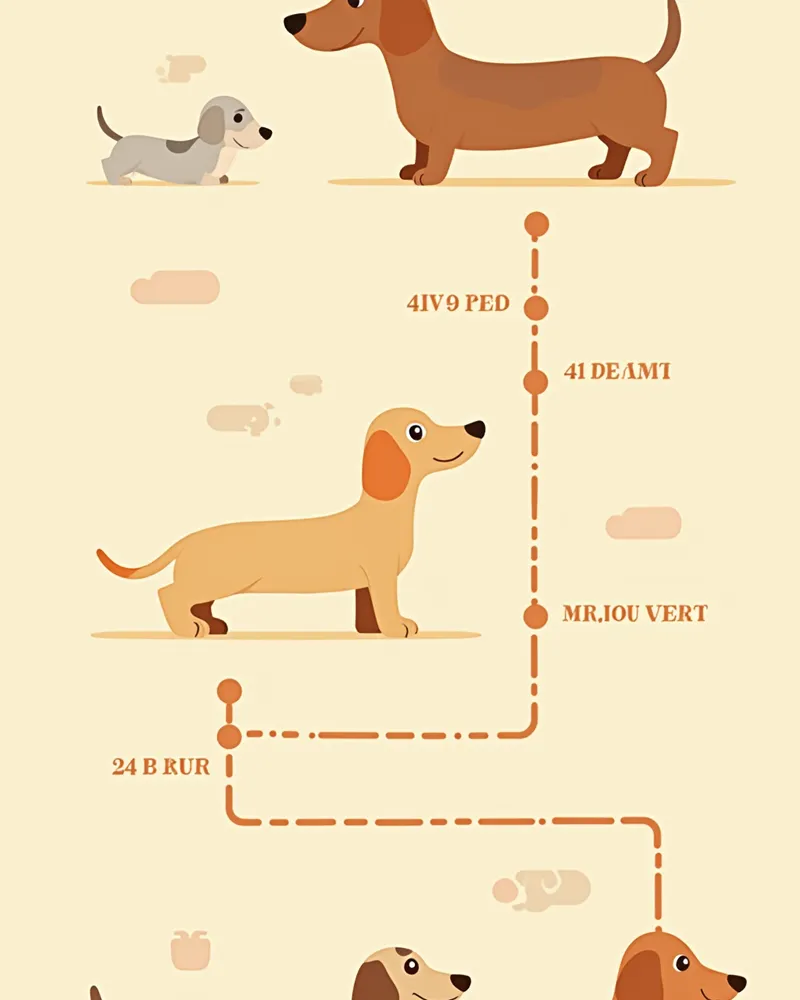
0–1 years (Puppy stage): Administer core vaccines and deworming; perform patellar and cardiac auscultation at 6 months; conduct the first comprehensive health check (blood work, urinalysis, and abdominal ultrasound) at 1 year. 1–5 years (Adult stage): Perform an annual comprehensive health check; conduct spinal X-rays every other year; carry out annual ophthalmologic and dental examinations. 6 years and older (Senior stage): Conduct comprehensive health checks every six months; perform annual spinal MRI or CT scans; add detailed hormonal and cardiac assessments. Shorter screening intervals enable earlier detection of progressive diseases.
Illustration of a dachshund's life-stage check-up timeline

Go to the Vet Immediately If You See These Signs

If your dog suddenly refuses to use stairs or resists being picked up, it may be a sign of spinal pain. Weakness in the hind legs, a hunched back, accidents with urination or defecation, and loss of appetite lasting more than 24 hours are early warning signs of intervertebral disc disease (IVDD). Do not administer pain medication on your own, and when transporting your dog in a car, always support its back and move it in a flat, horizontal position.

Daily Care Points for IVDD Prevention

No jumping on sofas or beds: Jumping up and down from high surfaces can shock the spine, so it’s best to use dog stairs or ramps for any height changes.
Stick to flat walks: Steep hills and stairs can strain the back, so keep walks on flat ground as a rule.
Use a harness: An H-style harness helps distribute pressure more evenly across the neck and spine compared to a collar—choose one that fits your dog properly.
Swimming and underwater treadmill: Water-based exercises (hydrotherapy) are excellent for building muscle while reducing stress on joints and the spine, and are even recommended in textbooks for managing joint diseases.
Daily care is just as important as regular check-ups, so take a moment each day to ensure your dog’s environment minimizes spinal strain.

Lifelong Weight and Nutrition Management
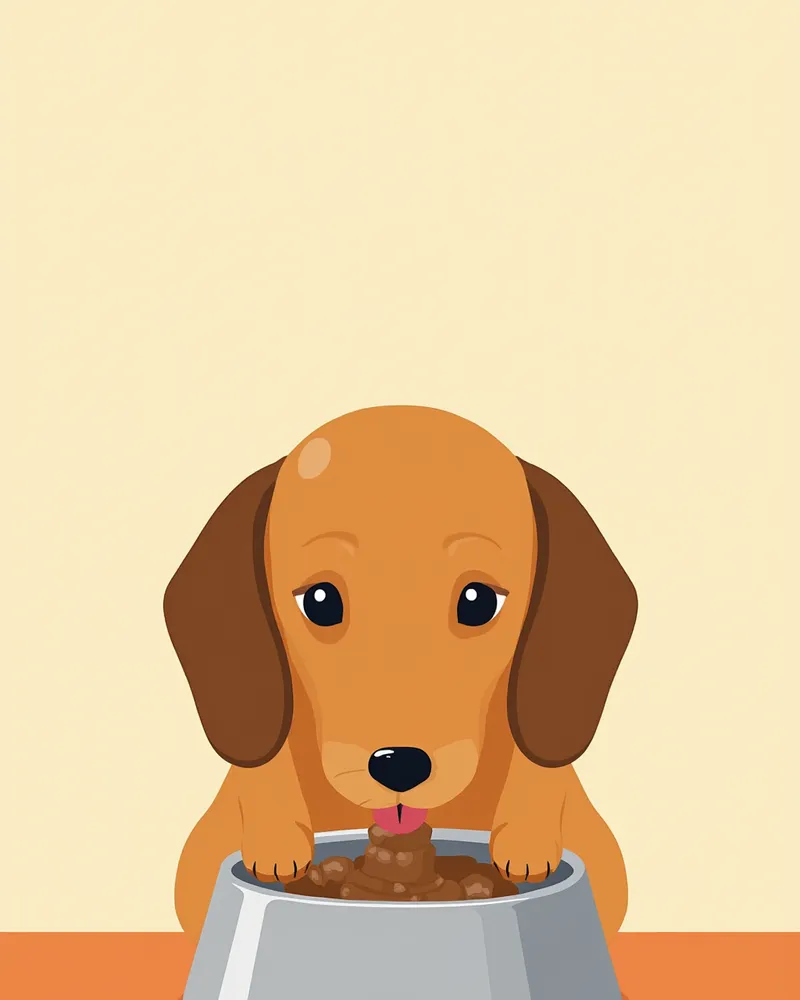
For Dachshunds, maintaining a stable, ideal weight throughout their lives is paramount. According to the Body Condition Score (BCS), each step away from the ideal weight corresponds to approximately 10–15% excess body weight, so please manage their diet to prevent significant deviations from the standard weight. Typical adult weights are 4–5 kg for Miniature Dachshunds and 7–14 kg for Standard Dachshunds. When selecting food, prioritize balanced formulas that support joint health rather than focusing solely on specific numerical values. Joint nutritional supplements (nutraceuticals) such as glucosamine and chondroitin sulfate can be used to support joint cartilage. One study reported that lifelong moderate calorie restriction increases lifespan and reduces chronic diseases; therefore, keep treats to no more than 10% of daily caloric intake and avoid overfeeding.
A healthy Dachshund eating weight management food

Dachshund-Specific Tests Often Missed in Routine Check-ups

In addition to routine comprehensive checkups, Dachshunds may benefit from targeted screenings such as detailed spinal imaging (MRI or CT), ophthalmologic exams (including fundus evaluation), and pre-anesthetic testing prior to dental scaling, depending on individual circumstances. If your dog exhibits sudden pain or neurological signs like hind limb weakness, detailed spinal imaging is warranted regardless of age. However, claims that specific pharmacology textbooks recommend distinct imaging schedules for chondrodystrophic breeds lack reliable evidence. Therefore, it is safest to consult with your veterinarian to determine the appropriate tests and frequency tailored to your pet’s needs. Please remember that the primary goal of regular checkups is to detect and manage diseases as early as possible.

Reviewed by a veterinarian

Dr. Tony — Punnawat Phongkittirak

Dr. Tony — Punnawat Phongkittirak

Veterinarian

A veterinarian who majored in veterinary medicine at Khon Kaen University, Thailand, and completed the IVSA program at North Carolina State University in the United States. Drawing on clinical experience at animal hospitals, he works in the pet healthcare field and is dedicated to building a digital care environment that connects pet parents with veterinarians.

Frequently Asked Questions

When should I start regular check-ups for my Dachshund?
We recommend starting core vaccinations and deworming at six weeks of age, and scheduling the first comprehensive health checkup—including blood work, urinalysis, and abdominal ultrasound—at one year of age. From six years onward, we advise shortening the interval to every six months to enable early detection of intervertebral disc disease (IVDD).
Do I need to get an MRI or CT scan of the spine every year?
For dogs aged 1 to 5, we recommend X-rays every other year; for those 6 and older, annual MRI or CT scans are advised. However, if sudden pain or hindlimb weakness occurs, immediate advanced imaging is necessary regardless of age.
Does spaying or neutering a Dachshund affect its risk of IVDD?
While neutering doesn't directly cause IVDD, the hormonal changes can make pets more prone to obesity, which indirectly increases the risk. After surgery, reduce their food intake by 10-15% and monitor their weight monthly.
How much does a routine check-up usually cost?
While costs vary significantly by clinic, a comprehensive health check typically includes a package of blood tests, urinalysis, and ultrasound. Since spinal MRI is a separate, high-cost advanced diagnostic procedure, we recommend preparing for veterinary expenses in your pet’s senior years through pet insurance or a dedicated medical savings plan.

Share

Related Guides

References

[1] Clinical Medicine of the Dog and Cat, 4th Edition - Chapter on Intervertebral Disc Disease

[2] The Veterinary Workbook of Small Animal Clinical Cases - Case 46 IVDD in Chondrodystrophic Dogs

[3] Small Animal Cytologic Diagnosis Canine and Feline Disease, 2nd Edition - Table 14.13 IVDD Findings

This information is based on veterinary literature and does not replace diagnosis or treatment. Please consult a veterinarian for specific health concerns.

Metapet Co., Ltd. | CEO: Park Sung-yong | Business Reg. No. 417-88-02562 | Seoul, South Korea | Customer Center

Dachshund Lifelong Care: Age-Specific Diseases & Check-up Timing | Meongsiljang