
Like
Share
멍실장
샴 고양이 건강 관리 가이드 — 호흡기·치아 질환 총정리

Siamese Cat Health Care Guide — A Complete Overview of Respiratory and Dental Diseases

RespiratoryBreed HealthMeongsiljang Veterinary Advisory Board

Siamese cats are prone to respiratory conditions such as asthma and periodontal disease. We’ve outlined key health care points tailored to the breed’s specific needs.

What Health Issues Are Siamese Cats Vulnerable To?

A front view of a Siamese cat, whose striking blue eyes are particularly noticeable.
Siamese cats are particularly prone to respiratory and dental issues, so extra care is needed in these areas. Feline asthma, also known as feline bronchial disease, is a common lower airway inflammatory condition in cats that can cause symptoms such as coughing, wheezing, and difficulty breathing. Additionally, periodontal disease and tooth resorption lesions are relatively common in cats overall, making it important to pay attention to both respiratory and oral health. This guide outlines the essential health care points that Siamese cat owners should know.

Major Diseases Siamese Cats Should Be Cautious About

Here’s a summary of the health conditions Siamese cats are particularly prone to:
Feline asthma: This is a common lower respiratory tract inflammatory disease in cats. Siamese cats are one of the breeds most frequently reported in clinical cases of asthma. Typical symptoms include coughing, wheezing, and difficulty breathing.
Periodontal disease: Siamese cats are prone to gum inflammation and tartar buildup. If left untreated, they may lose their teeth.
Tooth resorption: This condition involves the breakdown and loss of hard tooth tissue, which can begin anywhere on the root surface. It occurs frequently in cats overall, and because severe lesions often show no outward symptoms, regular veterinary checkups are essential.
Amyloidosis: This disease occurs when abnormal proteins accumulate in organs, leading to impaired function. It has been reported in Siamese and Oriental breeds.

Respiratory Disease — Why Feline Asthma Is Dangerous
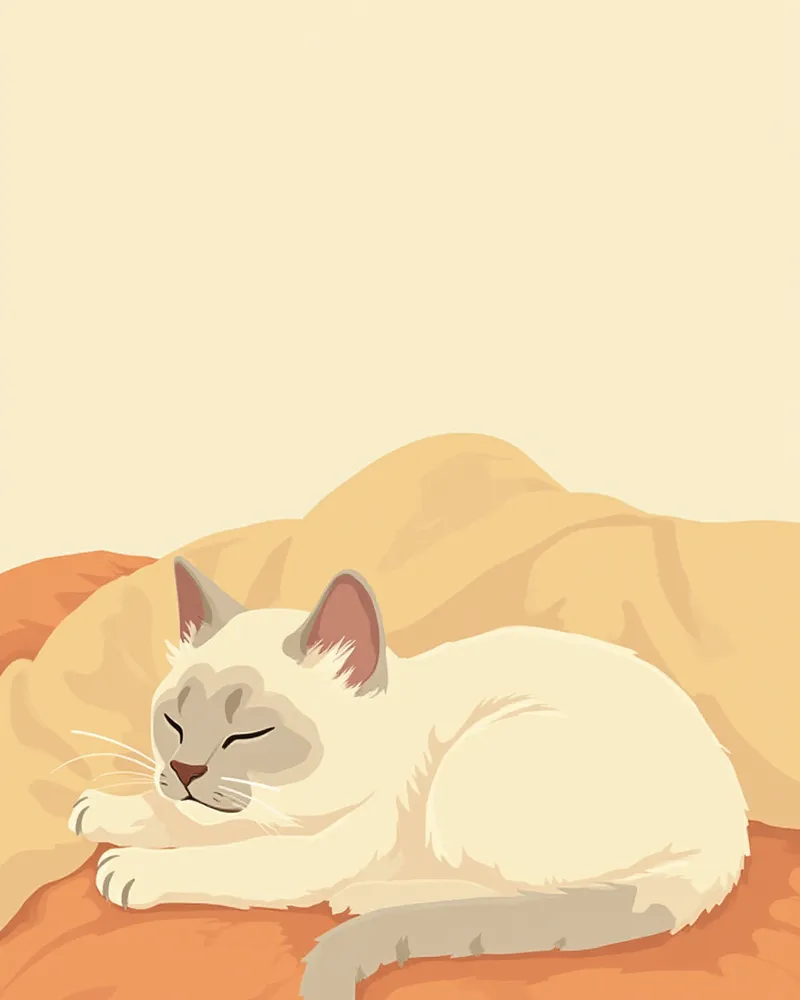
One respiratory condition to watch for in Siamese cats is feline asthma. Veterinary textbooks describe feline asthma as a lower airway inflammatory disease characterized by coughing, wheezing, and difficulty breathing, and note that it is common in cats. Siamese cats, in particular, are reported to appear relatively frequently among clinically confirmed cases of asthma. Asthma is a disease involving chronic inflammation of the airways. When not experiencing an attack, cats can appear completely normal, making it easy for owners to miss early symptoms. If your cat has repeated coughing or noisy breathing, it’s best to visit the vet promptly. A veterinarian can make an accurate diagnosis using X-rays and bronchoalveolar lavage, among other tests.
A Siamese cat resting comfortably on a blanket

Seek Immediate Veterinary Care If You See These Respiratory Symptoms

If your cat is breathing with its mouth open, struggling for air, using its abdomen heavily to breathe, or has bluish gums, it’s a medical emergency. Seek immediate veterinary care at the nearest clinic. Asthma attacks can worsen rapidly, so never wait and watch if you notice any unusual breathing patterns.

Dental Disease — Periodontal Disease and Tooth Resorption Lesions

Siamese cats are particularly prone to periodontal disease and tooth resorption lesions. Periodontal disease occurs when plaque and bacteria cause inflammation in the gums. In the early stages, you may notice bad breath, and as it progresses, the gums become swollen and bleed. Tooth resorption lesions are a condition where the hard tissues of the teeth gradually dissolve and disappear, and they can start anywhere on the root surface. Although common, affecting 25–75% of cats, they often show no obvious external symptoms even when severe, making regular dental check-ups especially important. Since tooth resorption lesions typically affect multiple permanent teeth simultaneously, regular monitoring that includes intraoral radiographs is necessary.
A Siamese cat with its mouth open, showing its teeth

Amyloidosis — A Hereditary Disease in Siamese Cats

Amyloidosis is a condition in which abnormal proteins called amyloid accumulate in organs, potentially leading to impaired function. It has been reported in Siamese and Oriental Shorthair breeds. The disease can affect internal organs, and early symptoms are often subtle. By the time nonspecific signs such as decreased appetite, weight loss, or vomiting appear, the condition may already be advanced, making early detection through regular check-ups crucial. Since there is currently no easy curative treatment, we recommend monitoring internal organ health with routine blood tests and establishing a management plan under veterinary guidance.

Regular Check-ups Are the Most Important

It’s a good idea to have your Siamese cat undergo regular health check-ups at least once or twice a year. As they enter their senior years, more frequent check-ups are recommended, along with blood tests and dental exams. Early detection of various health issues, such as asthma and dental diseases, can make a significant difference in the prognosis.

Siamese Cat Health Care Points

Indoor Air Quality: Scented candles, air fresheners, and dusty litter can irritate the respiratory system. Use an air purifier and ventilate the room regularly.
Oral Care: Try brushing your cat’s teeth with a cat-specific toothbrush and toothpaste. If that’s difficult, dental treats or water additives can also help maintain oral health.
Weight Management: Obesity can negatively impact overall health. Maintaining an appropriate body weight is essential.
Stress Management: Siamese cats tend to be sensitive and may become stressed by environmental changes. Providing a stable, consistent environment supports their well-being.
A Siamese cat playing with toys in a clean indoor environment

Reviewed by a veterinarian

Dr. Tony — Punnawat Phongkittirak

Dr. Tony — Punnawat Phongkittirak

Veterinarian

A veterinarian who majored in veterinary medicine at Khon Kaen University, Thailand, and completed the IVSA program at North Carolina State University in the United States. Drawing on clinical experience at animal hospitals, he works in the pet healthcare field and is dedicated to building a digital care environment that connects pet parents with veterinarians.

Frequently Asked Questions

My Siamese cat is coughing frequently. Could it be asthma?
Repetitive coughing is one of the hallmark symptoms of feline asthma. Feline asthma is a common condition characterized by chronic inflammation in the lower airways, so if your cat’s cough persists for more than two to three days, it’s a good idea to have an X-ray examination at a veterinary clinic.
Do cats really need their teeth brushed?
Yes, brushing is the most effective way to prevent periodontal disease. If daily brushing is difficult, aim for at least two to three times a week. Be sure to use toothpaste formulated specifically for cats; never use human toothpaste.
Can amyloidosis in Siamese cats be detected early through testing?
To detect early signs of amyloidosis, it’s important to regularly monitor the condition of internal organs through routine blood tests. Even if there are no noticeable symptoms, we recommend keeping an eye on any abnormalities through regular health check-ups and discussing a management plan with your veterinarian.
What type of litter should I use for a cat with asthma?
It's important to choose a litter that produces minimal dust. Products with less dust, such as tofu or paper-based litters, are less irritating to the respiratory system compared to bentonite.

Share

Related Guides

References

[1] Little S., The Cat: Clinical Medicine and Management, 2nd Edition, Elsevier, 2012

[2] Johnson L.R., Canine and Feline Respiratory Medicine, 3rd Edition, Wiley-Blackwell, 2020

[3] Englar R.E., The Veterinary Workbook of Small Animal Clinical Cases, 5M Publishing, 2023

This information is based on veterinary literature and does not replace diagnosis or treatment. Please consult a veterinarian for specific health concerns.

Metapet Co., Ltd. | CEO: Park Sung-yong | Business Reg. No. 417-88-02562 | Seoul, South Korea | Customer Center

Siamese Cat Health Care: Respiratory & Dental Conditions | Meongsiljang