Like
Share
멍실장
닥스훈트 유전질환 체크리스트 — 디스크부터 안과까지 한눈에

Complete Guide to Dachshund Genetic Conditions — A Checklist from Disc Disease to Eye Conditions

ImmunityBreed HealthMeongsiljang Veterinary Advisory Board

Dachshunds are a breed at high risk for intervertebral disc disease (IVDD), as well as genetic joint and eye conditions. We’ve outlined five key health concerns and prevention tips that owners should be aware of.

What Genetic Conditions Are Dachshunds Prone To?
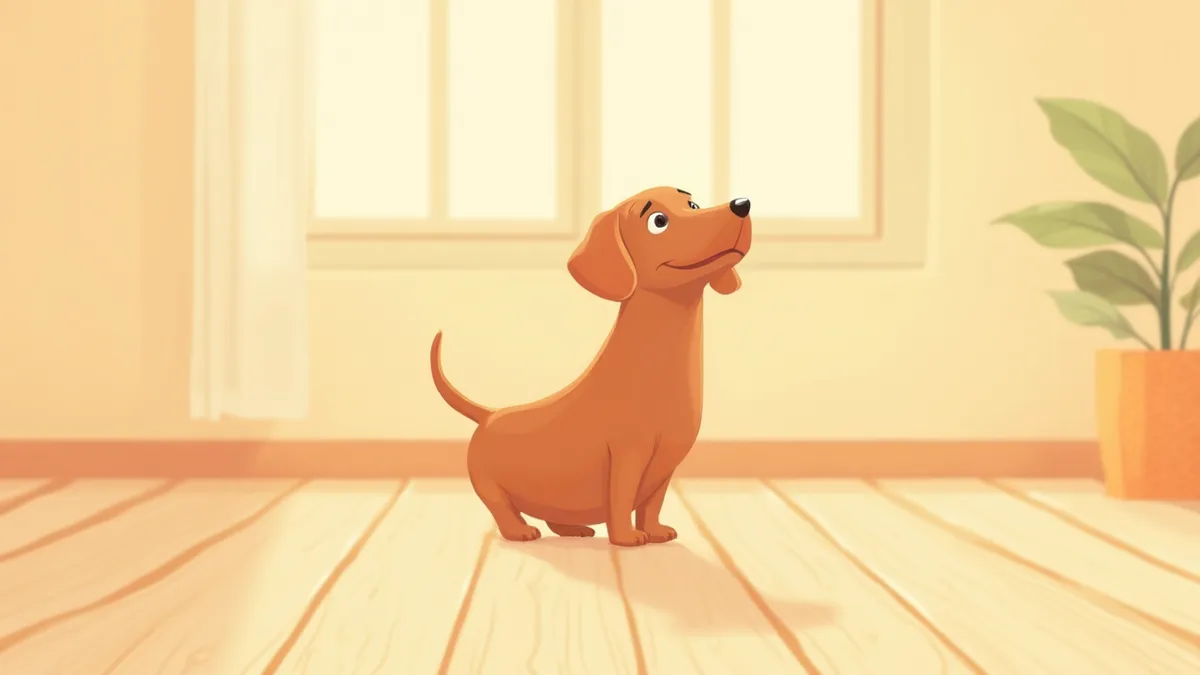
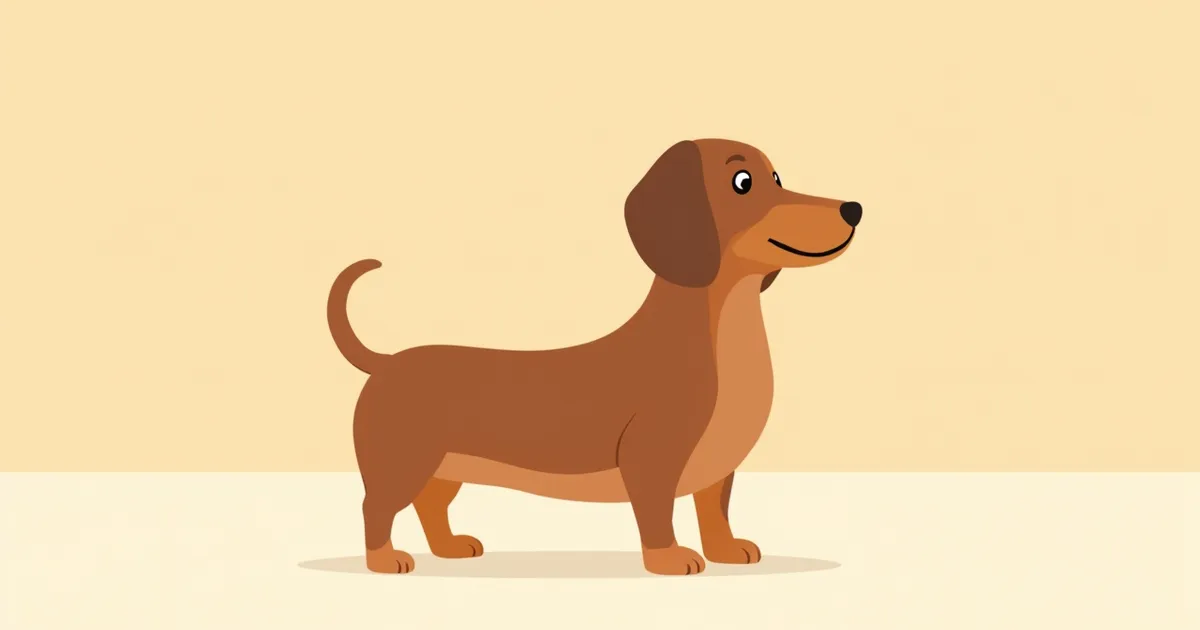
A red dachshund looking up at the camera in the living room
Dachshunds are a chondrodystrophic breed characterized by short legs and a long back, making them genetically predisposed to intervertebral disc disease (IVDD), as well as joint and eye conditions. The most crucial aspect is recognizing early warning signs. If your dog suddenly refuses to climb stairs or yelps when you touch its back, these could be early indicators of disc disease. This article outlines a checklist of five genetic conditions that every Dachshund owner should know.

Top 5 Genetic Conditions in Dachshunds to Check

Here are five key genetic and constitutional conditions that Dachshunds are known to be more susceptible to than other breeds. Using the checklist below can help you prioritize preventive care. - Intervertebral Disc Disease (IVDD): Dachshunds account for approximately 45–73% of all IVDD cases, making them highly vulnerable. In certain bloodlines, up to 62% are expected to experience this condition at least once in their lifetime, making it the top priority concern. - Patellar Luxation: This joint disorder occurs when the kneecap slips out of place. It is common in small breeds, so watch for signs such as lifting a leg or limping. - Progressive Retinal Atrophy (PRA): A hereditary eye disease that gradually narrows the field of vision and can lead to blindness, which has been reported in Dachshunds. - Cushing’s Disease: An endocrine disorder caused by excessive adrenal hormones, which can develop in middle-aged dogs and older. - Legg-Calvé-Perthes Disease: A condition resulting from impaired blood flow to the femoral head, causing lameness, which has been reported in some small breeds.

Top Risk: What Is Intervertebral Disc Disease (IVDD)?
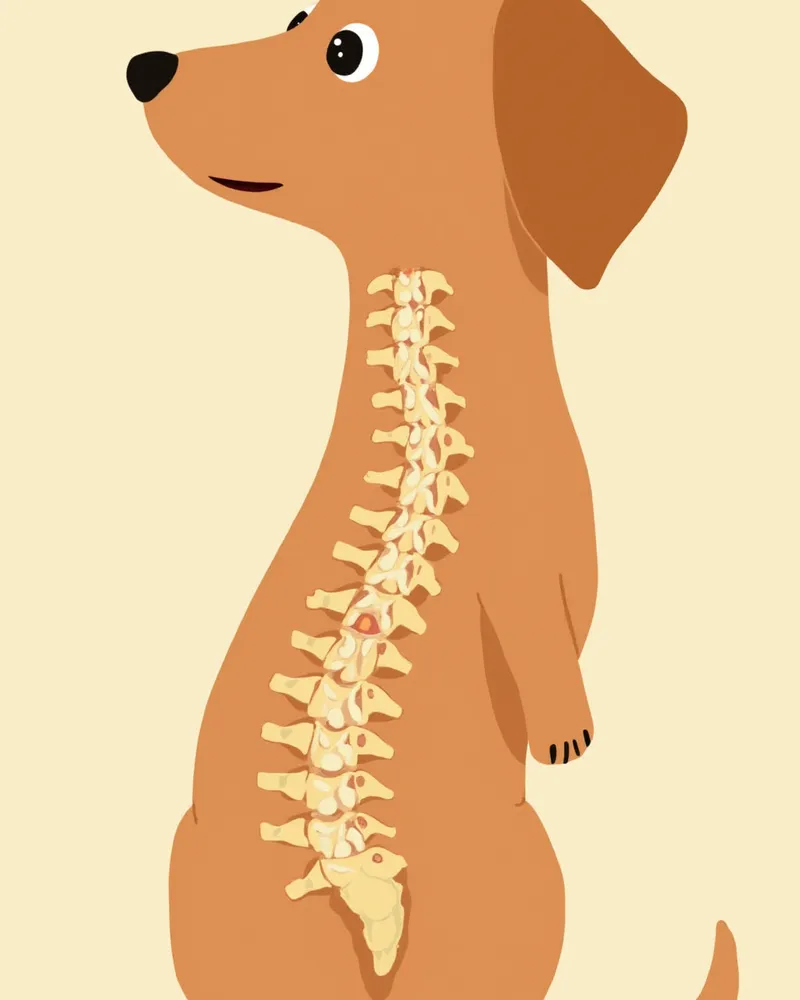
The most significant genetic vulnerability in Dachshunds is the premature hardening of the intervertebral discs. According to veterinary textbooks, intervertebral discs are cartilaginous cushions that act as shock absorbers between the vertebrae. In chondrodysplastic breeds like the Dachshund, the gel-like nucleus pulposus within the discs loses moisture and calcifies, becoming hard like calcium, at a much earlier age than in other dogs. When this calcified material herniates into the spinal canal (intervertebral disc herniation), it compresses the spinal cord, leading to neurological symptoms and paralysis (Hansen Type I). Although intervertebral disc disease has been reported in cats, it is often discovered incidentally without clinical signs. Among dogs, Dachshunds account for an overwhelming 45–73% of all cases. In certain bloodlines, it is estimated that approximately 62% of dogs will experience intervertebral disc disease (IVDD) at least once in their lifetime.
Illustration of a Dachshund's spine and intervertebral disc cross-section

Seek Immediate Veterinary Care If You See These Signs

If you notice any of the following signs, seek care at a veterinary clinic equipped for neurological treatment as soon as possible, ideally within 24 hours. When neurological symptoms arise from a disc rupture, the sooner your pet receives an evaluation and a decision is made about surgery, the better the chances of recovery. - Sudden weakness in the hind legs or dragging them while walking - Crying out or arching the back like a bow when the lower back is touched (a sign of thoracolumbar pain) - Inability to urinate or defecate on their own, resulting in incontinence - Suddenly refusing to jump onto furniture or climb stairs they normally use without issue

Comparison of Dachshund Genetic Conditions at a Glance

ItemIVDDPatellar luxationPRA (retina)Cushing's
Main age of onset3–7 yrsAfter 1 yr4–6 yrsAfter 7 yrs
Early signsBack pain / hind limb weaknessWalking with leg liftedBumping into things in the darkPolydipsia / polyuria
Genetic testing availableFalseFalseTrueFalse
PreventabilityPartially possiblePartially possibleNot possible (early detection only)Not possible

These are general tendencies based on veterinary internal medicine and neurology textbooks, and there are individual differences

Don’t Overlook Dachshund Eye and Hormonal Conditions
Although often overshadowed by disc issues, Dachshunds are also prone to eye and hormonal conditions that warrant attention. - Progressive Retinal Atrophy (PRA): Dachshunds have been reported to develop a form of PRA known as rod-cone dysplasia. Genetic testing can identify even carriers. - Cataracts: This condition causes the lens to become cloudy. If your dog frequently bumps into objects in dim light, an ophthalmic exam is recommended. - Cushing’s Disease: An endocrine disorder characterized by excessive adrenal hormone production. If you notice excessive thirst or a distended, pendulous abdomen, blood tests can confirm the diagnosis. - Hypothyroidism: Testing may be necessary if your dog exhibits symptoms such as hair loss, weight gain, and lethargy.
A close-up of a dachshund's face with its eyes closed

Daily Management Tips for Owners

While we can’t completely prevent genetic conditions, we can delay their onset through lifestyle adjustments. - Weight management: Maintaining an ideal body weight significantly reduces strain on the spine and joints. - Limit jumping and stairs: Replace climbing on sofas and beds with a pet ramp or steps. - Use a harness: Opt for a chest harness instead of a collar to distribute pressure away from the neck and back. - Prevent slipping: Place mats on living room floors to help prevent patellar luxation. - Annual check-ups (1–2 times per year): After age five, blood and urine tests can help detect Cushing’s disease and thyroid issues early.

What to Check When Adopting or Breeding Dachshunds

If you’re considering adopting a puppy or planning to breed, be sure to check the following: - Confirm the parents’ medical history for IVDD and patellar issues (ask the breeder directly). - For Miniature Dachshunds, request the results of PRA genetic testing. - Check the health status of sibling dogs from the same color and body-type line. - Avoid adopting puppies younger than 8 weeks old, and verify their vaccination records.

Reviewed by a veterinarian

Dr. Tony — Punnawat Phongkittirak

Dr. Tony — Punnawat Phongkittirak

Veterinarian

A veterinarian who majored in veterinary medicine at Khon Kaen University, Thailand, and completed the IVSA program at North Carolina State University in the United States. Drawing on clinical experience at animal hospitals, he works in the pet healthcare field and is dedicated to building a digital care environment that connects pet parents with veterinarians.

Frequently Asked Questions

Do dachshunds inevitably develop disc disease?
While not every dog is affected, Dachshunds are particularly vulnerable, accounting for approximately 45–73% of all IVDD cases. In certain bloodlines, it is estimated that about 62% of dogs will experience IVDD at least once in their lifetime. However, you can significantly delay the onset of the condition through proper weight management and by restricting jumping.
Is there a specific way to hold a Dachshund puppy?
Support your dog’s chest with one hand and their hindquarters with the other, keeping their spine in a straight line. Lifting them by the armpits alone can cause their back to sag, putting unnecessary strain on their discs.
Is genetic testing really necessary?
While not mandatory, a PRA gene test can be helpful for Miniature Dachshunds. IVDD cannot yet be predicted with 100% certainty through a single-gene test.
What is the appropriate weight for a Dachshund?
For Standard Dachshunds, the typical weight range is 7 to 14 kg, while Miniature Dachshunds usually weigh between 4 and 5 kg. A dog is at an ideal weight when you can lightly feel the ribs and see a visible waistline when viewed from above.
Can a disc problem heal without surgery?
In mild cases where there is pain but no paralysis, recovery is often possible with medication, strict rest, and rehabilitation. However, once paralysis begins, it is crucial to seek a prompt evaluation to determine whether surgery is necessary.

Share

Related Guides

References

[1] The Veterinary Workbook of Small Animal Clinical Cases, Case 46 (Intervertebral Disc Disease in Chondrodystrophic Breeds)

[2] Clinical Medicine of the Dog and Cat, 4th Edition — Hansen Type 1/2 IVDD Pathophysiology

[3] Small Animal Cytologic Diagnosis Canine and Feline Disease, 2nd Edition — Table 14.13 Diagnostic Findings with IVDD

[4] Marioni-Henry K., Feline Spinal Cord Diseases, 2010 (IVDD 발병률 비교 자료)

This information is based on veterinary literature and does not replace diagnosis or treatment. Please consult a veterinarian for specific health concerns.

Metapet Co., Ltd. | CEO: Park Sung-yong | Business Reg. No. 417-88-02562 | Seoul, South Korea | Customer Center

Dachshund Genetic Conditions: From IVDD to Eye Disease Checklist | Meongsiljang