Like
Share
멍실장
히말라얀 장모 그루밍 완벽 가이드

Himalayan Long-Hair Grooming: Complete Guide to Preventing Tangles and Hairballs

Skin & CoatBreed HealthMeongsiljang Veterinary Advisory Board

We’ve put together a guide to daily brushing, bathing, and tear-stain care tailored to the Himalayan cat’s long coat and flat face. We’ll also share key tips for preventing hairballs and skin conditions.

What Kind of Cat Is the Himalayan?
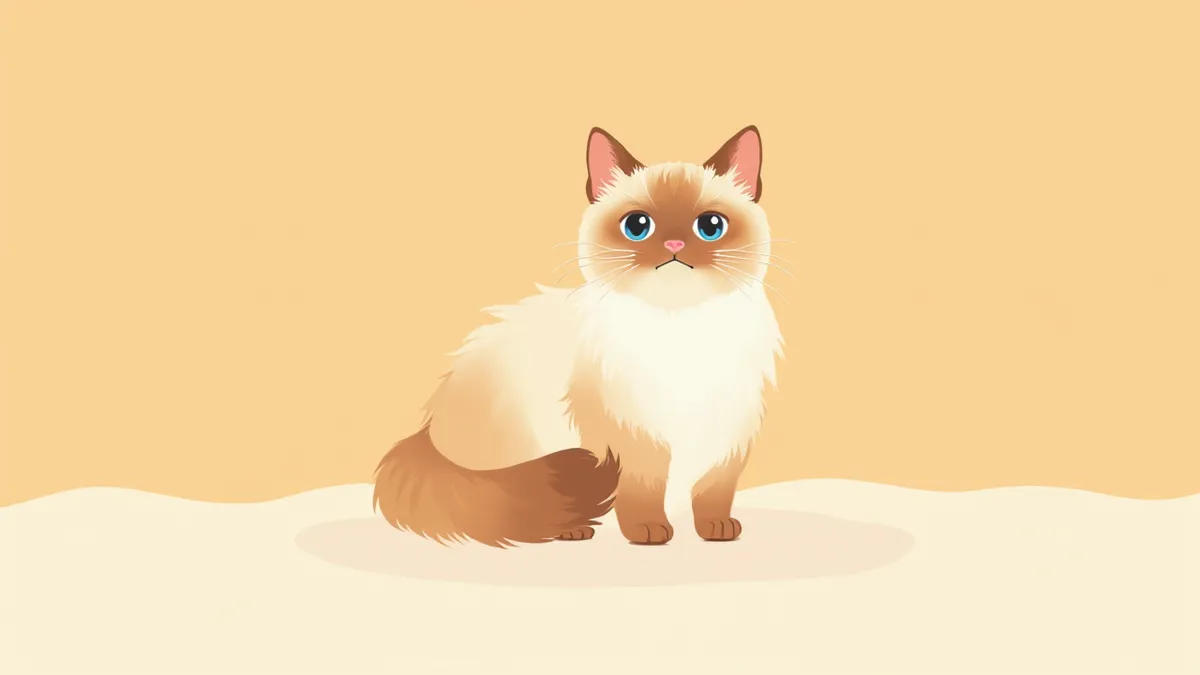
A seal-point Himalayan cat sitting on a fluffy blanket
Himalayans are a long-haired breed that combines the Persian’s luxurious coat with the Siamese’s color-point pattern. Daily brushing is essential. Their long hair and dense undercoat can begin to mat within a day if brushing is skipped, starting in the armpits and inner thighs. Additionally, their flat-faced (brachycephalic) structure makes them prone to tear staining and dirt around the mouth, so brushing, facial cleaning, and bathing should be integrated into a consistent daily routine.

3 Breed Characteristics You Must Know

Grooming Himalayans can be tricky due to the breed’s inherent characteristics.
Long double coat: Their long outer guard hairs and dense undercoat trap shed fur inside, making mats and tangles form easily.
Brachycephalic facial structure: Their short muzzles and curved tear ducts cause tears to overflow, leaving brown tear stains on the face.
Risk of Polycystic Kidney Disease (PKD): This is a hereditary condition common in Persian-type cats. Monitoring for changes in weight, appetite, or increased thirst and urination during grooming sessions can help with early detection.

Daily Brushing Routine

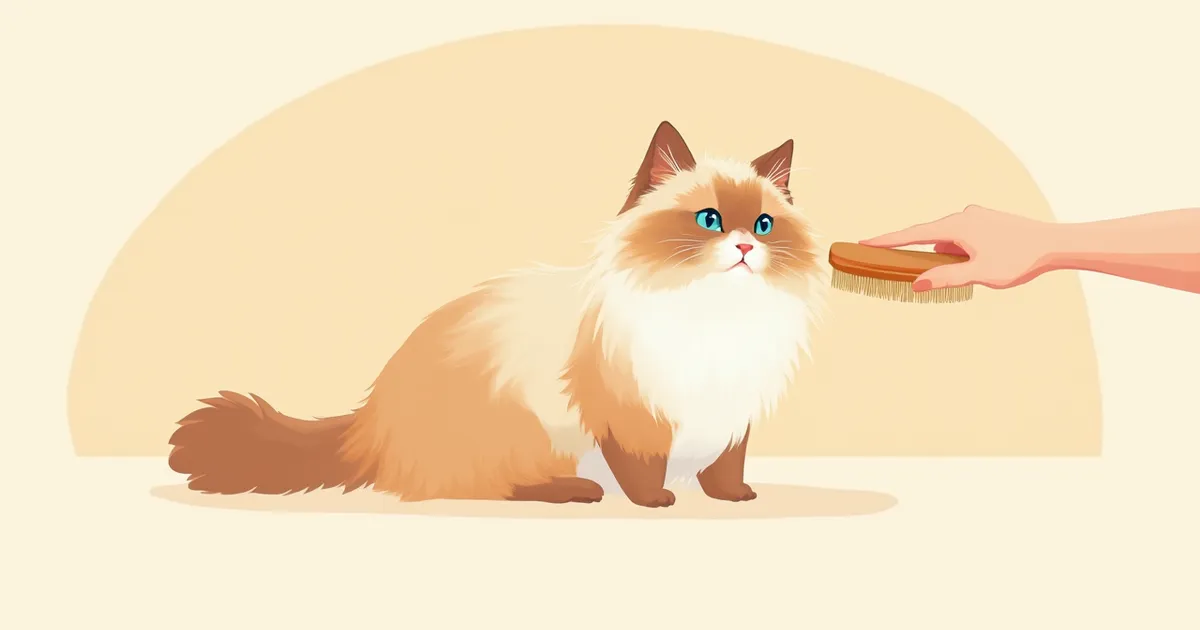
For Himalayans, brushing for 5 to 10 minutes once a day is essential. Skipping this routine allows tangles to harden into felt-like mats that are nearly impossible to remove, even with scissors.
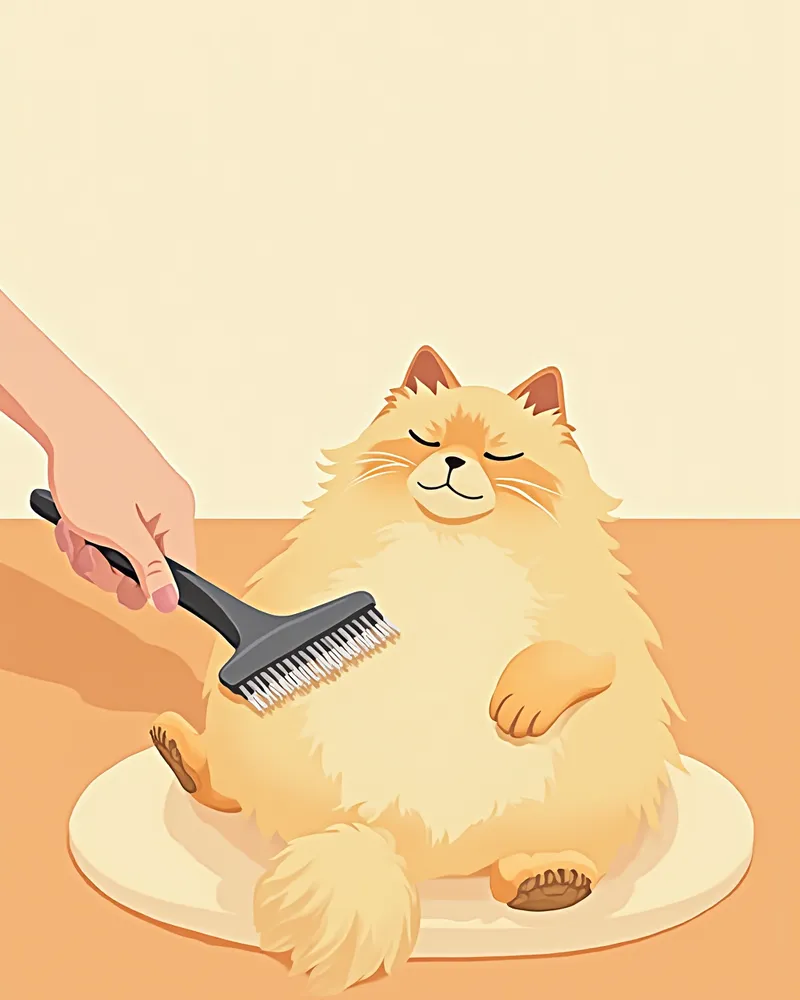
Step 1 — Slicker Brush: Gently brush in the direction of hair growth, starting with the back, then the sides, and finally the tail, to remove loose undercoat.
Step 2 — Metal Comb (Fine-toothed): Carefully run the comb through the armpits, inner hind legs, behind the ears, and under the neck to check for hidden tangles.
Step 3 — Finishing Brush: Gently groom the area around the face and the front of the chest using a soft mini comb.
A Himalayan cat being brushed on its chest fur with a metal comb.

Do Not Attempt to Remove These Mats at Home

If a mat is tightly adhered to the skin or has hardened to the size of a coin or larger, do not attempt to cut it with scissors. Mats that lie close to the skin can lead to accidental cuts to the skin itself when trimming. Additionally, if the skin beneath the mat appears red, bruised, or exuding fluid, there may be an underlying bacterial or fungal dermatitis; in such cases, seek veterinary dermatological care before visiting a grooming salon. Mats can conceal and worsen the condition of the skin underneath, so it is safer to have a veterinarian examine the skin directly and remove the mat professionally rather than attempting to force it out.

How Often Should You Bathe Your Himalayan?

Himalayans should be bathed about once every three to four weeks. Bathing too frequently can strip away natural oils, leading to dandruff and itching, while waiting too long can result in greasy fur on the back and significant soiling around the anus. Before bathing, it is essential to thoroughly brush out all tangles. If water gets into matted fur, the knots will tighten and become impossible to remove. Use a hypoallergenic shampoo formulated specifically for cats, and rinse for twice as long as usual to ensure no soap residue remains in the undercoat.

Grooming Tools at a Glance

ItemSlicker brushMetal combMat breaker
Main useRemoving shed undercoatDetecting mats · tidying the coatSplitting hardened mats
Frequency of useDailyDailyAs needed
Difficulty for beginnersEasyEasyMedium
CautionDon't press into the skinGentle on the armpitsKeep at least 1 cm away from the skin

You don't need to own every tool—just a slicker and metal comb are enough for daily care

Tear Stain and Facial Hygiene Care

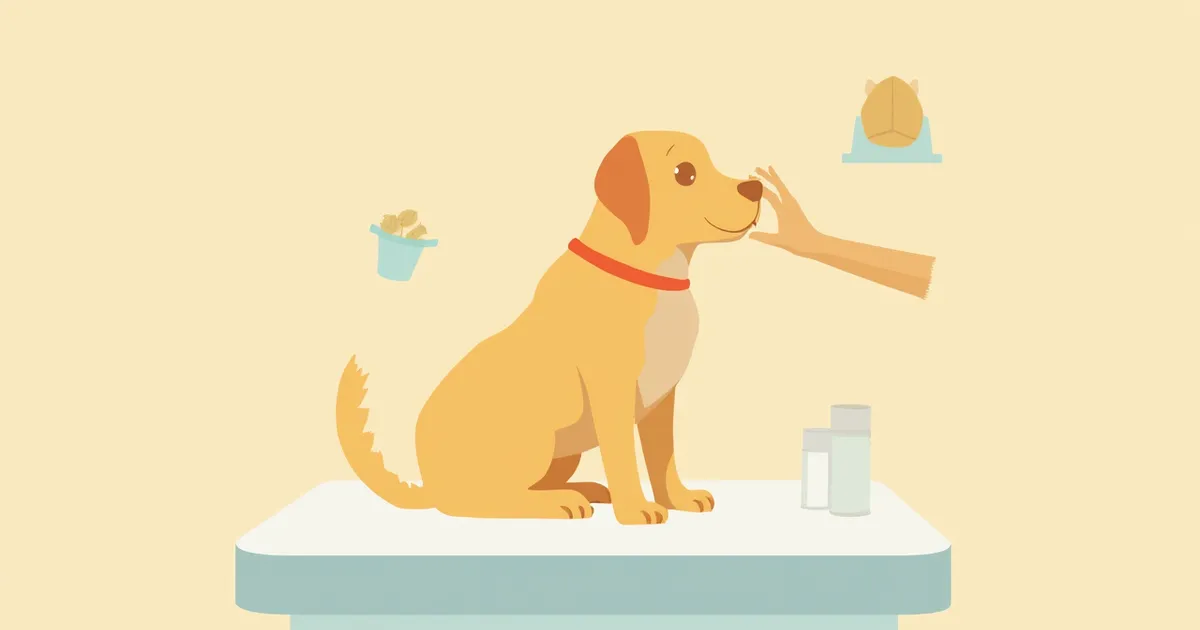
Due to their flat facial structure, tears tend to run down the sides of the nose, leaving brown tear stains. Gently wipe the area under the eyes in the direction of hair growth using gauze moistened with lukewarm water, once or twice daily. Avoid using alcohol, hydrogen peroxide, or human facial tissues, as these can irritate the skin. The chin and mouth area are also prone to acne (feline acne) and perioral dermatitis because they frequently come into contact with food and water, leading to sebum buildup. This condition is not solely caused by fungi, but rather results from a combination of sebum, bacteria, and contact irritation. Gently dabbing the area around the mouth with dry gauze after meals can help reduce stains and odor while minimizing skin irritation.
A close-up of a Himalayan cat having the area under its eyes gently wiped with gauze.

Key Points for Preventing Hairballs and Skin Issues

Long-haired cats are prone to frequent hairballs because the fur they swallow during grooming clumps together in their stomachs.
Regular brushing: Removing loose fur daily helps reduce the amount ingested.
Increase water intake: Providing a fountain-style water dispenser encourages drinking, which supports both hairball prevention and kidney health.
Shorter summer grooming: For cats prone to skin inflammation in the heat, consider a lion cut or summer cut.
Regular check-ups: Persian-type cats are recommended to undergo genetic testing for polycystic kidney disease (PKD) and an annual kidney ultrasound.

When to Visit the Vet

If you notice any of the following signs during grooming, the issue may be more than just cosmetic. Circular patches of hair loss, a sudden increase in dandruff, or your pet crying out and pulling away when touched could indicate fungal dermatitis, allergies, or pain. Additionally, if your pet suddenly stops grooming itself or drinks significantly more water and urinates more than usual, it could point to kidney issues, so a veterinary checkup is recommended.

Reviewed by a veterinarian

Dr. Tony — Punnawat Phongkittirak

Dr. Tony — Punnawat Phongkittirak

Veterinarian

A veterinarian who majored in veterinary medicine at Khon Kaen University, Thailand, and completed the IVSA program at North Carolina State University in the United States. Drawing on clinical experience at animal hospitals, he works in the pet healthcare field and is dedicated to building a digital care environment that connects pet parents with veterinarians.

Frequently Asked Questions

Should I start teaching my Himalayan cat to be brushed from kittenhood?
Yes, you should start getting your kitten used to brushing from 2 to 3 months of age, beginning with short sessions of 1 to 2 minutes. If you wait until the cat is fully grown, it may strongly resist, making grooming a major source of stress.
If there are too many tangles, is it safe to trim them at home with scissors?
I don’t recommend it. Himalayans have thin skin, making accidental cuts with scissors quite common. Instead, use a mat splitter to gently separate the tangles. If that doesn’t work, have a professional groomer safely remove them using electric clippers.
Is it okay to give my pet a short haircut in the summer?
That’s perfectly fine. However, shaving the coat too short can make your pet more susceptible to sunburn and cold air from air conditioning, so a summer cut that leaves about 1–2 cm of fur is generally a safe choice. For the first one to two months after grooming, avoid leaving your pet in direct sunlight for extended periods.
Is it safe to apply tear-stain remover products?
Tear-stain removers designed for humans or dogs can irritate a cat’s eyes. The safest and most effective approach is to gently wipe the area daily with lukewarm water and gauze.
Do Himalayan cats really need to be tested for polycystic kidney disease (PKD)?
This is recommended for Persian-type cats, which are prone to certain hereditary conditions. A single genetic test when the cat is young, followed by annual kidney ultrasounds once it reaches adulthood, can greatly aid in early detection.

Share

Related Guides

References

[1] Little SE, The Cat: Clinical Medicine and Management, 2nd Edition, Chapter 52 Genetics of Feline Diseases and Traits, 2025

[2] Schmeltzer LE, A Professional's Guide to Feline Behaviour: Understanding, Improving and Resolving Problems, Chapter 6, 2024

[3] Nelson RW & Couto CG, Clinical Medicine of the Dog and Cat, 4th Edition, Chapter 13 Urinary System, 2024

This information is based on veterinary literature and does not replace diagnosis or treatment. Please consult a veterinarian for specific health concerns.

Metapet Co., Ltd. | CEO: Park Sung-yong | Business Reg. No. 417-88-02562 | Seoul, South Korea | Customer Center

Himalayan Long-Hair Grooming: Prevent Tangles & Hairballs | Meongsiljang