Like
Share
멍실장
말티푸 유전질환 체크리스트 (부모 품종 유래)

Complete Guide to Maltipoo Genetic Conditions — Checklist for Diseases Inherited from Maltese and Poodles

ImmunityBreed HealthMeongsiljang Veterinary Advisory Board

Here’s a summary of the genetic conditions that Maltipoos, a crossbreed between Maltese and Poodles, are prone to inheriting from their parent breeds. I’ll walk you through the key health checks owners should be aware of, including patellar luxation, progressive retinal atrophy, and heart disease.

What Are Maltipoo Genetic Conditions?

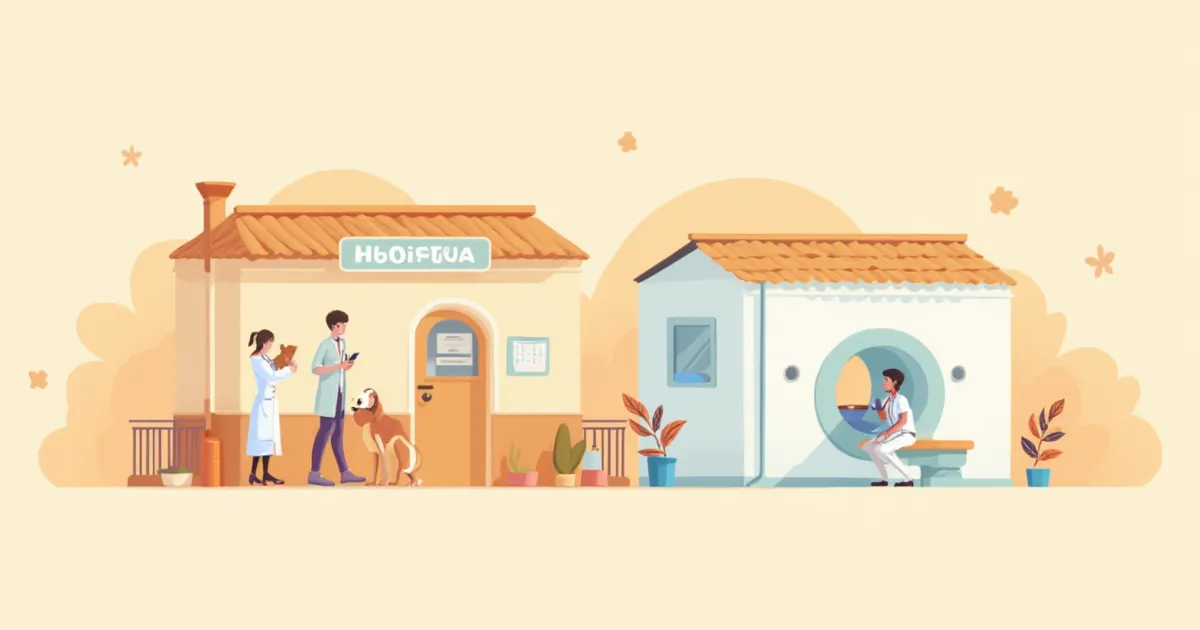
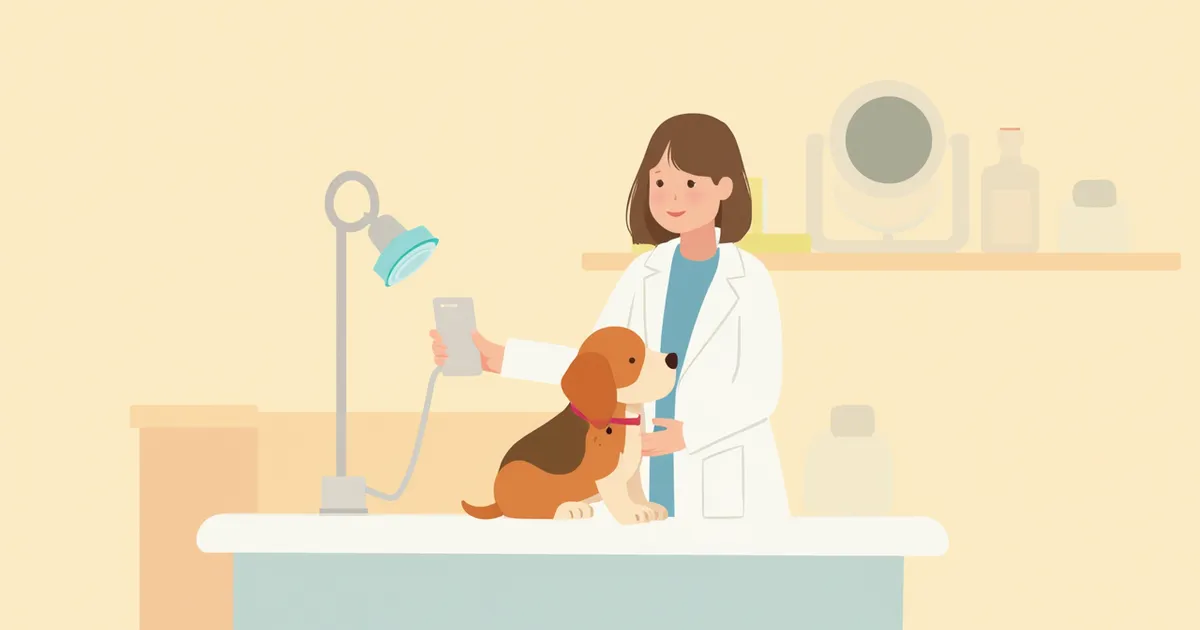
A Maltipoo receiving a veterinary checkup
Maltipoos are a small mixed-breed dog resulting from crossing a Maltese and a Poodle, meaning they can inherit genetic conditions from both parent breeds. The key is to monitor for health risks associated with both lineages. Patellar luxation, progressive retinal atrophy, and heart disease are primary concerns that require early screening before the dog reaches one year of age. Contrary to the common belief that mixed breeds are inherently healthier, any genetic condition prevalent in either parent breed can still manifest in the offspring.

Top 5 Genetic Conditions to Watch For

Here are five genetic conditions that Maltipoos are prone to inheriting from their parent breeds: - Patellar Luxation: An orthopedic condition where the kneecap slips out of its normal position; commonly seen in both parent breeds. - Progressive Retinal Atrophy (PRA): A hereditary eye disease characterized by the gradual degeneration of the optic nerve. - Mitral Valve Insufficiency: A heart disease common in older dogs, caused by the heart valve failing to close properly. - Portosystemic Shunt (PSS): A condition where blood bypasses the liver through an abnormal vascular pathway. - Cataracts: An eye condition where the lens becomes cloudy, leading to impaired vision.

Comparison of Genetic Conditions by Parent Breed

ItemMaltesePoodle
Patellar LuxationHigh frequencyHigh frequency
Progressive Retinal AtrophyReportedHigh frequency
Mitral Valve InsufficiencyVery high frequencyReported
Portosystemic ShuntHigh frequencyReported
CataractReportedHigh frequency
Tracheal CollapseHigh frequencyReported

Summary of predisposition tendencies commonly reported in parent breeds (exact frequency by breed must be confirmed through examination)

Patellar Luxation and Joint Disease Check
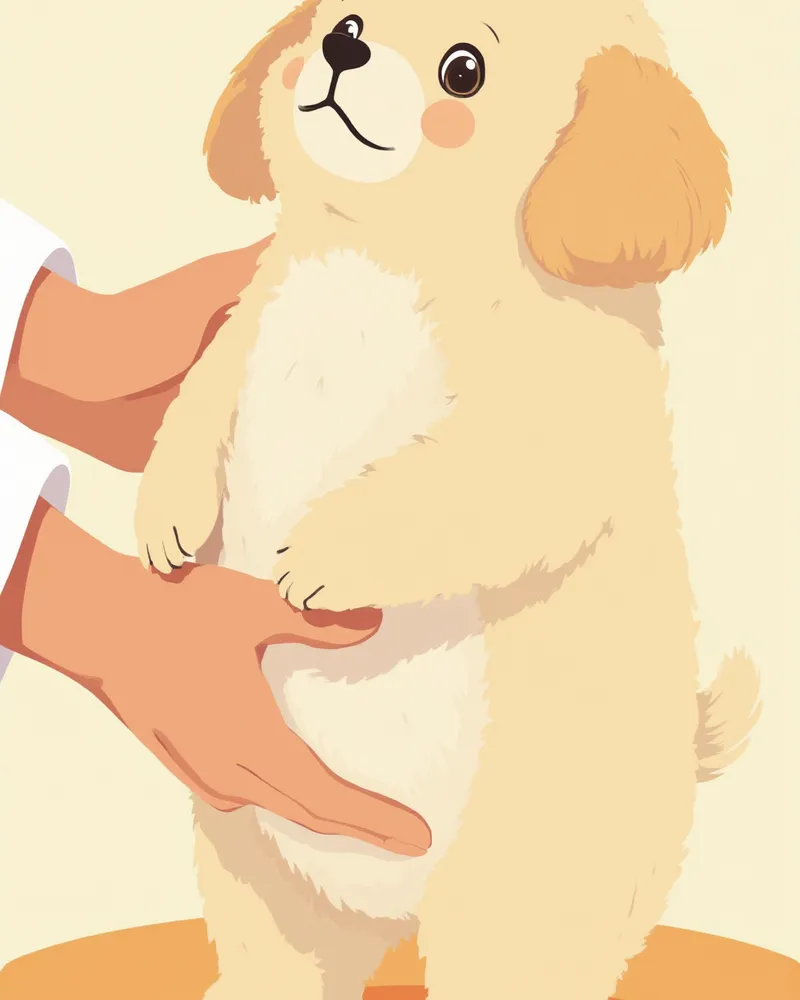
Patellar luxation is the most commonly reported orthopedic condition in Maltipoos. According to veterinary orthopedic textbooks, it results from developmental abnormalities—either individually or in combination—such as femoral bowing, underdevelopment of the trochlear groove, medial displacement of the tibial tuberosity, and abnormalities of the surrounding soft tissues. - Suddenly lifting a leg and hopping: This is a sign of temporary luxation. Usually, the leg returns to normal after a few bends and extensions, without significant pain. - Sitting with one leg splayed to the side - Intermittent, recurring limping: Patellar luxation itself often causes little pain when touched or during walking. However, if pain is pronounced, it’s important to check for other joint issues, such as cruciate ligament injury. If symptoms recur, please also review our Patellar Luxation Surgery Guide.
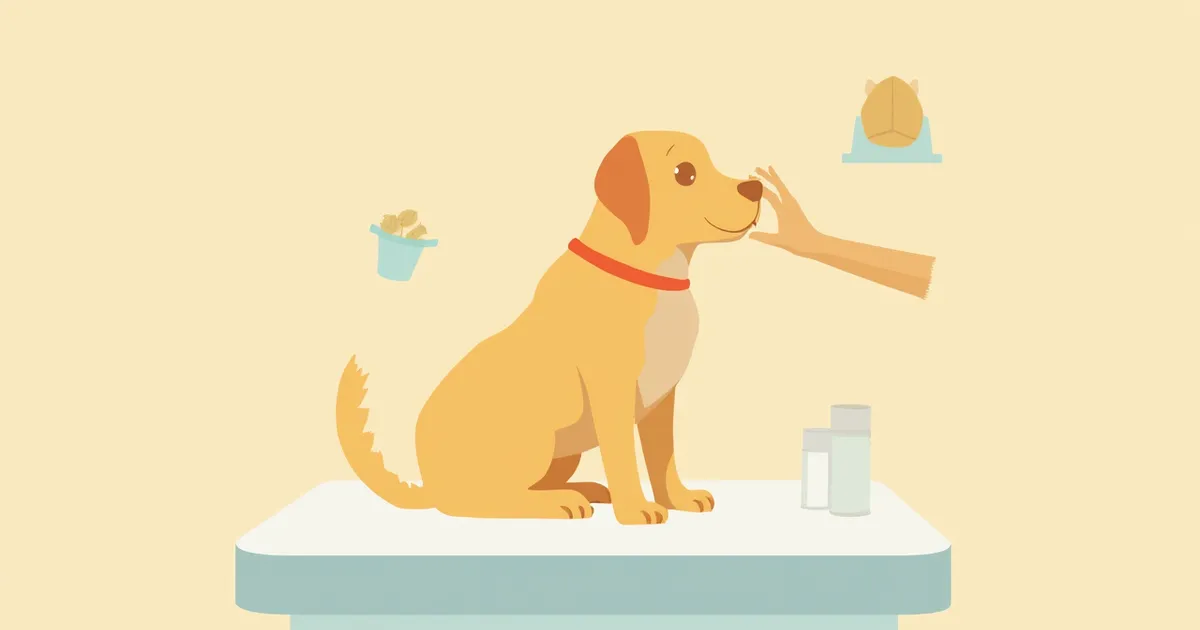
A veterinarian examining a Maltipoo’s patella

Signs That Require Immediate Veterinary Attention

If you notice any of the following signs, your pet needs to see a veterinarian within 24 hours: difficulty breathing, sudden fainting or collapse, seizures or convulsions, bluish-gray gums, yellow mucous membranes (jaundice), or an inability to bear weight on a leg that persists for more than 24 hours. In particular, lethargy or stumbling after eating may indicate a portosystemic shunt.

Heart and Liver Disease Check

Mitral valve insufficiency and portosystemic shunts, which are commonly seen in Maltese dogs, also warrant close attention in Maltipoos. Heart valve disease typically progresses gradually in older dogs, often remaining asymptomatic in its early stages and first detected through a heart murmur. Therefore, regular auscultation is important even if no symptoms are present. - Dry cough recurring at dawn or night: An early sign of heart disease - Unusually slow recovery after exercise - Lethargic expression or stumbling after meals: Suspected portosystemic shunt - Hypoglycemic seizures (especially in young dogs)
A Maltipoo having its heart listened to with a stethoscope

Ophthalmic Disease Check (PRA and Cataracts)

Among the hereditary conditions affecting Poodles, Progressive Retinal Atrophy (PRA) and cataracts are the most critical to monitor. According to veterinary ophthalmology textbooks, PRA is a genetic disorder in which the photoreceptor cells (visual cells) of the retina gradually lose function and die, rather than affecting the optic nerve. It typically progresses in both eyes simultaneously. The condition often begins with reduced night vision, eventually leading to loss of daytime vision and potentially total blindness. - Frequently bumping into furniture in dim light: An early sign of night blindness - Eyes appearing bluish: Possible retinal changes (increased tapetum lucidum reflection) - Cloudy appearance of the lens: Early-stage cataracts - Rubbing eyes or frequent blinking Genetic testing can identify carriers before symptoms appear, allowing for early detection.

Key Points for Health Management

Here are the routine check-ups and daily care essentials for Maltipoo owners. - Annual patellar palpation exam: Start at 1 year of age - Annual cardiac auscultation and echocardiogram: Begin yearly screenings at 6 years of age - Ophthalmic exam every 2–3 years: Can be performed from a young age - Fasting blood tests: Screen for portosystemic shunt during puppyhood - Weight management: Obesity increases strain on both the patella and heart - Limit jumping and stairs: Protects the joints - High-quality protein diet: Choose a diet that reduces liver burden
A Maltipoo being cared for by its owner

Essential Checks Before and After Adoption

Before and after adopting a Maltipoo, there are key health checks you should prioritize. Request the breeder or rescue to provide the parents’ patellar luxation grading, cardiac screening results, and ophthalmologic examination records. After bringing your puppy home, schedule an initial orthopedic evaluation within the first six months of life, and around one year of age, perform a baseline blood test to establish reference values for liver function, which will serve as a useful comparison point for future assessments.

Reviewed by a veterinarian

Dr. Tony — Punnawat Phongkittirak

Dr. Tony — Punnawat Phongkittirak

Veterinarian

A veterinarian who majored in veterinary medicine at Khon Kaen University, Thailand, and completed the IVSA program at North Carolina State University in the United States. Drawing on clinical experience at animal hospitals, he works in the pet healthcare field and is dedicated to building a digital care environment that connects pet parents with veterinarians.

Frequently Asked Questions

Are Maltipoos healthier than their parent breeds because they are mixed-breed dogs?
Not necessarily. While the “hybrid vigor” effect exists to some extent, patellar luxation and heart disease—both common in the parent breeds—are still highly likely to occur in Maltipoos.
When is the best time to get a genetic test?
Genetic eye conditions like PRA can be screened for carrier status after a puppy is six months old. Requesting the parents’ test results when acquiring a puppy is also a good practice.
At what age should heart disease screening begin?
Heart valve disease often shows no symptoms in its early stages, so we recommend regular heart auscultation and echocardiography as pets enter their senior years. If a heart murmur is detected, follow-up examinations may be needed at an earlier stage, so please consult with your veterinarian to establish a monitoring schedule.
Is surgery always necessary for patellar luxation?
Not necessarily. In some cases, conservative management alone is sufficient, depending on the grade (stages 1–4). Your veterinarian will determine the appropriate approach based on the grade and severity of pain.
Are genetic conditions covered when I purchase pet insurance?
Coverage varies by insurer and plan. Before signing up, be sure to check the policy details to confirm whether common conditions such as patellar luxation and heart disease are covered, and to review the waiting period.

Share

Related Guides

References

[1] Piermattei DL, Flo GL, DeCamp CE, Brinker, Piermattei, and Flo's Handbook of Small Animal Orthopedics and Fracture Repair, 5th Ed

[2] Ettinger SJ, Feldman EC, Cote E, Textbook of Veterinary Internal Medicine, 8th Ed

[3] Gelatt KN, Veterinary Ophthalmology, 6th Ed

[4] Tilley LP, Smith FWK, Blackwell's Five-Minute Veterinary Consult: Canine and Feline, 7th Ed

This information is based on veterinary literature and does not replace diagnosis or treatment. Please consult a veterinarian for specific health concerns.

Metapet Co., Ltd. | CEO: Park Sung-yong | Business Reg. No. 417-88-02562 | Seoul, South Korea | Customer Center

Maltipoo Genetic Conditions: Maltese & Poodle Checklist | Meongsiljang