Like
Share
멍실장
프렌치 불독 BOAS 수술과 케어 가이드

French Bulldog BOAS — A Complete Guide from Diagnosis and Surgical Timing to Daily Care

RespiratoryBreed HealthMeongsiljang Veterinary Advisory Board

Here’s a comprehensive guide for French Bulldog owners on Brachycephalic Obstructive Airway Syndrome (BOAS), including symptoms, surgical options, and lifelong care tips.

French Bulldog BOAS: What Breed Traits Are Involved?
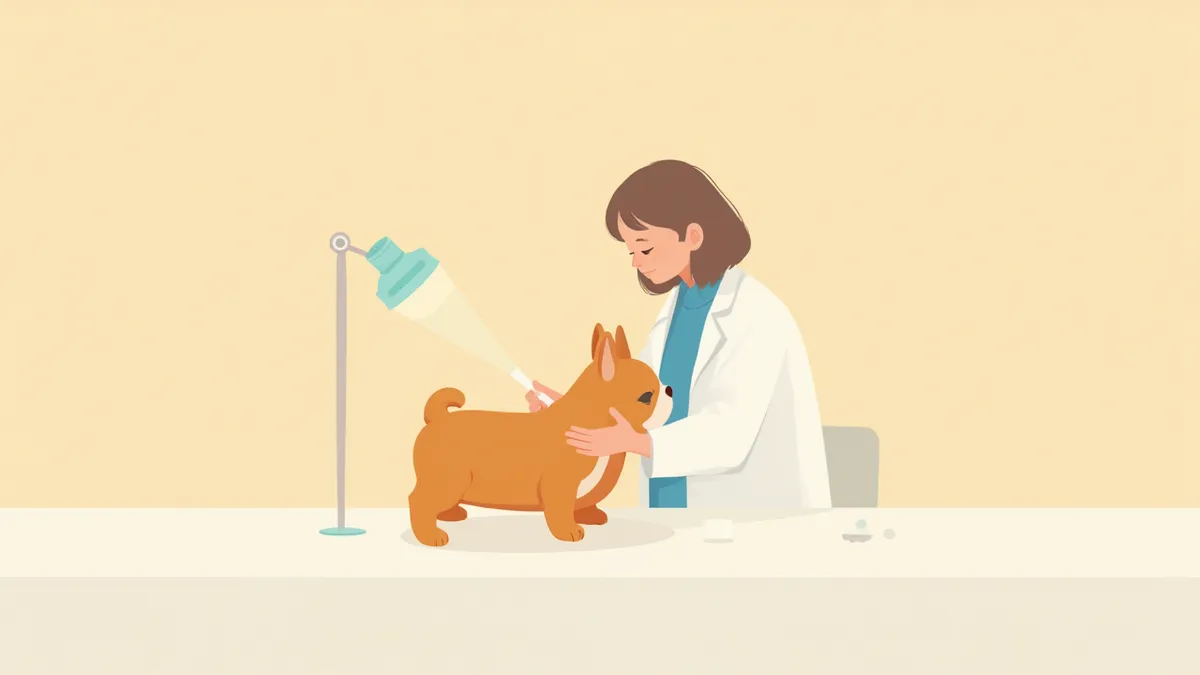
A French Bulldog undergoing a veterinary check-up
French Bulldogs are a prime example of a breed that requires lifelong vigilance for Brachycephalic Obstructive Airway Syndrome (BOAS) due to their short-muzzled anatomy. Early assessment is truly the most critical step. If you notice signs such as snoring, panting after exercise, or bluish discoloration of the gums or tongue, it is best to have your dog evaluated by a veterinarian regularly from a young age. Textbooks explain that because the soft tissues surrounding the airway do not shrink proportionally with the shortened skull, they can collapse inward, increasing respiratory resistance. Therefore, the key is to seek prompt evaluation if symptoms appear and consult with your veterinarian about potential corrective measures to manage respiratory strain throughout your dog’s life.

Top 4 Common Respiratory and Related Conditions in French Bulldogs

French Bulldogs are prone to respiratory issues more often than other breeds due to their brachycephalic skull structure and excess soft tissue. Veterinary textbooks note that structural abnormalities of the upper airway are particularly common in brachycephalic breeds. Here are the key conditions owners should monitor throughout their dog’s life: - Brachycephalic Obstructive Airway Syndrome (BOAS): A combination of structural problems such as narrowed nostrils, elongated soft palate, everted laryngeal saccules, and laryngeal collapse that collectively obstruct breathing. - Elongated soft palate: The soft palate at the back of the roof of the mouth is too long, blocking the airway entrance and causing abnormal breathing sounds like stertor (snoring). - Eye exposure due to shallow orbits: The short skull and shallow eye sockets cause the eyes to protrude (“bulging eyes”), making the eye surface vulnerable to injury from even minor irritants. - Exercise intolerance and overheating: Narrowed airways make it easy for dogs to become short of breath during exercise, and the risk of respiratory strain and overheating increases further with excess weight or excitement.

The Core Structure of BOAS — Why Is Breathing Difficult?
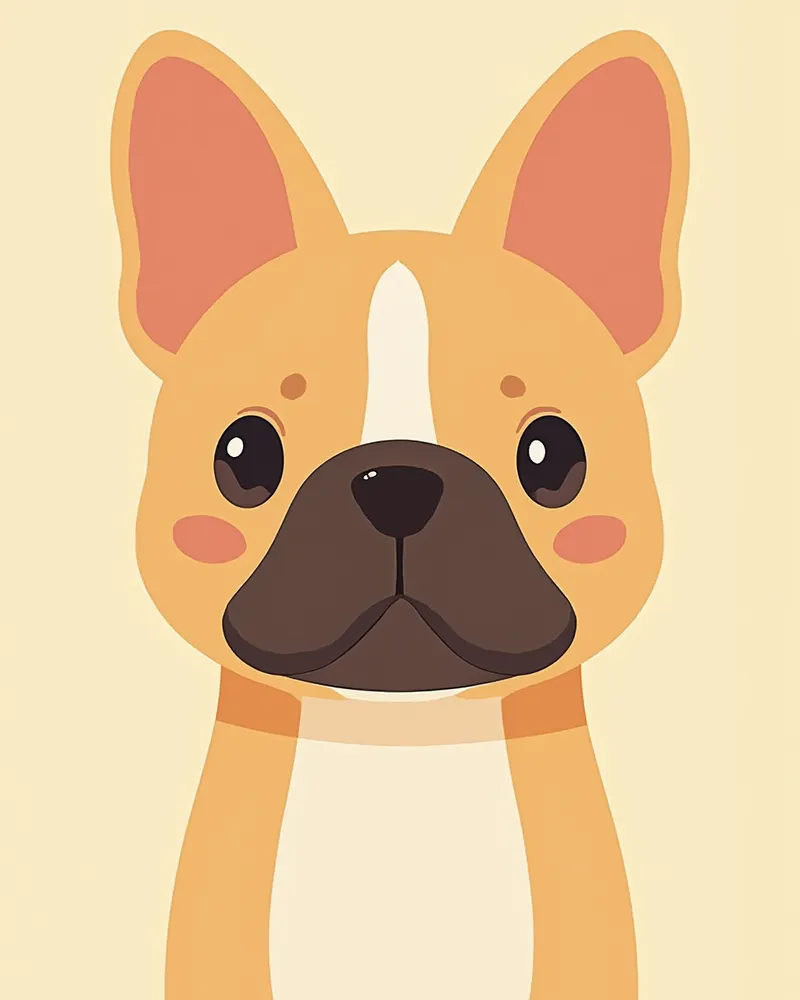
French Bulldogs have short skulls, but the soft tissues inside—such as the soft palate, tongue, and laryngeal mucosa—do not shrink proportionally. As a result, these tissues become crowded in the limited space, narrowing the airway entrance. This increases airway resistance with every breath, forcing the dog to work harder to breathe. Veterinary textbooks explain that when excess tissue protrudes into the airway lumen, it significantly increases resistance to airflow, requiring the patient to exert more effort to breathe. Additionally, since laryngeal collapse in brachycephalic breeds is typically diagnosed in older dogs, it is crucial to evaluate them early to prevent prolonged respiratory strain.
The short snout and narrow nostrils of French Bulldogs

Suspect BOAS If You Notice These Signs

French Bulldogs naturally tend to have louder breathing sounds, but if you notice any of the following signs recurring, it’s no longer just a breed trait—it may be time to consider a BOAS diagnosis. - Severe snoring during sleep: Breathing may pause or be accompanied by gasping while they sleep. - Cyanosis after exercise: If their gums or tongue turn bluish, it’s a sign of oxygen deficiency. - Frequent reverse sneezing: If this happens multiple times a day and lasts for a while, it indicates significant airway irritation. - Gagging when eating or drinking: This could suggest impaired laryngeal function. - Fainting after heat or stress: This is the most dangerous sign and requires immediate veterinary evaluation.

Emergency — Situations Requiring Immediate Veterinary Attention

If your dog’s tongue or gums turn blue, they pant heavily with their mouth wide open without stopping, or they become disoriented, it’s a medical emergency for brachycephalic breeds. This often happens after walks on hot days or following excitement. Move your dog to a cool place, dampen their paws and belly with lukewarm water, and head to an emergency vet clinic immediately. Avoid pouring ice-cold water directly on them, as it can cause blood vessels to constrict.

BOAS Diagnosis and Surgical Methods — What Corrections Are Performed?

BOAS surgery isn't a single procedure; it's a comprehensive approach that corrects multiple obstructive areas simultaneously. Since textbooks generally report that laryngeal collapse is diagnosed in older brachycephalic breeds, it's best to consult with your veterinarian to evaluate the condition and determine the optimal timing for correction if symptoms are clear. - Nasal stenosis correction (stenotic nares surgery): Widens narrowed nostrils to increase the amount of air entering through the nose. - Staphylectomy: Trims an elongated soft palate to an appropriate length, securing the airway entrance. - Laryngeal saccule removal: Removes everted laryngeal saccules to create space at the laryngeal entrance. - Tonsil assessment (if needed): Evaluates and treats enlarged tonsils if they are compressing the airway.
A French Bulldog recovering after surgery

Comparison of Prognosis by Surgical Timing

Item1–2 years (Early)3–5 years (Middle)6 years and older (Late)
Concurrent Laryngeal CollapseRelatively rarePossibleMore common in older dogs
Cumulative Airway BurdenRelatively lowModerateMay increase over time
Consultation on Correction TimingEarly consultation with veterinarian recommendedDetermined after condition assessmentDetailed evaluation needed
Recommended ManagementEarly assessment/weight managementRegular respiratory evaluationClose monitoring

Based on textbook reports that laryngeal collapse in brachycephalic breeds is generally diagnosed in older individuals — detailed prognosis such as recovery speed and reoperation requires veterinary judgment based on the individual's condition

Post-Surgical Recovery and Lifelong Care Points

BOAS surgery improves the respiratory structure, but it doesn’t eliminate the brachycephalic traits inherent to French Bulldogs. Lifelong care is essential to maintain the benefits. - Weight management: Excess weight increases fat around the airway, which can worsen breathing difficulties. - Use a harness: Opt for a chest harness instead of a collar to avoid putting pressure on the airway. - Temperature and humidity control: Avoid walks when temperatures exceed 25°C and ensure good indoor ventilation. - Manage excitement calmly: Allow your dog to rest until their breathing stabilizes after excessive barking or play. - Regular respiratory check-ups: It’s recommended to have the larynx and airways evaluated once or twice a year.

Environments Particularly Dangerous for French Bulldogs

High temperatures in airplane cargo holds and inside vehicles, as well as prolonged walks, can be fatal for French Bulldogs. Some airlines completely prohibit brachycephalic breeds from traveling in the cargo hold. In summer, the temperature inside a car can exceed 40°C in just 10 minutes, so even brief outings should be avoided. Respiratory emergencies can progress rapidly, making the assumption that "it'll be fine for just a moment" the most dangerous mindset.

Reviewed by a veterinarian

Dr. Tony — Punnawat Phongkittirak

Dr. Tony — Punnawat Phongkittirak

Veterinarian

A veterinarian who majored in veterinary medicine at Khon Kaen University, Thailand, and completed the IVSA program at North Carolina State University in the United States. Drawing on clinical experience at animal hospitals, he works in the pet healthcare field and is dedicated to building a digital care environment that connects pet parents with veterinarians.

Frequently Asked Questions

At what age is it best to have BOAS surgery?
Textbooks generally report that laryngeal collapse in brachycephalic breeds is diagnosed mostly in older dogs. Therefore, if your dog snores or pants heavily, we recommend starting consultations with a veterinarian from an early age to assess and determine the appropriate timing for correction before progressive changes like laryngeal collapse develop.
Will snoring completely disappear after surgery?
Surgical correction of the nostrils and soft palate significantly improves breathing comfort. However, since the underlying brachycephalic anatomy remains unchanged, mild snoring may persist. In most cases, severe respiratory distress and cyanosis are substantially alleviated.
How much does the surgery cost?
Costs vary widely depending on the hospital and specific procedures, so it’s difficult to provide an exact figure. Since nasal surgery is often combined with soft palate resection and laryngeal sacculectomy, be sure to confirm which areas will be corrected during your consultation.
Can it be managed with medication alone, without surgery?
In mild cases, symptoms can be managed through weight control, environmental adjustments, and anti-inflammatory treatment, but structural issues cannot be resolved with medication alone. If your pet has ever experienced cyanosis or collapse, a surgical evaluation is necessary.
Should French Bulldogs avoid exercise?
Rather than avoiding walks altogether, it’s better to take your pet on short, frequent strolls during cooler parts of the day—early morning or evening—on flat ground. Since excitement and overheating can strain breathing, stop immediately if you notice heavy panting and let your pet rest in the shade.

Share

Related Guides

References

[1] Englar, R.E., The Veterinary Workbook of Small Animal Clinical Cases, Case 41 (Brachycephalic Airway Syndrome in French Bulldogs)

[2] Schaer, M. & Gaschen, F., Clinical Medicine of the Dog and Cat, 4th Edition

[3] Ettinger, S.J. et al., Textbook of Veterinary Internal Medicine, 8th Edition (Upper Airway Disorders)

This information is based on veterinary literature and does not replace diagnosis or treatment. Please consult a veterinarian for specific health concerns.

Metapet Co., Ltd. | CEO: Park Sung-yong | Business Reg. No. 417-88-02562 | Seoul, South Korea | Customer Center

French Bulldog BOAS: Diagnosis, Surgery & Daily Care | Meongsiljang