
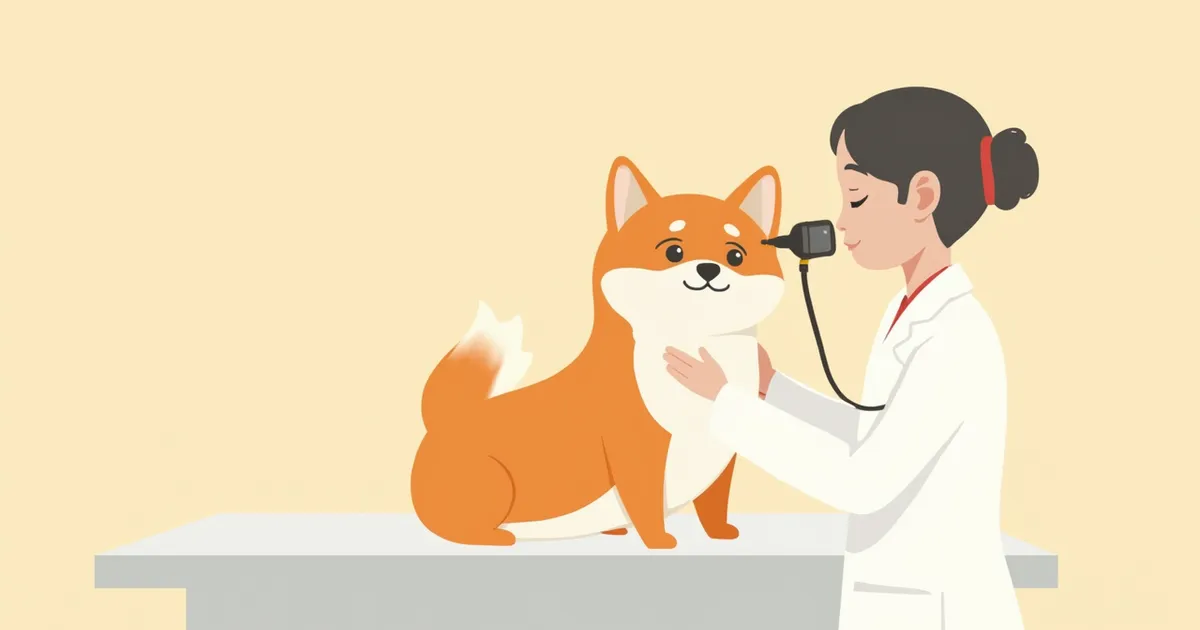
Shiba Inu Regular Checkup Schedule
Shiba Inus are prone to atopic dermatitis, patellar luxation, and glaucoma, making age-specific veterinary checkups essential. We’ve outlined the key exams and recommended intervals for puppies, adult dogs, and seniors.
What is a Shiba Inu Regular Checkup?
Why Shiba Inus Need More Attention to Checkups
Age-Specific Shiba Inu Checkup Schedule
| Item | Puppy stage (0–12 months) | Adult stage (1–7 years) | Senior stage (8 years+) |
|---|---|---|---|
| Basic physical exam | Once a month | Once a year | Twice a year |
| Blood test | Once (before vaccination) | Once a year | Twice a year |
| Skin & allergy check | When symptoms appear | 1–2 times a year | Twice a year |
| Patella & joint exam | At 6 and 12 months | Once a year | 1–2 times a year |
| Ophthalmic exam | At 12 months | Once every 2 years | Once a year |
| Detailed heart, kidney & liver exam | Not recommended | Once a year from age 5 | 1–2 times a year |
This is a general veterinarian-recommended guideline and may be adjusted depending on your dog's condition.
Essential Checkups for Puppies (0–12 Months)
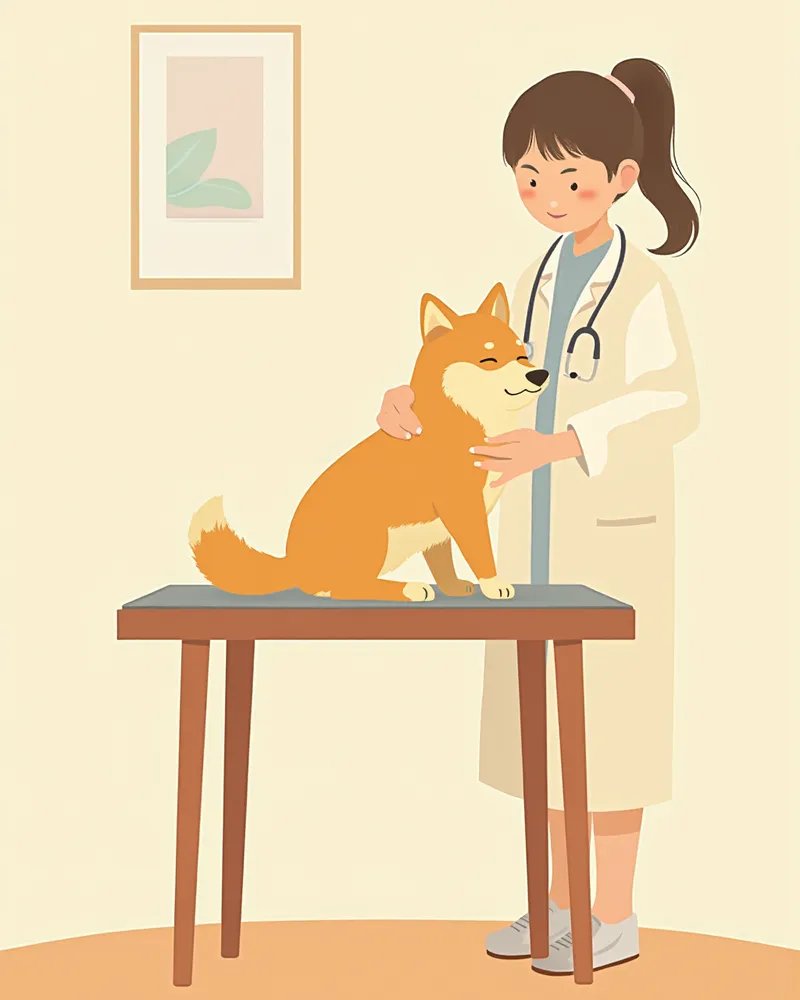
Advance Your Checkup Schedule If You Notice These Symptoms
Even between scheduled check-ups, don’t wait for the next appointment if you notice any of these warning signs—seek veterinary care immediately. These include frequently lifting a paw or hopping on three legs (suggesting knee or joint issues), repeatedly licking or scratching the paws, ears, or abdomen (indicating possible skin allergies), or red, bloodshot eyes with excessive tearing (signs of an eye condition). All of these can be early indicators of relatively common problems in dogs, so never dismiss them as minor. Keeping notes on changes in gait, activity level, appetite, and water intake will also help your veterinarian during the exam.
Regular Checkup Points for Adult Dogs (1–7 Years)
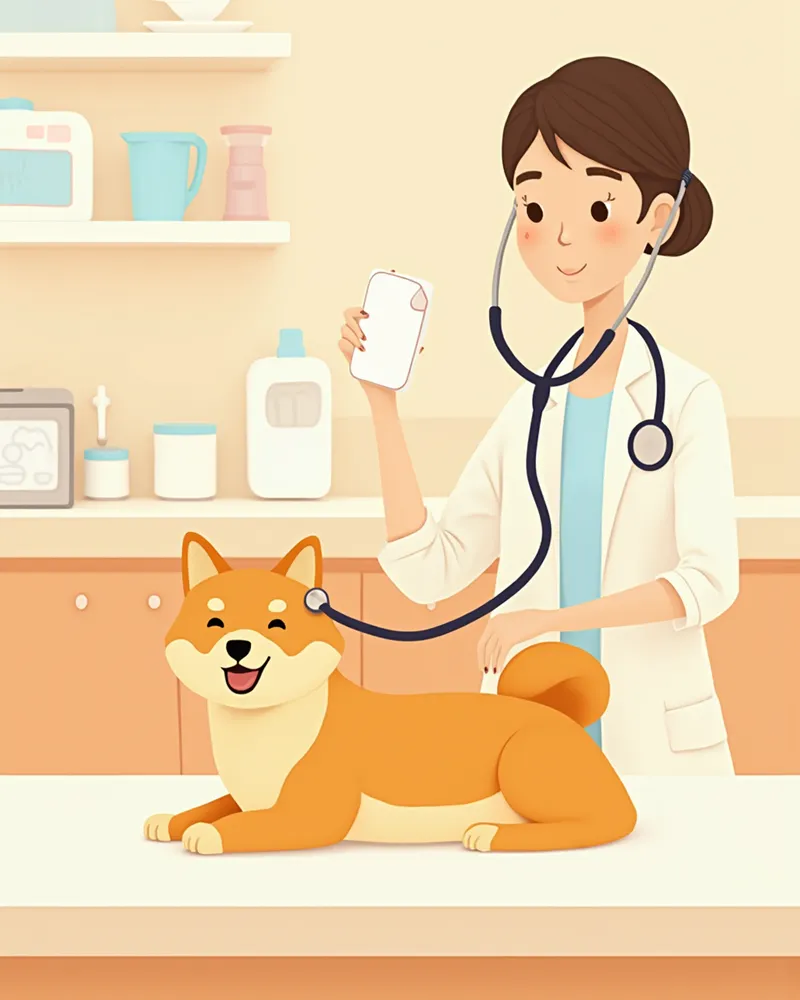
Enhanced Checkup Items for Senior Dogs (8+ Years)
Items to Specifically Request During Shiba Inu Checkups
Although not included in the standard checkup package, there are specific tests that are essential for Shiba Inus. When visiting the ophthalmologist, specifically request an intraocular pressure measurement, as this is crucial for the early detection of glaucoma. During orthopedic exams, have your dog’s patellar luxation graded on a scale of 1 to 4 so you can monitor the progression of the condition. For skin health, consider having an IgE allergy test performed around age 5 or 6 to identify potential allergens in advance.
How to Reduce the Burden of Checkup Costs
Reviewed by a veterinarian

Dr. Tony — Punnawat Phongkittirak
VeterinarianA veterinarian who majored in veterinary medicine at Khon Kaen University, Thailand, and completed the IVSA program at North Carolina State University in the United States. Drawing on clinical experience at animal hospitals, he works in the pet healthcare field and is dedicated to building a digital care environment that connects pet parents with veterinarians.
Reviewed 2026-04-30
Frequently Asked Questions
At what age should Shiba Inus start receiving annual comprehensive health check-ups?
What is the most common genetic disease in Shiba Inus?
Do eye exams really need to be done every year?
Is there anything pet owners should prepare before the check-up?
Even if the checkup results are normal, should I have another one next year?
Share
Related Guides

Primary vs. Secondary Veterinary Hospitals: A Comparison

5 Easy-to-Raise Cat Breeds for First-Time Owners — Grooming Difficulty Comparison

Top 7 Short-Legged Dog Breeds

7-Point Checklist for Bengal Cat Genetic Diseases — Complete Guide to Lifelong Care
Bengal Short-Hair and Rosette Grooming — From Shine Maintenance to Skin Health

Everything You Need to Know About Bengal Cat Health — Breed Characteristics, Nutrition, and Disease Management

Munchkin Regular Check-up Schedule — Age-Specific Checklist and Management of Common Diseases by Life Stage

Sphynx Regular Check-ups: Age-Specific Checklists and Management of Age-Related Common Diseases

Sphynx Genetic Conditions Checklist

Abyssinian Health Care Calendar — Age-Specific Checkups and Management of Common Diseases by Life Stage
References
[1] BSAVA Manual of Canine and Feline Dermatology, 4th Edition
[2] Ettinger's Textbook of Veterinary Internal Medicine, 8th Edition
[3] Slatter's Fundamentals of Veterinary Ophthalmology, 6th Edition