Like
Share
멍실장
고양이 귀 청소 방법 증상과 원인, 진단·치료와 관리 포인트 총정리

Cat Ear Cleaning: Symptoms, Causes, Diagnosis, Treatment, and Management Essentials

Lifestyle & Age CareDiseasesMeongsiljang Veterinary Advisory Board

Cleaning your cat’s ears is key to preventing ear diseases. Knowing the proper technique and precautions can help reduce the risk of infection.

Cat Ear Cleaning: The Foundation of Ear Health

A veterinarian cleaning a cat's ears
Cleaning your cat’s ears is a key preventive measure that removes accumulated earwax (cerumen) and debris, reducing the risk of secondary infections. When earwax builds up excessively, it creates an ideal environment for bacteria and yeast to thrive. - Excessive earwax production: Overproduction of earwax inside the ear can lead to a buildup of brown, wax-like debris, potentially causing inflammation. - Parasitic infections: Infestations with ear mites (Otodectes) or other external parasites often result in frequent scratching, increased dark-colored earwax, and an unpleasant odor. - Recurrent inflammation: Frequent ear inflammation can worsen if left untreated without proper cleaning. - Risk of hearing damage: Rough or improper cleaning techniques can damage the eardrum or cause injury. Establishing a regular and correct cleaning routine is essential.

Main Causes Requiring Ear Cleaning

Cleaning your cat’s ears is necessary for several reasons. - Increased earwax production: When excessive earwax builds up inside the ear canal, it can accumulate as brown, wax-like debris, increasing the risk of infection. - Parasitic infections: The most common cause of feline otitis externa is infection with ear mites (Otodectes cynotis), which account for nearly half of cases in kittens. Infected cats often scratch frequently and may develop dark-colored earwax with an unpleasant odor. - Allergic reactions: Environmental allergies (atopy) or food-responsive skin diseases can lead to recurrent ear inflammation. - Recurrence of inflammation: Cats with a history of ear inflammation are at higher risk of recurrence and require ongoing management. - Entry of foreign material: Excessive hair or dust entering the ear canal may necessitate cleaning. Regular maintenance can help prevent such issues.
A cat’s ear with accumulated debris

Checklist of Main Symptoms Requiring Ear Cleaning

It’s important to recognize early signs that your cat needs an ear cleaning. If you notice any of the following symptoms, consider cleaning the ears or seeking veterinary care right away.
Ear odor: A distinct, unpleasant smell often indicates a possible infection.
Frequent scratching: Your cat scratches its ears multiple times a day or shakes its head, showing signs of discomfort.
Discharge: Dark brown, black, or creamy yellow earwax-like discharge accumulates in the ears.
Swelling and pain: The area around the ears may be tender to touch, with the ear canal appearing red and narrowed.
Sensitivity: Your cat may avoid having its ears touched or show increased attention to the ear area.
A cat scratching its ears

Emergency Signs Requiring Immediate Veterinary Visit

If your cat’s ears are severely painful, bleeding, swollen, or discharging white or green pus, seek veterinary care immediately. These symptoms may indicate a serious ear infection or a ruptured eardrum. Never attempt to clean the ears at home; instead, have your cat examined by a veterinarian.

Accurate Diagnostic Methods for Ear Cleaning
Always have your veterinarian examine your cat before cleaning its ears. - Otoscopic examination: Directly inspect the eardrum to check for any damage. - Discharge analysis: Collect pus or discharge to determine whether there is a bacterial or mite infection. - Inflammation assessment: Evaluate swelling and pain inside the ear to develop an appropriate treatment plan. - Contraindication for cleaning: If the eardrum is damaged or inflammation is severe, do not clean the ears. - Professional guidance required: Cleaning without a diagnosis can worsen the condition, so never attempt it on your own.
A veterinarian examining a cat's ear with an otoscope

Step-by-Step Ear Cleaning Treatment Methods
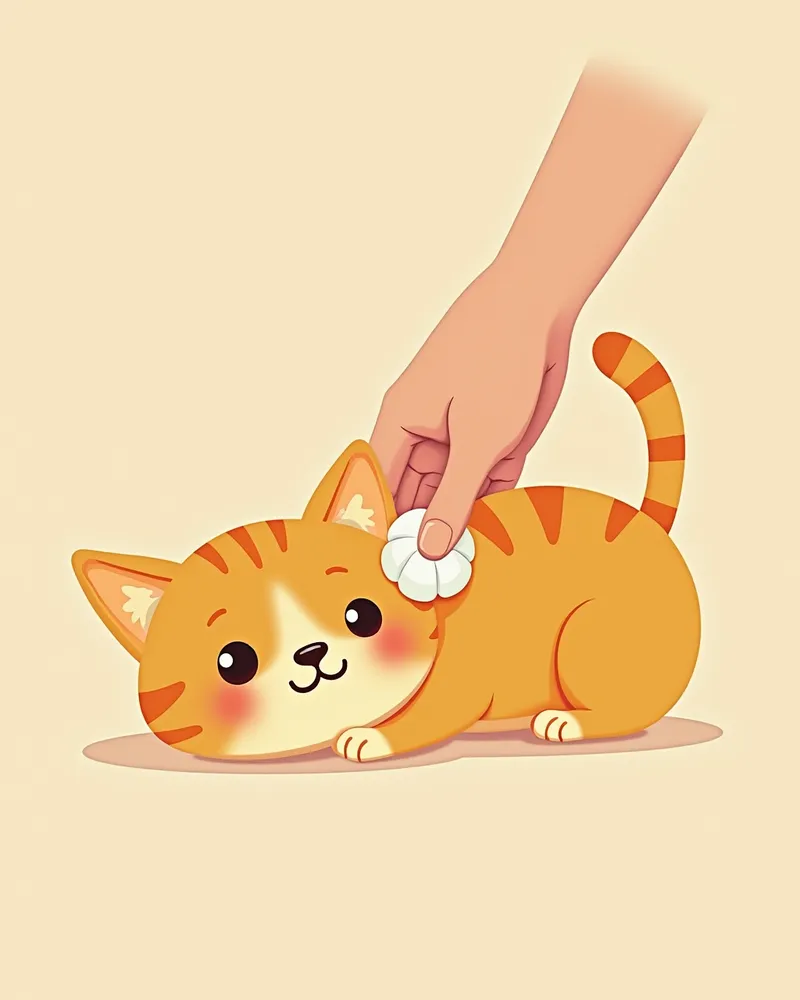
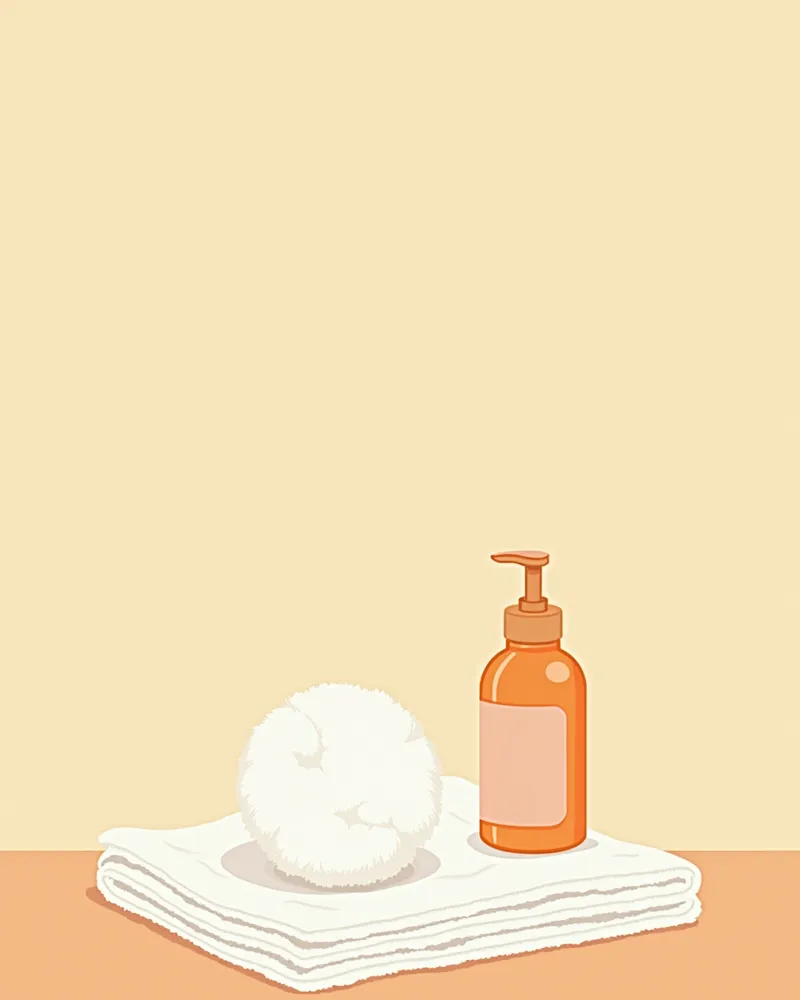
Cleaning your cat’s ears requires following a proper sequence of steps. - Use prescribed cleaning solutions: Your veterinarian will recommend an appropriate ear cleaner—such as saline solution or Tris-EDTA, which are relatively safe options—and you should use it as directed. - Massage to loosen debris: Gently massage the area around the ear before cleaning to help loosen any discharge. - Apply and retain the cleaner: Place the cleaning solution into the ear canal, then gently massage the base of the ear to help bring the debris to the surface. - Wipe the outer ear only: Use a cotton ball or cleaning cloth to wipe away debris from the outer part of the ear only. - Never insert tools deep into the ear: Do not insert any instruments deep into the ear canal. Always use cleaning tools individually and avoid sharing them. - Consistent maintenance: Regular ear cleaning is one of the most important aspects of long-term management of otitis externa, so it’s essential to maintain this routine throughout the treatment period.
A cat having its ears massaged

Home Ear Cleaning Management Points

Cleaning your cat’s ears requires a consistent routine. - Adjust cleaning frequency: The ideal frequency depends on your cat’s ear condition and the amount of discharge, so follow your veterinarian’s guidance. Be cautious, as excessive or harsh cleaning can irritate the ears and lead to inflammation. - Monitor your cat’s reaction: Stop immediately if you notice signs of pain, anxiety, or excessive ear shaking after cleaning. - Maintain tool hygiene: Use cleaning tools exclusively for one cat and disinfect them thoroughly after each use. - Prepare before cleaning: Begin only when your cat is calm and comfortable. - Keep the environment quiet: Perform the cleaning in a quiet space to minimize stress. - Consult a professional: Always seek advice from your veterinarian if any issues arise.
Organizing cat ear cleaning tools

Breed-Specific Precautions and Tips for Preventing Recurrence

Long-haired breeds and cats with large ears require more diligent ear cleaning, as their abundant ear hair tends to trap debris. Additionally, cats with allergic predispositions are prone to recurrent otitis, so environmental management and dietary adjustments should be implemented alongside ear care. Establishing a routine schedule for regular veterinary check-ups and ear cleaning is recommended to prevent recurrence.

Reviewed by a veterinarian

Dr. Tony — Punnawat Phongkittirak

Dr. Tony — Punnawat Phongkittirak

Veterinarian

A veterinarian who majored in veterinary medicine at Khon Kaen University, Thailand, and completed the IVSA program at North Carolina State University in the United States. Drawing on clinical experience at animal hospitals, he works in the pet healthcare field and is dedicated to building a digital care environment that connects pet parents with veterinarians.

Frequently Asked Questions

How often should you clean your cat's ears?
The frequency of ear cleaning should be tailored to your cat’s ear condition and the amount of discharge, so it’s best to follow your veterinarian’s guidance. Be cautious not to over-clean, as excessive cleaning can irritate the ears and lead to inflammation.
Is it okay to put cotton swabs inside the ear when cleaning it?
Absolutely not. Inserting a cotton swab into the ear can damage the eardrum. You should only gently wipe the outer part of the ear.
What should I do if my cat seems anxious after cleaning its ears?
If your cat shows signs of anxiety, stop cleaning immediately and let them rest comfortably in a quiet environment. Next time, try going more slowly and breaking the task into smaller steps.
Can I clean my pet’s ears using natural ingredients?
Natural ingredients can irritate your pet's ears. It's safest to always use a specialized ear cleaner recommended by your veterinarian.
Is it a problem if there’s still an odor after cleaning your pet’s ears?
It’s normal for a slight odor to linger after cleaning. However, if the smell persists or becomes foul, it could indicate an infection, so you should consult your veterinarian.

Share

Related Guides

References

[1] BSAVA Manual of Canine and Feline Dermatology, 4th Ed, 2023

[2] Harvey, J. W., & Haar, J. M. (2017). Veterinary Dermatology. Elsevier.

[3] Nuttall, T. F., & Cole, L. (2004). Topical ear treatments in cats. Veterinary Clinics of North America: Small Animal Practice, 34(3), 559–574.

This information is based on veterinary literature and does not replace diagnosis or treatment. Please consult a veterinarian for specific health concerns.

Metapet Co., Ltd. | CEO: Park Sung-yong | Business Reg. No. 417-88-02562 | Seoul, South Korea | Customer Center

Cat Ear Cleaning: Symptoms, Causes, Diagnosis & Treatment | Meongsiljang