Like
Share
멍실장
콕시디아(coccidia) 감염과 치료

If Your Puppy Has Watery or Bloody Stool — Coccidia Infection Symptoms and Treatment Timing

DigestiveDiseasesMeongsiljang Veterinary Advisory Board

Coccidia are protozoan parasites that live in the intestines of dogs and cats, causing diarrhea and dehydration. Early diagnosis, medication, and environmental disinfection are key.

What Is Coccidia Infection?
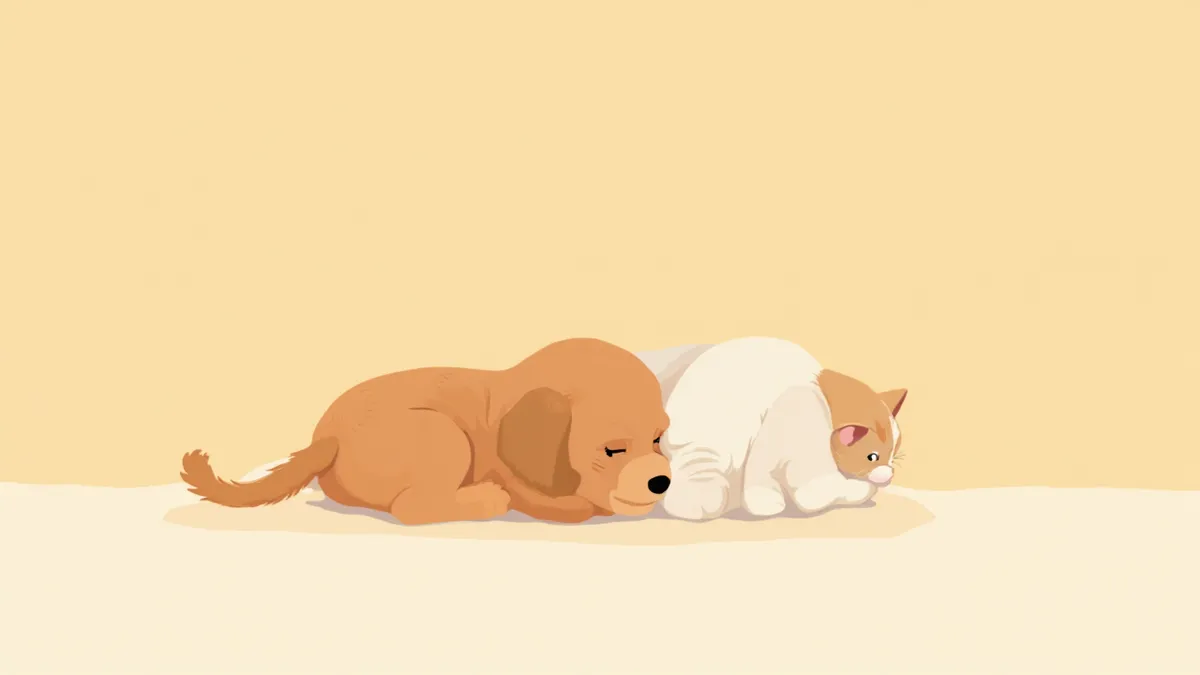
Young puppies and kittens lacking energy due to coccidia infection
Coccidia are single-celled protozoan parasites that infect the intestinal lining cells (intestinal epithelial cells) of dogs and cats, causing diarrhea. According to veterinary parasitology textbooks, coccidian oocysts can be found in the feces of young dogs and cats that appear healthy, but clinical coccidiosis with actual symptoms mainly occurs in young animals such as puppies and kittens, especially during weaning, environmental changes, or stress. In young or immunocompromised animals, diarrhea can lead to rapid dehydration, so if you notice loose stools or bloody feces, don’t delay—visit your veterinarian immediately for a fecal examination.

Why Does Coccidia Infection Occur? Causes and Transmission Routes

Coccidia spreads when puppies or kittens ingest oocysts shed in the feces of infected animals. Infection commonly occurs through grooming contaminated fur or consuming contaminated food or water. The oocysts are highly contagious, becoming infectious almost immediately after being passed in the feces. The most common species are Isospora (Cystoisospora) canis in dogs and Isospora felis in cats. Because transmission occurs easily via the fecal-oral route, outbreaks are frequent in environments where multiple animals live together, such as breeding facilities, pet shops, and multi-pet households. Therefore, promptly cleaning up feces and maintaining strict hygiene for food and water bowls and flooring is essential.

Coccidia Key Symptoms Checklist

Adult dogs and cats often show few or no symptoms, but puppies, kittens, and immunocompromised animals may exhibit clear gastrointestinal signs. - Watery diarrhea: Stools may be liquid-like or contain mucus. - Hematochezia or melena: Damage to the intestinal mucosa can result in bright red or black, tarry blood in the stool. - Dehydration: Gums become tacky, and skin turgor is reduced. - Weight loss: Rapid weight loss occurs due to impaired nutrient absorption. - Anorexia and vomiting: Loss of appetite and vomiting may occur together in severe cases. - Abdominal discomfort: The animal may crouch or vocalize when the abdomen is touched.
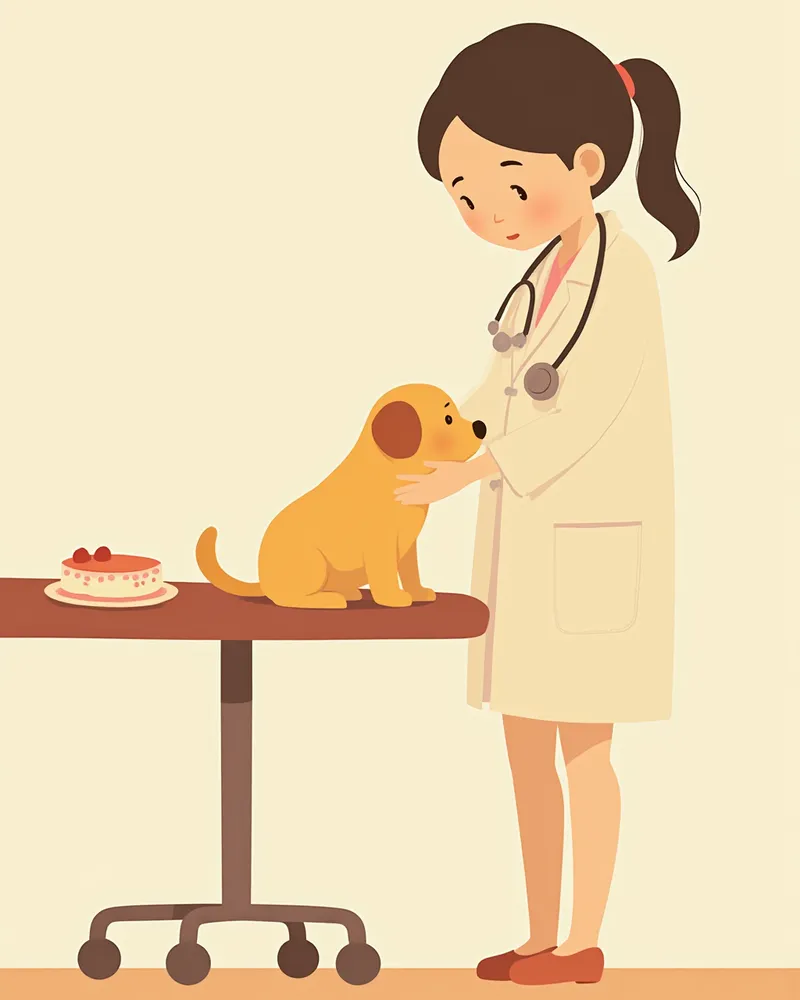
A veterinarian gently palpates a puppy’s abdomen to check for digestive symptoms.

Seek Immediate Veterinary Care for These Symptoms

If your puppy has persistent watery diarrhea accompanied by blood in the stool, weakness, or hypothermia, it may be an emergency. Puppies and immunocompromised dogs can dehydrate rapidly from diarrhea, causing their condition to deteriorate quickly. Seek immediate veterinary care if there is repeated vomiting, pale or tacky gums, or a delayed response when called. Avoid giving human electrolyte drinks or anti-diarrheal medications at home, as these can be dangerous; it is safest to have your pet examined by a veterinarian as soon as possible.

How Is Coccidia Diagnosed?

Coccidia is diagnosed by directly observing oocysts under a microscope using a fecal flotation test. In the early stages of infection, oocyst shedding may be low, resulting in a false-negative result on a single test; therefore, retesting at intervals of two to three days may be necessary. If severe diarrhea persists, it is important to rule out other conditions such as Giardia, parvovirus, and bacterial enteritis, so blood tests and PCR testing are often performed concurrently.

Coccidia Treatment — Medication and Fluid Management
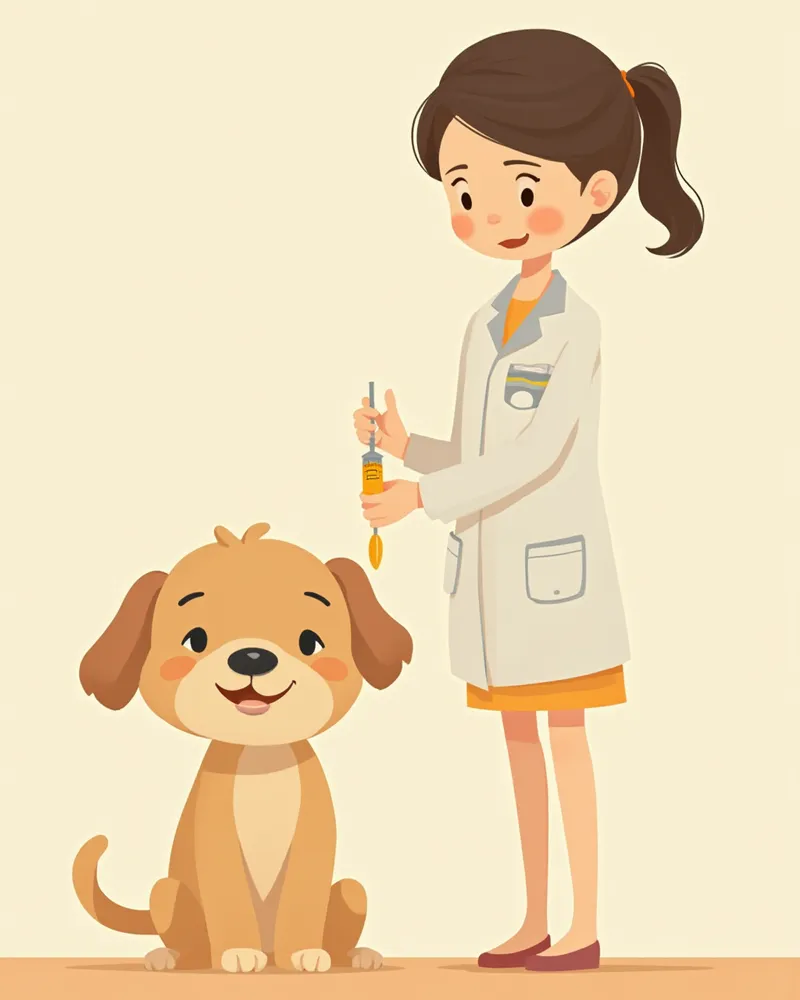
Treatment primarily involves administering antiprotozoal medication and correcting dehydration. According to veterinary internal medicine textbooks, sulfonamide-based drugs (such as sulfadimethoxine), toltrazuril, or ponazuril are commonly used. Your veterinarian will determine the specific medication and treatment duration based on your pet’s weight, age, and severity of symptoms, so it is crucial not to discontinue the medication prematurely. In cases of severe dehydration, subcutaneous or intravenous fluids are administered, and antibiotics may be prescribed if a secondary bacterial infection is suspected. A follow-up examination is conducted two to three weeks after treatment to confirm complete recovery.
A veterinarian preparing a liquid dewormer for a puppy.

Home Care Points to Follow

During treatment, offer small, frequent meals of a prescription gastrointestinal diet that is easy to digest, and always keep fresh water available. Clean the litter box, food and water bowls, and toys daily with hot water and a bleach-based disinfectant. Because coccidian oocysts are resistant to most common disinfectants, steam cleaning or boiling water is the most effective method. Prevent your pet from sniffing or ingesting other animals’ feces during walks, and promptly remove any feces to prevent reinfection.

Preventing Reinfection and Breed/Environmental Precautions

Even after treatment, coccidia can cause frequent reinfections because oocysts persist in the environment. If you have multiple dogs or cats, we recommend fecal testing for all of them. For long-haired breeds like Persians and Himalayans, feces can easily stick to the perianal area, leading to self-reinfection, so please keep the hair around their hindquarters trimmed short. If you’ve brought home a new kitten from a breeder, isolate it from other pets for at least two weeks and have a fecal test done within three days of arrival for safety.

Reviewed by a veterinarian

Dr. Tony — Punnawat Phongkittirak

Dr. Tony — Punnawat Phongkittirak

Veterinarian

A veterinarian who majored in veterinary medicine at Khon Kaen University, Thailand, and completed the IVSA program at North Carolina State University in the United States. Drawing on clinical experience at animal hospitals, he works in the pet healthcare field and is dedicated to building a digital care environment that connects pet parents with veterinarians.

Frequently Asked Questions

Can coccidia be transmitted to humans?
Cystoisospora, a parasite that infects dogs and cats, is highly species-specific and rarely infects humans. However, be sure to wash your hands thoroughly after any contact with feces.
No symptoms, but a follicular cyst was detected. Does it need treatment?
If an adult dog or cat shows no symptoms, we may simply monitor the situation. However, if there are young children or immunocompromised individuals in the household, treatment is often recommended to prevent transmission. Please consult with your veterinarian to determine the best course of action.
How long does the treatment take?
While the exact treatment plan varies depending on the medication and severity of symptoms, a typical course lasts 5 to 10 days, with full recovery confirmed by a fecal test taking about 2 to 3 weeks. Even if symptoms subside, it is crucial to administer the medication for the entire prescribed duration.
Can it be prevented with vaccinations?
There is no preventive vaccine for coccidia. The most effective prevention is prompt removal of feces, regular deworming, and maintaining a clean environment.
Can Giardia in dogs be treated alongside other conditions?
Yes, it’s common for Giardia and coccidia to be detected at the same time, and there are well-established treatment protocols that involve administering medications for both concurrently. Be sure to follow your veterinarian’s prescription closely.

Share

Related Guides

References

[1] Greene CE, Infectious Diseases of the Dog and Cat, 4th Edition, Chapter 'Enteric Protozoal Infections'

[2] Sykes JE, Canine and Feline Infectious Diseases, Chapter 'Cystoisosporiasis'

[3] Bowman DD, Georgis' Parasitology for Veterinarians, 11th Edition

[4] Ettinger SJ, Textbook of Veterinary Internal Medicine, 8th Edition

This information is based on veterinary literature and does not replace diagnosis or treatment. Please consult a veterinarian for specific health concerns.

Metapet Co., Ltd. | CEO: Park Sung-yong | Business Reg. No. 417-88-02562 | Seoul, South Korea | Customer Center

Coccidia in Puppies: Watery or Bloody Stool & Treatment | Meongsiljang