Like
Share
멍실장
고양이 백혈병 초기 증상과 진단·치료, 예후와 관리 가이드

Early Symptoms, Diagnosis, Treatment, Prognosis, and Management Guide for Feline Leukemia

Oncology/CancerDiseasesMeongsiljang Veterinary Advisory Board

Feline leukemia virus (FeLV) is a deadly viral disease caused by a retrovirus that compromises the immune system and blood-forming functions. Here’s a clear overview covering everything from early symptoms to diagnosis, treatment, and long-term care.

What is Feline Leukemia?

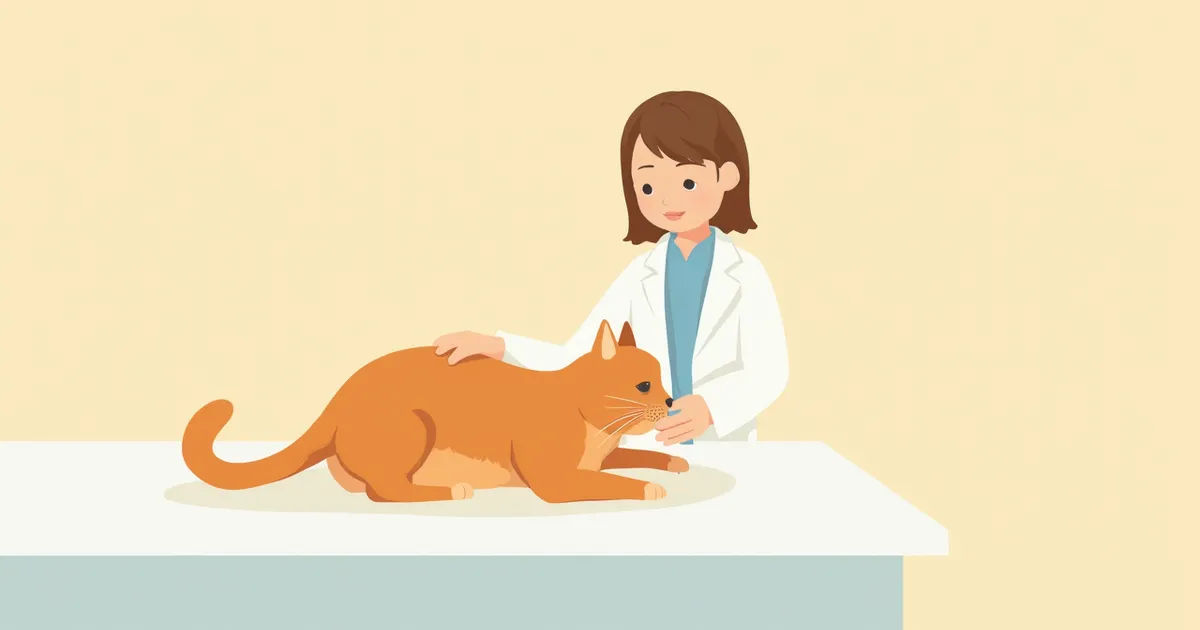
A cat weakened by feline leukemia lying on a blanket.
Feline leukemia virus (FeLV) is an infectious viral disease caused by a retrovirus that attacks a cat’s immune system and blood-forming functions, leading to lymphoma, anemia, and immunodeficiency. Despite the name “leukemia,” it is not a simple blood cancer but rather a viral infection. With early detection and prevention of external exposure, cats can maintain a good quality of life for several years. The key is to quickly establish a management plan after diagnosis.

How is it Transmitted? Transmission Routes and Risk Factors

Feline leukemia virus (FeLV) spreads through the saliva, nasal secretions, urine, feces, and milk of infected cats. Transmission can occur during grooming, sharing food or water bowls and litter boxes, through bites, or during birth and nursing. Cats that spend time outdoors, live in multi-cat households, or come from shelters are at higher risk of infection. In contrast, indoor-only cats kept as the sole pet in a home have a very low risk of exposure. Kittens are especially vulnerable, as they are more likely to develop persistent infection upon exposure, so extra caution is warranted.

Checklist of Early Symptoms That Are Easy to Overlook
Because Feline Leukemia Virus (FeLV) symptoms are nonspecific, early signs are easily overlooked. These signs overlap with other conditions and cannot confirm a diagnosis on their own, but if you notice any of the following changes, consider testing your cat.
Lethargy: Noticeably reduced activity compared to usual.
Decreased appetite: Reluctance to eat favorite foods or treats.
Weight loss: Unexplained weight loss warrants attention.
Recurrent fever: Fluctuating body temperature accompanied by weakness.
Lymph node swelling: Enlarged, palpable lumps in the neck, armpits, or groin.
Pale gums: Instead of pink, gums may appear white or gray due to anemia.
These symptoms are highly nonspecific and not unique to FeLV. Therefore, testing for FeLV is recommended for any cat that is ill or has been exposed to potential sources of infection.
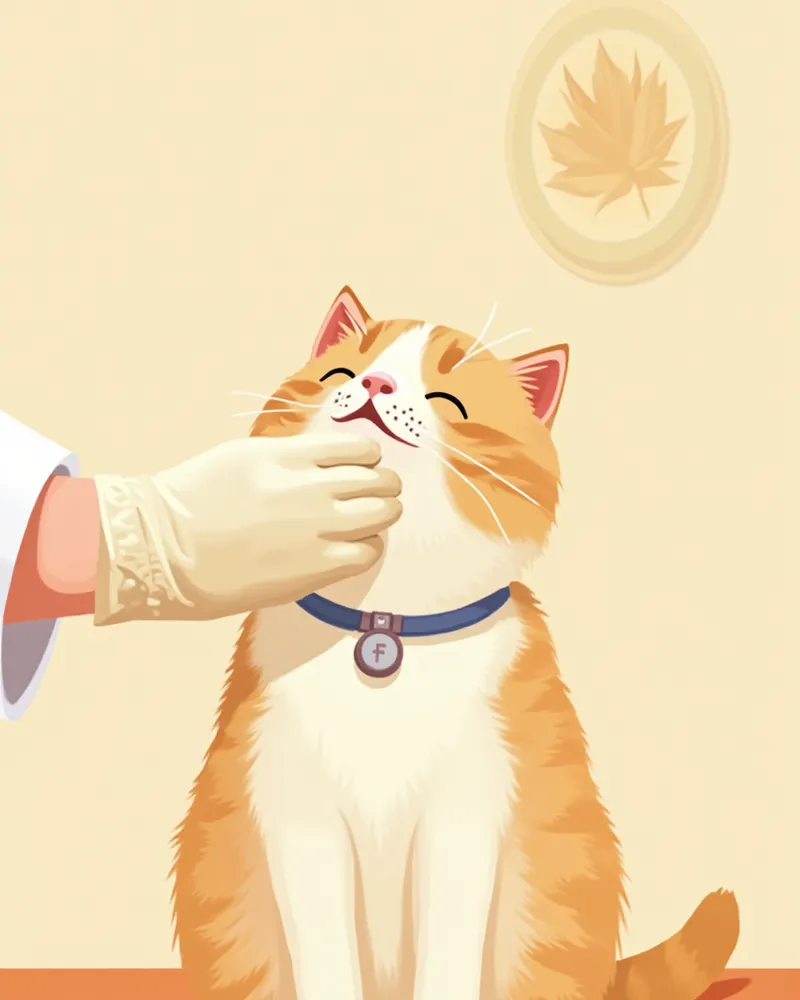
A veterinarian checks a cat’s gum color to assess for anemia.

Emergency Signs Requiring Immediate Veterinary Care

If your cat shows any of the following symptoms, seek emergency veterinary care within 24 hours: severe difficulty breathing, sudden hindlimb paralysis or staggering, bleeding from the mouth or nose, or refusal to eat or drink for more than a day accompanied by lethargy. Cats infected with FeLV have weakened immune systems, so secondary infections can worsen rapidly in a short period.

How is FeLV Confirmed? Diagnostic Process

FeLV diagnosis is generally conducted in two main stages.
ELISA Antigen Test: This is a rapid screening test that detects the viral antigen (p27) from a single drop of blood, providing quick results. It is the most commonly performed in-clinic test at veterinary hospitals.
Immunofluorescent Antibody (IFA) Test: This test is used as a follow-up if the ELISA result is positive or further confirmation is needed. It identifies viral antigens within white blood cells. Even if the blood test is negative, bone marrow may be sampled and tested via IFA if infection is still suspected.
Blood Tests, Radiographs, and Ultrasound: These are used to comprehensively assess the severity of anemia, lymph node size, and the presence of pleural effusion.
If recent exposure is suspected but the initial results are negative or inconclusive, a retest is typically performed after approximately 30 days (one month). For more definitive confirmation, additional tests such as PCR may be utilized.

Treatment Methods — Antiviral Agents and Supportive Care
There is currently no cure that can completely eliminate the FeLV virus. The goal of treatment is to alleviate symptoms, maintain quality of life, and extend survival time.
Supportive care: If anemia is severe, blood transfusions are administered. If appetite is poor, nutritional and fluid support are provided to help sustain the cat’s condition.
Management of secondary infections: Conditions such as stomatitis and respiratory infections, which arise due to a weakened immune system, are treated as a priority.
If lymphoma is present: Depending on the type of tumor and the cat’s overall condition, chemotherapy may be considered, which can help improve both survival time and quality of life to some extent.
Immune and adjunctive therapies: Medications aimed at immune support or antiviral effects may be used, but their efficacy and suitability must always be determined under the guidance and management of a veterinarian.
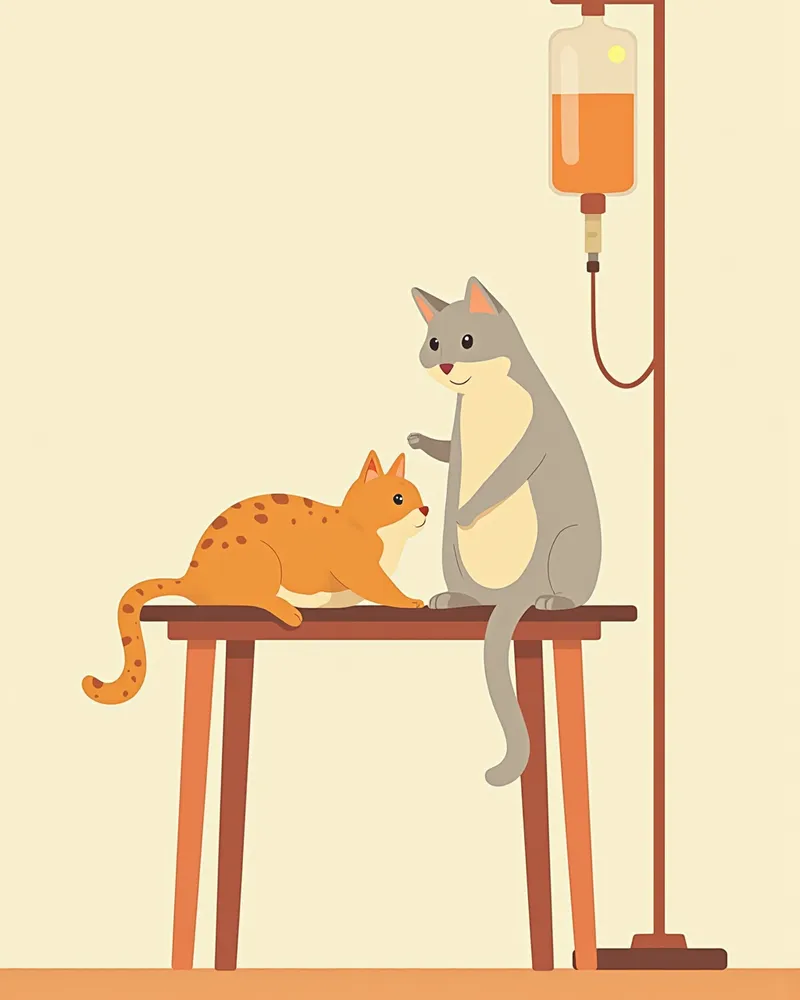
A veterinarian administering intravenous fluid therapy to a cat

Home Management and Care Points

The most important aspects of managing a cat with FeLV are minimizing stress and maintaining hygiene.
Strict indoor living: Keeping your cat indoors prevents contact with outdoor cats, reducing the risk of secondary infections and injuries, while also preventing transmission to other cats. If outdoor access is necessary, use a secure, enclosed outdoor space.
Nutritional management: Provide a balanced diet. Be cautious with raw food, as it may pose a bacterial infection risk for cats with compromised immune systems.
Regular health check-ups: Even if your cat appears healthy, schedule veterinary exams and blood tests every 6 to 12 months to promptly detect any changes in their condition.
Stress reduction: A quiet environment and a consistent daily routine help support immune function.
A leukemia-positive cat resting comfortably indoors.

Important Considerations for Multi-Cat Households and New Adoptions

When adopting a new cat into a home with an FeLV-positive cat, the new cat must also be tested for FeLV first. FeLV vaccination is recommended for existing FeLV-negative cats. It is best to use separate food and water bowls, litter boxes, and bedding. While sharing the same space does not immediately lead to infection, the risk increases with frequent direct contact, such as grooming or fighting.

Reviewed by a veterinarian

Dr. Tony — Punnawat Phongkittirak

Dr. Tony — Punnawat Phongkittirak

Veterinarian

A veterinarian who majored in veterinary medicine at Khon Kaen University, Thailand, and completed the IVSA program at North Carolina State University in the United States. Drawing on clinical experience at animal hospitals, he works in the pet healthcare field and is dedicated to building a digital care environment that connects pet parents with veterinarians.

Frequently Asked Questions

How long can a cat live with FeLV?
While a progressive infection generally carries a poor prognosis, the actual lifespan varies significantly depending on the cat’s overall condition, any complications, and the level of care provided. With proactive management and regular veterinary check-ups, many cats can maintain good health for a long time. Additionally, cats that transition to a regressive form after exposure may experience far less impact on their lifespan. For an accurate prognosis, it is best to consult with your veterinarian.
Can FeLV be transmitted to humans?
No, FeLV is a feline-specific virus and cannot infect humans or dogs. In multi-cat households, you only need to be mindful of transmission between cats.
Does vaccination provide complete protection?
The FeLV vaccine significantly reduces the risk of infection, but it does not provide 100% protection. It is especially recommended for cats that go outdoors or live in multi-cat households. For indoor-only cats living alone, it’s best to consult with your veterinarian to determine whether vaccination is necessary.
Can I keep an FeLV-positive cat and an FeLV-negative cat together?
It’s possible, but not recommended. If you do keep them together, make sure the FeLV-negative cat is vaccinated, and provide separate food and water bowls, litter boxes, and bedding. Carefully manage their environment to prevent direct grooming or intense fighting.
Should I have my cat neutered after a confirmed FeLV diagnosis?
If your pet’s health permits, we recommend spaying or neutering. This prevents reproduction, helping to block the spread of viruses, and reduces hormone-related stress, which supports immune function. Be sure to discuss surgical suitability with your veterinarian.

Share

Related Guides

References

[1] Little S, ed. The Cat: Clinical Medicine and Management, 2nd Edition. Chapter: Feline Leukemia Virus. Elsevier Saunders, 2012.

[2] Hartmann K. Feline leukemia virus infection. In: Greene CE, ed. Infectious Diseases of the Dog and Cat, 4th ed. Elsevier Saunders, 2012.

[3] Ettinger SJ, Feldman EC, Côté E. Textbook of Veterinary Internal Medicine, 8th ed. Chapter: Feline Retroviral Infections. Elsevier, 2017.

This information is based on veterinary literature and does not replace diagnosis or treatment. Please consult a veterinarian for specific health concerns.

Metapet Co., Ltd. | CEO: Park Sung-yong | Business Reg. No. 417-88-02562 | Seoul, South Korea | Customer Center

Feline Leukemia (FeLV): Symptoms, Diagnosis & Treatment | Meongsiljang