Like
Share
멍실장
고양이 혈당 곡선 모니터링 증상과 원인, 진단·치료와 관리 포인트 총정리

Complete Guide to Monitoring a Cat’s Blood Glucose Curve — From Measurement to Interpretation and Management

EndocrineDiseasesMeongsiljang Veterinary Advisory Board

Monitoring a cat’s blood glucose curve is essential for managing diabetes. It helps you accurately assess stress-induced fluctuations in blood sugar levels, allowing for precise adjustments to the treatment plan.

What Is Blood Glucose Curve Monitoring in Cats?
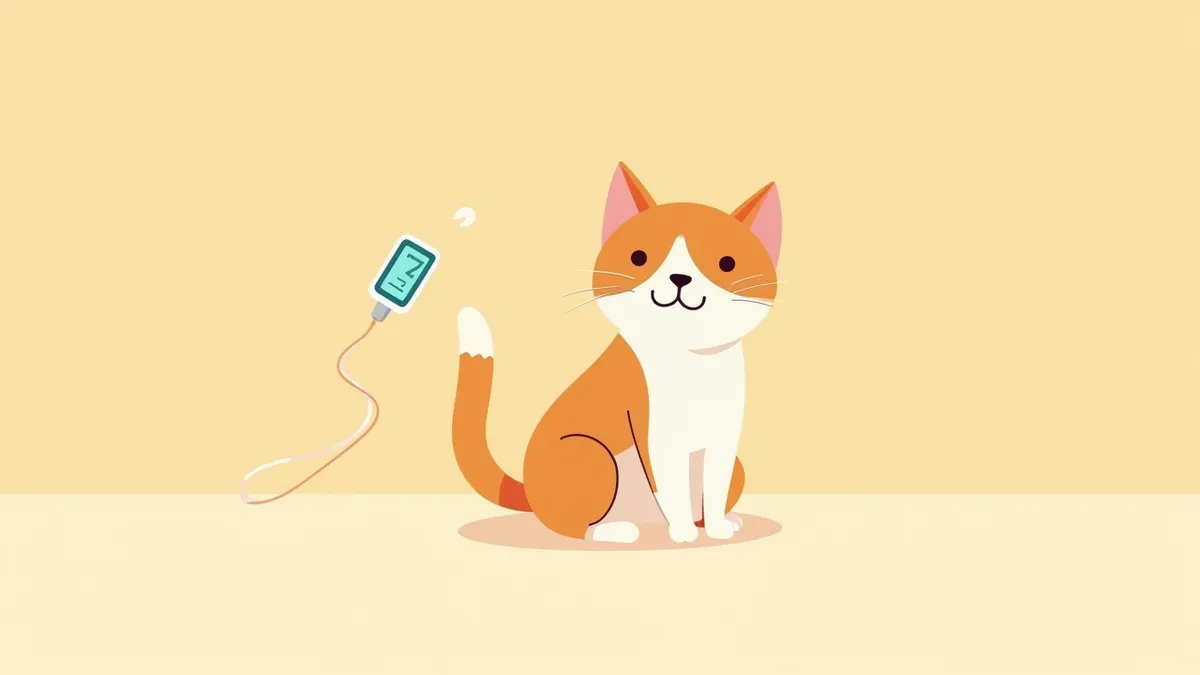
A blood glucose monitor attached to a cat’s ear
Blood glucose curve monitoring in cats involves measuring blood sugar multiple times throughout the day to visualize trends on a graph. This is a key tool in diabetes management, helping to understand how meals, insulin administration timing, and stress affect blood glucose levels. - Blood Glucose Curve: Blood glucose is measured at various points during the day, such as before and after meals and after insulin administration, while also recording meal and insulin times. This is typically performed every 1–2 weeks at home or at the clinic. - Accurate Diagnosis: Diagnosis cannot be made based on a single blood glucose measurement alone; it requires confirmation of persistent hyperglycemia alongside clinical symptoms. - Treatment Adjustment: Insulin dosage and administration timing are adjusted based on the data from the curve. - Analysis of Stress Impact: It helps distinguish temporary hyperglycemia caused by stress from clinic visits. This process is essential for improving treatment accuracy.

Main Causes and Pathogenesis of Blood Glucose Curve Monitoring
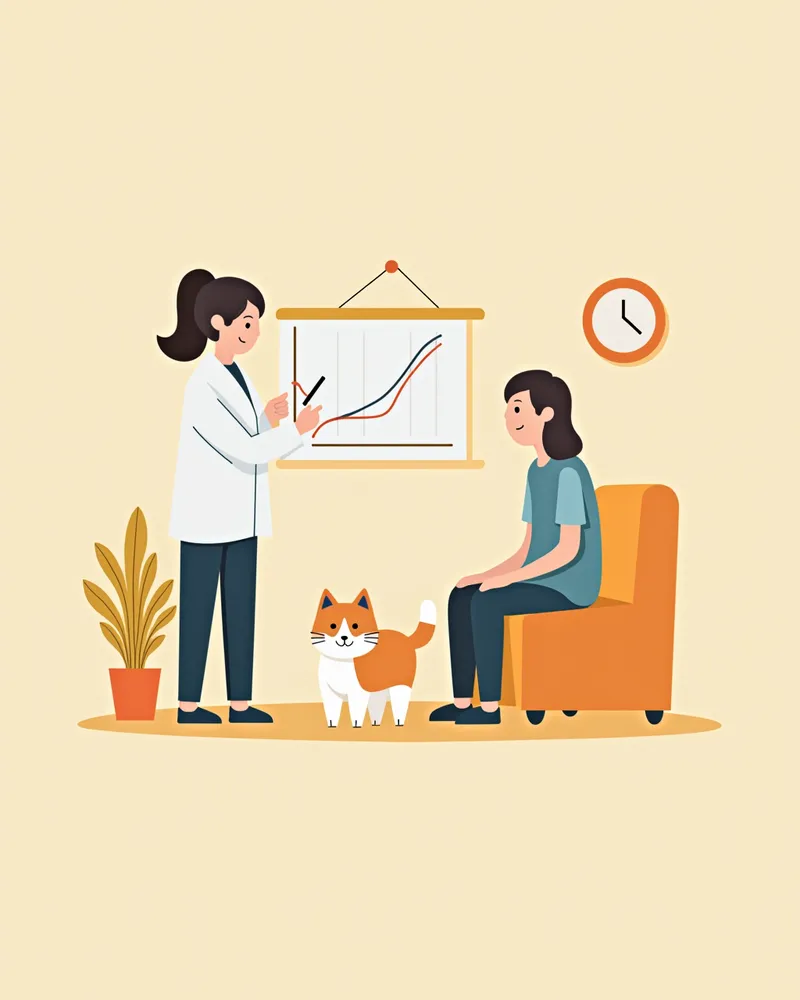
A cat’s blood glucose curve can vary depending on several factors. - Stress-induced hyperglycemia: Visiting the vet or changes in the environment can stimulate the hypothalamic-pituitary-adrenal axis, leading to the release of cortisol and adrenaline, which causes a sharp rise in blood sugar levels. - Dietary influence: The amount and timing of carbohydrate intake directly affect the pattern of blood glucose elevation. - Insulin administration timing: The timing and dosage of insulin determine the peaks and troughs of the curve. - Risk of hypoglycemia: Excessive insulin administration can cause a rapid drop in blood sugar, potentially leading to loss of consciousness or seizures. - Factors that may distort diagnosis: Temporary hyperglycemia caused by stress can be mistaken for true diabetes, making curve analysis essential. This process helps identify the actual condition and allows for the design of personalized treatment plans.
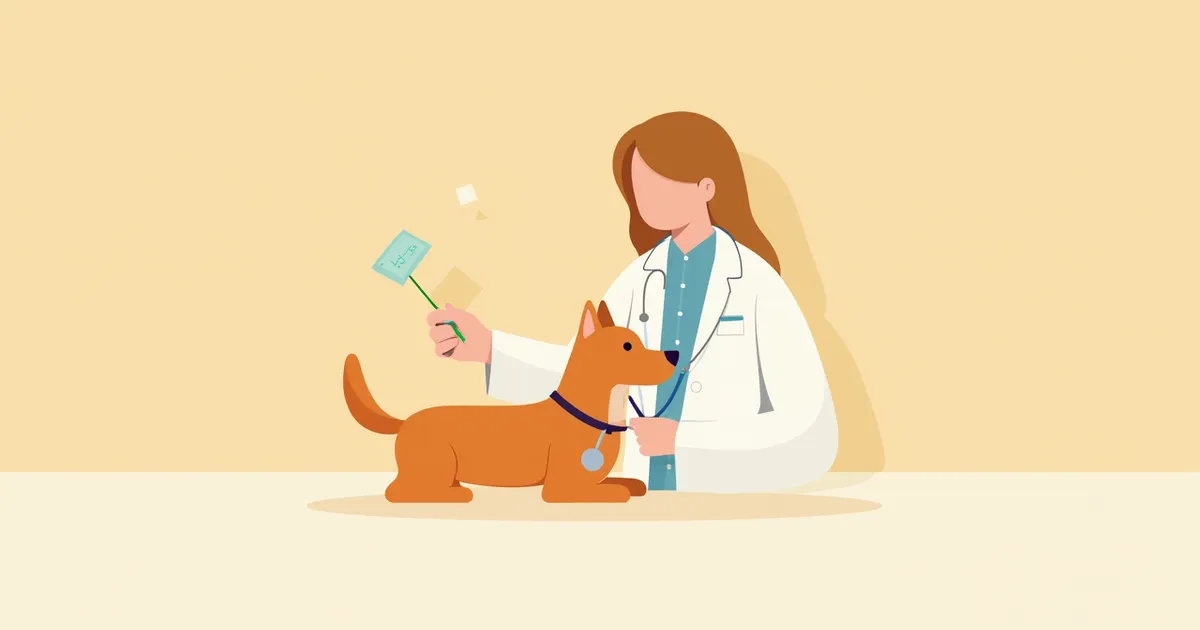
The veterinarian is explaining the blood glucose curve to the cat owner.

Key Symptoms and Warning Signs

When monitoring a cat’s blood glucose curve, there are several warning signs to watch for. Persistently high or low blood sugar levels, excessive thirst after meals, increased frequency of urination or defecation, and weight loss may occur. In particular, hypoglycemia following insulin administration can lead to shock.
Excessive thirst: The cat continues to drink water frequently.
Frequent urination: The cat urinates multiple times a day or produces larger volumes of urine.
Weight loss: The cat may lose weight despite having a normal appetite.
Lethargy: Activity levels drop sharply, and the cat may sleep most of the day.
Hypoglycemia symptoms: Signs may include trembling, drowsiness, seizures, and loss of consciousness.
A cat drinking water

Situations Requiring Immediate Veterinary Care

If your cat shows signs of hypoglycemia, seek veterinary care immediately. Loss of consciousness or seizures can be life-threatening, so stop insulin administration right away and provide a source of glucose.

Diagnostic Methods for Accurate Diagnosis

Accurate diagnosis of feline diabetes relies heavily on blood glucose curve monitoring. - Multi-timepoint glucose measurements: Precise records are taken at various times throughout the day, including before and after meals and at the time of insulin administration, typically over a period of one to two weeks. - Time-based data analysis: This helps identify glucose peaks and troughs (lowest points), as well as the presence of persistent hyperglycemia. - Concurrent testing: Blood tests confirm persistent hyperglycemia, while urine tests check for glucosuria (glucose in the urine), providing complementary evidence for a diabetes diagnosis. - Treatment-guided data: The curve data serves as the basis for adjusting insulin dosages and improving dietary management. - Reflection of home environment: Monitoring captures true glucose patterns by reflecting the cat’s daily life at home. Using a blood glucose meter calibrated specifically for cats enhances accuracy. - Improved diagnostic accuracy: This method offers higher reliability than single-point measurements and is essential for developing an effective treatment plan.
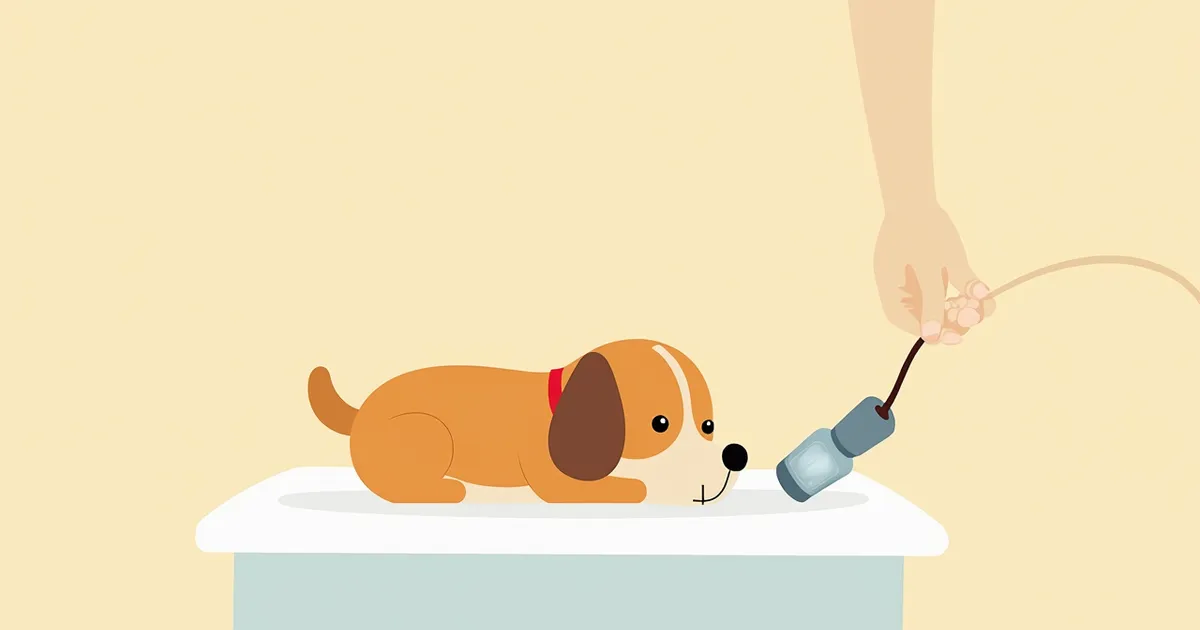
A veterinarian is using a blood glucose meter on a cat’s ear.

Treatment Methods and Step-by-Step Management Strategies

Treating feline diabetes centers on insulin injections and dietary management. Your veterinarian will adjust the insulin dosage based on blood glucose curves, taking into account your cat’s weight and overall condition. We recommend a low-carbohydrate, high-protein diet, and maintaining consistent meal times is also important. Regular monitoring is essential to assess treatment effectiveness.
Insulin injections: Administer once or twice daily at precise times and doses.
Dietary management: Consistently provide a low-carbohydrate diet.
Regular monitoring: Record blood glucose levels two to three times daily.
Weight management: Check for weight changes periodically.
A veterinarian administering an insulin injection to a cat

At-Home Care and Management Points

Monitoring a cat’s blood glucose curve requires consistent at-home care. Keep track of meal times, insulin administration, and activity levels, and check blood sugar changes regularly. Also, closely observe any changes in behavior, appetite, and litter box habits. To minimize stress, maintain a quiet environment and stick to a consistent routine.
Keep records: Log daily blood glucose levels, meals, and injection times.
Stable environment: Provide a comfortable space for your cat.
Reduce stress: Avoid sudden changes and maintain a calm atmosphere.
Regular check-ups: Schedule routine visits with your veterinarian.
A cat sleeping comfortably

Breed-Specific Precautions and Prevention of Recurrence

Feline diabetes mellitus most commonly resembles type 2 diabetes in humans and is a relatively common endocrine disorder in cats. Rather than focusing on specific breeds, body condition and overall health status are more significant factors, making early monitoring and prevention essential. Additionally, the presence of concurrent diseases can complicate blood glucose control, so consistent dietary management and regular veterinary check-ups are crucial to prevent recurrence.

Reviewed by a veterinarian

Dr. Tony — Punnawat Phongkittirak

Dr. Tony — Punnawat Phongkittirak

Veterinarian

A veterinarian who majored in veterinary medicine at Khon Kaen University, Thailand, and completed the IVSA program at North Carolina State University in the United States. Drawing on clinical experience at animal hospitals, he works in the pet healthcare field and is dedicated to building a digital care environment that connects pet parents with veterinarians.

Frequently Asked Questions

Why is blood glucose curve monitoring important?
A blood glucose curve helps you accurately understand how insulin works, as well as the impact of meals and stress. Based on this data, we can adjust the treatment plan accordingly.
How many times a day should I check my pet’s blood sugar?
A blood glucose curve involves measuring blood sugar levels at multiple points throughout the day, such as before and after meals and following insulin administration. The specific timing and frequency of these measurements vary depending on your pet’s condition, so please consult with your veterinarian to determine the appropriate schedule. Typically, these curves are performed every one to two weeks.
What should I do if my pet develops hypoglycemia?
Give your pet some sugar right away. Offer a small amount of sugar water or honey, and once they regain consciousness, consult your veterinarian.
How can I record a blood glucose curve at home?
It’s helpful to log your pet’s blood sugar levels, meals, and insulin injections by time of day in a smartphone app or paper journal. You can then share this information with your veterinarian.
What should I do if my cat resists blood glucose testing?
Training in a quiet environment at a slow pace, along with rewarding your pet with treats, is an effective approach. A veterinarian can provide helpful guidance.

Share

Related Guides

References

[1] Fundamentals of Veterinary Clinical Pathology, 3rd Edition, 2023

[2] The Cat: Clinical Medicine and Management, 2nd Edition, 2022

[3] Advanced Monitoring for Small Animal Emergency and Critical Care, 2nd Ed, 2021

This information is based on veterinary literature and does not replace diagnosis or treatment. Please consult a veterinarian for specific health concerns.

Metapet Co., Ltd. | CEO: Park Sung-yong | Business Reg. No. 417-88-02562 | Seoul, South Korea | Customer Center

Cat Blood Glucose Curve Guide: Measuring, Reading & Managing | Meongsiljang