Like
Share
멍실장
강아지 요비중으로 신장 기능 평가 증상과 원인, 진단·치료와 관리 포인트 총정리

Complete Guide to Dog Urine Specific Gravity — From Kidney Function Assessment to Management Tips

KidneyDiseasesMeongsiljang Veterinary Advisory Board

Urine specific gravity is a key indicator for assessing kidney function in dogs. Low or high urine specific gravity increases the likelihood of chronic kidney disease.

What Is Kidney Function Assessment Using Dog Urine Specific Gravity?
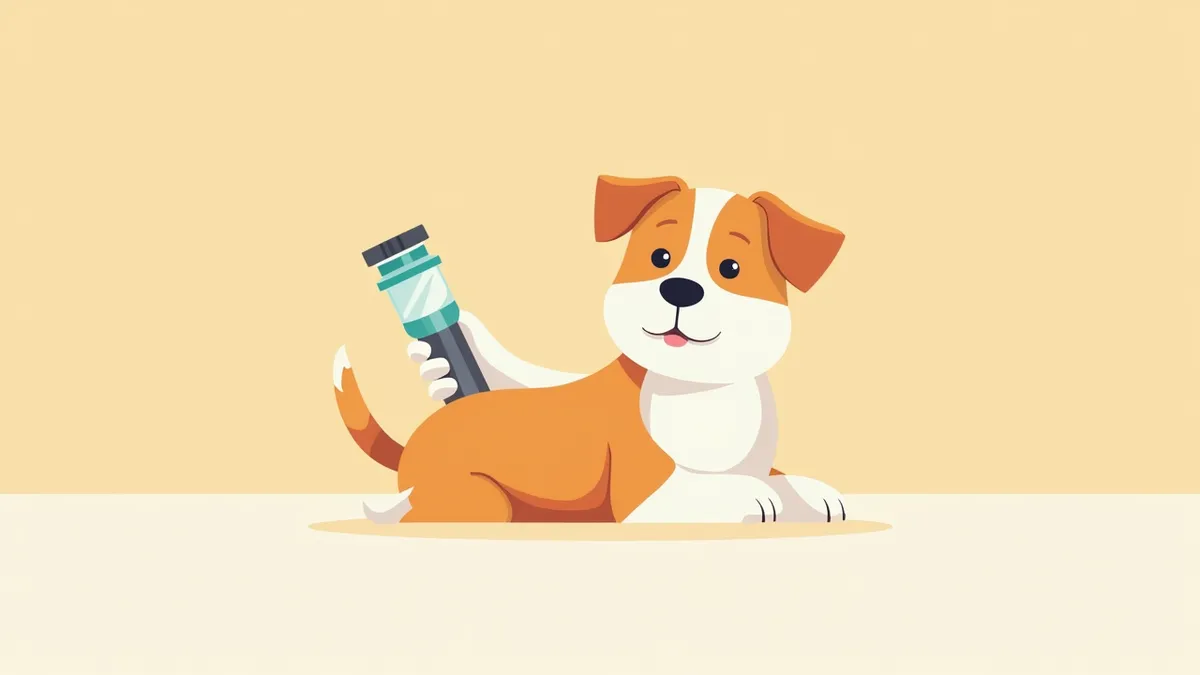
A veterinarian measuring a puppy's urine sample with a urinometer.
Urine specific gravity is a key test that measures the concentration of your dog’s urine to evaluate the kidney’s concentrating ability. - Urine Specific Gravity: This reflects the kidney’s ability to concentrate and excrete water and waste products. In dogs, urine specific gravity typically ranges from 1.001 to 1.070. Values between 1.001 and 1.007 indicate hyposthenuria, while values between 1.008 and 1.012 suggest isosthenuria, both of which may point to impaired concentrating function. - Assessing Kidney Function: A low urine specific gravity can signal that the kidneys are not properly concentrating urine. - Non-Invasive Test: Since it only requires measuring a urine sample with a refractometer, this test places minimal stress on your dog. - Recommended for Regular Check-ups: It’s advisable for senior dogs or those at higher risk to include urine specific gravity testing during routine check-ups. This test helps in the early detection of abnormalities such as polyuria and polydipsia (PU/PD).

Main Causes of Decreased Urine Specific Gravity
There are various reasons why urine specific gravity may decrease. - Chronic kidney disease: Kidney damage impairs the ability to concentrate urine, which can cause specific gravity to stabilize at the range of isosthenuria (1.008–1.012). - Diabetes mellitus: High blood sugar causes glucose to spill into the urine, leading to osmotic diuresis and a decrease in urine specific gravity. - Nephritis and pyelonephritis: Inflammation can impair kidney function. - Primary polydipsia: Excessive water intake can dilute the urine, causing a temporary drop in specific gravity. - Medication effects: Certain drugs that increase urine output, such as diuretics, can affect urine specific gravity. To identify the underlying cause, blood tests and imaging (ultrasound) are necessary.
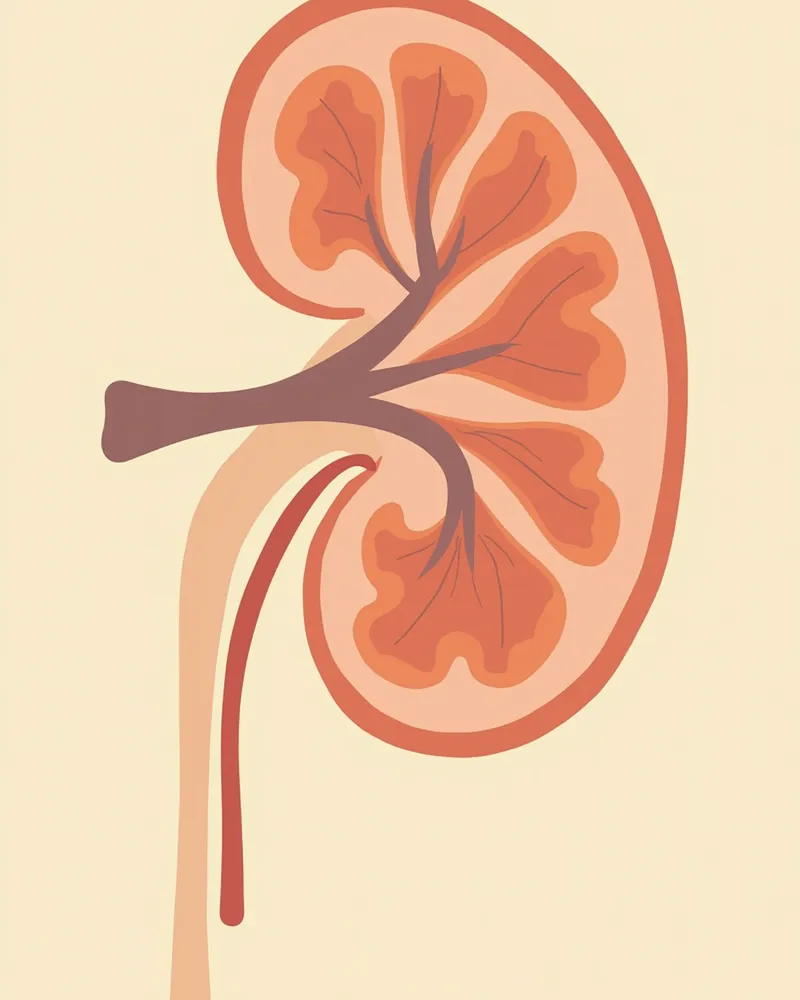
Diagram of kidney structures damaged by chronic kidney disease

Main Symptoms Associated with Decreased Urine Specific Gravity
Dogs with low urine specific gravity can exhibit a variety of symptoms. The most common signs are increased water consumption and more frequent urination. You may also notice weight loss, decreased appetite, lethargy, vomiting, and a strong odor from the mouth. In some cases, hind leg weakness can make walking difficult. Because these symptoms can indicate progressive worsening of kidney function, early detection is crucial.
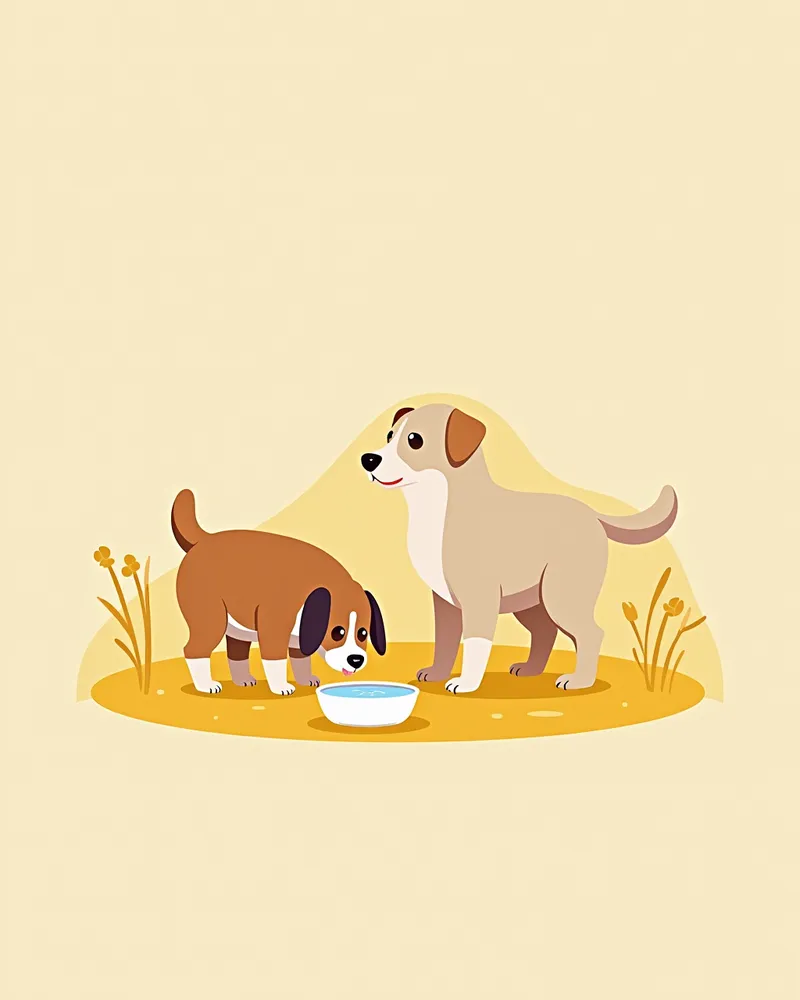
A scene of a puppy drinking water and urinating.

Signs Requiring Immediate Veterinary Visit

If your dog is drinking significantly more water than usual (more than 100 ml per kg of body weight per day), producing much larger volumes of urine, losing its appetite completely, and experiencing repeated vomiting, you should take it to the vet immediately. These symptoms may indicate a severe decline in kidney function. A veterinarian can assess the condition through urgent blood and urine tests and begin fluid therapy if necessary.

Diagnostic Procedures for Urine Specific Gravity Assessment
Urine specific gravity is assessed alongside a urinalysis. - Urine collection: The first morning urine sample provides the most accurate results. - Urine specific gravity measurement: A urinometer is used to determine urine concentration. - Blood tests: Creatinine and BUN levels are evaluated to assess kidney function. - Ultrasound examination: This checks for abnormalities in kidney size and structure. - Biopsy: A tissue sample may be necessary to clearly identify the underlying cause. Together, these procedures allow for an accurate determination of the degree and cause of renal dysfunction.
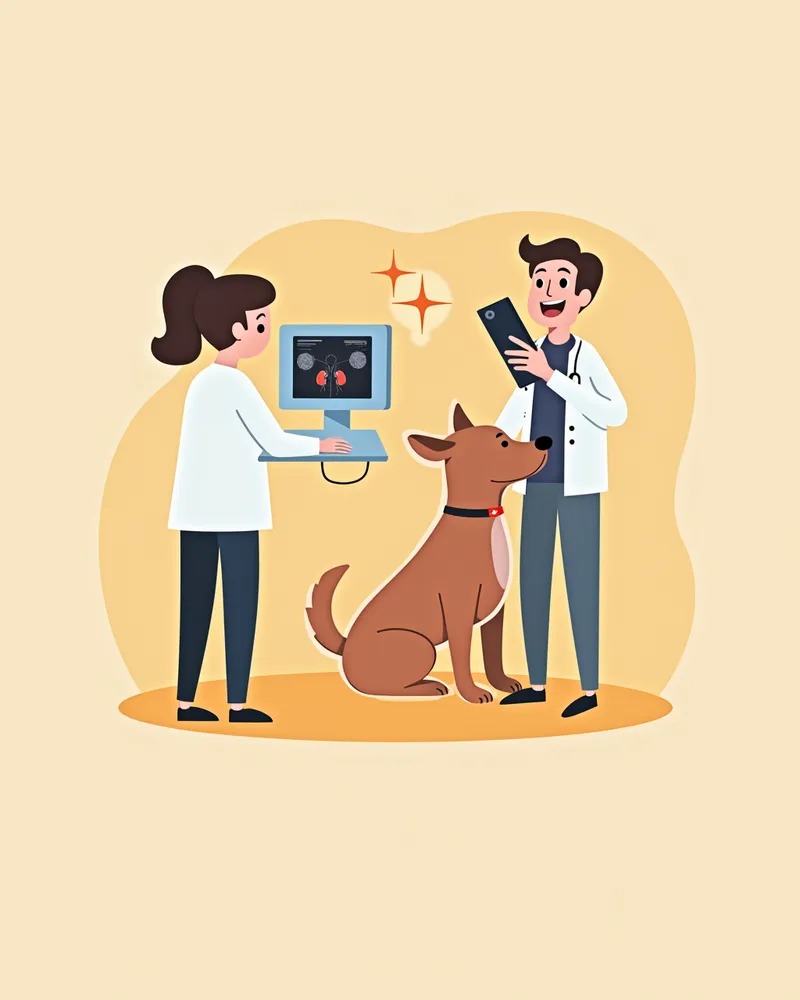
An image of a puppy undergoing an abdominal ultrasound examination.

Treatment Methods and Step-by-Step Management
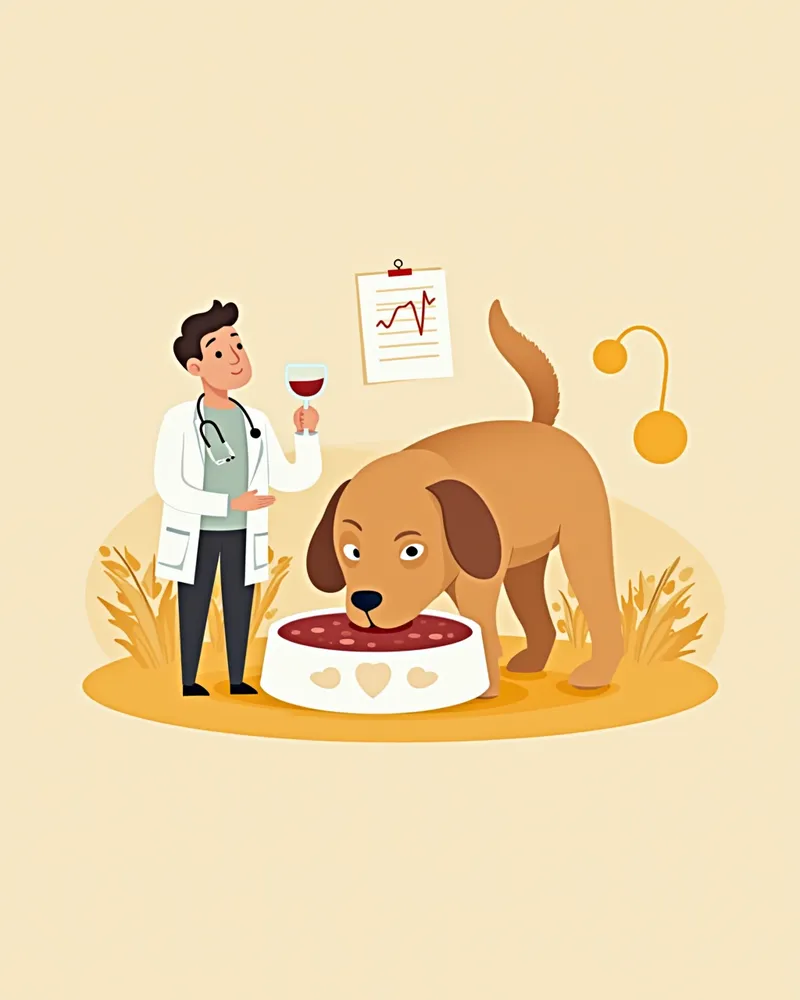
Once low urine specific gravity is confirmed, we develop a treatment plan tailored to the underlying cause. - Prescription diet: Specialized food helps reduce kidney strain by regulating phosphorus and protein intake. - Fluid therapy: Prevents dehydration and improves blood flow to the kidneys. - Medication: Prescribed to manage complications such as high blood pressure or anemia. - Dialysis: May be necessary in severe cases to replace kidney function. - Regular monitoring: Rechecks are performed every 1–3 months during treatment, as this condition requires long-term management.
A puppy eating kidney-friendly food

Kidney Health Management Tips at Home
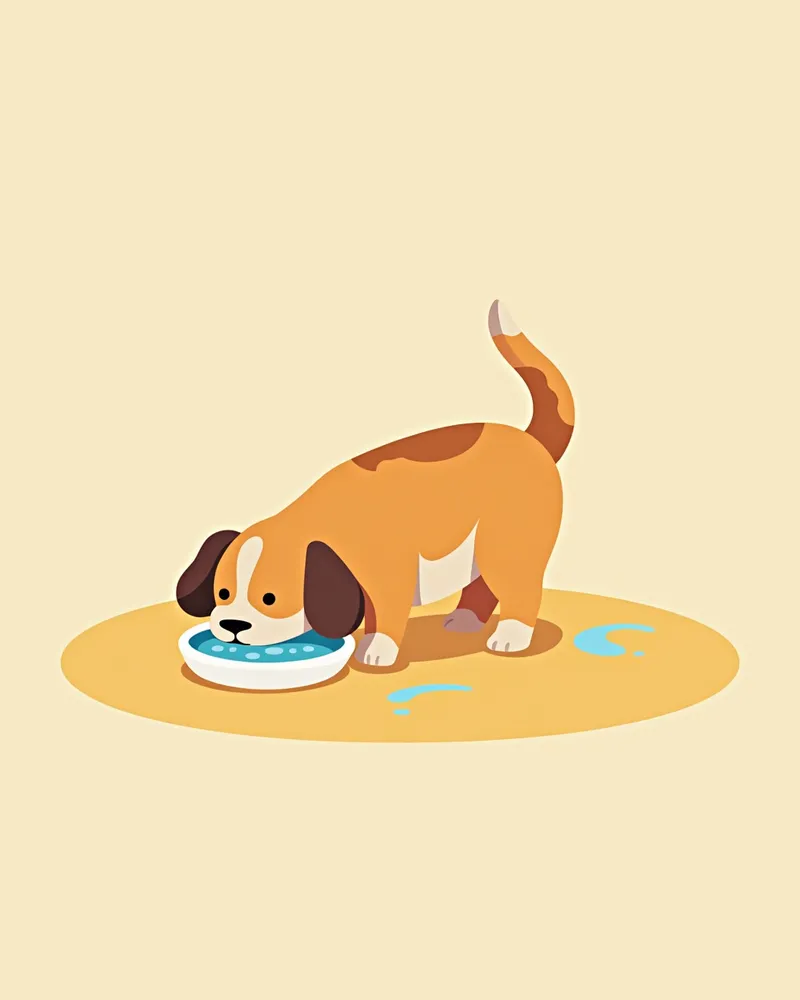
Consistent care is essential to protect your dog’s kidney health. - Water supply: Provide fresh, clean water and change it several times a day. - Diet management: Feed a specialized diet consistently, but avoid making sudden changes. - Monitor weight and appetite: Weight loss or decreased appetite are early warning signs. - Regular check-ups: Have urine and blood tests performed every six months. - Medication management: Set reminders to ensure you never miss a dose. - Minimize stress: A quiet environment and a consistent daily routine are important.
A puppy drinking water from a fountain

Precautions for Senior Dogs and Specific Breeds

Senior dogs are at a higher risk of declining kidney function. Additionally, certain breeds are known to have a genetic or familial predisposition to kidney disease, which can manifest even at a relatively young age. For these dogs, more frequent regular check-ups are recommended, and consistent urine and blood tests can help with early detection.

Reviewed by a veterinarian

Dr. Tony — Punnawat Phongkittirak

Dr. Tony — Punnawat Phongkittirak

Veterinarian

A veterinarian who majored in veterinary medicine at Khon Kaen University, Thailand, and completed the IVSA program at North Carolina State University in the United States. Drawing on clinical experience at animal hospitals, he works in the pet healthcare field and is dedicated to building a digital care environment that connects pet parents with veterinarians.

Frequently Asked Questions

Does a low urine specific gravity always indicate kidney disease?
Not necessarily. A low urine specific gravity doesn't always indicate a disease. Excessive water intake or certain medications can also affect it. However, if it persists, there's a higher likelihood of kidney issues, so testing is necessary.
When is the best time to get a urine specific gravity test?
For senior dogs, we recommend having this test done once or twice a year during their regular check-ups. For healthy dogs, once every two years is sufficient. Be sure to include it whenever your dog shows symptoms or visits the clinic.
Do prescription diets really work?
Yes, kidney-friendly diets help reduce the burden on the kidneys by regulating phosphorus and protein intake. Consistently feeding a veterinarian-recommended diet can help slow the progression of the disease.
Does a urine specific gravity test hurt?
No, collecting a urine sample is not painful. We simply allow your dog to urinate naturally and then test the sample.
How should I care for a dog with low urine specific gravity?
Always provide fresh, clean water, feed a specialized diet, and schedule regular veterinary check-ups. Carefully monitor any changes in your pet’s appetite and activity level.

Share

Related Guides

References

[1] The Cat, Clinical Medicine and Management, 2nd Edition, 2023

[2] Small Animal Critical Care Medicine, 3rd Ed, 2022

[3] The Veterinary Workbook of Small Animal Clinical Cases, 2021

This information is based on veterinary literature and does not replace diagnosis or treatment. Please consult a veterinarian for specific health concerns.

Metapet Co., Ltd. | CEO: Park Sung-yong | Business Reg. No. 417-88-02562 | Seoul, South Korea | Customer Center

Dog Urine Specific Gravity: Kidney Function & Management Guide | Meongsiljang