Like
Share
멍실장
강아지 갑상선암 초기 증상과 진단·치료, 예후와 관리 가이드

Early Signs, Diagnosis, Treatment, Prognosis, and Care Guide for Canine Thyroid Cancer

Oncology/CancerDiseasesMeongsiljang Veterinary Advisory Board

About 90% of thyroid cancers in dogs are malignant carcinomas, making early detection crucial for prognosis. We’ve compiled key information covering everything from early signs like neck lumps and difficulty swallowing to surgical options, radioactive iodine therapy, and home care strategies.

What Is Canine Thyroid Cancer?
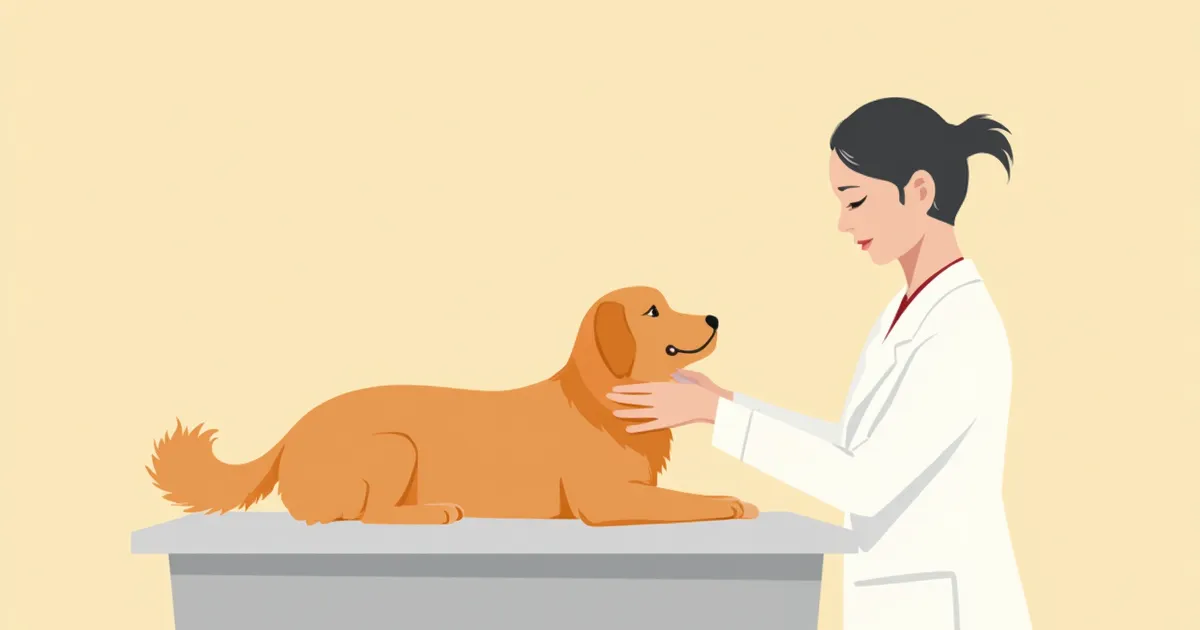
A veterinarian palpating the thyroid gland area at the front of a puppy's neck.
Canine thyroid cancer is a condition in which a malignant tumor develops in the thyroid gland, located at the front of the neck. About 90% of thyroid tumors in dogs are malignant carcinomas, which is distinctly different from cats, in which most thyroid tumors are benign adenomas. Early detection is truly the key. The earlier the tumor is found while still small and completely surgically removed, the higher the success rate of surgery and the longer the survival period. If you feel a hard lump on the front of your dog’s neck or notice difficulty swallowing food, seek veterinary care immediately.

Causes and Pathogenesis of Canine Thyroid Cancer

The exact cause of thyroid cancer in dogs is not yet fully understood. It primarily occurs in middle-aged to senior dogs, with no significant difference between males and females. Some studies suggest a genetic predisposition, and cases of familial thyroid follicular cell carcinoma have been reported in veterinary textbooks as being associated with genetic mutations. The tumor mainly originates from thyroid follicular cells (with follicular and compact types being the most common). As it progresses, it can locally invade surrounding tissues such as the trachea and esophagus, or metastasize to the lungs and local lymph nodes. Most canine thyroid tumors are non-functional, but about one-fourth to one-third are functional tumors that can cause hyperthyroidism. If the tumor destroys enough normal thyroid tissue, it may also lead to hypothyroidism.

Checklist of Major Symptoms of Canine Thyroid Cancer
If you notice any of the following symptoms, consider having your pet examined at a veterinary clinic.
Neck mass (tumor): A hard, immovable lump can be felt on the front of the neck.
Difficulty swallowing: Pressure on the esophagus may make it hard to swallow food or cause retching.
Abnormal breathing: Compression of the airway can lead to noisy breathing and difficulty breathing.
Voice changes: Pressure on the larynx or vocal cords can cause a hoarse or altered bark.
Weight changes: Thyroid dysfunction can cause sudden weight loss or gain.
Lethargy and decreased activity: These are signs of overall declining health.
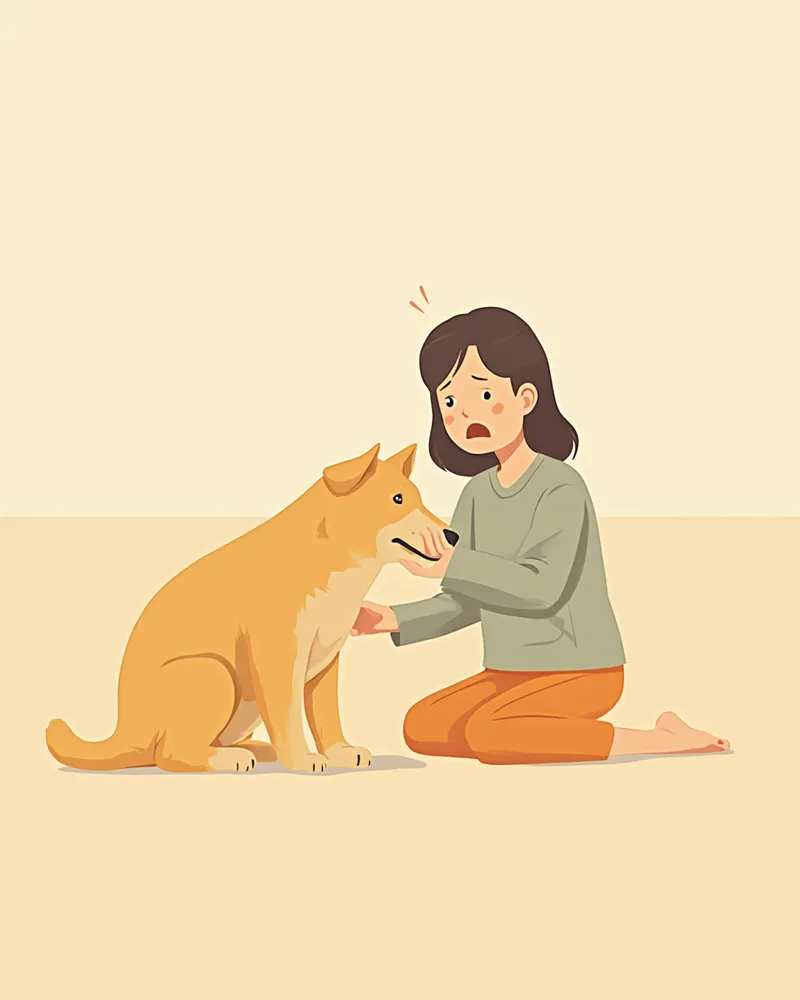
A lethargic dog sitting listlessly, with a concerned-looking owner nearby.

Symptoms Requiring Immediate Emergency Veterinary Care

If you notice any of the following symptoms, seek emergency veterinary care immediately: - A neck lump that grows noticeably or becomes firm over a short period - Breathing with the mouth open or bluish gums - Complete inability to swallow food or water - Seizures, convulsions, or altered consciousness

Diagnostic Methods for Canine Thyroid Cancer

Diagnosing thyroid cancer involves several steps.
Palpation: The neck is physically examined to assess the size, mobility, and firmness of any lumps.
Ultrasound: This evaluates the tumor’s boundaries, internal structure, and blood flow.
Fine-needle aspiration (FNA): Cells are collected using a thin needle to determine whether the mass is malignant.
Biopsy: This is performed when FNA results are inconclusive and a definitive diagnosis is needed.
CT scan: This provides a detailed assessment of invasion into surrounding tissues and checks for metastasis to the lungs and lymph nodes.
Blood tests: These measure thyroid hormone levels (T4) and evaluate the patient’s overall health status.

Treatment Options for Canine Thyroid Cancer
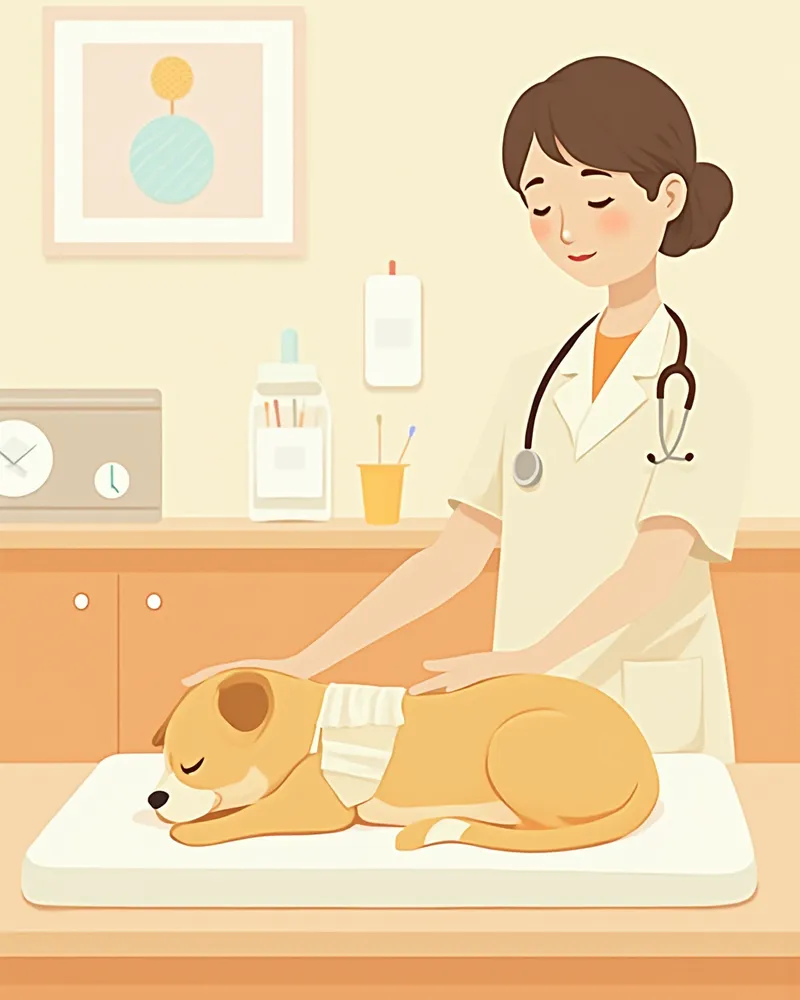
Treatment is determined by the tumor’s size, degree of invasion, and presence of metastasis.
Surgery (thyroidectomy): Tumors that do not invade surrounding tissues and are mobile can be completely excised. Successful complete excision yields a favorable prognosis, allowing for long-term survival.
Radioactive iodine therapy (I-131): This is considered for functional tumors or when metastasis is present. It can only be performed at specialized facilities.
Radiation therapy: This is used for palliative purposes in tumors that are difficult to excise, or as an adjunctive treatment after surgery. Studies on radiation therapy reported in veterinary surgery textbooks have shown a median survival of approximately 45 months and a 3-year progression-free survival rate of 72%.
Chemotherapy: This is more commonly used in combination with other treatments rather than as a standalone therapy.
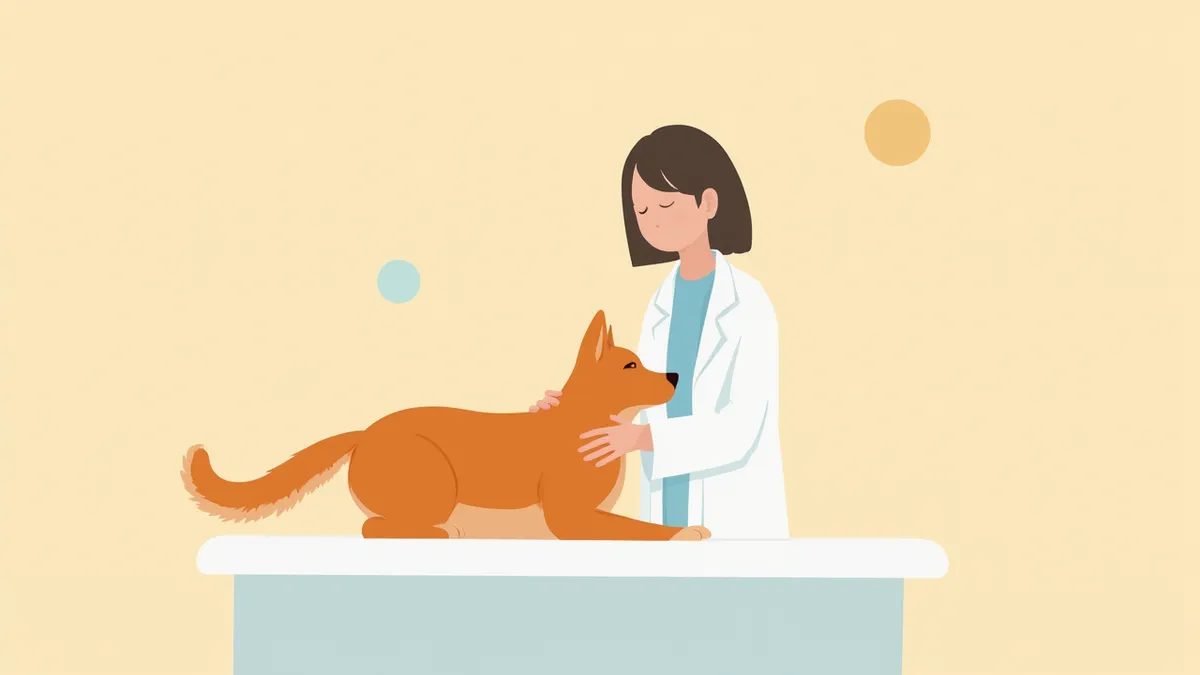
Veterinary medical staff caring for a dog recovering from thyroid surgery

Post-Operative Home Care Points

Post-operative care at home plays a significant role in the prognosis.
Regular blood tests: Periodic monitoring is necessary to check thyroid hormone levels and detect any recurrence.
Hormone supplementation: If the thyroid gland was completely removed, lifelong hormone medication may be required to prevent hypothyroidism.
Watch for hypocalcemia: Damage to the parathyroid glands can cause muscle tremors or seizures. Contact your veterinarian immediately if you notice any abnormal symptoms.
Monitor the surgical site: Check daily for swelling, discharge, or redness.
Diet and environment management: Provide easily digestible food and maintain a quiet, stress-free environment.
A scene showing a caregiver gently checking their dog’s neck surgery site at home.

Breeds at Higher Risk and Recommendations for Regular Checkups

Thyroid tumors are reported to occur at a relatively higher frequency in Beagles, Golden Retrievers, Boxers, and Siberian Huskies. If your dog belongs to one of these breeds, consider requesting additional neck palpation and thyroid ultrasound examinations during annual health check-ups starting at age six. Early detection can significantly impact treatment options and prognosis.

Reviewed by a veterinarian

Dr. Tony — Punnawat Phongkittirak

Dr. Tony — Punnawat Phongkittirak

Veterinarian

A veterinarian who majored in veterinary medicine at Khon Kaen University, Thailand, and completed the IVSA program at North Carolina State University in the United States. Drawing on clinical experience at animal hospitals, he works in the pet healthcare field and is dedicated to building a digital care environment that connects pet parents with veterinarians.

Frequently Asked Questions About Canine Thyroid Cancer

How common is thyroid cancer in dogs?
Canine thyroid tumors are relatively rare, accounting for only about 1–4% of all tumors in dogs. However, since approximately 90% of these tumors are malignant, early detection is especially important.
Does a lump on the neck always mean cancer?
Not necessarily. There are various possible causes, such as a cyst in the neck or a benign thyroid cyst, salivary gland tumors, or reactive lymph nodes. An accurate diagnosis can only be made through ultrasound, fine-needle aspiration, or a tissue biopsy, so it is essential to have your pet examined at a veterinary clinic.
Is a complete cure possible after surgery?
If the tumor can be completely removed without invading surrounding tissues, the prognosis improves significantly, and long-term survival can be expected. Studies on radiation therapy reported in veterinary surgery textbooks have shown a median survival of approximately 45 months and a 3-year progression-free survival rate of 72%. However, because there is a risk of recurrence or metastasis, regular check-ups are essential.
Do I need to give my pet hormone medication for the rest of their life after surgery?
If the entire thyroid gland is removed, hypothyroidism will develop, and lifelong hormone replacement therapy may be necessary. If only one lobe is removed, the remaining thyroid tissue may maintain sufficient function, potentially eliminating the need for hormone medication.
Can thyroid cancer in dogs be prevented?
There is currently no definitive way to prevent this condition. The most effective approach is to include a neck palpation and thyroid ultrasound in your pet’s annual health checkup starting at age six.

Share

Related Guides

References

[1] Ettinger SJ, Feldman EC. Textbook of Veterinary Internal Medicine, 8th ed. Elsevier, 2017. Chapter: Thyroid Tumors in the Dog.

[2] Nelson RW, Couto CG. Small Animal Internal Medicine, 6th ed. Elsevier, 2020. Chapter: Thyroid Gland Disorders.

[3] Klein MK, Powers BE, Withrow SJ, et al. Treatment of thyroid carcinoma in dogs by surgical resection alone: 20 cases (1981–1989). J Am Vet Med Assoc. 1995;206(7):1007–1009.

[4] Textbook of Cardiovascular Medicine in Dogs and Cats. Chapter: Feline Hyperthyroidism — adenoma vs. carcinoma prevalence comparison between cats and dogs.

This information is based on veterinary literature and does not replace diagnosis or treatment. Please consult a veterinarian for specific health concerns.

Metapet Co., Ltd. | CEO: Park Sung-yong | Business Reg. No. 417-88-02562 | Seoul, South Korea | Customer Center

Canine Thyroid Cancer: Early Signs, Treatment & Prognosis | Meongsiljang