Like
Share
멍실장
고양이 치아골절 증상과 원인, 진단·치료와 관리 포인트 총정리

Feline Tooth Fractures: Symptoms, Causes, Diagnosis, Treatment, and Care Essentials

Oral HealthDiseasesMeongsiljang Veterinary Advisory Board

Feline tooth fractures are injuries caused by falls or collisions with hard objects that result in a broken tooth. Because the level of pain and the appropriate treatment depend on whether the pulp is exposed, early detection and prompt veterinary care are essential.

What Are Feline Tooth Fractures?
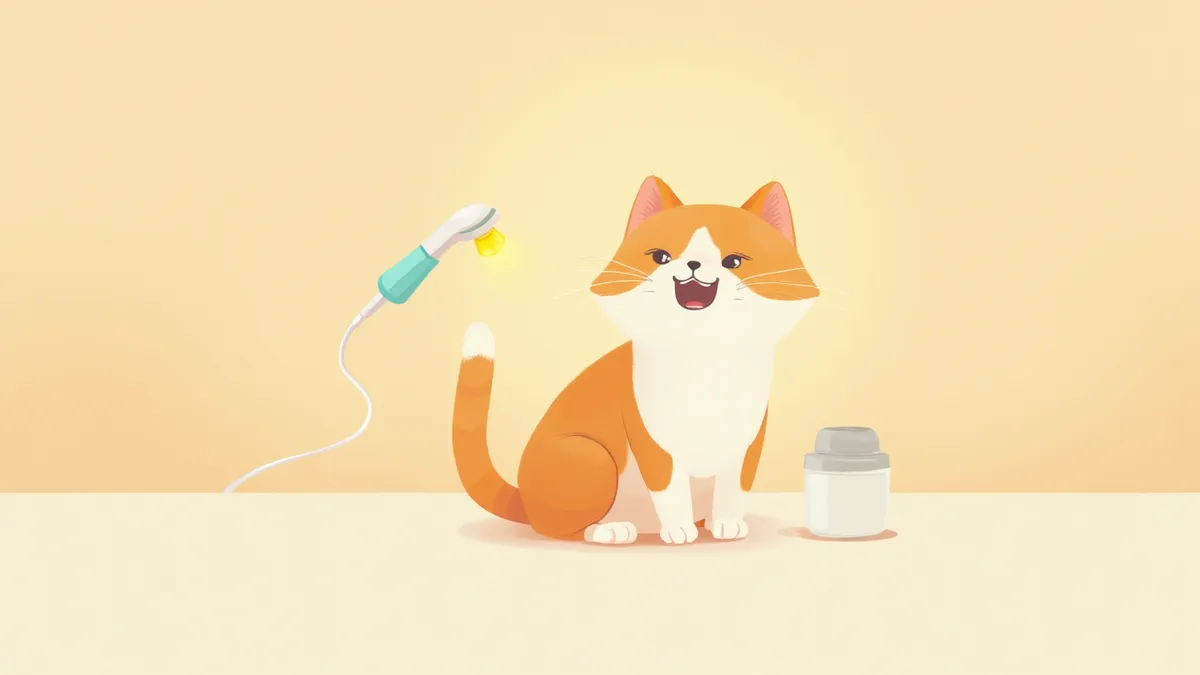
A cat receiving a dental examination at the veterinary clinic
Feline tooth fractures are oral injuries caused by external trauma or hard objects, resulting in broken or cracked teeth. While some cases involve only the hard enamel covering the tooth surface and the underlying dentin, exposure of the pulp—the nerve and blood vessel bundle inside the tooth—can lead to bleeding and pain at the exposed site. Crucially, early symptoms are often subtle, such as reluctance to eat dry food or chewing on only one side, making them easy for owners to overlook. Because the treatment approach differs significantly depending on whether the pulp is exposed, it is essential to visit a veterinary clinic as soon as possible if you suspect a dental issue.

4 Main Causes of Feline Tooth Fractures

Falls and collisions: Direct trauma to the teeth can occur when a pet falls from a height or strikes its face against a window or door.
Hard chew treats: The most common cause of tooth fractures is chewing on hard items such as bone treats, antlers, rigid plastic toys, or tough leather chews.
Traffic accidents and facial trauma: Cats are far more prone to jaw and facial fractures than dogs. In cases of traffic accidents or falls from heights, the face often absorbs the initial impact, frequently resulting in concurrent tooth fractures.
Pathologic fractures due to periodontal disease: Severe periodontal disease weakens the jawbone supporting the tooth roots, making it susceptible to pathologic fractures or tooth damage even from minor trauma.

Symptoms That Suggest a Tooth Fracture

Decreased appetite or picky eating: Your pet may chew on only one side to avoid the painful area or leave food uneaten.
Excessive drooling or bloody saliva: You may notice more drool than usual, or saliva that appears pink or red.
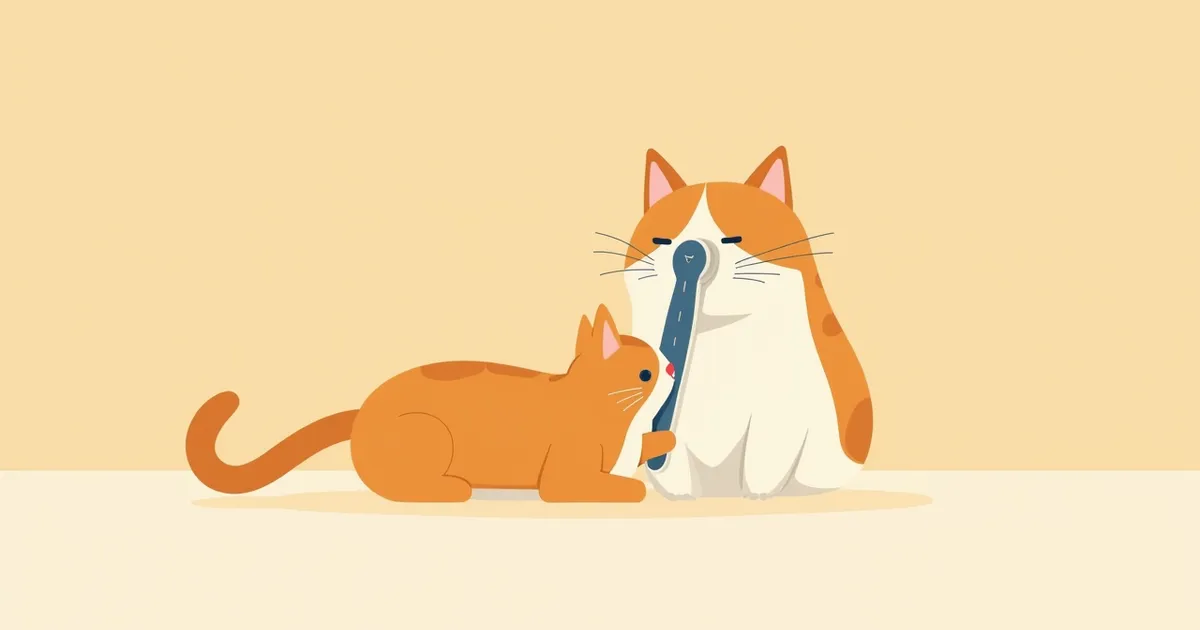
Scratching around the mouth: Your pet may repeatedly scratch around their mouth with their front paws or rub their chin on the floor.
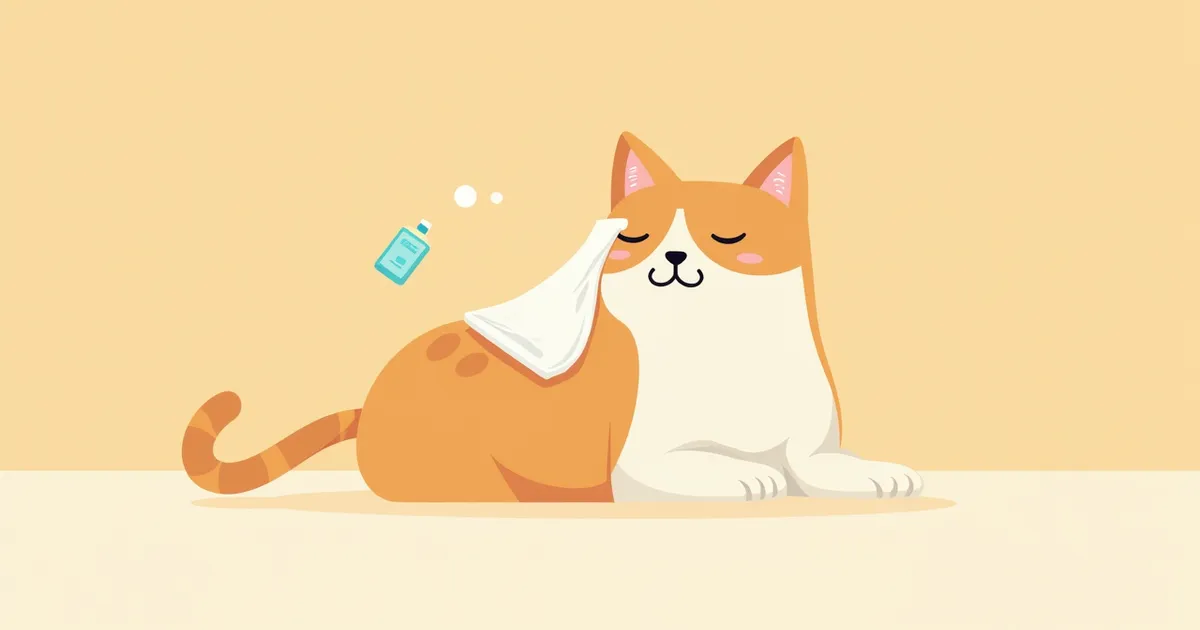
Reduced grooming: Due to oral pain, your pet’s grooming frequency may noticeably decrease.
Visible broken teeth: You may see teeth that are sharply fractured or expose the pink pulp.
Worsening bad breath: As pulp necrosis or infection progresses, the odor may become significantly stronger than before.
A close-up of the mouth showing the cat's dental condition

When to Visit the Vet the Same Day

If the bleeding from your cat's tooth doesn't stop, if the pink pulp is exposed at the broken area, or if your cat is unable to eat at all, you should visit an animal hospital the same day. Exposed pulp can quickly lead to bacterial infections that may even affect the jawbone.

How Vets Diagnose Tooth Fractures

Diagnosing tooth fractures has its limits with a visual exam alone. Veterinarians typically follow this sequence:
Oral visual examination: First, we check the location and extent of the fracture, as well as whether the pulp is exposed. If your cat resists, mild sedation may be necessary.
Dental-specific X-ray imaging: This key test checks for fractures or resorption of the tooth roots beneath the gums. Standard radiographs cannot accurately visualize root conditions, so specialized dental equipment is required.
Periodontal probing: We measure the condition of the gums around the teeth and the depth of the periodontal pockets.

Treatment Options Based on Fracture Severity
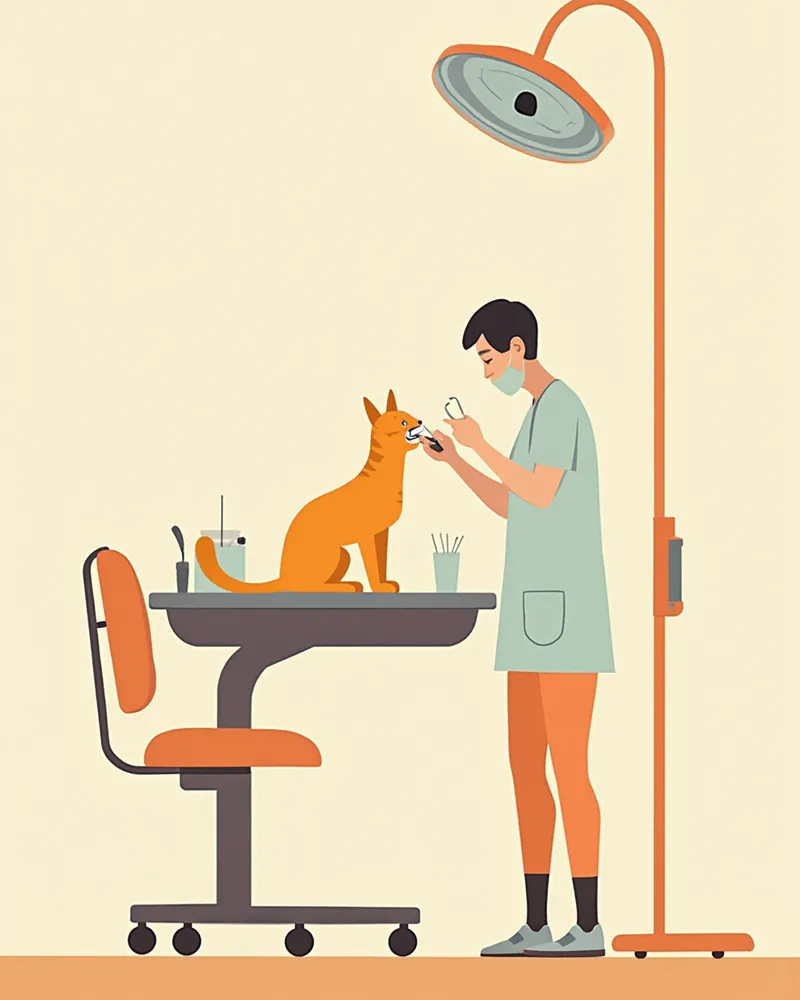
Enamel and dentin damage only (pulp not exposed): We smooth the sharp fracture edges and finish with a dental bonding resin. Regular follow-up monitoring is recommended. Pulp exposure (vital pulp therapy possible): We perform a partial pulpotomy to preserve the pulp, then seal the tooth. This approach is typically used for relatively young cats or recent fractures. Pulp necrosis or root fracture (extraction or root canal therapy): If the pulp has already died or the fracture extends into the root, extraction is the most common treatment. In some cases, the tooth can be saved with root canal therapy.
A veterinarian performing dental treatment on a cat under general anesthesia

Post-Treatment Home Care Tips

Transition to soft food: For at least 1–2 weeks after tooth extraction or treatment, feed wet food or dry food soaked in water. Completely avoid hard treats. Administer prescribed medications as directed: Pain relievers and antibiotics prescribed by your veterinarian must be given without interruption for the full duration. Stopping them prematurely can lead to infection recurrence. Oral hygiene care: Avoid vigorous brushing around the extraction site until it has healed, and follow the cleaning method recommended by your veterinarian. Follow-up and regular check-ups: Schedule a recheck within 4–6 weeks after treatment, then have oral examinations every 6–12 months thereafter.
A cat eating soft wet food after treatment

What to Avoid to Prevent Tooth Fractures

Bone treats, antlers, and hard plastic toys are among the most common causes of tooth fractures. Even products labeled “for cats” can exert significant pressure on teeth. Brushing your cat’s teeth regularly—at least two to three times a week—combined with at least one annual dental checkup at the vet clinic is the most effective way to prevent dental problems.

Reviewed by a veterinarian

Dr. Tony — Punnawat Phongkittirak

Dr. Tony — Punnawat Phongkittirak

Veterinarian

A veterinarian who majored in veterinary medicine at Khon Kaen University, Thailand, and completed the IVSA program at North Carolina State University in the United States. Drawing on clinical experience at animal hospitals, he works in the pet healthcare field and is dedicated to building a digital care environment that connects pet parents with veterinarians.

Frequently Asked Questions

My cat’s tooth is broken, but it’s still eating well. Is it okay to leave it as is?
Cats are remarkably skilled at hiding pain, so just because your cat is eating doesn’t mean they’re pain-free. If exposed tooth roots are left untreated, bacteria can travel along the roots and infect the jawbone. Even if symptoms seem mild, we strongly recommend visiting a veterinary clinic.
Won’t my pet be unable to eat after having teeth extracted?
Cats can usually eat normally even after having their incisors or molars extracted. Switching to wet food or soft dry kibble often helps them eat well post-extraction, and in many cases, their appetite actually improves once the pain is gone.
Is general anesthesia always necessary for dental treatment?
Yes, most dental procedures for cats require general anesthesia. Without anesthesia, it's difficult to conduct accurate examinations and perform safe treatments, and sudden movements by the cat could lead to further injury. We minimize risks through pre-anesthetic blood tests and evaluations.
How much does it cost to treat a fractured tooth?
Costs vary depending on the clinic and treatment method. Tooth extraction typically costs several hundred dollars, including anesthesia, while root canal therapy (endodontic treatment) may be even more expensive. For an accurate estimate, it’s best to consult with your veterinarian after a dental X-ray and diagnosis.
How can I prevent tooth fractures in the future?
Avoid hard chew treats such as bones, antlers, and hard plastics, and brush your cat’s teeth at least two to three times a week using a cat-specific toothbrush and toothpaste. Regular dental check-ups at the vet every six months to a year can help detect issues early.

Share

Related Guides

References

[1] Reiter AM, Gracis M. BSAVA Manual of Canine and Feline Dentistry and Oral Surgery, 4th ed. British Small Animal Veterinary Association, 2018.

[2] Niemiec BA. Veterinary Periodontology. Wiley-Blackwell, 2012.

[3] Wiggs RB, Lobprise HB. Veterinary Dentistry: Principles and Practice. Lippincott-Raven, 1997.

This information is based on veterinary literature and does not replace diagnosis or treatment. Please consult a veterinarian for specific health concerns.

Metapet Co., Ltd. | CEO: Park Sung-yong | Business Reg. No. 417-88-02562 | Seoul, South Korea | Customer Center

Cat Tooth Fracture: Symptoms, Causes, Treatment & Care Guide | Meongsiljang