Like
Share
멍실장
고양이 각막궤양·각막미란 증상과 원인, 진단·치료와 관리 포인트 총정리

If Your Cat Keeps Rubbing Its Eyes — Causes and Treatment Timing for Corneal Ulcers

Eye HealthDiseasesMeongsiljang Veterinary Advisory Board

Feline corneal ulcers are wounds on the surface of the cornea that can cause pain and vision loss. Early diagnosis and appropriate treatment are essential.

Feline Corneal Ulcers Are Wounds on the Surface of the Cornea

The cat is slightly squinting, as if it’s feeling uncomfortable.
Feline corneal ulcers are wounds on the surface of the cornea that can cause pain and vision loss. They can be caused by various factors, including trauma, infection, insufficient tear production, and eyelid abnormalities. In particular, scratching or kicking with the paws, as well as conflicts with other animals, are common causes of trauma. Additionally, FHV-1 virus infections or dry eye conditions can also lead to corneal damage. Early detection and appropriate treatment are crucial, so if you suspect any symptoms, consult your veterinarian immediately.

The Main Causes of Corneal Ulcers Are Trauma and Infection

Feline corneal ulcers can arise from a variety of causes, including trauma, tear film abnormalities, eyelid structural defects, and microbial infections. Among these, trauma is the most common culprit—often resulting from a cat scratching or kicking itself, clashing with another animal, or bumping into a sharp object. Another frequent cause is infection with the feline herpesvirus type 1 (FHV-1). Rather than simply weakening the immune system, this virus directly damages corneal epithelial cells through cytolysis, leading to ulceration. Ulcers caused by FHV-1 are characterized by their distinctive dendritic, or branch-like, appearance. Additionally, conditions that reduce tear production, such as keratoconjunctivitis sicca (KCS), or eyelid abnormalities like entropion, can also lead to corneal damage. The key to prevention lies in early identification and proper management of these underlying causes.
A cat’s paw near its eye, suggesting a possible injury

Main Symptoms Include Tearing, Squinting, and Pain

The main signs of a corneal ulcer in cats include excessive tearing, frequent blinking, or squinting. The eye may appear red, with white spots or cloudy areas visible. Due to pain, your cat might scratch at its head or rub its face. They may also keep their eye tightly shut or avoid bright light. These behaviors can indicate serious pain rather than simple irritation. Early recognition and consultation with a veterinarian are crucial.
A cat with half-closed eyes, tears streaming down its face.

Signs That Require an Immediate Veterinary Visit

If your pet’s eyes are completely closed, excessively watery, cloudy, or showing enlarging white spots, consult a veterinarian immediately. These could be signs of serious corneal damage or infection.

Diagnosis Is Confirmed with a Fluorescein Stain Test

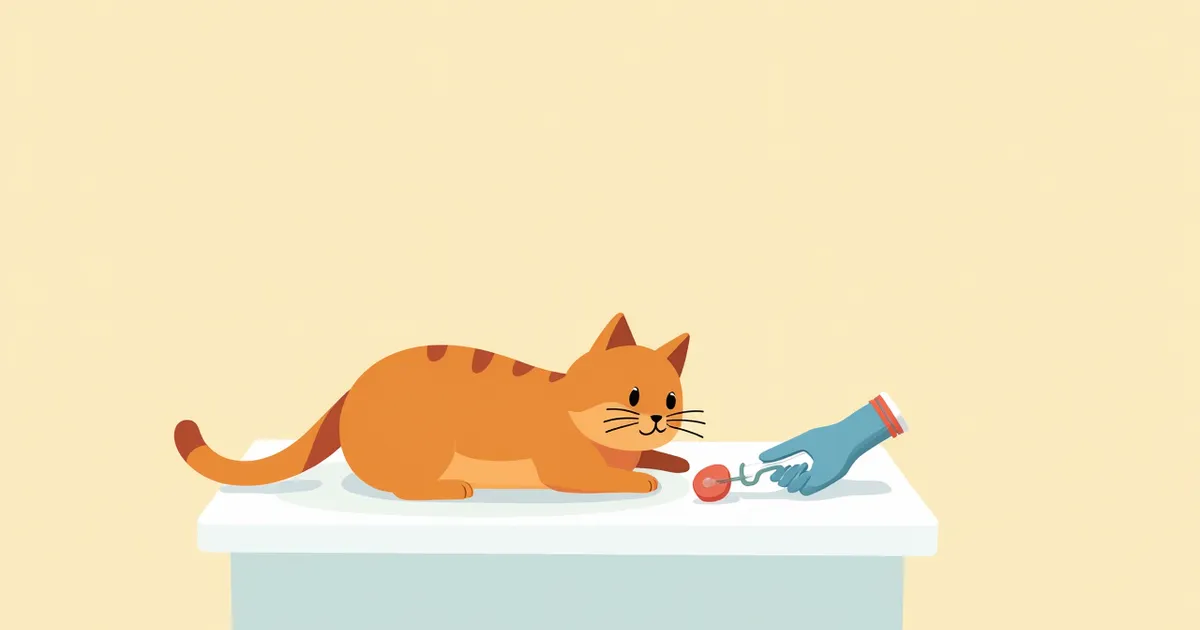
Feline corneal ulcers are diagnosed using a fluorescein stain test. This painless procedure involves applying a special dye to the eye, which causes ulcerated areas to glow green. This method allows for precise assessment of the ulcer’s location, size, and depth, making it easy to detect even minor injuries or early-stage ulcers. The veterinarian can complete the exam within one to two minutes, causing minimal stress to the cat. An accurate diagnosis enables the development of an appropriate treatment plan.
A veterinarian applying a fluorescent dye to a cat's eye for diagnostic purposes.

Treatment Centers on Medication and Protection

The cornerstone of corneal ulcer treatment is antibiotic eye drops. All corneal ulcers are treated with topical antibiotics, and if the ulcer is deep, melting, or infected, fluoroquinolone eye drops or systemic antibiotics may be used in combination. If reflex uveitis (characterized by miosis and pain) is present, topical atropine is administered to relieve pain and control pupil size. However, topical steroids (corticosteroids) must never be used for corneal ulcers, as they delay healing, deepen the ulcer, and increase the risk of corneal melting or perforation. Deep ulcers, Descemet’s membrane involvement, or perforation may require surgical interventions such as conjunctival grafting, and autologous serum eye drops can be used to support corneal regeneration. If feline herpesvirus type 1 (FHV-1) is suspected, antiviral medication should be added to the treatment plan. It is also important to prevent the cat from scratching or rubbing its eyes by fitting an Elizabethan collar (e-collar) and trimming its nails. Consistent medication adherence and care are crucial for recovery.
A cat wearing a soft eye shield

Home Care Focuses on Creating a Safe Environment

If your cat has a corneal ulcer, it’s important to create a safe environment. Avoid sharp objects and prevent interactions with other animals, and limit the space where your cat can move around. Accurate administration of eye drops is crucial, so set a schedule and give them consistently. Trim your cat’s nails to prevent eye scratching, and watch for any sudden changes in behavior. Providing a quiet space can also help reduce stress. A stable environment can speed up recovery.
A cat resting comfortably in a quiet environment.

If FHV-1 Infection Is Suspected, Get Tested Immediately

If your cat frequently squints, has excessive tearing, and experiences recurring symptoms, it could be due to an FHV-1 virus infection. Since this condition can become chronic, it’s important to consult with your veterinarian for proper testing and care.

Reviewed by a veterinarian

Dr. Tony — Punnawat Phongkittirak

Dr. Tony — Punnawat Phongkittirak

Veterinarian

A veterinarian who majored in veterinary medicine at Khon Kaen University, Thailand, and completed the IVSA program at North Carolina State University in the United States. Drawing on clinical experience at animal hospitals, he works in the pet healthcare field and is dedicated to building a digital care environment that connects pet parents with veterinarians.

Frequently Asked Questions

Do cat corneal ulcers respond well to treatment?
In most cases, pets recover well with medication. Early diagnosis and proper management are key.
Can corneal ulcers recur?
Yes, especially when FHV-1 infection is the cause, the likelihood of recurrence is high. Preventive management is essential.
Is it okay to skip a dose of eye drops?
Eye drops need to be used regularly to be effective. Missing doses can delay recovery or worsen the condition.
Will wearing an eye shield make my cat uncomfortable?
At first, your pet may feel uncomfortable, but they will gradually get used to it. For their safety, it’s important to keep it on.
Can I clean my pet's eyes at home?
If your pet has excessive tearing, you can gently wipe the area with a soft cloth. However, avoid directly touching or scratching their eyes.

Share

Related Guides

References

[1] Carter, J. (2020). 100 Top Consultations in Small Animal General Practice. Elsevier.

[2] The Veterinary Workbook of Small Animal Clinical Cases (2021). Chapter on Corneal Ulcers.

[3] Clinical Atlas of Canine and Feline Ophthalmic Disease, 2nd Edition (2019). Chapter 90: Stromal Ulcerative Keratitis.

This information is based on veterinary literature and does not replace diagnosis or treatment. Please consult a veterinarian for specific health concerns.

Metapet Co., Ltd. | CEO: Park Sung-yong | Business Reg. No. 417-88-02562 | Seoul, South Korea | Customer Center

Cat Rubbing Its Eyes? Corneal Ulcer Causes & Treatment Timing | Meongsiljang