

If Your Dog Frequently Faints — When to Implant a Pacemaker and Key Management Points
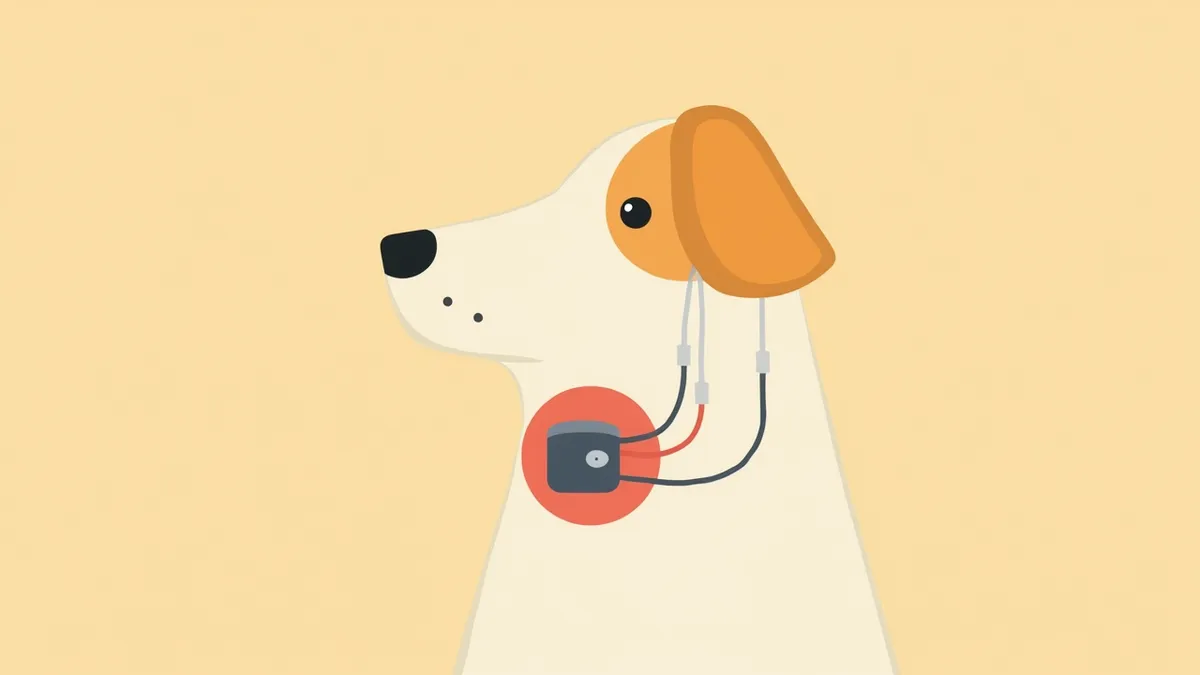
Inserting a pacemaker in dogs is a necessary treatment when their heart rate is too slow, leading to poor blood circulation. Accurate diagnosis by a veterinarian and proper management are essential.
What Is Pacemaker Implantation in Dogs?
What Are the Main Causes for Pacemaker Implantation?

What Are the Main Symptoms Indicating a Need for Pacemaker Implantation?

Emergency Signs Requiring Immediate Veterinary Visit
If your dog suddenly collapses, has a bluish tint to its mouth, struggles to breathe, or has a significantly slowed heart rate, seek veterinary care immediately. These symptoms could indicate a life-threatening cardiac arrhythmia.
What Are the Diagnostic Methods for Pacemaker Implantation?

What Are the Treatment Steps for Pacemaker Implantation?

Home Care Points After Pacemaker Implantation

Breed-Specific Precautions and Prevention of Recurrence
Schnauzer miniatures and West Highland White Terriers are relatively prone to sick sinus syndrome, while English Springer Spaniels have a higher incidence of atrial standstill. Therefore, it is important for dogs of these breeds to undergo regular cardiac check-ups with their veterinarian. Since pacemakers have a limited battery life, periodic evaluations can help detect battery depletion or electrode abnormalities at an early stage.
Reviewed by a veterinarian

Dr. Tony — Punnawat Phongkittirak
VeterinarianA veterinarian who majored in veterinary medicine at Khon Kaen University, Thailand, and completed the IVSA program at North Carolina State University in the United States. Drawing on clinical experience at animal hospitals, he works in the pet healthcare field and is dedicated to building a digital care environment that connects pet parents with veterinarians.
Reviewed 2026-06-05
Frequently Asked Questions
How long does pacemaker implantation surgery take?
Can my dog return to a normal life after having a pacemaker implanted?
How long does a pacemaker last?
Is there a risk of infection after pacemaker implantation?
Can my dog receive an electric shock due to the pacemaker?
Share
Related Guides

Coenzyme Q10 Benefits and Administration Guide

Dog Pulmonary Edema Warning — 7 Best Diuretics (Furosemide) for Heart Management

7 Best Prescription Diets for Feline Heart Disease Recommended by Veterinarians — Criteria for Choosing Low-Sodium Food

If Your Dog Is Gradually Losing Weight and Lacking Energy — Symptoms of Chronic Hepatitis and Lifelong Dietary Management

Canine Cholecystitis and Gallbladder Disease: Symptoms, Causes, Diagnosis, Treatment, and Management Essentials

Canine Genetic Hepatitis — A Complete Guide from Breed Predisposition to Symptoms, Diagnosis, and Management

If Your Dog’s Eyes Are Yellow — Biliary Obstruction Symptoms and Critical Treatment Timing

Canine Ascites and Liver Disease: Symptoms, Causes, Diagnosis, Treatment, and Management Essentials

Canine Liver Failure: Symptoms, Causes, Diagnosis, Treatment, and Management Essentials

If Your Cat’s Liver Is Hardening — From Causes of Liver Fibrosis to Diagnosis and Treatment Timing
References
[1] Zoll, P.M. (1952). Resuscitation of the heart in ventricular standstill by external electric stimulation. N. Engl. J. Med. 247: 768–771.
[2] DeFrancesco, T.C., Hansen, B.D., Atkins, C.E. et al. (2003). Noninvasive transthoracic temporary cardiac pacing in dogs. J. Vet. Intern. Med. 17: 663–667.
[3] Small Animal Critical Care Medicine, 3rd Ed. (2020). Chapter on Cardiac Pacing and Arrhythmias.