
Cat Hookworm Infection: Symptoms, Transmission Routes, and Treatment & Prevention Guide
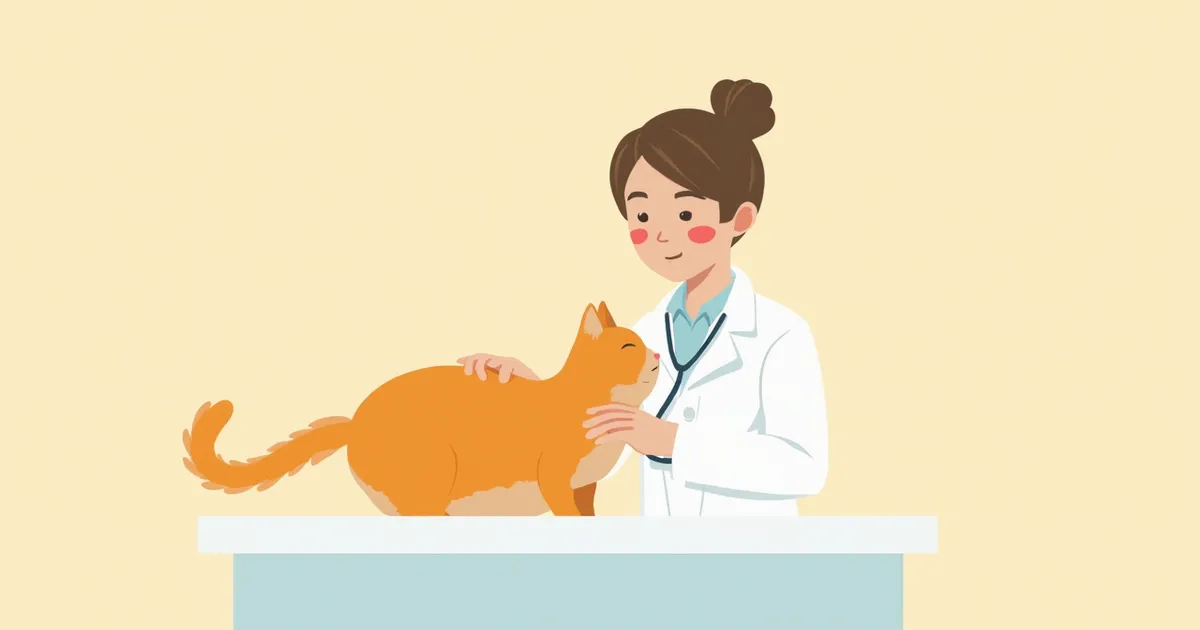
Hookworm infections in cats are parasitic diseases caused by nematodes that attach to the intestinal lining in the small intestine and feed on blood. Early detection and treatment are especially important in kittens, as anemia and bloody stools can worsen rapidly.
What is Feline Hookworm Infection?
How Does Infection Occur? — 3 Main Transmission Routes
Suspect Hookworm Infection If You Notice These Symptoms

Danger Signs Requiring Immediate Veterinary Care
If you notice any of the following symptoms in a kitten, seek immediate veterinary care. Kittens have a small blood volume, so anemia caused by blood loss from parasites or intestinal bleeding can progress rapidly and become life-threatening in a short time. Rather than waiting to see how long symptoms last, it’s safest to visit a vet as soon as you observe any of these signs: • Pale or white gums and tongue • Black, tarry stools or bright red blood in the stool • Sudden inability to stand or appearing lethargic and disoriented • Repeated diarrhea or vomiting in kittens under 8 weeks old
How Is It Diagnosed?
Treatment — Types and Characteristics of Dewormers
Home Care and Prevention of Reinfection
Indoor Cats Also Need Regular Deworming
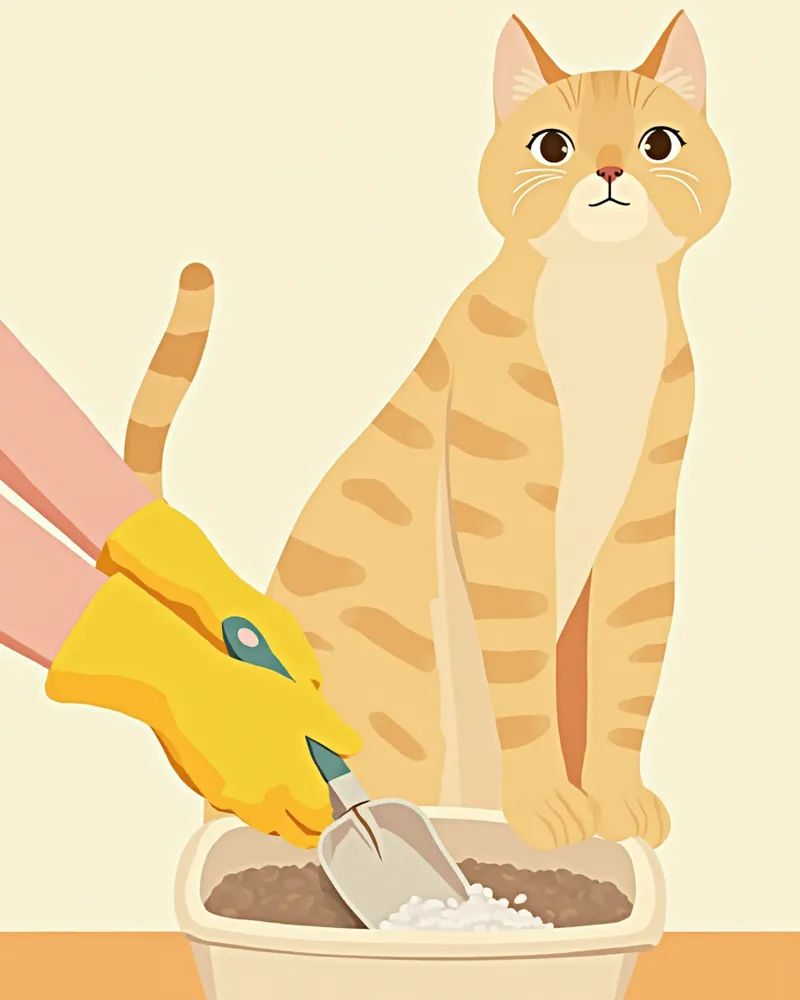
Many pet owners believe that indoor cats are free from parasites. However, parasite eggs or larvae can enter the home through shoe soles, clothing, or window gaps, and infections can also occur through raw or frozen food. Veterinary guidelines recommend that adult cats undergo fecal testing and deworming one to four times a year, depending on their living environment and health status. Kittens should be dewormed every two weeks from three to nine weeks of age, and then monthly until they reach six months of age. The type and frequency of deworming should be determined in consultation with a veterinarian based on your cat’s living environment.
Reviewed by a veterinarian

Dr. Tony — Punnawat Phongkittirak
VeterinarianA veterinarian who majored in veterinary medicine at Khon Kaen University, Thailand, and completed the IVSA program at North Carolina State University in the United States. Drawing on clinical experience at animal hospitals, he works in the pet healthcare field and is dedicated to building a digital care environment that connects pet parents with veterinarians.
Reviewed 2026-05-29
Frequently Asked Questions
Can a cat’s intestinal parasite infection be transmitted to humans?
When should I start deworming my kitten?
Why does my pet keep getting infected with worms even after deworming?
Should I have my pet tested for parasites even if they show no symptoms?
Can I buy deworming medication without a veterinarian’s prescription?
Share
Related Guides

5 Flea and Tick Preventives for Cats Recommended by Veterinarians — Ingredient Safety Comparison

The Ultimate Guide to Differentiating Symptoms, Managing Internal Parasites in Dogs, and Choosing the Best Products

Best Practices and Selection Criteria for Dog Heartworm Antigen Testing

Changes in Your Dog After the Baby Arrives — Causes of Behavioral Changes and Safe Adaptation Management

Why Is My Cat Spraying Urine Everywhere? — Causes of Spray Marking and Key Points for Distinguishing Medical Conditions
If Your Cat Keeps Fighting — Signs of Territorial Stress and When to Diagnose and Manage

Why Won’t My Cat Sleep at Night? — Causes of Sleep-Disrupting Behaviors and Disease Signals You Must Not Miss

My Cat Cries When Left Alone — Causes of Separation Anxiety and Signs It’s Time to Visit the Vet

Why Your Cat Suddenly Bites — Causes and Behavior Modification for Play Aggression

If Your Cat Keeps Losing Hair — Causes of Excessive Grooming and Signs to See a Vet
References
[1] Bowman DD et al., Georgis' Parasitology for Veterinarians, 10th Ed, Chapter 6: Nematoda (Ancylostoma spp., Uncinaria spp.), Elsevier, 2014
[2] Little SE (ed.), The Cat: Clinical Medicine and Management, 2nd Ed, Chapter on Gastrointestinal Parasites, Elsevier, 2022
[3] Ettinger SJ, Feldman EC (eds.), Clinical Medicine of the Dog and Cat, 4th Ed, Wiley-Blackwell, 2022