Like
Share
멍실장
강아지 구강 진균 감염 증상과 원인, 진단·치료와 관리 포인트 총정리

Complete Guide to Canine Oral Fungal Infection: Symptoms, Causes, Diagnosis, Treatment, and Management

Oral HealthDiseasesMeongsiljang Veterinary Advisory Board

Oral fungal infections in dogs occur when fungi such as Candida invade the oral mucosa, causing inflammation. Common signs include worsened bad breath, peeling around the mouth, and decreased appetite. Early detection and appropriate treatment are essential.

What Is Canine Oral Fungal Infection?

A slight white spot is visible in the puppy’s mouth.
Oral fungal infections in dogs occur when fungi proliferate in the mouth, causing inflammation of the mucous membranes. These infections are more likely to develop in dogs with weakened immune systems or those suffering from other systemic diseases. The risk of infection increases particularly in environments that compromise immune function or when medications suppress the immune system. When lesions develop, common symptoms include changes in the mucous membranes, pain, and decreased appetite. For an accurate diagnosis, a veterinary examination is necessary, along with a test that involves collecting cells from the affected area and examining them under a microscope. This type of testing also helps differentiate oral fungal infections from other oral diseases.

What Are the Main Causes of Oral Fungal Infection?

Oral fungal infections in dogs can arise from various systemic factors, with compromised immune function and chronic diseases considered key risk factors. When the immune response is weakened, conditions become favorable for fungal proliferation, which can subsequently affect oral tissues. Medically, secondary infections may develop in immunosuppressed states, so underlying diseases can exacerbate symptoms. Therefore, it is important to evaluate not just the oral cavity but the dog’s overall health status.
A puppy with white spots and red inflammation in its mouth

Check for Key Symptoms and Signs

Common signs of oral fungal infections in dogs include a noticeable worsening of bad breath and abnormal changes in the oral mucosa. In some cases, you may observe white deposits on the mucous membranes, increased mouth-opening behavior, decreased appetite, or refusal to eat. Because these symptoms can resemble those of other oral diseases, a veterinary examination is essential to accurately identify the cause and begin appropriate treatment.
A puppy with its mouth open, revealing white spots.

Signs Requiring Immediate Veterinary Visit

If your dog repeatedly opens its mouth or attempts to suck on objects, and has completely lost its appetite, you should seek veterinary care immediately. These signs may indicate severe pain or a worsening systemic condition. Delaying treatment can lead to more extensive damage to oral tissues and increase the risk of secondary infections.

Diagnostic Methods for Accurate Diagnosis
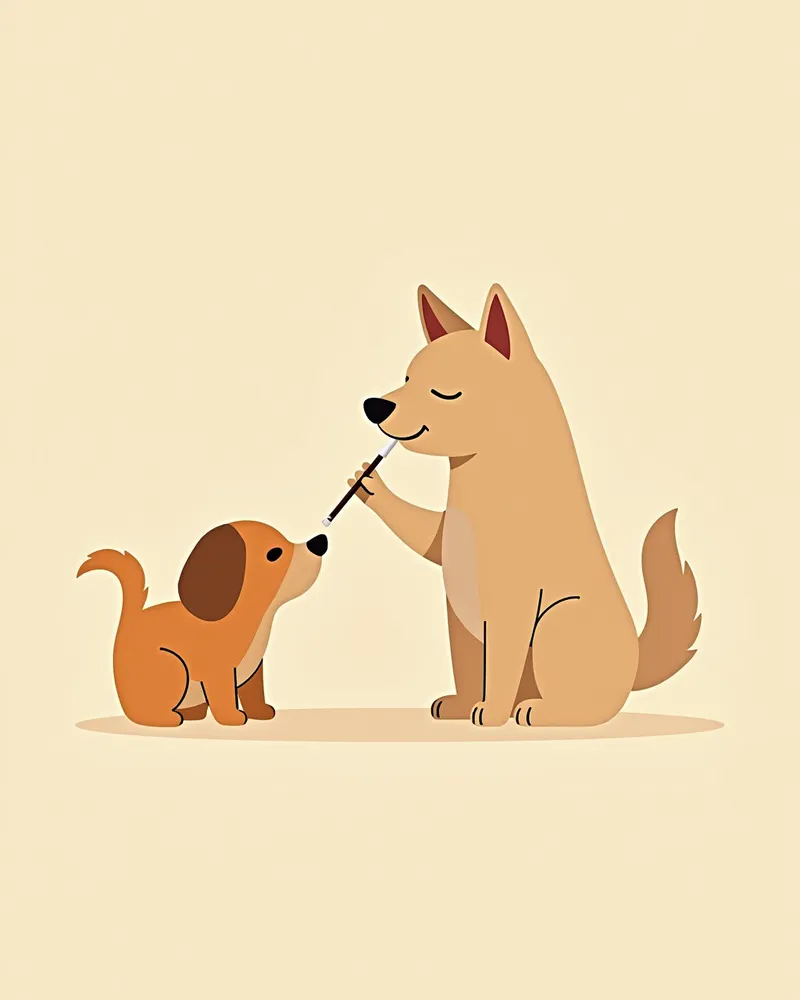
Diagnosing oral fungal infections in dogs involves collecting cell or tissue samples from the affected areas in the mouth for microscopic examination or culture testing. - Microscopic Examination: This allows for rapid assessment of infection by directly observing the morphology of the fungus, including its shape, size, budding, and branching patterns. - Culture Testing: This identifies the specific type of fungus and determines its susceptibility to various antifungal medications. - Blood Tests: These help evaluate the dog’s overall health and immune status to identify underlying causes contributing to the infection. - Antigen and Urine Tests: For certain fungi, additional confirmation can be achieved through antigen testing on samples such as urine. - Systemic Evaluation: We also check for infections in other parts of the body beyond the mouth. Combining multiple diagnostic tests is recommended for an accurate diagnosis.
A veterinarian collecting a sample from a puppy's mouth.

Treatment Methods and Step-by-Step Management
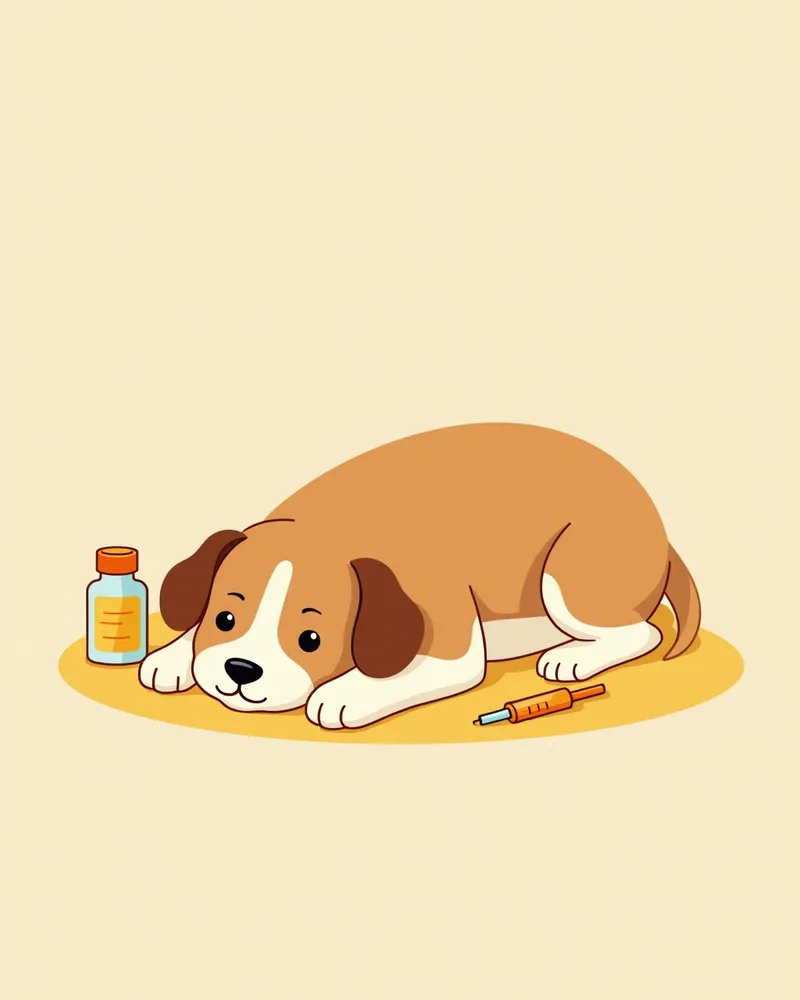
Treatment for fungal infections in a dog’s mouth should be based on an accurate diagnosis by a veterinarian, and it is important to manage the oral environment alongside antifungal medication. Antifungal agents such as itraconazole or fluconazole may be used, and treatment typically continues for a certain period even after clinical symptoms have resolved. Supporting the treatment by maintaining oral hygiene with veterinarian-recommended products, ensuring proper nutrition, and reducing stress can also be beneficial. Regular check-ups are recommended to monitor the effectiveness of the treatment.
A puppy using mouthwash.

Home Care and Prevention Tips

Canine oral fungal infections can recur due to various factors, so long-term management is essential. For oral hygiene, it’s best to consistently use products recommended by your veterinarian, and choose food that keeps your dog’s mouth comfortable. Regular exercise, adequate rest, and a balanced diet help maintain stable immune function. It’s important to continue antifungal treatment for the full duration advised by your veterinarian, even after symptoms improve, and always consult your vet before starting any supplementary care. Monitor your dog’s condition through regular check-ups, and maintain hygiene by thoroughly cleaning food and water bowls daily.
A puppy drinking water with an oral care tool nearby

Preventing Relapse and Breed-Specific Precautions

Canine oral fungal infections can recur even after initial improvement, so preventing relapse is crucial. These fungal conditions are more commonly reported in younger dogs, typically between 1 and 5 years of age, making it especially important to monitor their oral health closely during this period. Additionally, dogs with weakened immune systems or those undergoing immunosuppressive therapy are at higher risk of infection, so consistent care and regular veterinary check-ups are essential.

Reviewed by a veterinarian

Dr. Tony — Punnawat Phongkittirak

Dr. Tony — Punnawat Phongkittirak

Veterinarian

A veterinarian who majored in veterinary medicine at Khon Kaen University, Thailand, and completed the IVSA program at North Carolina State University in the United States. Drawing on clinical experience at animal hospitals, he works in the pet healthcare field and is dedicated to building a digital care environment that connects pet parents with veterinarians.

Frequently Asked Questions

Could your dog’s bad breath be caused by a fungal infection?
If your pet’s bad breath worsens significantly and you notice white spots in their mouth, a fungal infection could be the cause. However, other oral diseases can also lead to these symptoms, so a veterinary diagnosis is necessary.
What should I do if my pet’s mouth gets sore after taking antibiotics?
If your pet’s oral condition has worsened during or after antibiotic treatment, it may be due to fungal overgrowth triggered by changes in immunity or the oral environment. Since it can be difficult to assess this on your own, we recommend consulting your veterinarian for an examination and, if necessary, starting antifungal therapy.
Which oral rinse should I use?
Use a veterinarian-recommended cleanser containing antifungal ingredients. Never use regular toothpaste, as it can be dangerous for dogs.
Can fungal infections be transmitted to humans?
It is generally not highly contagious. However, individuals with weakened immune systems—such as young children, the elderly, or those with underlying health conditions—should take extra precautions. Always wash your hands thoroughly after contact.
What should I do if my pet still has bad breath after treatment?
If bad breath persists after treatment, there may be remaining oral lesions or an underlying condition. It’s important to consult with your veterinarian for further evaluation and testing.

Share

Related Guides

References

[1] Plumb's Veterinary Drug Handbook, 9th Edition. 2022. Wiley-Blackwell.

[2] Muller & Kirk’s Small Animal Dermatology, 7th Edition. Elsevier, 2013.

[3] Applied Veterinary Clinical Nutrition, 2nd Edition. Wiley-Blackwell, 2018.

This information is based on veterinary literature and does not replace diagnosis or treatment. Please consult a veterinarian for specific health concerns.

Metapet Co., Ltd. | CEO: Park Sung-yong | Business Reg. No. 417-88-02562 | Seoul, South Korea | Customer Center

Canine Oral Fungal Infection: Symptoms, Causes & Treatment | Meongsiljang