Like
Share
멍실장
고양이 피부사상균(링웜)과 기생충 감별 증상과 원인, 진단·치료와 관리 포인트 총정리

Feline Dermatophytosis (Ringworm): A Complete Guide to Differential Symptoms, Causes, Diagnosis, Treatment, and Management

Infection/ParasitesDiseasesMeongsiljang Veterinary Advisory Board

Feline dermatophytosis (ringworm) is a contagious skin disease caused by a microalgae infection. Because its symptoms can resemble those of parasitic infestations, accurate differential diagnosis is essential. With proper diagnosis and treatment, your cat can recover quickly.

Feline dermatophytosis (ringworm) is a contagious skin disease

A cat with circular, scaly skin lesions on the ears
Feline dermatophytosis, commonly known as ringworm, is a contagious skin disease caused by infection with the fungus Microsporum canis. It is not caused by algae, but by a fungus that invades keratin structures such as hair and skin. The condition is most commonly seen in kittens, debilitated cats, or those with chronic diseases that have compromised their immune systems. Infection spreads through direct contact with spores or via contaminated environments. Early signs include mild scaling and patchy hair loss, which may progress to larger areas of alopecia accompanied by scaly crusts, scabs, and broken hairs. Although not life-threatening, ringworm is zoonotic and can be transmitted to humans and other animals, making consistent management essential.

The main cause is Microsporum infection
The most common cause of feline dermatophytosis is Microsporum canis. This fungus primarily uses cats as its host and can survive for extended periods on contaminated fur, combs, bedding, and floors. Infection typically occurs through direct contact with other cats or exposure to contaminated environments. Cats that go outdoors or visit veterinary clinics and grooming salons are particularly at risk. Kittens, senior cats, and those with chronic illnesses or weakened immune systems are more susceptible to infection.
Fungal spores clinging to a cat’s hair, as seen under a microscope

Check the main symptoms and differential signs
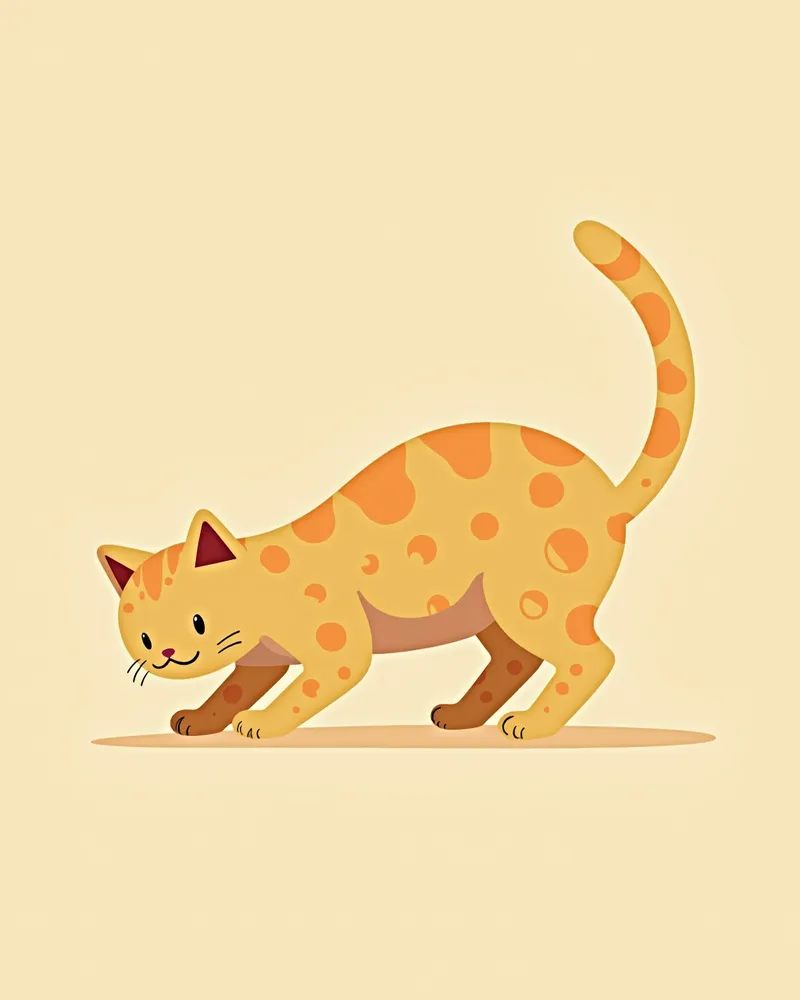
The hallmark sign of feline dermatophytosis is hair loss, or alopecia. This hair loss may be localized to a single spot, appear in multiple patches, or spread over a wider area, and it is often accompanied by flaky scales and crusts. Broken hairs are also a common indicator. Itching is inconsistent; while some cats may scratch, many with dermatophytosis show little to no pruritus. Lesions typically develop around the nose and mouth, on the legs, toes, around the eyes, on the ears (pinnae), and on the tail, usually accompanied by hair loss. Unlike parasitic infections, dermatophytosis tends to cause mild itching, whereas parasitic infestations are characterized by irregular hair loss, intense itching, and frequent scratching. Accurate diagnosis is essential to determine the appropriate treatment plan.
A cat with circular, scaly lesions on its legs and tail

Symptoms requiring an immediate vet visit

Feline dermatophytosis is typically not life-threatening and may resolve on its own over time, but treatment can shorten the duration of the condition and prevent transmission to other animals and humans. If the lesions are spreading, itching is worsening, or you have multiple cats in your household where the infection could spread quickly, it’s best to visit a veterinary clinic. A proper diagnosis and timely treatment at the clinic can help prevent the condition from becoming chronic or leading to additional lesions.

Diagnostic tests for an accurate diagnosis
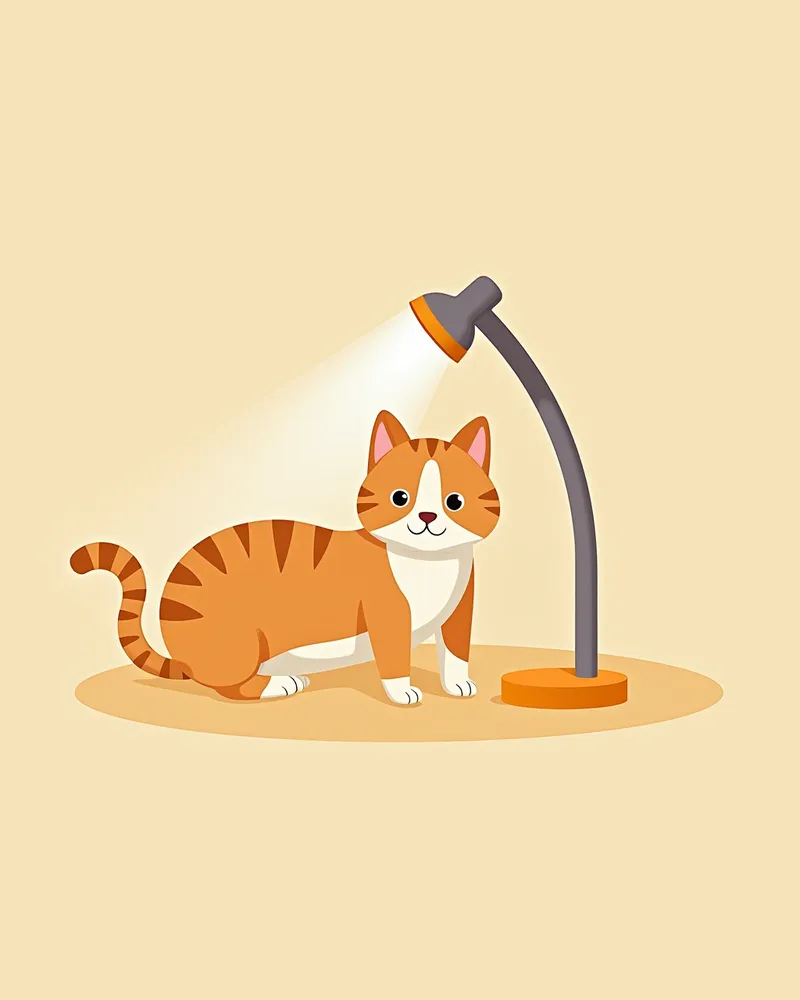
Feline dermatophytosis is diagnosed using a combination of tests. A commonly used method is the Wood’s lamp examination, which checks whether hairs infected with Microsporum species fluoresce an apple-green color. However, the absence of fluorescence does not rule out infection, so this test has limited accuracy. A more definitive approach involves collecting hair and skin scales for fungal culture, which is considered the standard diagnostic method. Veterinarians may also directly observe spores (arthroconidia) invading the hair under a microscope or detect Microsporum genetic material through PCR testing. Your veterinarian will make a diagnosis by综合考虑 the characteristics of the lesions, clinical signs, and environmental factors.
A veterinarian examining a cat's skin lesions with a UV lamp.

Treatment involves medication and environmental cleaning
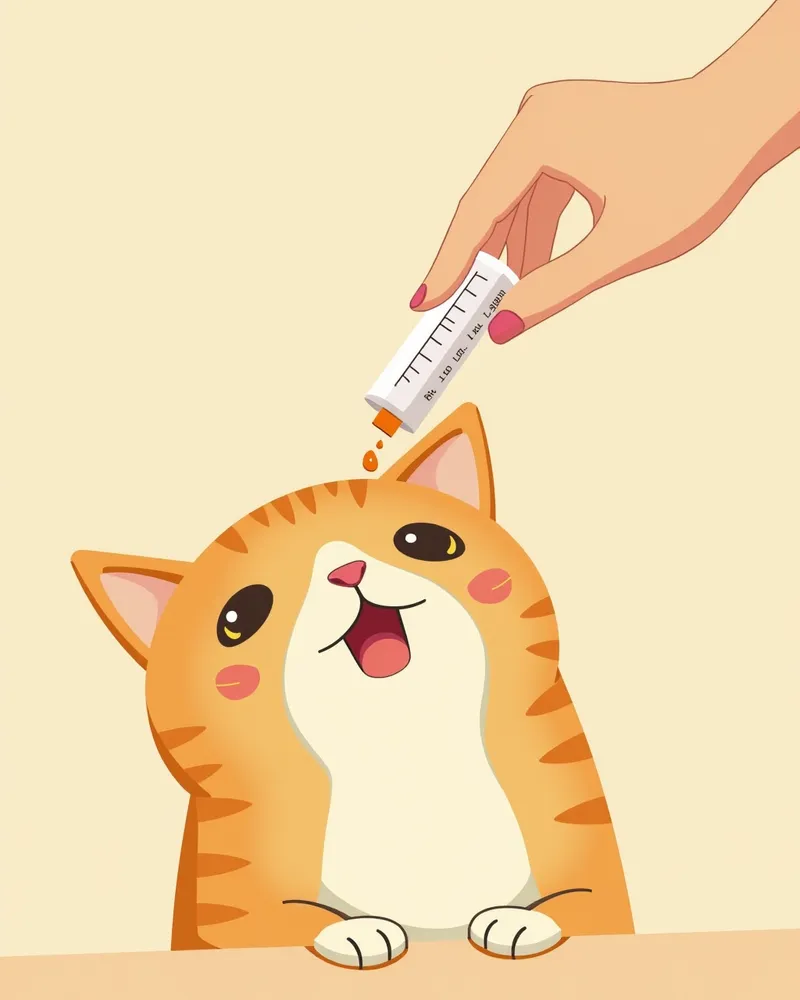
Treating feline dermatophytosis is most effective when systemic (oral) medication, topical treatments, and environmental cleaning are used together. Common oral antifungal medications include itraconazole and terbinafine. Topical therapy is equally important as systemic treatment because it is the only way to eliminate spores that adhere to the fur and cause transmission. Therefore, before applying medication, brush the coat to remove loose hairs, then thoroughly saturate the entire body with antifungal shampoo or rinse, using it approximately twice a week. At the same time, wash bedding, brushes, toys, and floors at high temperatures or disinfect them, and wipe hard surfaces with diluted bleach. Treatment must be continued consistently until complete recovery is confirmed.
A veterinarian administering an oral antifungal medication to a cat.

Essential home care and prevention tips
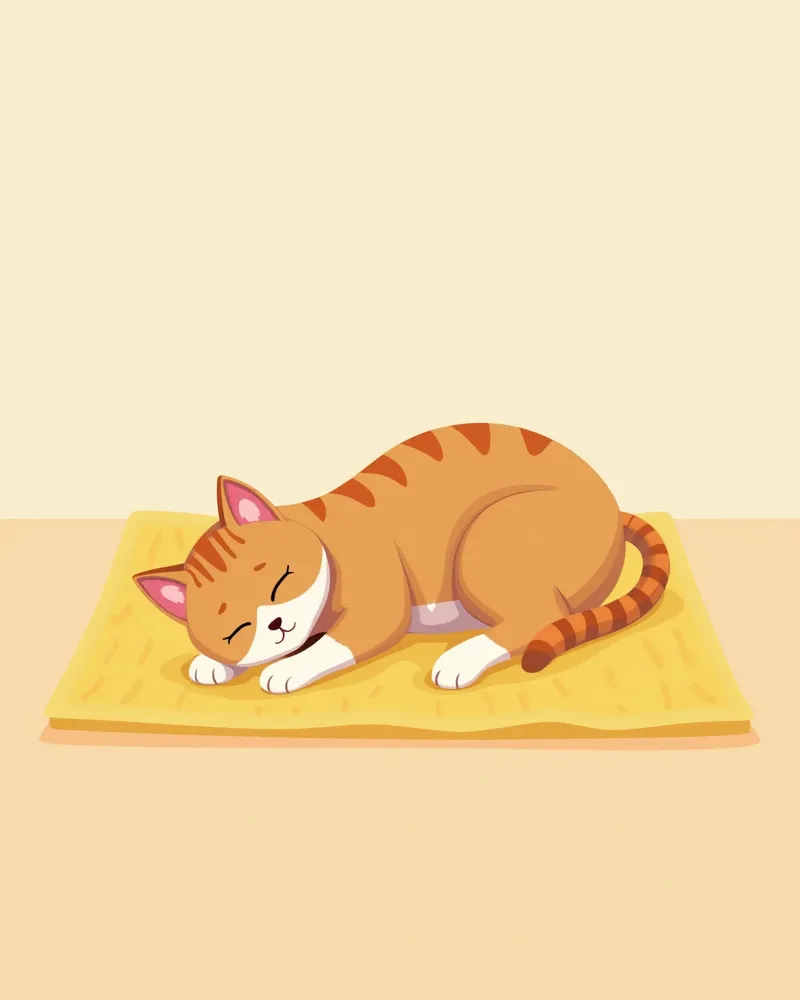
Effective home care is key to successfully treating feline dermatophytosis. Keep the infected cat separated from healthy cats, and prevent contact with other animals during treatment. Wash or disinfect used combs, bedding, and toys at high temperatures, and wipe hard surfaces with diluted bleach to reduce spores. Regularly comb the cat’s fur to remove loose hair, and always wash your hands after touching infected areas with bare hands. Since the infection can spread to humans, extra caution is needed around children or immunocompromised individuals. Even after treatment ends, it’s advisable to confirm complete recovery through fungal culture tests until results are negative.
A cat lying on a disinfected bed

Infection risk may vary by cat breed

Textbooks note that there are no clear differences in the incidence of feline dermatophytosis based on age, breed, or sex. Therefore, it is difficult to conclude that only specific breeds, such as Persians, are at risk. Instead, the condition is more commonly seen in kittens, weakened cats, or those with chronic illnesses that compromise their immune systems. Additionally, the risk of transmission increases in high-density environments, such as shelters or multi-cat households. If you suspect an infection, visit a veterinary clinic early for testing, and maintain thorough coat care and environmental hygiene to help prevent the disease.

Reviewed by a veterinarian

Dr. Tony — Punnawat Phongkittirak

Dr. Tony — Punnawat Phongkittirak

Veterinarian

A veterinarian who majored in veterinary medicine at Khon Kaen University, Thailand, and completed the IVSA program at North Carolina State University in the United States. Drawing on clinical experience at animal hospitals, he works in the pet healthcare field and is dedicated to building a digital care environment that connects pet parents with veterinarians.

Frequently Asked Questions

Can feline ringworm be transmitted to humans?
Yes, feline dermatophytosis is a zoonotic disease that can be transmitted to humans. Extra caution is especially important for children and individuals with weakened immune systems. However, it is not life-threatening, and it responds well to treatment in humans as well.
How long does the treatment period last?
The treatment duration varies depending on the severity of the lesions and the response to therapy. Treatment should be continued until the lesions have resolved and culture tests confirm negative results. Without treatment, natural recovery may take several weeks to several months. Stopping treatment midway increases the risk of reinfection.
Do parasites and dermatophytes cause similar symptoms?
Yes, some symptoms do overlap. However, dermatophytosis (ringworm) typically presents with hair loss, flaky scaling, crusts, and broken hairs, with little to no itching. In contrast, parasitic infestations are usually accompanied by patchy hair loss, intense itching, and frequent scratching. Because the symptoms can be similar, an accurate diagnosis is essential.
How should I clean my home?
Beds, combs, and toys should be washed in hot water or cleaned with a disinfectant. For hard floors and surfaces, wipe them down with water and detergent, then disinfect with diluted bleach. Any fur shed by an infected cat must be disposed of separately.
Is it okay for my cat to come into contact with other cats while undergoing treatment?
No, during treatment, infected cats should be kept separate from healthy ones to prevent the spread of the infection, as it is highly contagious and can spread quickly. Even after treatment is complete, it’s safest to confirm full recovery through a culture test.

Share

Related Guides

References

[1] Moriello KA (2019) Dermatophytosis in cats and dogs: A practical guide to diagnosis and treatment. /n Practice 41, 138-144.

[2] BSAVA Manual of Canine and Feline Dermatology, 4th Ed (2017). Chapter on Dermatophytosis.

[3] Clinical Medicine of the Dog and Cat, 4th Ed (2020). Dermatologic Disorders section.

This information is based on veterinary literature and does not replace diagnosis or treatment. Please consult a veterinarian for specific health concerns.

Metapet Co., Ltd. | CEO: Park Sung-yong | Business Reg. No. 417-88-02562 | Seoul, South Korea | Customer Center

Feline Ringworm vs. Parasites: Symptoms & Diagnosis | Meongsiljang