Like
Share
멍실장
강아지 중이염(고막 안쪽) 증상과 치료

Symptoms and Treatment of Canine Otitis Media (Behind the Eardrum)

Brain & CognitionDiseasesMeongsiljang Veterinary Advisory Board

Canine otitis media is an inflammatory condition affecting the middle ear space, located behind the eardrum. It can easily develop if otitis externa (outer ear inflammation) is left untreated for too long. If you notice symptoms such as head tilting or balance issues, seek veterinary care promptly.

What is Canine Otitis Media?
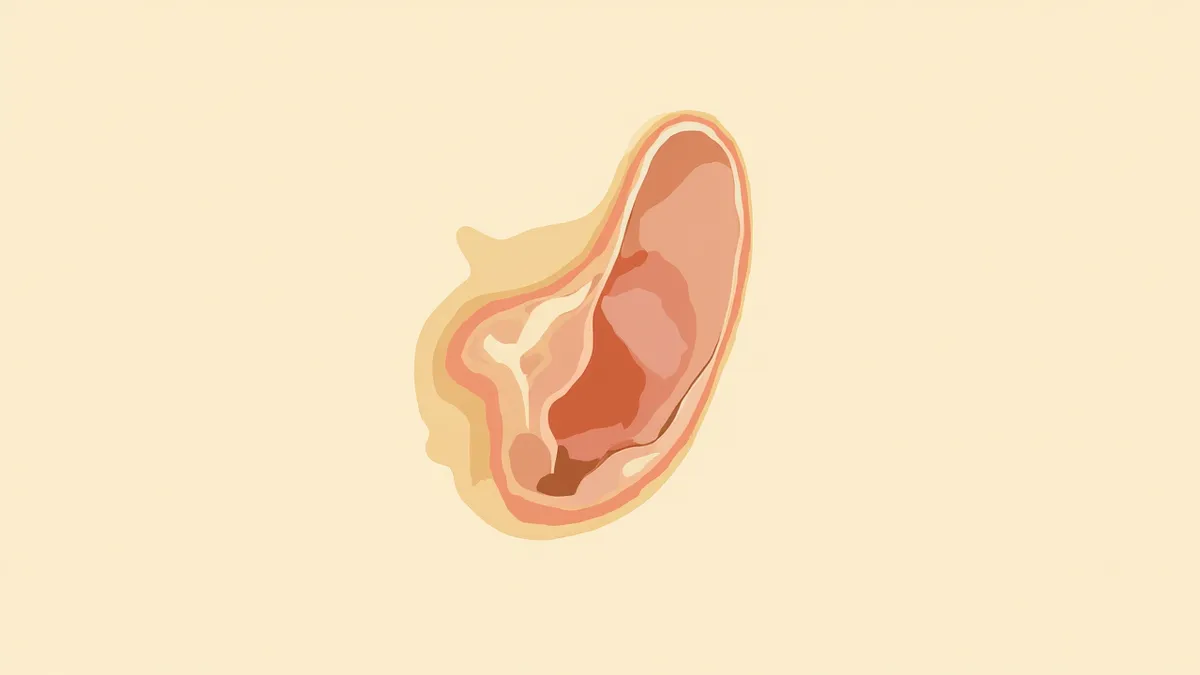
An anatomical illustration showing the dog's ear structure divided into the outer, middle, and inner ear.
Canine otitis media is an ear condition in which bacteria or fungi cause inflammation in the middle ear space, located behind the eardrum. Early detection is key. If your dog has had untreated otitis externa for more than two to three months, or if you notice them tilting their head to one side and struggling to maintain balance, they should be seen by a veterinarian within 24 hours. Because the middle ear is in close proximity to the auditory and facial nerves, delayed treatment can lead to facial paralysis or spread to the inner ear, causing otitis interna.

Why Does It Occur? Main Causes

Most cases of otitis media in dogs develop when chronic otitis externa spreads inward through the eardrum. Veterinary dermatology textbooks note that otitis media in dogs and cats typically results from otitis externa, and one study reported that a significant proportion of 214 dogs undergoing advanced diagnostics for suspected middle ear disease were indeed confirmed to have otitis media. The risk is higher in breeds with floppy ears that limit ventilation or with narrow, hairy ear canals—such as Cocker Spaniels, Shih Tzus, and Poodles—as well as in dogs with allergic (atopic) dermatitis or those whose eardrums were damaged during ear cleaning. The longer otitis externa is left untreated, the greater the risk of inflammation spreading to the middle ear, making early detection and management essential.

Symptoms You Can Check at Home

Unlike outer ear infections, otitis media begins deep inside the ear where it isn’t easily visible, so behavioral changes are often the first sign.
Head tilting: A persistent head tilt to one side may indicate a problem with the middle ear or balance function.
Balance issues: Your pet may stumble or walk in circles while staying in place.
Pain responses: They may show discomfort when you touch the area under the ear or jaw, or when opening their mouth. Frequent head shaking or ear scratching are also common.
Hearing loss: They may respond more slowly to their name or seem to have difficulty hearing.
Facial changes: Drooping of one eyelid or a downturned corner of the mouth can signal involvement of the facial nerve.
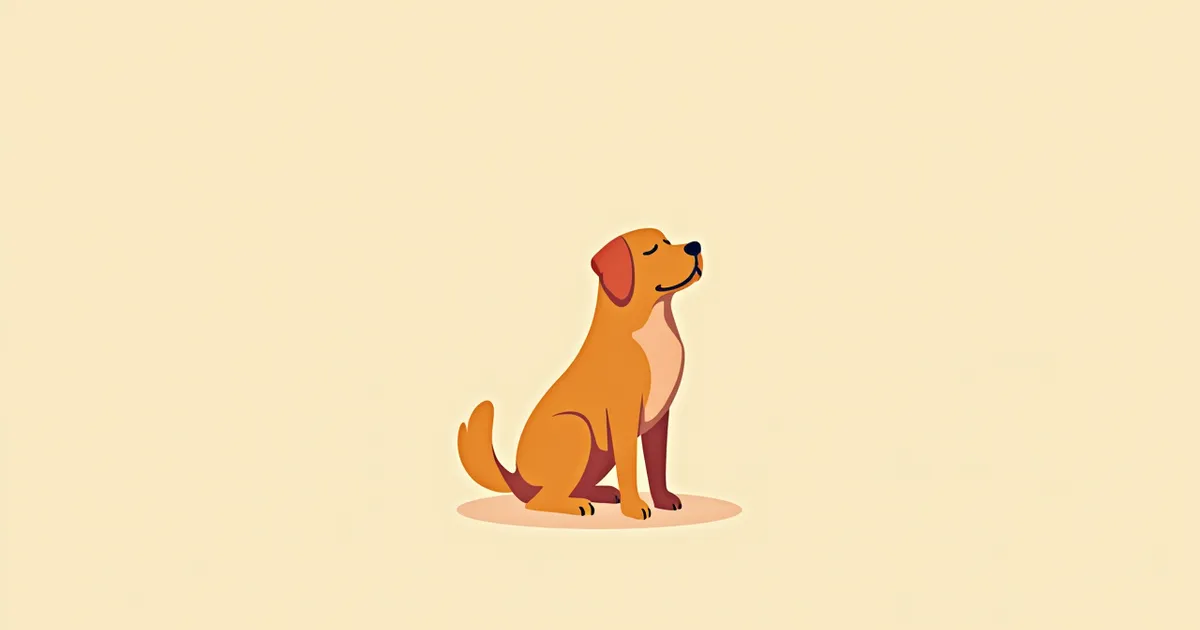
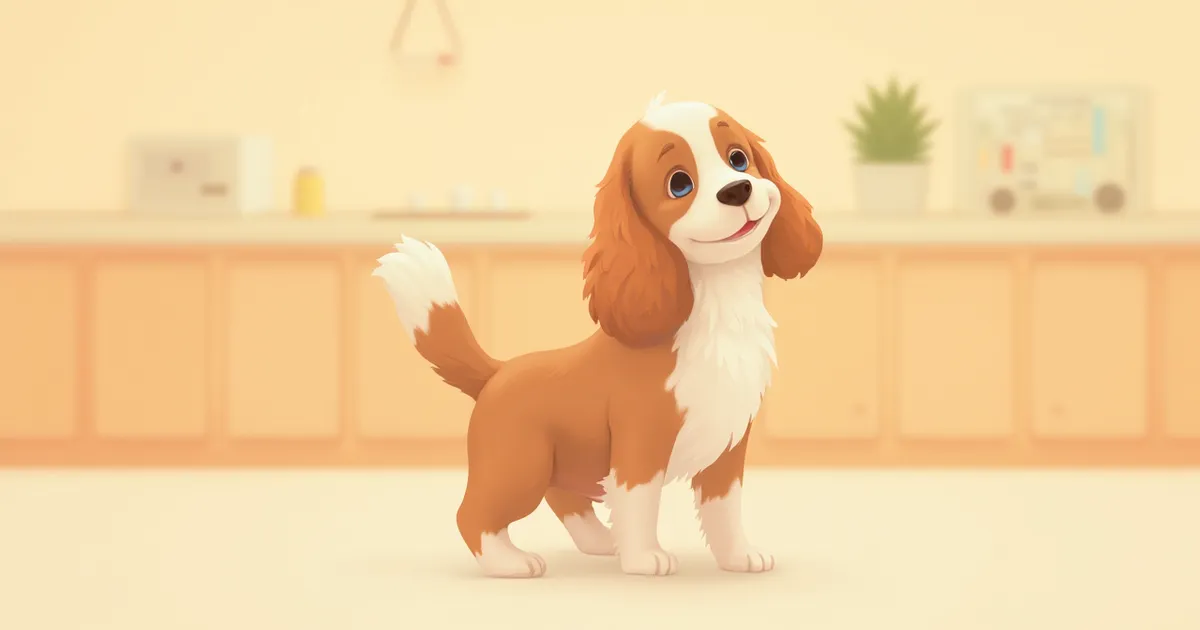
A puppy sitting with its head tilted to one side

Seek Veterinary Care Immediately If These Symptoms Appear

If any of the following signs appear, seek veterinary care within 24 hours. If otitis media spreads to the inner ear, it can lead to permanent balance impairment or hearing loss. The following four signs are classified as neurological emergencies: ① nystagmus, characterized by continuous rhythmic shaking of the eyes in one direction; ② circling behavior, where the pet repeatedly turns in place; ③ facial paralysis, causing one side of the face to droop; and ④ an inability to stand, accompanied by vomiting.

How Is It Diagnosed at the Clinic?

At the veterinary clinic, we first examine the eardrum using an otoscope. If the eardrum appears swollen or perforated, we strongly suspect otitis media. For a definitive diagnosis, CT or MRI imaging is used to directly assess fluid and tissue changes within the middle ear cavity, as standard X-rays are insufficient due to the small size of the middle ear space. To identify the specific infectious agent, we perform a tympanocentesis with bacterial culture, collecting samples from the middle ear through the eardrum.

Treatment Methods — Medication and Surgery
Treatment is broadly divided into two stages, depending on the severity of the condition.
Medical management: If the eardrum remains intact without significant damage, we treat the underlying otitis externa alongside systemic antibiotics. Because the thickened ear mucosa slows drug penetration, long-term treatment spanning several weeks is usually necessary and must continue until discharge and inflammation have resolved. Systemic steroids may also be used to reduce swelling and discharge.
Surgical management: Thoroughly flushing the middle ear cavity to remove its contents is the most critical step in treating otitis media, so we typically perform a myringotomy and middle ear lavage under general anesthesia. If the condition does not respond to medication or progresses to a chronic, recurrent state, we may perform a total ear canal ablation (TECA) to remove part of the ear structure.
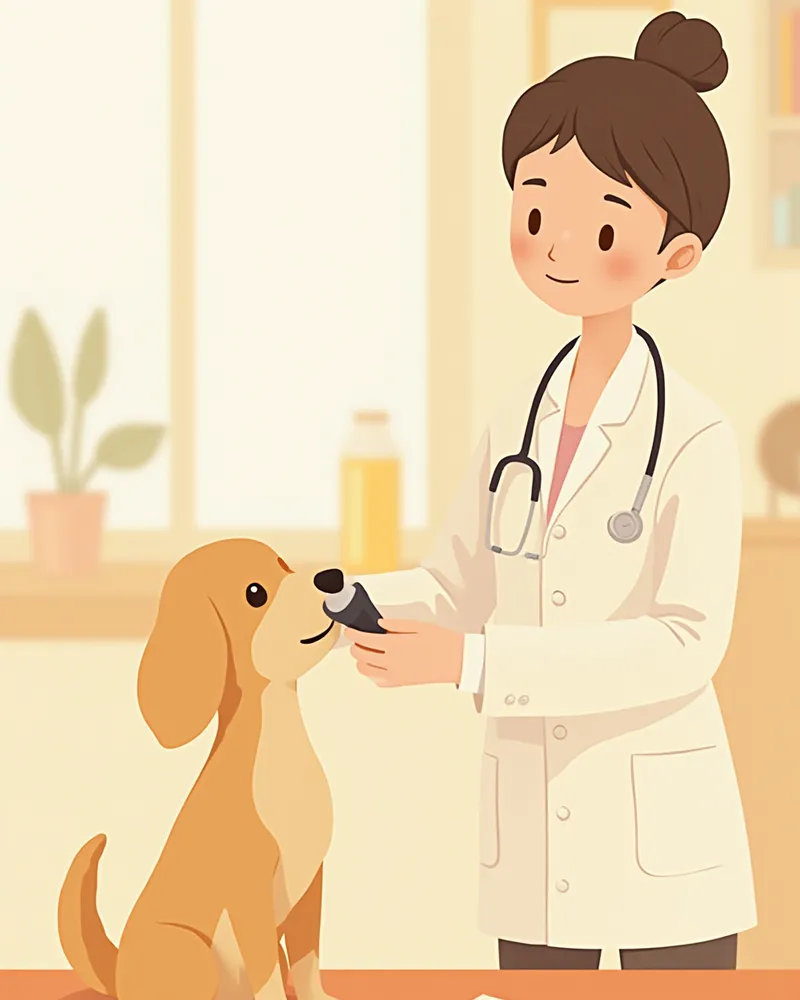
A veterinarian examining the inside of a dog's ear using an otoscope

Management Points at Home

During treatment, it’s crucial to keep water out of the ears. When bathing your pet, gently place a small piece of cotton in the ear canal or wash only the lower part of the ear, and be sure to apply the prescribed ear drops at the scheduled times. Avoid self-cleaning, as it can irritate the eardrum; use only the medications directed by your veterinarian. In many cases, your vet may also recommend adjusting the protein sources in your pet’s diet to help reduce potential allergens.

Breeds at High Risk of Recurrence

Breeds with floppy ears that limit airflow or with narrow, hairy ear canals—such as Cocker Spaniels, Basset Hounds, Shih Tzus, Poodles, and Retrievers—are prone to a moist ear environment, making them susceptible to otitis media and frequent recurrences. Cavalier King Charles Spaniels, which are particularly prone to primary secretory otitis media, also fall into this high-risk category. For these breeds, it is advisable to have a veterinarian regularly check their ears even after treatment is complete, while also managing allergies and controlling humidity. If recurrences persist, surgical intervention may need to be considered, so please monitor closely for signs such as an unusual ear odor or excessive scratching.

Reviewed by a veterinarian

Dr. Tony — Punnawat Phongkittirak

Dr. Tony — Punnawat Phongkittirak

Veterinarian

A veterinarian who majored in veterinary medicine at Khon Kaen University, Thailand, and completed the IVSA program at North Carolina State University in the United States. Drawing on clinical experience at animal hospitals, he works in the pet healthcare field and is dedicated to building a digital care environment that connects pet parents with veterinarians.

Frequently Asked Questions

How can you tell the difference between otitis externa and otitis media?
Otitis externa is characterized by inflammation of the ear flap and external ear canal, with primary symptoms including scratching at the ears and an unpleasant odor. Otitis media occurs when the infection has spread beyond the eardrum into the middle ear, often accompanied by neurological signs such as head tilting, balance issues, and facial changes. If behavioral changes are present, otitis media should be suspected.
Can proper ear cleaning alone prevent otitis media?
Cleaning your pet’s ears can help prevent otitis externa, but inserting anything too deeply with improper technique can damage the eardrum and lead to otitis media. Gently wipe only the outer ear flap once or twice a week, and use only veterinarian-recommended cleaning solutions for the inner ear.
How long does treatment usually take?
The recovery timeline varies significantly depending on the severity of the condition. In mild cases, improvement may be seen within about a month, but if the condition is chronic or accompanied by eardrum damage, it can take an average of four months or even up to a year to fully recover. If surgery is required, additional recovery time will be needed. Even if symptoms appear to improve, it is essential to continue medication until the discharge and inflammation have completely resolved and your veterinarian confirms that treatment can be stopped, to prevent recurrence.
Can otitis media spread to the brain?
Although rare, it is possible. If otitis media spreads from the middle ear through the inner ear to the area near the brainstem, it can progress to meningitis or a brain abscess. Therefore, if neurological symptoms appear, immediate emergency veterinary care is essential, and CT or MRI imaging is recommended.
Can the condition recur even after a complete cure?
Yes, this is a condition that frequently recurs. In particular, dogs with allergic dermatitis or structural ear issues are at high risk of recurrence, so regular check-ups are necessary even after successful treatment. If you notice signs of recurrence, such as head tilting or an unpleasant odor from the ears, please schedule a follow-up visit promptly.

Share

Related Guides

References

[1] Ettinger SJ, Feldman EC. Textbook of Veterinary Internal Medicine, 8th Ed. Diseases of the Ear

[2] Nelson RW, Couto CG. Small Animal Internal Medicine, 6th Ed. Otitis Media and Interna

[3] Fossum TW. Small Animal Surgery, 5th Ed. Surgery of the Ear

[4] Côté E. Clinical Veterinary Advisor: Dogs and Cats, 4th Ed. Otitis Media/Interna

This information is based on veterinary literature and does not replace diagnosis or treatment. Please consult a veterinarian for specific health concerns.

Metapet Co., Ltd. | CEO: Park Sung-yong | Business Reg. No. 417-88-02562 | Seoul, South Korea | Customer Center

Canine Otitis Media: Symptoms & Treatment (Middle Ear) | Meongsiljang