Like
Share
멍실장
고양이 알로에중독 증상과 응급 대처법, 위험 섭취량과 예방까지 총정리

If Your Cat Ate Aloe — A Complete Guide to Poisoning Symptoms, Emergency Care, and Prevention

Emergency/ToxicityDiseasesMeongsiljang Veterinary Advisory Board

We’ve compiled the key points based on veterinary textbooks: the signs of aloevera poisoning in cats that lick or chew the plant, emergency symptoms that require immediate veterinary care, and preventive measures for your home.

What Is Aloe Poisoning in Cats?
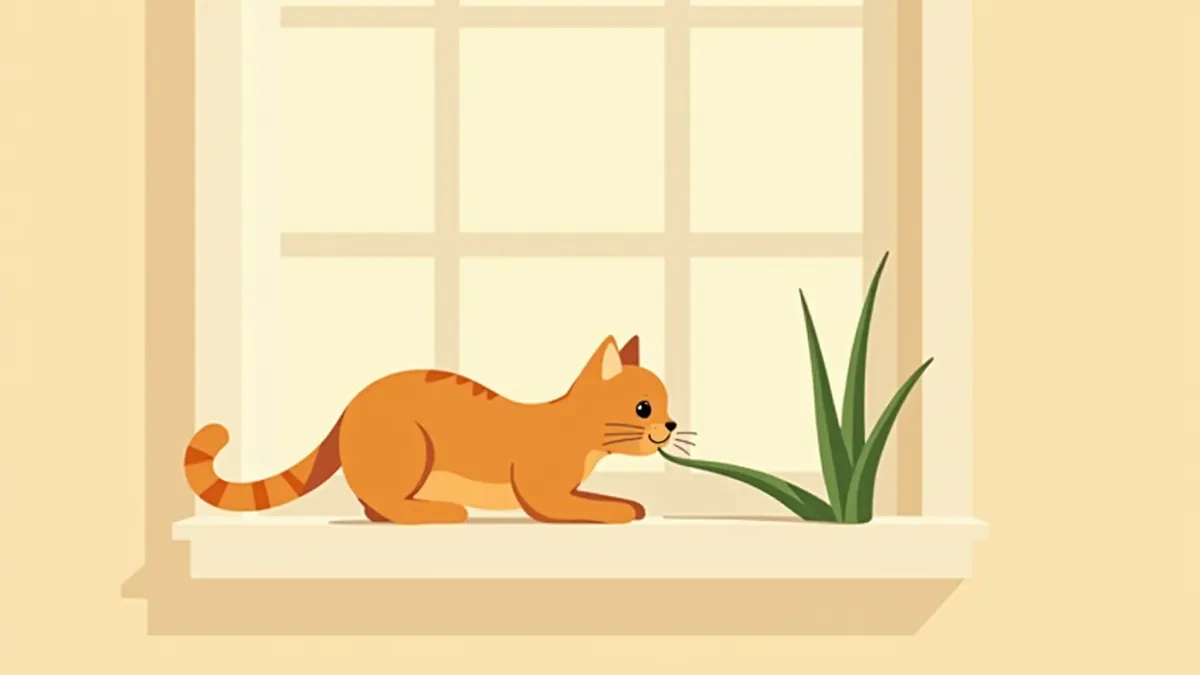
A cat sniffing an aloe leaf up close
Aloe poisoning in cats is a toxic reaction that can occur when they ingest Aloe vera plants. The yellow latex layer just beneath the skin of the aloe leaf contains irritants, including aloin, which can stimulate the gastrointestinal tract and lead to digestive symptoms if consumed by a cat. There is no clearly defined threshold for how much aloe is dangerous to cats, so the safest approach is to prevent them from eating any amount. If you notice symptoms such as vomiting, diarrhea, or lethargy after ingestion, or if you observe any changes in your cat’s urine color or volume, do not try to assess the situation on your own—contact a veterinary clinic for advice. Even if no symptoms appear, do not become complacent; monitor your cat closely and consult with your veterinarian.

Why Aloe Is Dangerous for Cats

Aloe leaves consist of two distinct layers. The clear gel inside is relatively mild, but the yellow latex layer just beneath the skin contains higher concentrations of anthraquinone glycosides like aloin, as well as saponins. These compounds can irritate the intestinal lining, potentially leading to gastrointestinal symptoms such as vomiting or diarrhea. Cats are known to have limited ability to metabolize and detoxify certain substances compared to humans and some other animals, making them more sensitive to irritants. However, the impact of aloe ingestion on a cat’s kidney function or urine color can vary depending on the individual and the amount consumed. If you notice any unusual symptoms, it’s safest to consult your veterinarian rather than making your own judgment.

Checklist of Major Symptoms of Aloe Poisoning in Cats

Vomiting: Often occurs repeatedly shortly after ingestion.
Diarrhea: Persistent, watery stools increase the risk of dehydration.
Lethargy: The pet shows reduced activity and appears listless compared to usual.
Loss of Appetite: The pet may sniff the food bowl but then turn away.
Tremors or Muscle Spasms: These may occur in severe cases.
Changes in Urination: If urine color or volume differs from normal, it may signal an underlying health issue; please inform your veterinarian.
Abdominal Pain: The pet may avoid having its belly touched or assume a hunched posture.
The type and severity of symptoms can vary depending on the amount ingested and individual factors. If you notice any abnormalities, please consult your veterinarian.
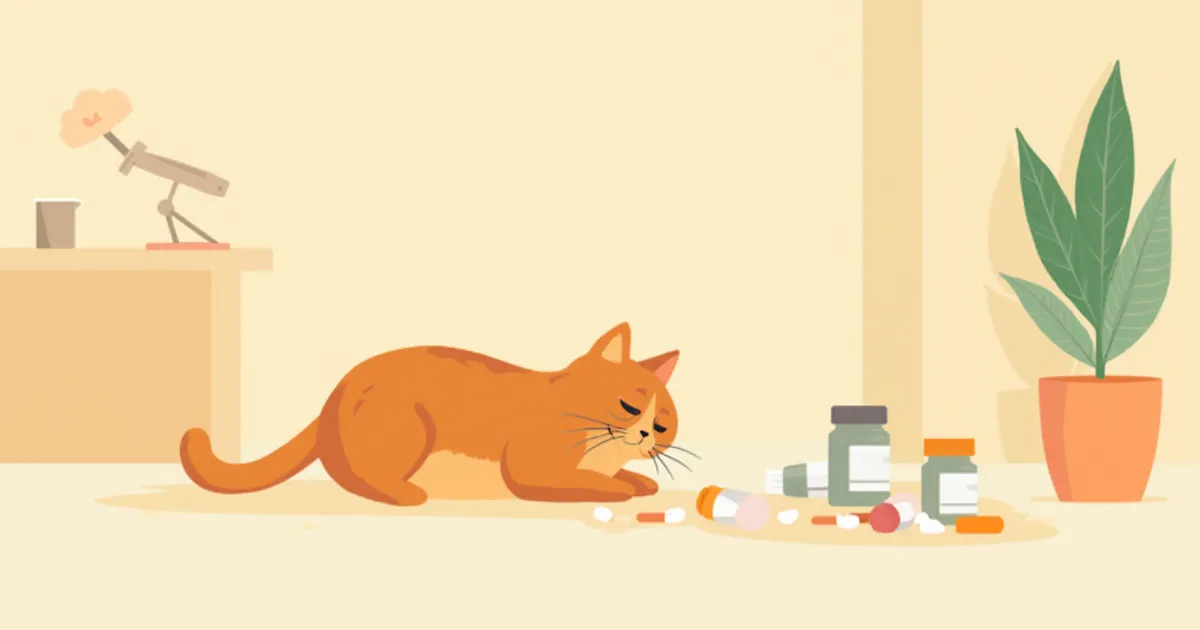
A cat lying curled up, lacking energy.

Emergency Signs Requiring Immediate Veterinary Care

If your pet shows any of the following symptoms, take them to an emergency veterinary clinic immediately: • Urine turns red or brown • Seizures or full-body tremors occur • Lethargy, confusion, or inability to stand • Vomiting or diarrhea that persists for more than 4 hours • Pale or yellowish gums

Emergency Steps You Can Take at Home Immediately After Ingestion

Never attempt to induce vomiting at home. Improper techniques can lead to aspiration into the airways or cause further injury. Instead, follow these steps: ① Immediately remove the aloe plant or product from your cat’s reach. ② Take a photo of the ingested plant and note the time of ingestion and estimated amount consumed. ③ Gently wipe any remaining plant fragments from around the mouth with water. ④ Contact your veterinarian or a veterinary poison control hotline immediately. Even if no symptoms are apparent, toxin absorption may continue, so do not simply observe—seek professional advice right away.
A pet owner calling a veterinary clinic while sitting next to their cat

Diagnostic Methods at the Veterinary Clinic

The veterinarian will first determine the type of plant ingested, the time and estimated amount of ingestion, and the current symptoms. Next, blood tests will be conducted to evaluate red blood cell, kidney, and liver values, while a urinalysis will help identify the cause of any urine discoloration. Since there is no specific diagnostic test kit for aloe poisoning, the diagnosis is made by combining the circumstances of ingestion with clinical symptoms and blood test results. Bringing photos of the aloe plant or the ingredient list of any aloe-containing products can help speed up the diagnostic process.

Treatment for Aloe Poisoning in Cats

Gastrointestinal decontamination: If ingestion was recent and the cat is stable, your veterinarian may consider decontamination measures such as inducing vomiting or administering activated charcoal. Because these procedures carry risks, they should only be performed in a clinical setting under veterinary supervision.
Fluid therapy: Intravenous fluids may be administered to correct dehydration and stabilize the cat’s overall condition.
Symptomatic treatment: Antiemetics, gastrointestinal protectants, and electrolyte supplementation may be used as appropriate for the cat’s condition.
Mild cases often recover after brief treatment, but severe symptoms or systemic instability may require hospitalization for close monitoring. The recovery course and need for follow-up testing will be determined in consultation with your veterinarian.
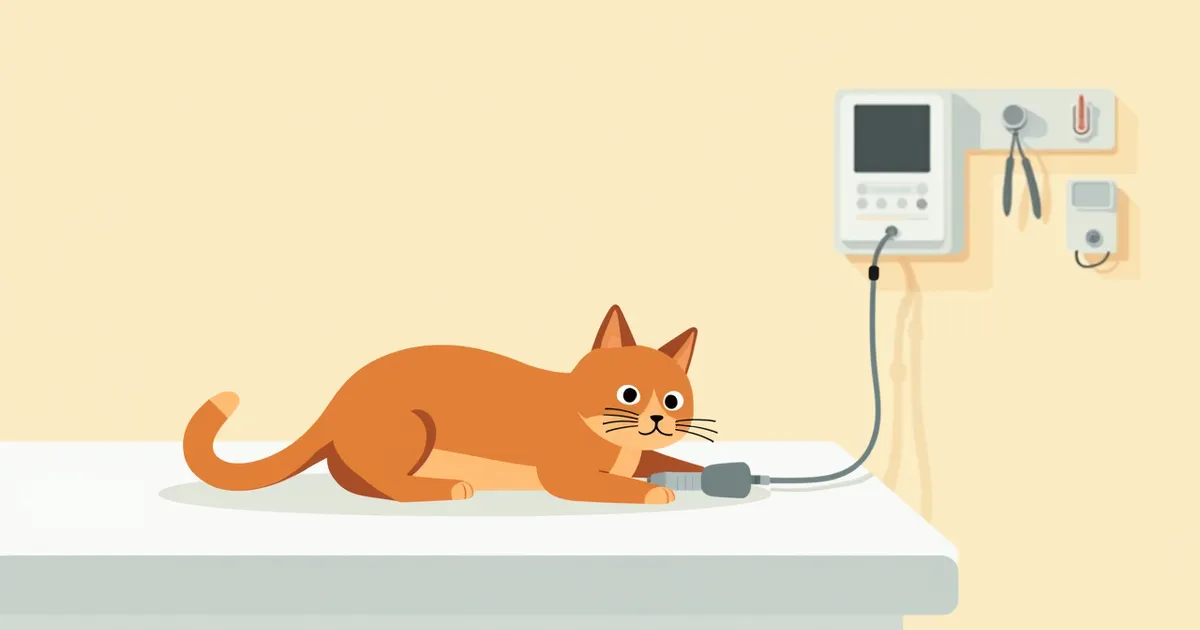
A cat being examined by a veterinarian on the examination table at an animal hospital

Aloe Products Also Require Caution

Not only aloe vera plants in pots, but also pet shampoos, skin lotions, and human-grade aloe vera gels containing aloe ingredients can be problematic if licked by cats. If aloe products get on your cat’s fur during grooming, rinse them off thoroughly and use an Elizabethan collar to prevent licking until the fur is completely dry. Store human aloe vera drinks and gels out of your cat’s reach.

Preventing Aloe Poisoning — Actions to Take at Home Right Now
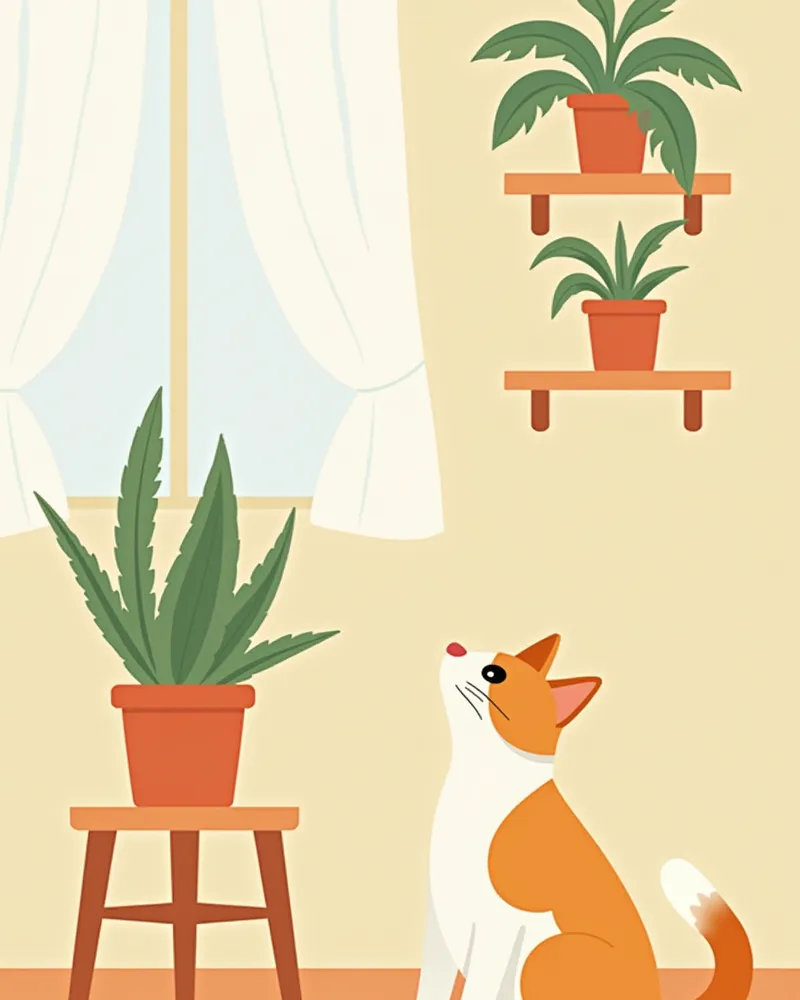
Remove or isolate aloe plants: The safest approach is to keep aloe plants out of your home entirely, or place them in a locked room or on an outdoor balcony where your cat cannot access them.
Check toxic plant lists: In addition to aloe, lilies, poinsettias, and dieffenbachia are dangerous to cats. Always verify whether a plant is toxic before bringing it into your home.
Manage external products: When bringing aloe-based drinks or beauty products into your home, take care to prevent your cat from coming into immediate contact with them.
A living room with potted plants placed on high shelves out of the cat's reach

Reviewed by a veterinarian

Dr. Tony — Punnawat Phongkittirak

Dr. Tony — Punnawat Phongkittirak

Veterinarian

A veterinarian who majored in veterinary medicine at Khon Kaen University, Thailand, and completed the IVSA program at North Carolina State University in the United States. Drawing on clinical experience at animal hospitals, he works in the pet healthcare field and is dedicated to building a digital care environment that connects pet parents with veterinarians.

Frequently Asked Questions

Should I take my cat to the vet if it just licked a small amount of aloe?
Yes, it’s safer to go. Cats can be sensitive even to small amounts, and even if symptoms aren’t visible, toxin absorption may still be ongoing. The sooner after ingestion, the more likely a veterinarian can consider early intervention, so it’s best to contact them without delay.
Is aloe gel (the clear inner flesh) less dangerous?
While the transparent gel layer is generally less irritating than the yellow latex layer, it’s not entirely safe. Chewing the leaves can mix in latex, and the gel itself may contain irritating substances. As a rule, no part of the plant should be given to cats.
If there are no symptoms after ingestion, is it okay to just monitor the situation?
Observation alone may not be enough. Changes in urine or systemic abnormalities can sometimes appear later, so even if there are no visible symptoms, it’s safer to contact your veterinarian to discuss the progress.
Is aloe vera drink for humans also dangerous?
Yes, caution is advised. Aloe drinks contain aloe vera, and additives like sugar and flavorings are also harmful to cats. Keep the container tightly sealed and out of your cat’s reach to prevent them from licking it.
Can my pet make a full recovery after treatment?
Mild cases of poisoning often resolve with brief treatment. However, if symptoms were severe, follow-up blood and urine tests may be necessary even after recovery to monitor the pet’s condition. Please consult your veterinarian to determine whether follow-up testing is needed and when it should be performed.

Share

Related Guides

References

[1] Gwaltney-Brant S. et al., Blackwell's Five-Minute Veterinary Consult Clinical Companion: Small Animal Toxicology, 3rd Ed., Wiley-Blackwell, 2022

[2] Schaer M. (ed.), Clinical Medicine of the Dog and Cat, 4th Ed., CRC Press, 2022

[3] Plumb D.C., Plumb's Veterinary Drug Handbook, 10th Ed., Wiley-Blackwell, 2023

[4] ASPCA Animal Poison Control Center, Toxic and Non-Toxic Plants: Aloe (Aloe barbadensis miller), aspca.org

This information is based on veterinary literature and does not replace diagnosis or treatment. Please consult a veterinarian for specific health concerns.

Metapet Co., Ltd. | CEO: Park Sung-yong | Business Reg. No. 417-88-02562 | Seoul, South Korea | Customer Center

Cat Ate Aloe: Poisoning Symptoms, Emergency Care & Prevention | Meongsiljang