

Feline Cryptosporidiosis: Symptoms, Causes, Diagnosis, Treatment, and Management Essentials
Feline cryptosporidiosis is a condition caused by a parasitic infection that leads to intestinal inflammation, potentially resulting in symptoms such as diarrhea, weight loss, and dehydration. Early diagnosis and proper management are essential.
What is Feline Cryptosporidiosis?

Causes of Infection and Transmission Routes
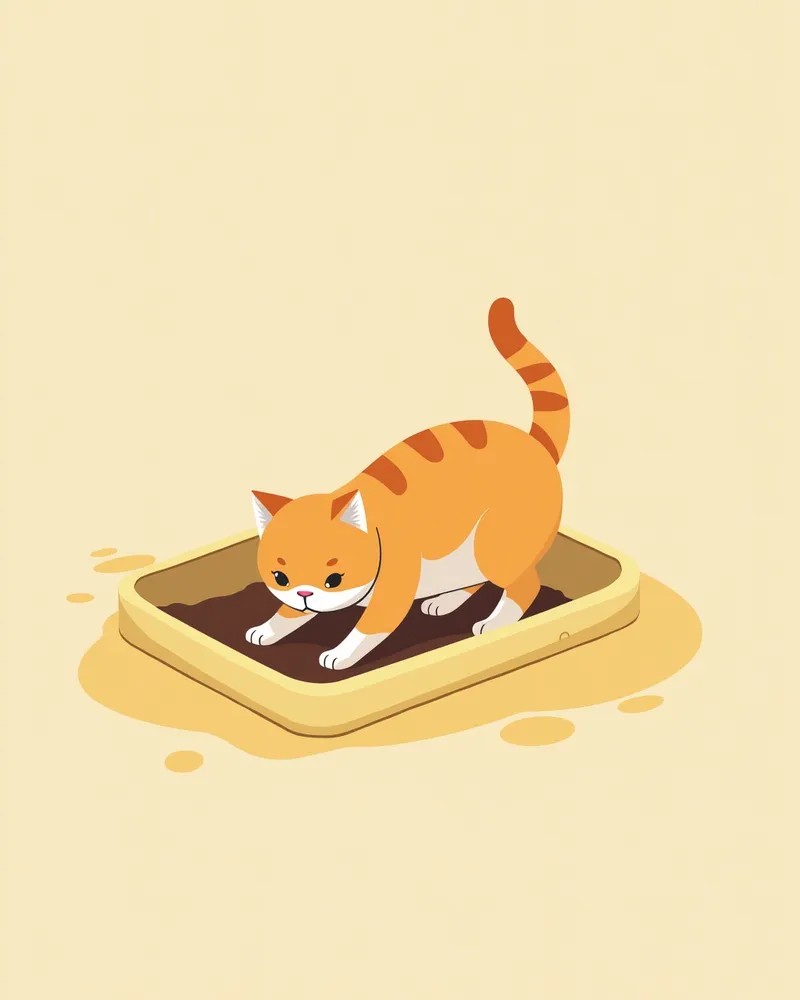
Main Symptoms and Signs

When to Visit the Vet Immediately
If your cat has had persistent diarrhea or bloody stools for more than a day, hasn’t eaten for over 12 hours, or shows signs of dehydration like sunken eyes and loss of skin elasticity, please visit the vet immediately. Dehydration can progress rapidly in kittens, pregnant cats, and immunocompromised cats, potentially becoming life-threatening.
Diagnostic Methods

Treatment and Step-by-Step Management
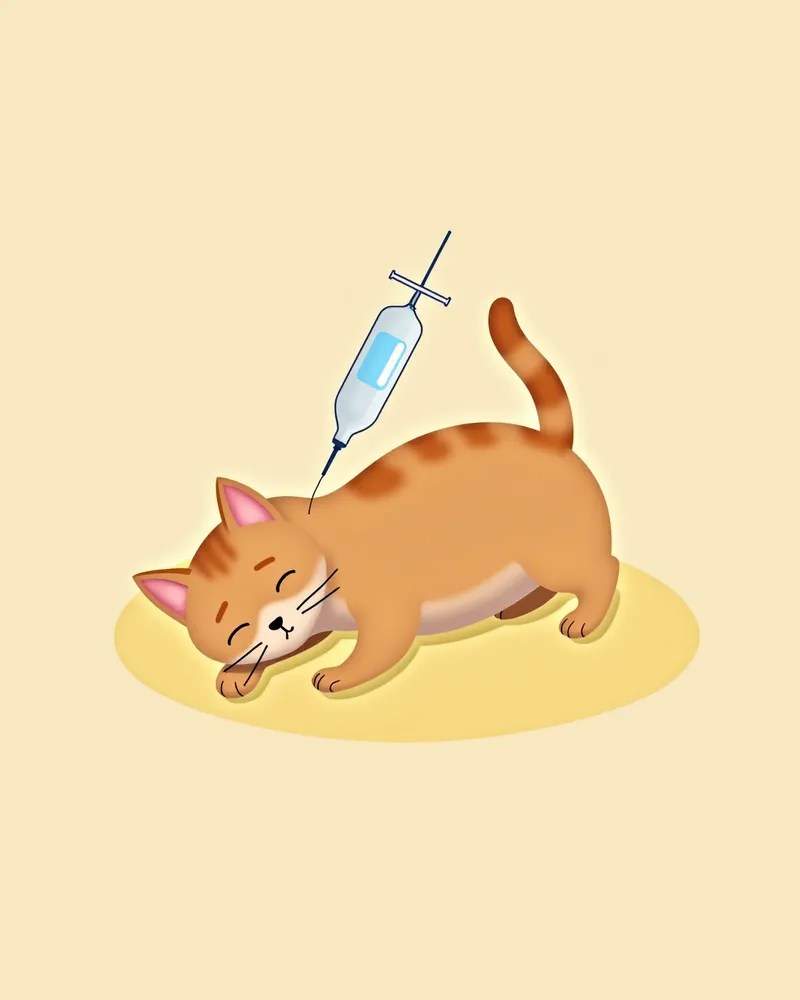
Home Care Essentials

Breed-Specific Precautions and Recurrence Prevention
Cats with weakened immune systems due to other illnesses may experience slower recovery, prolonged diarrhea, and a higher risk of recurrence. Additionally, kittens and senior cats have weaker immune responses, making them more susceptible to severe symptoms or complications after infection, so extra caution is necessary. It’s advisable to monitor for parasite shedding through fecal tests for 2–3 weeks post-infection. Regular environmental cleaning and routine veterinary check-ups are essential to prevent recurrence.
Reviewed by a veterinarian

Dr. Tony — Punnawat Phongkittirak
VeterinarianA veterinarian who majored in veterinary medicine at Khon Kaen University, Thailand, and completed the IVSA program at North Carolina State University in the United States. Drawing on clinical experience at animal hospitals, he works in the pet healthcare field and is dedicated to building a digital care environment that connects pet parents with veterinarians.
Reviewed 2026-06-29
Frequently Asked Questions
Can feline cryptosporidiosis be transmitted to humans?
What medication is used to treat Cryptosporidium?
Can an infected cat be kept with other cats?
What if diarrhea persists despite a negative stool test?
Can a cat that has recovered from an infection be reinfected?
Share
Related Guides

5 Flea and Tick Preventives for Cats Recommended by Veterinarians — Ingredient Safety Comparison

Top Recommended Spot-On Preventatives for Dogs and How to Choose the Right One

The Ultimate Guide to Differentiating Symptoms, Managing Internal Parasites in Dogs, and Choosing the Best Products

Chronic Recurrent Urinary Tract Infections in Dogs: Symptoms, Causes, Diagnosis, Treatment, and Management Essentials

A Complete Guide to Frequent and Urgent Urination in Dogs: Symptoms, Causes, Diagnosis, Treatment, and Management
Neurogenic Bladder in Dogs: Symptoms, Causes, Diagnosis, Treatment, and Management Essentials

Canine Hydronephrosis: Symptoms, Causes, Diagnosis, Treatment, and Management Essentials

Dog Stranguria: Symptoms, Causes, Diagnosis, Treatment, and Care Essentials

Cystine Urolithiasis in Dogs: Symptoms, Causes, Diagnosis, Treatment, and Management Essentials
Dog Bladder Ultrasound: Symptoms, Causes, Diagnosis, Treatment, and Management Essentials
References
[1] Sykes JE, Sturges BK, Cannon MS, et al. Clinical signs, imaging features, neuropathology, and outcome in cats and dogs with central nervous system cryptococcosis from California. J Vet Intern Med. 2010;24(6):1427–1435.
[2] The Cat, Clinical Medicine and Management, 2nd Edition. Elsevier Health Sciences, 2018.
[3] Clinical Medicine of the Dog and Cat, 4th Ed. Elsevier, 2020.