Like
Share
멍실장
고양이 갑상선암 증상과 원인, 진단·치료와 관리 포인트 총정리

If You Feel a Lump on Your Cat’s Neck — Thyroid Cancer Signs and Timing for Diagnosis and Treatment

EndocrineDiseasesMeongsiljang Veterinary Advisory Board

Feline thyroid cancer is a common endocrine disorder in older cats and is often confused with hyperthyroidism. Accurate diagnosis and appropriate treatment are essential.

What Is Feline Thyroid Cancer?
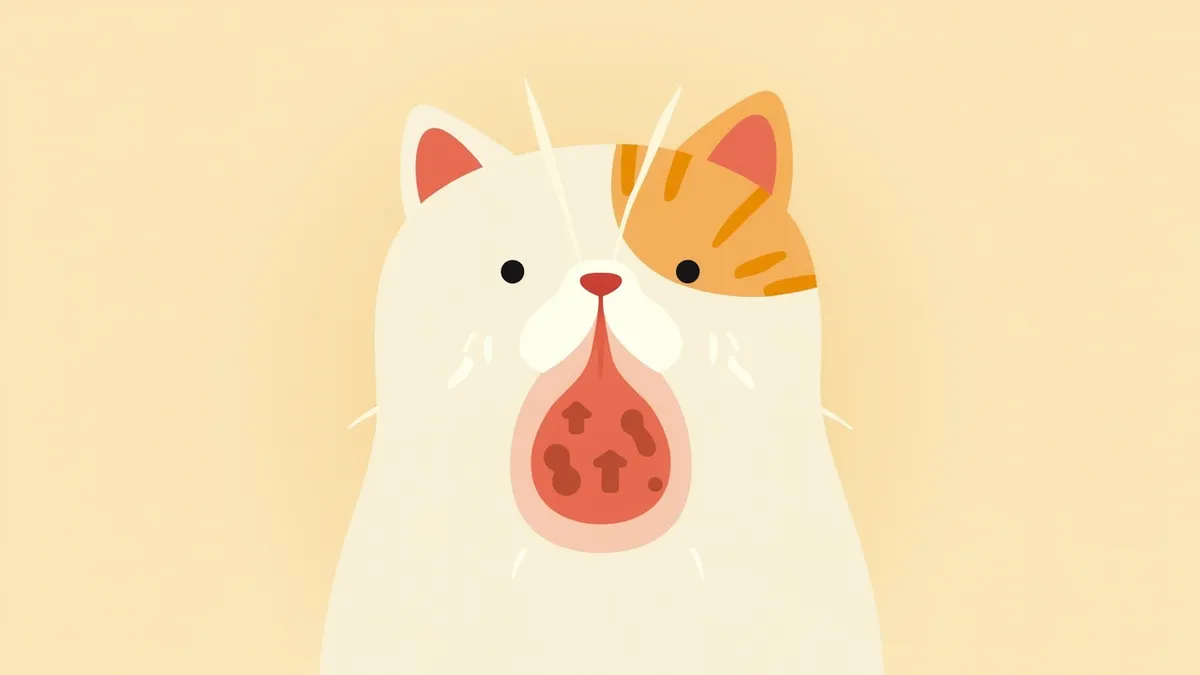
An anatomical image showing a malignant tumor in a cat's thyroid gland
Feline thyroid cancer is a malignant tumor arising from the thyroid gland, and it is a relatively rare endocrine tumor in older cats. The most common endocrine disorder in senior cats is hyperthyroidism, and only about 1–3% of these cases are caused by thyroid cancer (malignant tumors). Most cases of hyperthyroidism are due to benign changes such as adenomatous hyperplasia or adenomas, although malignant tumors can occasionally be present. Early symptoms are often subtle and easy to overlook, but as the tumor progresses, it can affect surrounding tissues, leading to difficulty breathing or changes in the cat’s voice. Therefore, early diagnosis and appropriate treatment are crucial factors that determine the prognosis. Regular check-ups and careful observation by pet owners are of utmost importance.

What Are the Main Causes of Thyroid Cancer?

The exact cause of feline thyroid disease remains unclear. However, epidemiological studies suggest that indoor living and consumption of canned food, particularly fish-flavored varieties, may be associated with an increased risk of hyperthyroidism. Additionally, cats receiving long-term antithyroid medication for more than four years tend to have a higher prevalence of thyroid cancer. Aging is also a significant factor, as thyroid disease primarily affects middle-aged and senior cats. The direct influence of iodine intake or immune and hormonal factors has not yet been definitively proven. Therefore, maintaining a balanced diet and a stable living environment to carefully monitor overall health is beneficial.
A cat eating iodine-rich foods

Check for Key Symptoms and Signs

Feline thyroid cancer often presents with subtle or no symptoms in its early stages, but as the disease progresses, various signs may become apparent. Pet owners should carefully monitor for lumps in the neck area, weight loss, increased appetite, restlessness, and an elevated heart rate. As the condition worsens, symptoms such as difficulty breathing, changes in vocalization, or even collapse resembling shock may occur. If your cat exhibits a significantly rapid heartbeat or struggles to breathe, immediate veterinary attention is essential. Early detection plays a crucial role in improving treatment outcomes.
A cat showing a neck tumor and weight loss

Signs Requiring Immediate Veterinary Visit

If your cat is having trouble breathing or if a neck tumor has grown rapidly, you should go to the vet immediately. This could be a sign of airway compression or blood vessel invasion. Additionally, if the heart rate becomes very fast and the cat collapses as if in shock, it is an emergency. These symptoms can be life-threatening, so consult with a veterinarian right away.

Diagnostic Tests for Accurate Diagnosis
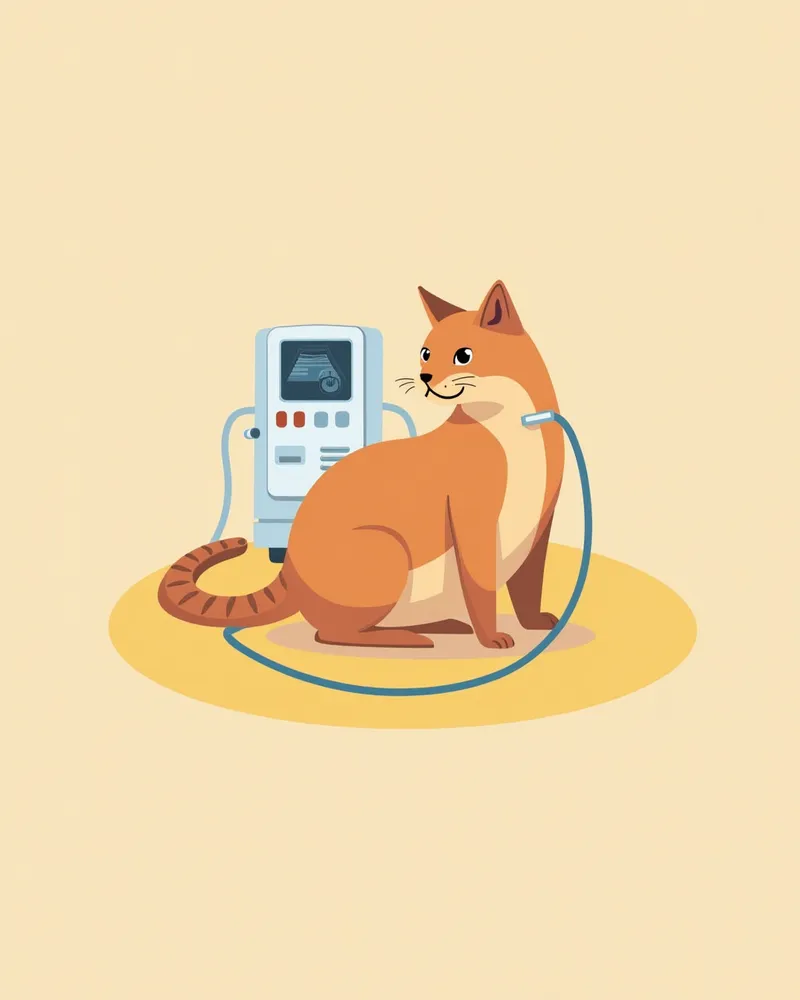
Diagnosing thyroid cancer involves blood tests, thyroid hormone level measurements, ultrasound examinations, and tissue biopsies. Ultrasound allows for precise assessment of the tumor’s size, location, and blood flow. If necessary, CT or MRI scans can be used to check for metastasis, as accurate evaluation is essential for developing an effective treatment plan. Starting treatment without a proper diagnosis can reduce its effectiveness and lead to side effects. It is important to receive professional testing at a veterinary clinic.
An image of a cat undergoing an ultrasound examination of its neck area.

Treatment Options and Step-by-Step Approach

Treatment for feline thyroid disease varies depending on the tumor size, presence of metastasis, and the cat’s overall health. Radioactive iodine (131I) therapy is preferred as a treatment option because it requires no anesthesia, is non-invasive, and destroys all hyperactive tissue regardless of location. However, this treatment requires 1–2 weeks of isolated hospitalization and demands specialized facilities and personnel. For malignant tumors such as thyroid cancer, a combination of surgical debulking followed by high-dose 131I therapy has been reported as an option. Medication plays a supportive role in regulating hormone levels, and an iodine-restricted diet can be used concurrently. The treatment plan should be personalized to the cat’s condition in consultation with a veterinarian.
A cat undergoing radioactive iodine therapy

Home Care and Management Points

Consistent care after treatment is essential for improving your pet’s quality of life. Administer medications exactly as directed by your veterinarian. Follow a diet restricted in iodine, and regularly monitor your pet’s weight and heart condition. To minimize stress, maintain a calm environment and keep your cat active through regular walks and play. Don’t forget to schedule regular veterinary check-ups. Your attentive care and observation are key to successful treatment.
A cat resting comfortably in a calm, stable environment.

Preventing Recurrence and Breed-Specific Considerations

Senior cats require careful monitoring for thyroid disorders, though there is no clear evidence that specific breeds are more susceptible. In fact, purebred cats, particularly Siamese and Himalayans, have been reported to have a lower risk of developing these conditions. However, prolonged treatment with antithyroid medications for more than four years may increase the prevalence of thyroid cancer, so caution is advised. Even after treatment, regular check-ups every four to six months and consistent monitoring of thyroid hormone (T4) levels are essential. Early detection of abnormalities makes management significantly easier.

Reviewed by a veterinarian

Dr. Tony — Punnawat Phongkittirak

Dr. Tony — Punnawat Phongkittirak

Veterinarian

A veterinarian who majored in veterinary medicine at Khon Kaen University, Thailand, and completed the IVSA program at North Carolina State University in the United States. Drawing on clinical experience at animal hospitals, he works in the pet healthcare field and is dedicated to building a digital care environment that connects pet parents with veterinarians.

Frequently Asked Questions

Can feline thyroid cancer be treated?
Yes, with early diagnosis and appropriate treatment, a favorable prognosis can be expected. Radioactive iodine therapy and surgery are effective treatments. For malignant tumors, surgical resection followed by high-dose radioactive iodine therapy is reported as a preferred treatment option.
Is medication alone sufficient?
Medications are used as supportive measures to alleviate symptoms and regulate hormones, but they do not remove the tumor itself. In particular, long-term use of antithyroid drugs for more than four years has been reported to increase the prevalence of thyroid cancer, so it is advisable to consider curative treatments such as radioactive iodine therapy or surgery.
Can an iodine-restricted diet help?
Yes, an iodine-restricted diet helps suppress thyroid hormone production and shows a good response rate when cats eat it well. Choose a diet recommended by your veterinarian.
How will my cat’s quality of life be after treatment?
After treatment, most cats can lead a normal life. By reducing stress and maintaining regular care and check-ups, you can significantly improve their quality of life.
Can thyroid cancer spread to other organs?
Malignant thyroid tumors can occasionally spread to surrounding tissues or other organs. However, since the pattern of metastasis varies from pet to pet, it’s important to monitor any changes in your pet’s condition through regular check-ups and imaging tests.

Comparison of Treatment Methods: Pros and Cons

ItemEfficacySide effectsTreatment duration
Radioactive iodine therapyHighMildRequires 1–2 weeks of isolation
Surgical removalVery highModerateRequires a post-surgery recovery period
MedicationSupplementaryRare (generally stable)Requires long-term administration
Iodine-restricted dietModerateLowRequires ongoing management

The treatment method is chosen based on the cat's condition and the veterinarian's judgment. Decide after consultation at the hospital.

Share

Related Guides

References

[1] Peterson ME, Kintzer PP, Hurvitz AI. Methimazole treatment of 262 cats with hyperthyroidism. J Vet Intern Med. 1988;2:150.

[2] Fox P, Peterson M, Broussard J. Electrocardiographic and radiographic changes in cats with hyperthyroidism: comparison of populations evaluated during 1992-1993 vs. 1979-1982. J Am Anim Hosp Assoc. 1998;35:27.

[3] Textbook of Cardiovascular Medicine in Dogs and Cats. 2011. Blackwell Publishing Ltd.

This information is based on veterinary literature and does not replace diagnosis or treatment. Please consult a veterinarian for specific health concerns.

Metapet Co., Ltd. | CEO: Park Sung-yong | Business Reg. No. 417-88-02562 | Seoul, South Korea | Customer Center

Lump on Your Cat's Neck? Thyroid Cancer Signs and Diagnosis | Meongsiljang