Like
Share
멍실장
고양이 원발성 부갑상선기능항진증 증상과 원인, 진단·치료와 관리 포인트 총정리

When Your Cat Is Lethargic and Only Drinks Water — Causes and Treatment of Feline Primary Hyperparathyroidism

EndocrineDiseasesMeongsiljang Veterinary Advisory Board

Feline primary hyperparathyroidism is an endocrine disorder in which excess parathyroid hormone causes elevated calcium levels. Early diagnosis and proper management are essential.

What Is Feline Primary Hyperparathyroidism?

An anatomical diagram showing the location of the parathyroid glands in cats
Feline primary hyperparathyroidism is an endocrine disorder in which the parathyroid glands secrete excessive parathyroid hormone, leading to elevated blood calcium levels. Although this condition is relatively rare in cats, it primarily affects older individuals, with incidence increasing with age. Early detection is crucial because, over time, this condition can cause kidney damage, demineralization of bones, and cardiac arrhythmias. Persistently high calcium levels can worsen a cat’s overall health, potentially leading to decreased appetite and lethargy. However, some cats show no specific symptoms and are first diagnosed with hypercalcemia during routine health screenings, making regular blood tests essential for early diagnosis. While surgical removal of the abnormal parathyroid tissue typically leads to improvement, inadequate post-operative management can result in recurrence or complications.

Causes and Pathogenesis

The primary causes of this condition are benign tumors (adenomas), malignant tumors (carcinomas), or hyperplasia of the parathyroid glands, all of which lead to excessive secretion of parathyroid hormone. It most commonly affects older cats, with incidence increasing with age. While no specific breed predisposition has been clearly established in cats, familial cases have been reported in certain dog breeds, such as the Keeshond. Excessive hormone secretion disrupts calcium regulation, causing sustained elevation of blood calcium levels. Because parathyroid hormone mobilizes calcium from bones and increases renal calcium reabsorption, it places strain on the kidneys and can lead to calcium loss from the bones. Over time, this may result in complications such as impaired kidney function or weakened bones.
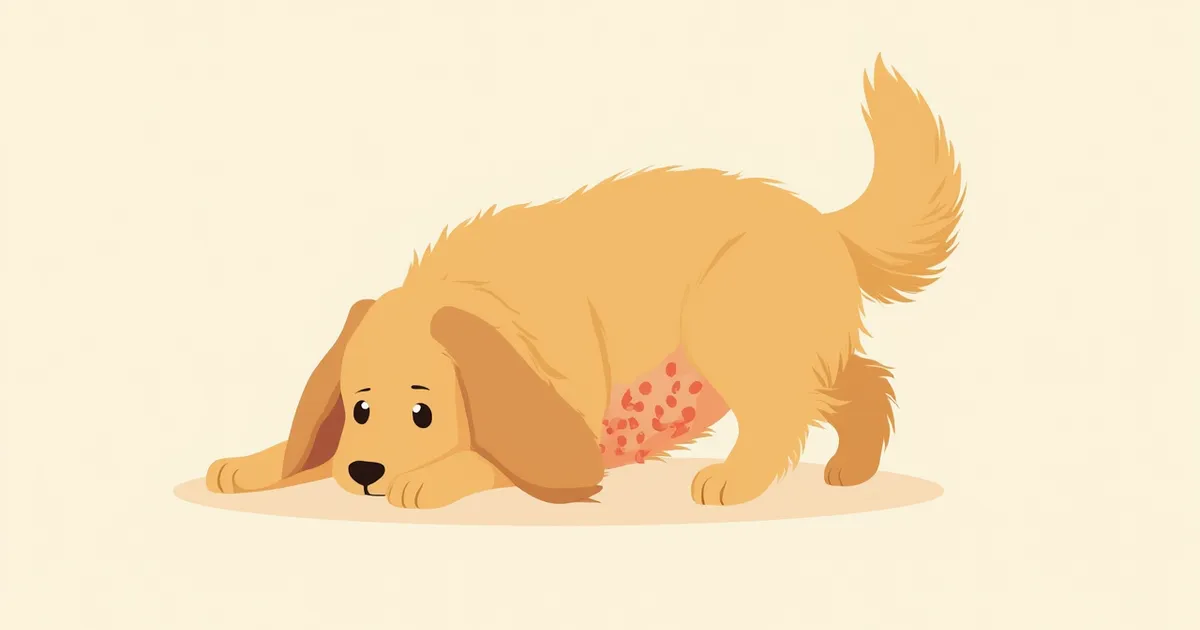
Symptoms of abnormal tissue in a cat's parathyroid gland

Main Symptoms and Signs

The symptoms of primary hyperparathyroidism in cats can vary widely, and sometimes the condition is discovered incidentally during a routine health checkup without any obvious signs. It’s important for pet owners to stay vigilant.
Decreased appetite: Your cat may suddenly eat less.
Increased thirst and urination: They may drink more water and urinate more frequently and in larger amounts.
Lethargy and weakness: Your cat might seem tired and inactive throughout the day.
Lack of energy and mental dullness: They may appear less responsive or even depressed.
Muscle weakness: Jumping or running abilities may decline.
If these symptoms persist, it’s important to consult with your veterinarian right away.
Lethargy in cats caused by primary hyperparathyroidism

Signs Requiring Immediate Veterinary Visit

If your cat suddenly loses its appetite entirely, experiences repeated vomiting and diarrhea, or shows signs of dehydration, you should take it to the vet immediately. This is because extremely high calcium levels can lead to irregular heart rhythms and impaired kidney function.

Diagnostic Methods
Blood tests are essential for an accurate diagnosis. It is particularly important to check blood calcium levels (both total and ionized calcium) along with parathyroid hormone levels. If ionized calcium is elevated and parathyroid hormone is either high or inappropriately normal, primary hyperparathyroidism should be suspected. Total calcium levels may be falsely elevated if the sample is lipemic or hemolyzed, so careful interpretation is necessary. Additionally, neck ultrasound is frequently used to assess the size and condition of the parathyroid glands, helping to identify small parathyroid nodules. During the diagnostic process, it is also important to rule out other conditions, such as hypercalcemia caused by malignant tumors, kidney disease, or vitamin D toxicity, requiring a comprehensive evaluation. Early diagnosis is crucial to ensure timely treatment.
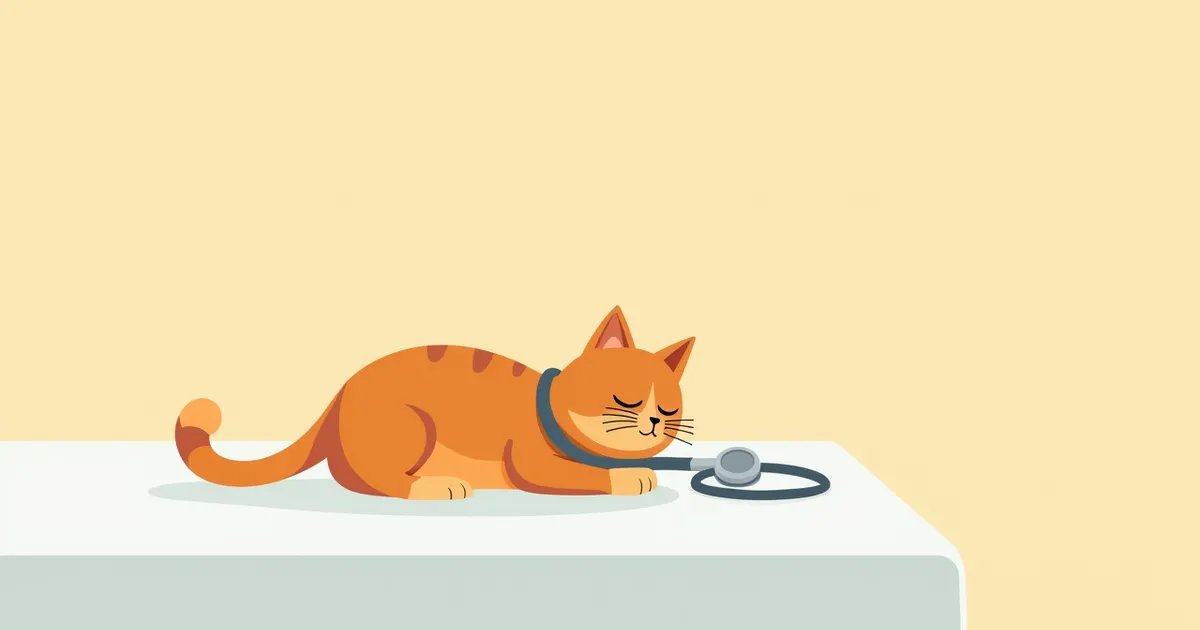
Image of a veterinarian performing a blood test on a cat

Treatment Methods and Step-by-Step Approach

Treatment depends on the patient’s condition and the stage of the disease. The most effective approach is surgical removal of the abnormal parathyroid tissue (parathyroidectomy). After surgery, calcium levels typically return to normal in most cats. However, because the remaining normal parathyroid glands may be atrophied, there is a risk of transient hypocalcemia (low blood calcium) postoperatively, so careful monitoring is essential. In cases where calcium levels were extremely high, supplementation with vitamin D and calcium may begin at the time of surgery. If surgery is not feasible, medical management such as intravenous fluids may be used to lower elevated calcium levels. Throughout treatment, regular blood tests are necessary to monitor calcium levels, and all medications must be administered strictly according to your veterinarian’s instructions. Long-term follow-up with regular check-ups is recommended to monitor for recurrence.
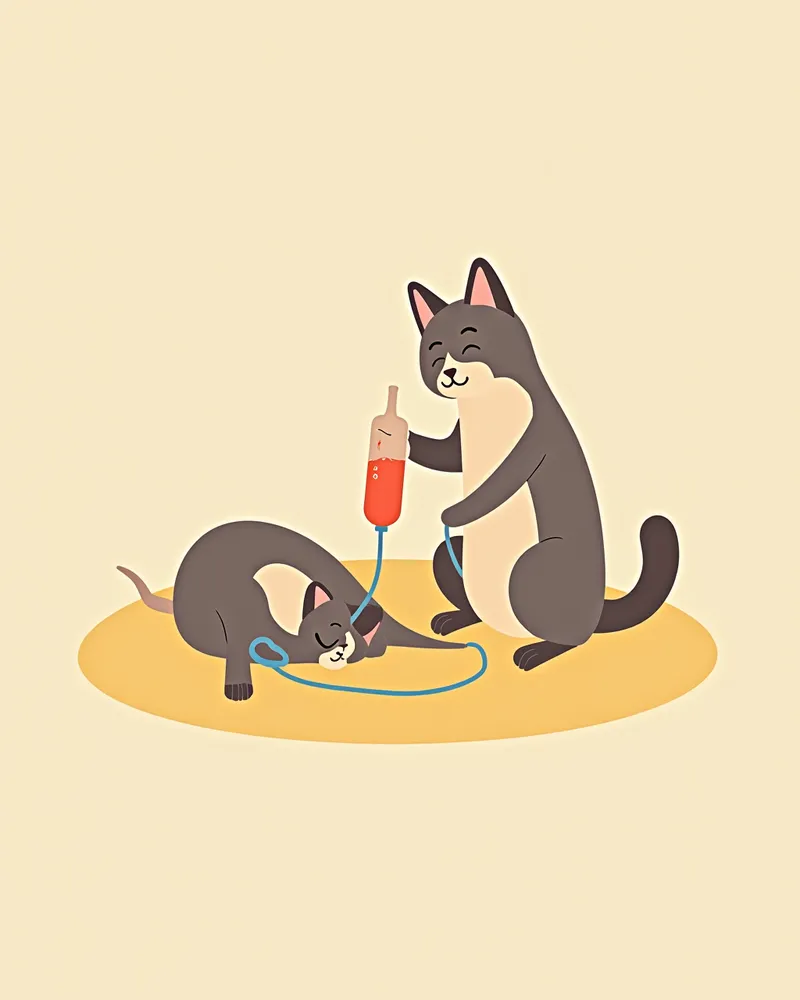
Image of a cat recovering after parathyroid surgery

Home Care and Daily Management

During the postoperative recovery period, calcium levels may drop while the remaining parathyroid tissue readjusts, so follow your veterinarian’s instructions to supplement calcium or vitamin D as needed and monitor for signs of hypocalcemia, such as muscle tremors or lethargy. Encouraging adequate water intake helps protect kidney function. Regular blood tests are essential to consistently monitor calcium levels and enable early detection of any recurrence. When administering medications, strictly adhere to the prescribed timing and dosage, as consistent compliance enhances treatment efficacy. To minimize stress, provide a quiet environment and maintain your cat’s daily routine. If you notice a decreased appetite or reduced activity level, contact your veterinarian immediately.
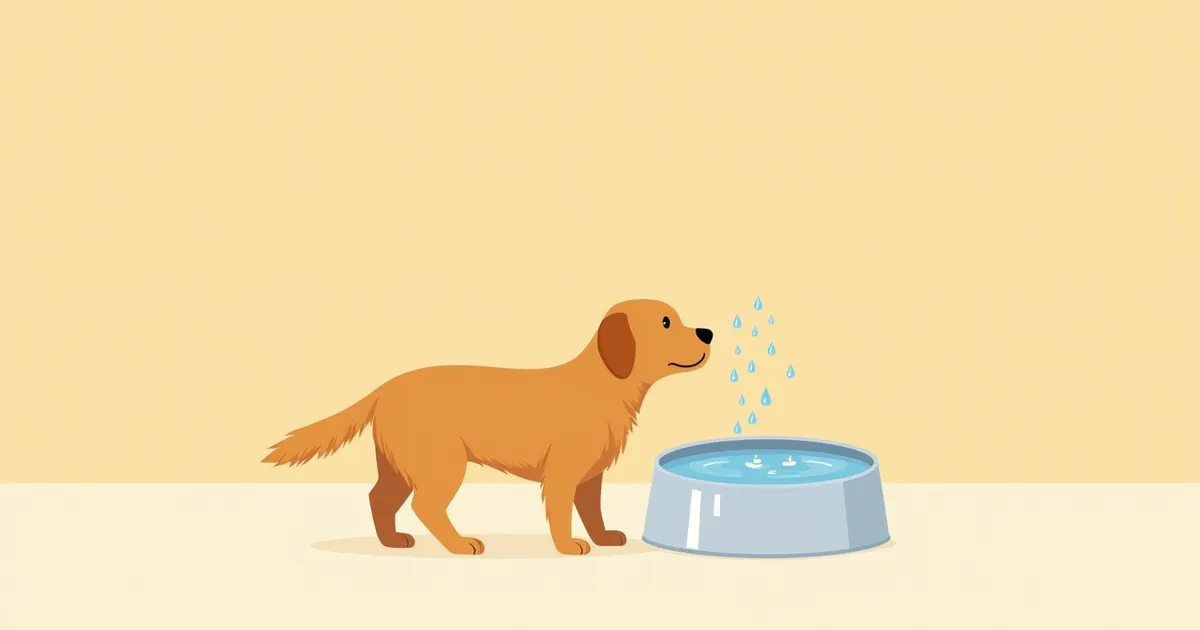
An image of a cat's daily care routine, showing it drinking water.

Preventing Recurrence and Breed Considerations

Because primary hyperparathyroidism in cats can recur even after surgery, it’s a good idea to have regular blood tests to monitor calcium levels. Although familial cases have been reported in Keeshonds, no specific breed predisposition has been clearly established in cats, so please keep this in mind for reference only.

Reviewed by a veterinarian

Dr. Tony — Punnawat Phongkittirak

Dr. Tony — Punnawat Phongkittirak

Veterinarian

A veterinarian who majored in veterinary medicine at Khon Kaen University, Thailand, and completed the IVSA program at North Carolina State University in the United States. Drawing on clinical experience at animal hospitals, he works in the pet healthcare field and is dedicated to building a digital care environment that connects pet parents with veterinarians.

Frequently Asked Questions

Is primary hyperparathyroidism in cats treatable?
Yes, surgically removing the abnormal parathyroid tissue typically restores calcium levels to normal. Medical management to lower calcium can also help control symptoms.
Does this condition only affect cats?
It can occur in both cats and dogs. In fact, it is more commonly reported and studied in dogs, while it is relatively rare in cats.
Can it be treated with dietary management?
Dietary management alone is unlikely to cure the condition. The definitive treatment is surgery to remove the abnormal parathyroid tissue, with medical management used as a supportive measure.
How long does the recovery period after surgery take?
Recovery rates vary from pet to pet. After surgery, calcium levels may drop, so regular blood tests are necessary for monitoring. It’s important to follow your veterinarian’s recommended schedule for check-ups.
Is there a genetic component to this condition?
In cats, the genetic predisposition of certain breeds has not yet been clearly established. However, in dogs, familial primary hyperparathyroidism has been reported in Cocker Spaniels.

Share

Related Guides

References

[1] Peterson ME, et al. (2005) Feline Hyperparathyroidism: Clinical Features and Management. Journal of Feline Medicine and Surgery.

[2] Bartges JW, et al. (2010) Parathyroid Gland Disorders in Cats. Veterinary Clinics of North America: Small Animal Practice.

[3] Hillier, A. (2018) Endocrinology of the Cat. In: Textbook of Feline Medicine, 2nd ed. Elsevier.

This information is based on veterinary literature and does not replace diagnosis or treatment. Please consult a veterinarian for specific health concerns.

Metapet Co., Ltd. | CEO: Park Sung-yong | Business Reg. No. 417-88-02562 | Seoul, South Korea | Customer Center

Cat Lethargic, Only Drinking Water? Primary Hyperparathyroidism | Meongsiljang