Like
Share
멍실장
강아지 렙토스피라 간 침범 증상과 원인, 진단·치료와 관리 포인트 총정리

If Your Dog Suddenly Develops a Fever and Jaundice — Symptoms and Treatment of Canine Leptospiral Liver Involvement

Liver HealthDiseasesMeongsiljang Veterinary Advisory Board

Canine leptospiral hepatitis is a contagious disease caused by infection with Leptospira bacteria, which damages liver function. Early diagnosis and appropriate treatment are essential.

What Is Canine Leptospiral Liver Involvement?
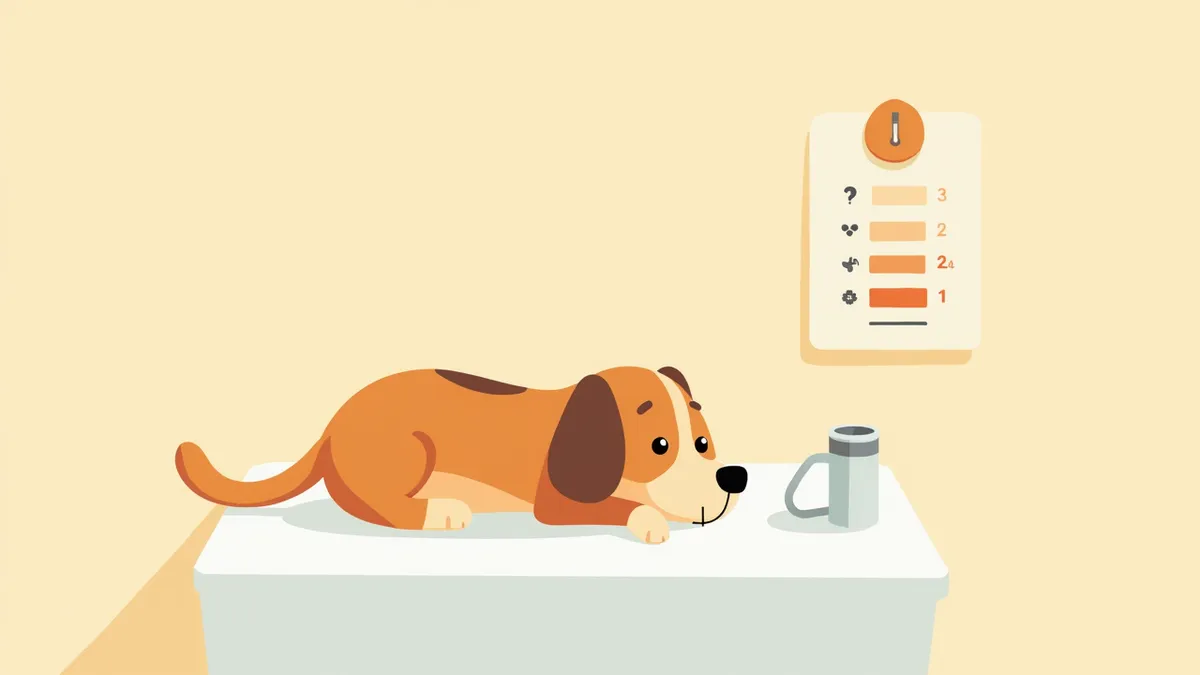
A veterinarian performing a liver function test on a puppy.
Canine leptospiral liver involvement is a contagious disease in which infection with Leptospira bacteria causes severe damage to liver function. This condition can progress rapidly, leading to hepatitis and jaundice, and even after recovery, chronic hepatitis may remain as a long-term complication. It is primarily transmitted through contact with urine from rodents such as mice, contaminated water or soil, or direct contact with wild animals. - Infection route: Leptospira bacteria enter the body through mucous membranes or wounds, then spread via the bloodstream to the entire body, including the liver. - High-risk groups: Dogs that spend a lot of time outdoors or are frequently exposed to contaminated water are at higher risk. - Importance of early diagnosis: When detected early, the chances of recovery are high with antibiotic and supportive treatments; however, delayed treatment can be fatal.

Causes of Infection and Pathogenesis

Leptospiral liver involvement in dogs occurs when Leptospira bacteria spread through the bloodstream and invade the liver. These bacteria enter the body through water or soil contaminated with urine from rodents such as mice. Drinking water, licking the ground, and exposure to contaminated environments are the main routes of infection. - Post-infection course: Bacteremia typically lasts about one week, during which inflammation of liver cells may develop and liver function can decline. - Lesion characteristics: Liver cell damage is accompanied by increased blood bilirubin levels and elevated liver enzymes (ALT, AST, ALP). - Risk factors: The more severe the systemic infection progresses, the greater the impact on multiple organs, including the liver.
Microscopic image of Leptospira bacteria in a dog's blood

Main Symptoms and Signs

The main symptoms of leptospiral liver involvement in dogs are as follows. If you notice any of these signs, immediate veterinary care is necessary.
Jaundice: The eyes and lips turn yellow.
Loss of appetite: The dog suddenly refuses food or appears uncomfortable after eating.
Repeated vomiting: Vomiting occurs multiple times a day.
Increased fatigue: The dog remains lethargic all day or shows reduced activity.
Changes in urine color: Urine becomes dark brown or unusually dark.
If any of these symptoms appear, prompt diagnosis is essential.
A puppy showing symptoms of jaundice

Symptoms Requiring Immediate Veterinary Care

Jaundice may worsen, vomiting may persist, and your pet may become disoriented or collapse. These signs indicate a rapid decline in liver function, so immediate veterinary care is essential. Delaying treatment significantly increases the risk of death.

Diagnostic Methods
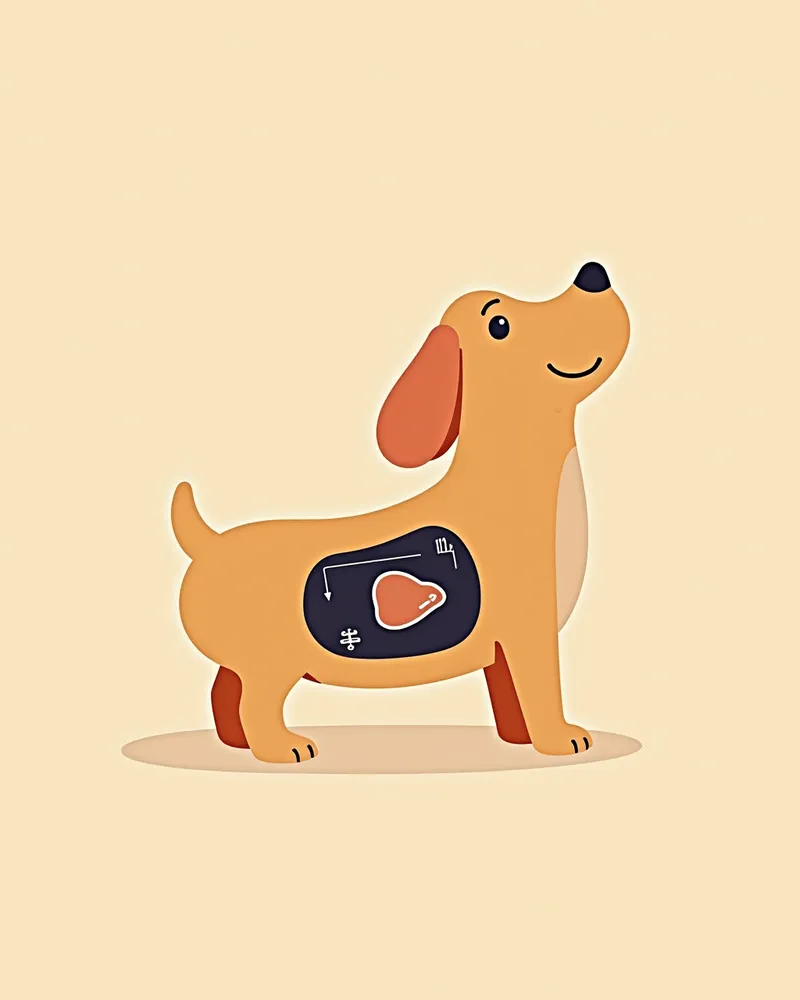
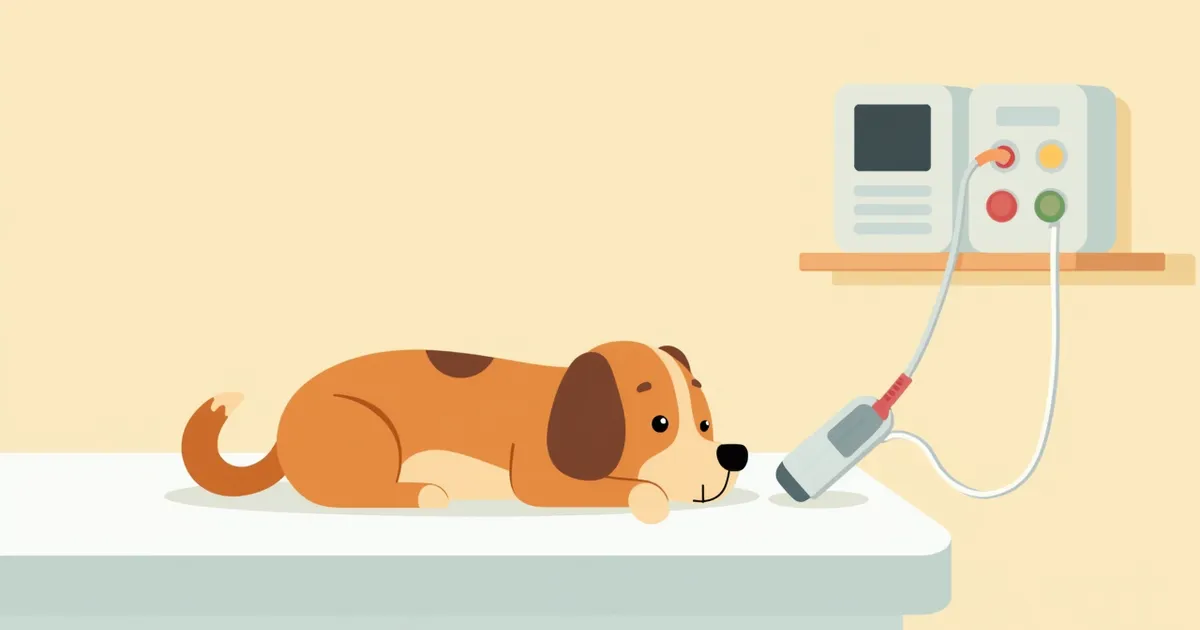
We accurately diagnose leptospiral liver involvement in dogs through a combination of tests. - Blood tests: We suspect the condition if liver function indicators (ALT, AST, ALP) are elevated. - Urine tests: We check for the presence of Leptospira bacteria in the urine. - PCR testing: We directly detect the genetic material of the bacteria in blood or urine samples. - Serological tests: We determine infection status by measuring antibody responses. - Ultrasound examination: We visually assess changes in liver size and texture. We arrive at an accurate diagnosis by comprehensively analyzing the results of these tests.
A veterinarian performing an ultrasound examination of a dog's liver.

Treatment and Step-by-Step Management
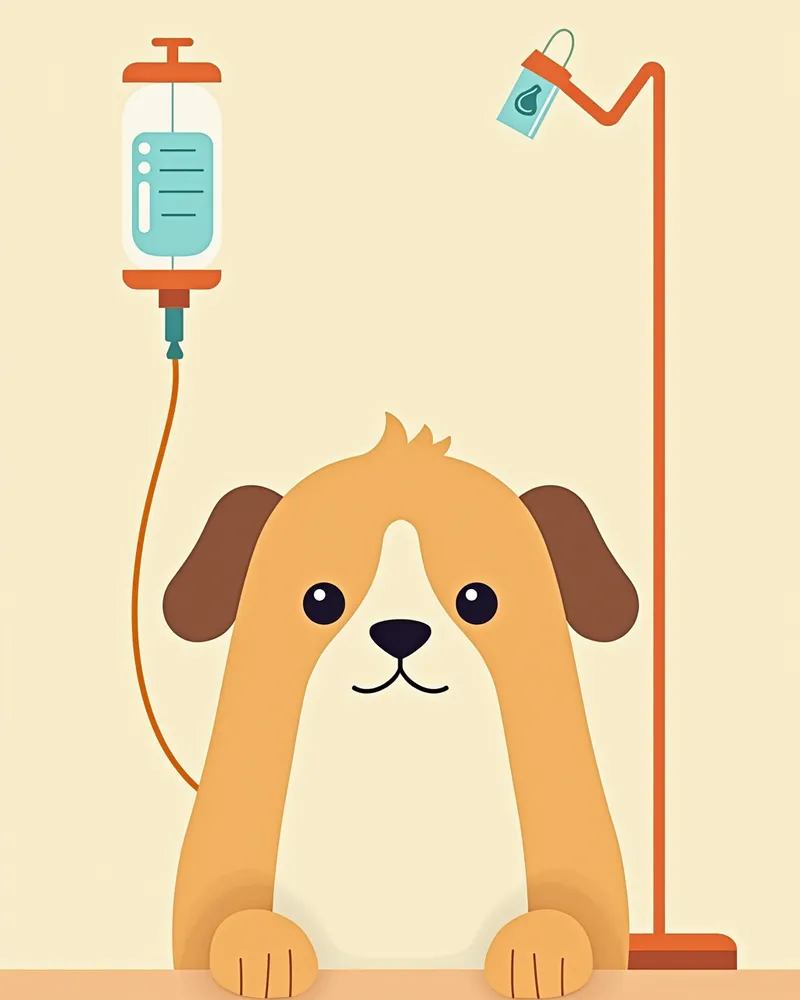
Treatment involves a combination of antibiotics and supportive care. - Step 1: Administer antibiotics (e.g., doxycycline) to eliminate the bacteria. - Step 2: Use liver-support supplements as needed to aid the recovery and regeneration of damaged liver cells. - Step 3: Provide intravenous fluids to replenish hydration and electrolytes, supporting kidney perfusion and overall strength. - Step 4: Prescribe tailored medications, such as gastrointestinal protectants, based on symptoms like jaundice or vomiting. The course of treatment and recovery depends on the stage of the disease at diagnosis, and regular check-ups are necessary until full recovery.
A veterinarian administering an intravenous injection to a puppy.

Home Care Points

During treatment, it’s important to keep the environment clean and stable. - Diet Management: Choose low-fat, high-protein foods that are gentle on the liver. It’s best to offer small, frequent meals. - Water Supply: Always provide fresh, clean water and change it regularly. - Potty Management: Change potty pads several times a day to maintain hygiene. - Limit Outdoor Activity: Minimize outings during treatment and keep walks short. - Regular Vet Visits: Visit the vet at least once a week to monitor medication effects and liver function changes.
A puppy resting in a calm, secure environment.

Preventing Recurrence and Breed Precautions

Leptospirosis can recur even after recovery, so vaccination is recommended. However, vaccines only reduce clinical symptoms and do not completely prevent infection or bacterial shedding. Because immunity wanes quickly, annual booster shots are generally advised. Dogs that spend a lot of time outdoors or are frequently exposed to contaminated environments are at higher risk, so please consult your veterinarian before deciding on vaccination.

Reviewed by a veterinarian

Dr. Tony — Punnawat Phongkittirak

Dr. Tony — Punnawat Phongkittirak

Veterinarian

A veterinarian who majored in veterinary medicine at Khon Kaen University, Thailand, and completed the IVSA program at North Carolina State University in the United States. Drawing on clinical experience at animal hospitals, he works in the pet healthcare field and is dedicated to building a digital care environment that connects pet parents with veterinarians.

Frequently Asked Questions

Can leptospirosis affecting a dog's liver be transmitted to humans?
Yes, leptospirosis is a zoonotic disease that can be transmitted to humans. It’s especially important to take precautions when exposed to a dog’s urine.
Can it be prevented with a vaccine?
Leptospirosis vaccines help reduce the risk of infection and the severity of clinical symptoms. However, even vaccinated dogs can become infected and shed the bacteria in their urine. Because immunity wanes relatively quickly, veterinarians generally recommend annual booster shots after consulting with your vet.
Will my pet make a full recovery after treatment?
With proper treatment, full recovery is possible. However, if the liver damage is severe or progresses rapidly, residual effects such as chronic hepatitis may remain, requiring long-term management.
Can an infected dog come into contact with other dogs?
No, the urine of an infected dog can remain contagious for several weeks to months even after recovery. To prevent the spread of infection, avoid contact and isolate the dog.
Should I be careful with their diet?
Yes, a diet that is gentle on the liver is ideal, and it’s a good idea to consider special prescription diets or dietary management recommended by your veterinarian.

Share

Related Guides

References

[1] Notes on Canine Internal Medicine, 4th Ed. (2014). Organ Systems: Leptospira infection and hepatic involvement.

[2] Plumb's Veterinary Drug Handbook, 9th Ed. (2021). Antibiotics and treatment protocols for leptospirosis.

[3] BSAVA Manual of Canine and Feline Dermatology, 4th Ed. (2012). Zoonotic infections and systemic manifestations.

This information is based on veterinary literature and does not replace diagnosis or treatment. Please consult a veterinarian for specific health concerns.

Metapet Co., Ltd. | CEO: Park Sung-yong | Business Reg. No. 417-88-02562 | Seoul, South Korea | Customer Center

Dog Fever & Jaundice: Leptospiral Liver Disease Symptoms | Meongsiljang