Like
Share
멍실장
강아지 백내장 증상과 원인, 진단·치료와 관리 포인트 총정리

Canine Cataracts: Symptoms, Causes, Diagnosis, Treatment, and Management Essentials

Eye HealthDiseasesMeongsiljang Veterinary Advisory Board

Canine cataracts are a condition in which the lens of the eye becomes cloudy, leading to vision loss. Common causes include aging, genetics, and diabetes. Early detection and proper management are essential.

Canine Cataracts: A Vision Impairment Caused by Lens Clouding
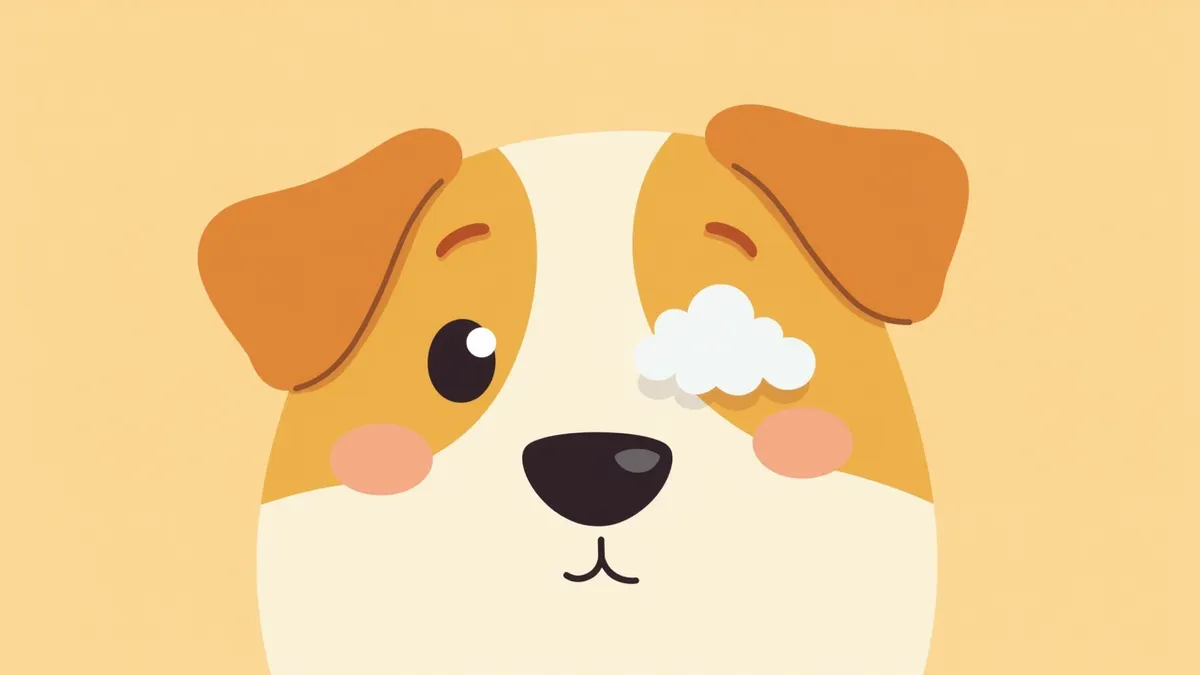
A dog’s eye with a clouded lens due to cataracts
Canine cataracts are a condition in which the eye’s lens loses its transparency and becomes cloudy, leading to a gradual decline in vision. In the early stages, only mild cloudiness may be noticeable, but as the condition progresses, it can result in complete blindness. - Genetic factors: Cataracts most commonly occur due to genetic predisposition. Hereditary cataracts have been reported in over 90 breeds, including Labrador Retrievers, Golden Retrievers, Miniature and Giant Schnauzers, Standard Poodles, Boston Terriers, and Old English Sheepdogs. - Systemic diseases such as diabetes: Diabetes can cause changes in the lens, leading to the rapid development of cataracts. - Trauma and inflammation: Injury or inflammation of the lens can trigger cataract formation. Traumatic cataracts typically affect only one eye (unilateral). - Aging: Cataracts can also develop as dogs age. Early detection and proper management are key to preserving vision.

Understanding the Main Causes of Cataracts

Canine cataracts result from a combination of various factors. - Genetic predisposition: Genetics are the most common cause, with hereditary cataracts reported in over 90 breeds, including Labrador Retrievers, Schnauzers, Standard Poodles, and Boston Terriers. - Systemic diseases such as diabetes: Diabetes can disrupt the protein and fluid balance in the lens, leading to rapid cataract formation. - Trauma: Injury or shock to the lens can cause cataracts, which typically appear in only one eye in such cases. - Nutritional deficiencies, radiation, and UV exposure: Nutritional deficiencies associated with milk replacers in young animals, exposure to radiation therapy, and excessive ultraviolet light exposure can also contribute to cataract development. - Medications and other factors: Use of certain medications like ketoconazole, retinal atrophy, and electric shock may also cause cataracts. Because multiple factors can be involved, regular veterinary check-ups are essential.
A diagram of a dog’s eye anatomy explaining the causes of cataracts

Checklist of Main Cataract Symptoms

Cataracts in dogs often develop gradually, but sometimes the eyes suddenly become cloudy overnight, making it easy for owners to miss the changes. When vision becomes blurry, you may notice your dog repeatedly bumping into obstacles or struggling to locate familiar items like toys. The lens may also appear white or grayish-white. Prompt action is essential to prevent vision loss.
Decreased vision: Difficulty navigating or an increased frequency of bumping into objects.
Cloudy eyes: The lens turns white or grayish-white, giving the eyes a hazy appearance.
Difficulty finding objects: Trouble locating familiar items such as toys, and increased disorientation in bright sunlight.
Behavioral changes: Signs of anxiety or a loss of sense of direction.
Sudden onset: Cataracts can sometimes appear suddenly, with the eyes becoming cloudy overnight.
A comparison between a healthy eye and one clouded by cataracts

When to Visit the Vet Immediately

If your pet’s eyes suddenly become cloudy, or if they start rubbing or pawing at their eyes, consult a veterinarian immediately. These symptoms could indicate serious conditions such as cataracts, corneal damage, glaucoma, or internal eye bleeding. Prompt diagnosis and treatment are essential to prevent vision loss.

Diagnostic Tests for Accurate Diagnosis
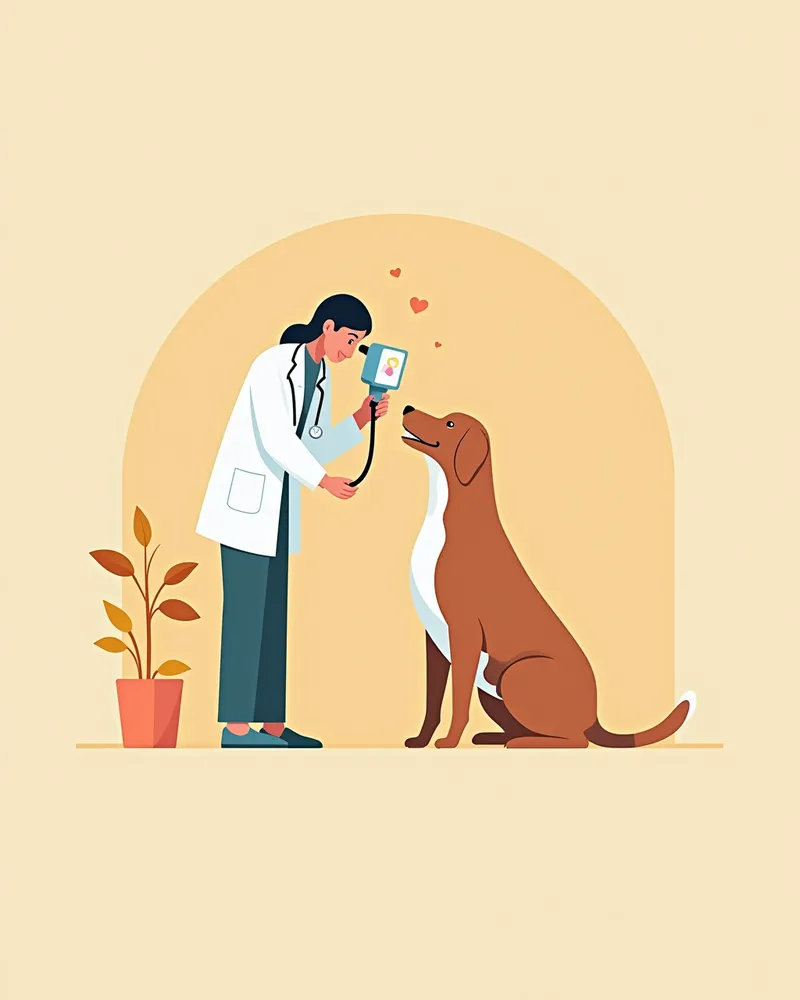
A cataract diagnosis begins with a comprehensive ophthalmic examination performed by a veterinarian. Every patient with cataracts requires a thorough and complete eye exam, including pupil dilation (mydriasis) to evaluate the edges of the lens and the condition of the retina. - Slit-lamp examination: A slit lamp and retroillumination are used to precisely assess the degree of lens opacity. - Differentiation from nuclear sclerosis: Distinguish cataracts from nuclear sclerosis, which is caused by aging. Nuclear sclerosis typically causes little to no vision loss and preserves the tapetal (fundus) reflex. - Intraocular pressure measurement: Measure intraocular pressure to check for complications such as glaucoma. - Blood tests: Conduct blood work to identify systemic diseases, such as diabetes, and determine the underlying cause. - Fundus and electroretinogram (ERG) testing: Evaluate retinal function and condition to determine surgical candidacy and identify any other concurrent ocular diseases. An accurate diagnosis forms the foundation for developing an effective treatment plan.
A veterinarian examining a dog's eyes with an ophthalmoscope.

Cataract Treatment: Surgery and Conservative Management
Cataract treatment varies depending on the severity of symptoms and the patient’s overall condition. - Surgical treatment: The most common approach for restoring vision is surgery to remove the clouded lens and implant an artificial one, typically through phacoemulsification. - Medication management: There are currently no medications that can reverse cataracts themselves; drugs are primarily used to control inflammation caused by leaking lens proteins (lens-induced uveitis). - Treatment selection: Options include no treatment, topical medication management, or surgery. The best choice depends on the patient’s condition and should be decided in consultation with your veterinarian. - Pre- and post-operative care: Pre-surgical evaluations are necessary, and after surgery, medications to prevent inflammation and infection, along with regular check-ups, are required. - Environmental adaptation: Adjust the home environment to accommodate changes in vision, ensuring your pet can live safely and comfortably.
A dog recovering after cataract surgery

Home Care and Daily Management Tips

When caring for a dog with cataracts, safety and comfort should always come first. - Maintain a consistent environment: Avoid rearranging furniture and keep the layout predictable. - Adjust lighting: Add extra lights in dark areas to improve visibility. - Walk with care: Keep a firm hold on the leash and allow your dog to adjust slowly in new places. - Create a safe space: Keep sharp objects out of reach and prevent access to high places. - Regular check-ups: Monitor your dog’s condition through routine veterinary visits. - Emotional support: Changes can take time to adjust to, so provide gentle, loving care.
A cataract-affected dog enjoying a walk in a safe environment

Breed-Specific Precautions and Prevention of Recurrence

The risk of hereditary cataracts is high in more than 90 breeds, including Labrador Retrievers, Golden Retrievers, Miniature and Giant Schnauzers, Standard Poodles, Boston Terriers, and Old English Sheepdogs. Dogs with diabetes are also at increased risk of developing cataracts. Regular ophthalmic examinations and blood sugar management are essential. Even after surgery, meticulous medication adherence and environmental care are necessary to prevent inflammation and infection.

Reviewed by a veterinarian

Dr. Tony — Punnawat Phongkittirak

Dr. Tony — Punnawat Phongkittirak

Veterinarian

A veterinarian who majored in veterinary medicine at Khon Kaen University, Thailand, and completed the IVSA program at North Carolina State University in the United States. Drawing on clinical experience at animal hospitals, he works in the pet healthcare field and is dedicated to building a digital care environment that connects pet parents with veterinarians.

Frequently Asked Questions

Can cataracts be cured?
In most cases, vision can be restored through surgery. Regular post-operative care is also necessary.
How much does cataract surgery cost?
Surgical costs vary depending on the clinic and location, but typically range from $700 to $1,000. Please check whether your pet insurance covers the procedure.
Does cataract always require surgery?
If vision isn’t significantly affected, it can be managed without surgery. However, as the condition progresses, the risk of blindness increases, so it’s important to consult with your veterinarian.
Is cataract contagious to other dogs?
No. Cataracts are not an infectious disease and cannot be transmitted to other dogs. There may be a genetic component.
Can I continue taking my pet for walks if they develop cataracts?
Yes, you can continue taking your pet for walks. However, in new environments, it’s best to keep a firm hold on the leash and choose safe routes.

Share

Related Guides

References

[1] BSAVA Manual of Canine and Feline Dermatology, 4th Ed. (2017). BSAVA Publications.

[2] Plumb's Veterinary Drug Handbook, 9th Ed. (2021). Wiley-Blackwell.

[3] American College of Veterinary Ophthalmologists (ACVO). Canine Cataracts: Causes and Management. (2020). ACVO Guidelines.

This information is based on veterinary literature and does not replace diagnosis or treatment. Please consult a veterinarian for specific health concerns.

Metapet Co., Ltd. | CEO: Park Sung-yong | Business Reg. No. 417-88-02562 | Seoul, South Korea | Customer Center

Canine Cataracts: Symptoms, Causes, Diagnosis & Treatment | Meongsiljang