Like
Share
멍실장
강아지 대마중독 증상과 응급 대처법, 위험 섭취량과 예방까지 총정리

Did My Dog Ingest Cannabis? — From Poisoning Warning Signs to Emergency Treatment and Prevention

Emergency/ToxicityDiseasesMeongsiljang Veterinary Advisory Board

If your dog ingests cannabis compounds, it may exhibit neurological symptoms such as stumbling, urinary incontinence, and seizures. Seeking veterinary care immediately after ingestion is crucial for recovery.

What Is Canine Cannabis Intoxication?
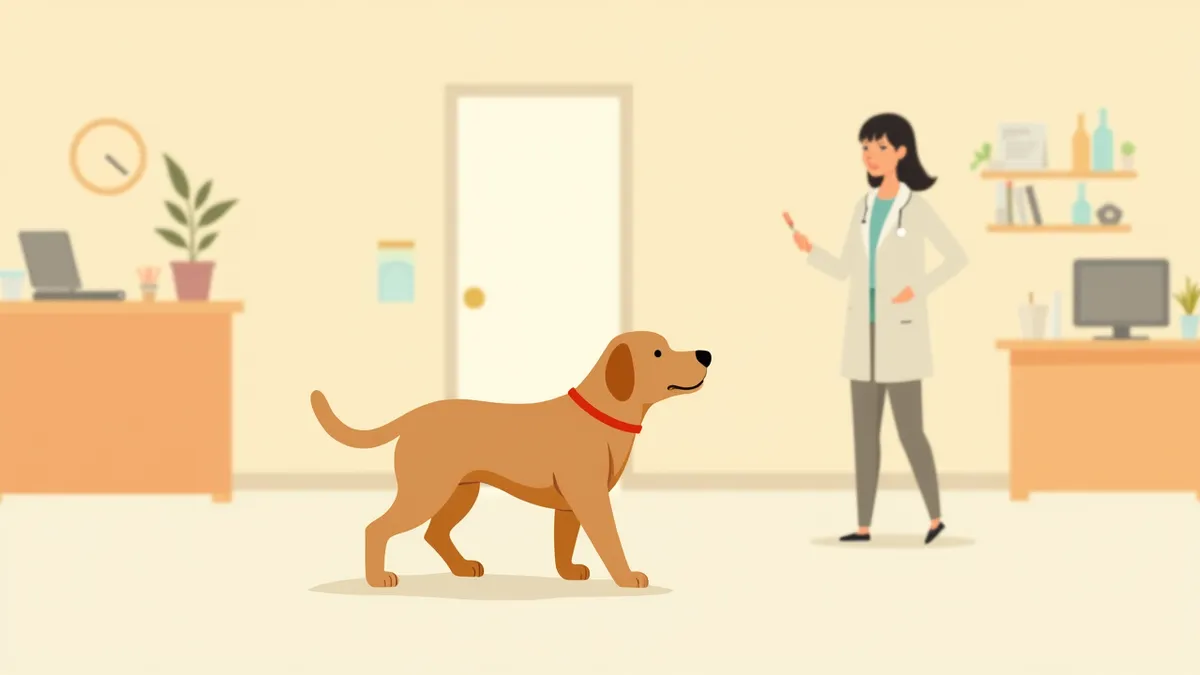
A wobbly puppy
Canine cannabis intoxication is a toxic condition that occurs when dogs ingest tetrahydrocannabinol (THC), the psychoactive component of Cannabis sativa, leading to neurological and gastrointestinal disturbances. Dogs have a high density of cannabinoid (CB1) receptors in the cerebellum and medulla oblongata, making them particularly sensitive to THC and prone to symptoms such as ataxia (stumbling) and cardiovascular or respiratory reactions. Symptoms typically begin within 1 to 2 hours after ingestion, though onset may be delayed up to 4 hours if the dog is on an empty stomach. In cases of inhalation, symptoms can appear within minutes. Ingestion of high-THC forms, such as edibles or concentrated oils, can result in prolonged symptoms and a poorer prognosis. If your dog exhibits stumbling, urinary incontinence, or exaggerated startle responses, seek immediate veterinary care.

Main Routes of Cannabis Exposure in Dogs

There are four main ways dogs can be exposed to cannabis and become intoxicated.
Direct ingestion of cannabis: This involves eating dried leaves, stems, or seeds. It was once the most common route of exposure.
Ingestion of edibles (cannabis-infused foods): These often come in the form of cookies, brownies, candies, or chocolates. Recently, along with concentrated products, edibles have become one of the most common causes of poisoning. They are especially dangerous if they also contain chocolate, raisins, or xylitol, as the toxic effects can compound.
Ingestion of concentrated oils or waxes: These products have a much higher concentration of THC than regular cannabis. Even small amounts can lead to an emergency situation and result in a poorer prognosis.
Secondhand smoke inhalation: Symptoms can appear within minutes of inhalation, so exposure in enclosed spaces should never be ignored.

Canine Cannabis Intoxication Symptom Checklist

If the following symptoms appear within 1–2 hours after ingestion (up to 4 hours on an empty stomach), suspect cannabis poisoning.
Staggering and loss of balance: The pet may sway or stumble as if intoxicated and have difficulty standing properly.
Exaggerated startle response: The pet may flinch severely at minor sounds or light touch.
Dilated pupils: The pupils appear larger than usual.
Urinary incontinence: Urine leaks involuntarily.
Drooling and vomiting: Excessive salivation or vomiting may occur.
Lethargy and dullness: The pet responds slowly when called and appears dazed or unresponsive.
A puppy getting a check-up from the vet

Symptoms Requiring Immediate Emergency Veterinary Care

If your pet shows any of the following symptoms, do not wait at home—seek immediate care at a 24-hour emergency veterinary clinic: • Seizures or full-body tremors • Unconsciousness or inability to wake up • Slow or irregular breathing • Body temperature dropping below 38°C • Inability to stand for more than 2 hours

Diagnostic Methods at the Veterinary Clinic

At the veterinary clinic, a diagnosis of cannabis toxicity is made by combining a review of what your pet has ingested with a physical examination and assessment of clinical signs. It is crucial to be completely honest with your veterinarian about when, how much, and in what form your dog consumed cannabis products. Because diagnosis relies heavily on an accurate medical history and clinical signs, withholding information can delay both diagnosis and treatment. Human urine drug tests are often unreliable for dogs, as species-specific differences in metabolites frequently lead to false-negative results, making them of limited value in confirming THC exposure. While gas chromatography-mass spectrometry is highly accurate, it is generally not practical for immediate use in a clinical setting. Therefore, veterinarians typically rely on blood tests and other assessments to check for complications such as hypotension, using this comprehensive information to develop an appropriate treatment plan.

Treatment for Cannabis Toxicity — Step-by-Step Management
According to veterinary textbooks, the cornerstone of treating cannabis toxicity is eliminating the toxin and alleviating symptoms.
Inducing vomiting: If your pet hasn’t shown symptoms yet after ingestion, a veterinarian may induce vomiting. However, this is strictly prohibited if symptoms are already present due to the risk of aspiration.
Activated charcoal administration: A single dose may be given after large ingestions to reduce THC absorption in the intestines.
Intravenous fluid therapy: IV fluids are administered to maintain blood pressure and regulate body temperature.
Anticonvulsants and sedatives: Additional medications are used to manage seizures or severe anxiety.
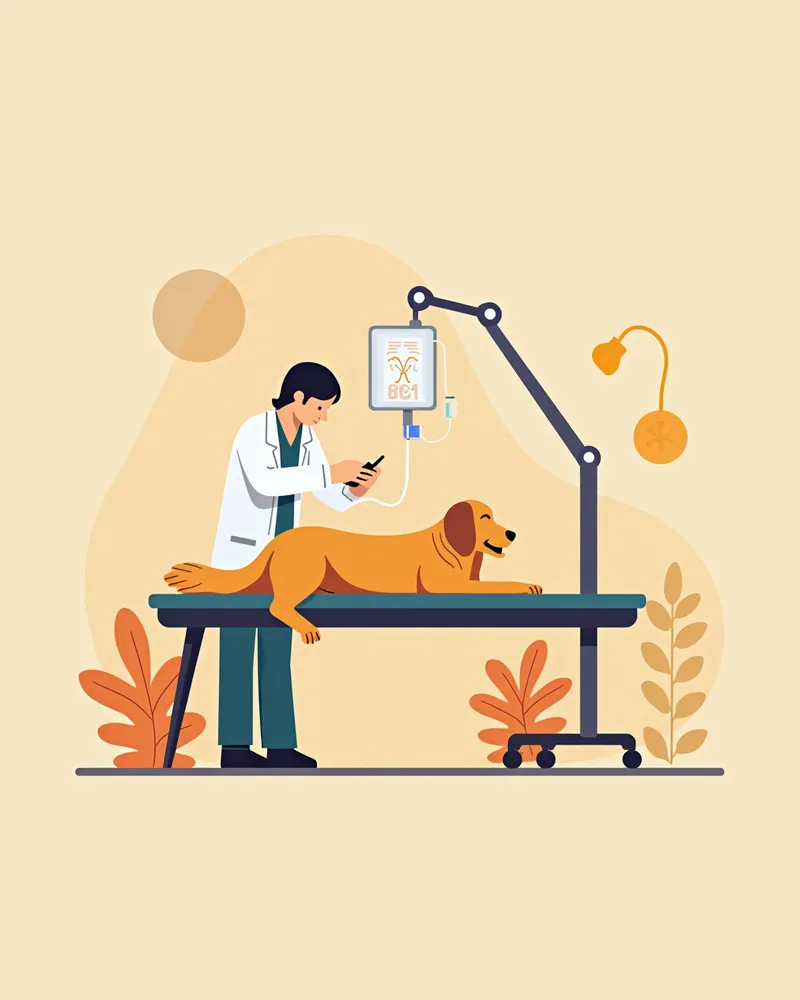
A puppy receiving intravenous fluid therapy

Home Recovery Care

Please follow these guidelines when caring for your dog at home as it recovers after hospital treatment.
Maintain a quiet, dim environment: Excessive stimulation can worsen symptoms.
Monitor body temperature: Keep your dog warm with a blanket, and return to the hospital if its temperature remains low.
Do not force-feed: Forcing food or water before full consciousness returns poses a risk of aspiration.
Do not leave alone: Provide 24-hour supervision until all symptoms have completely resolved.
Do not induce vomiting at home. Vomiting while consciousness is impaired can lead to aspiration pneumonia.

Small Breeds, Senior Dogs, and Dogs with Underlying Conditions Are at Higher Risk

Smaller dogs are at greater risk because the same amount of a toxin can lead to higher blood concentrations. Dogs with liver disease, those prone to scavenging, and breeds with MDR1 gene mutations are considered high-risk factors by veterinary guidelines and may progress to severe conditions more rapidly. If the edible product contains chocolate or xylitol, the risk is compounded by potential chocolate toxicity and hypoglycemia alongside cannabis toxicity, making it a medical emergency.

Preventing Cannabis Toxicity — Storage and Environmental Management

You can significantly reduce the risk of cannabis poisoning in dogs simply by adopting proper storage habits.
Store in locked drawers or cabinets: Keep products in secure, locked areas that are completely inaccessible to your dog.
Exercise extra caution with edibles: Edibles often resemble candy or cookies, making them easy for dogs to accidentally ingest.
Inform guests in advance: Ask visitors to ensure that any products in their bags or pockets are kept out of your dog’s reach.
Train a "leave it" command: Teaching your dog not to eat cigarette butts or unfamiliar foods while on walks can be very helpful.
Pet owners who store items in a locked drawer

Reviewed by a veterinarian

Dr. Tony — Punnawat Phongkittirak

Dr. Tony — Punnawat Phongkittirak

Veterinarian

A veterinarian who majored in veterinary medicine at Khon Kaen University, Thailand, and completed the IVSA program at North Carolina State University in the United States. Drawing on clinical experience at animal hospitals, he works in the pet healthcare field and is dedicated to building a digital care environment that connects pet parents with veterinarians.

Frequently Asked Questions

My dog ate a small amount of marijuana, but there are no symptoms. Is it okay?
The threshold for what constitutes a “small amount” varies significantly depending on your dog’s weight and the type of product involved. Even if no symptoms are apparent, it’s safest to contact your veterinarian for guidance as soon as ingestion is confirmed. This is especially important for small-breed dogs, which can deteriorate rapidly even after consuming small amounts.
Can dogs die from marijuana poisoning?
Most dogs recover well from acute intoxication, and the lethal dose of THC (3 g/kg or more) is so high that death from ingesting a small amount of regular cannabis is rare. However, the prognosis worsens if large quantities of concentrated oils, waxes, or cannabis edibles are consumed, and in rare cases, it can lead to serious conditions such as respiratory depression and hypothermia. Prompt veterinary care significantly improves the prognosis.
Will I be reported to the police if I go to the hospital?
Veterinarians are not required to report pet owners to law enforcement. Honestly sharing your dog’s ingestion history is far more critical for saving its life. Without this information, diagnosis and treatment may be delayed.
Even if the symptoms seem to have improved, is it still necessary to visit the clinic?
Even if your pet seems to be improving at home, THC has a long half-life in the body, so symptoms may reappear or persist for an extended period. If your pet ingested a large amount or consumed edibles or concentrated products, it’s best to have a veterinarian check them, even if the symptoms seem to have subsided.
Can inhaling marijuana smoke cause poisoning?
Although it is less toxic when ingested, symptoms can appear within minutes if inhaled. Prolonged exposure to smoke in a poorly ventilated area may trigger symptoms, so please ensure adequate ventilation in any space where your dog is present.

Share

Related Guides

References

[1] Wismer T, Gwaltney-Brant S. et al., Blackwell's Five-Minute Veterinary Consult Clinical Companion: Small Animal Toxicology, 3rd Edition, Wiley-Blackwell, 2022

[2] Schaer M. et al., Clinical Medicine of the Dog and Cat, 4th Edition, Manson Publishing, 2022

[3] Plumb DC., Plumb's Veterinary Drug Handbook, 10th Edition, Wiley-Blackwell, 2023

[4] Drobatz KJ, Costello MF. et al., Feline Emergency and Critical Care Medicine, 2nd Edition, Wiley-Blackwell, 2018

This information is based on veterinary literature and does not replace diagnosis or treatment. Please consult a veterinarian for specific health concerns.

Metapet Co., Ltd. | CEO: Park Sung-yong | Business Reg. No. 417-88-02562 | Seoul, South Korea | Customer Center

Did My Dog Eat Cannabis? Warning Signs & Emergency Care | Meongsiljang