

Blind Cats Can Be Happy Too — Care and Environmental Management for Visually Impaired Pets
Feline blindness in cats is a condition characterized by behavioral changes associated with visual impairment, making early diagnosis and management crucial. Causes vary, including genetics, trauma, and diseases, and collaboration with a veterinarian is essential.
Feline Blindness in Cats Is a Condition Characterized by Behavioral Changes Associated with Visual Impairment
Main Causes Vary, Including Genetics, Trauma, and Diseases
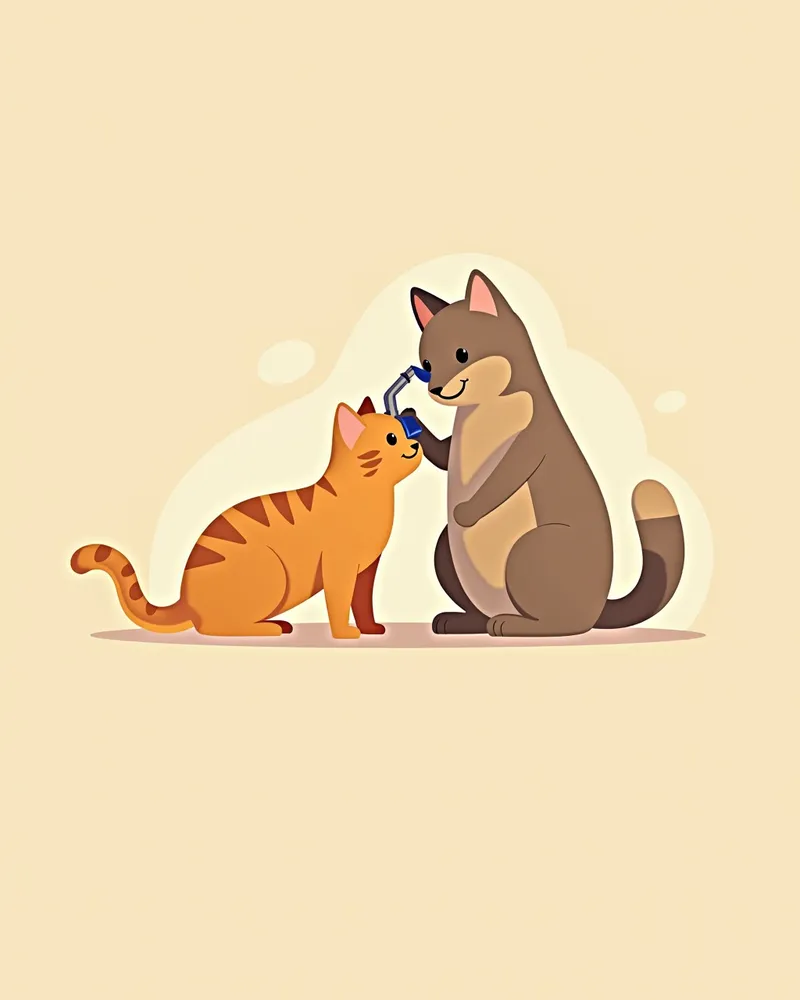
Check for Main Symptoms and Signs

Cases Requiring Immediate Veterinary Visit
If your cat suddenly loses its vision, or if its eyes become swollen, red, or produce discharge, you should take it to the vet immediately. This could be caused by an acute illness, infection, or injury. Delaying treatment may make it difficult to restore vision.
Multiple Tests Are Needed for an Accurate Diagnosis

Treatment Methods Vary Depending on the Underlying Cause

Home Care and Management Are Very Important

Certain Breeds Are More Susceptible to Hereditary Visual Impairments
Certain cat breeds are known to have a genetic predisposition to hereditary and congenital eye conditions, such as retinal atrophy, making them more susceptible to inherited vision impairments. For some of these breeds, genetic testing is available, so it’s advisable to review the health records of the parents before adoption and consider genetic testing if necessary. Early detection and consistent care can significantly improve your cat’s quality of life.
Reviewed by a veterinarian

Dr. Tony — Punnawat Phongkittirak
VeterinarianA veterinarian who majored in veterinary medicine at Khon Kaen University, Thailand, and completed the IVSA program at North Carolina State University in the United States. Drawing on clinical experience at animal hospitals, he works in the pet healthcare field and is dedicated to building a digital care environment that connects pet parents with veterinarians.
Reviewed 2026-06-02
Frequently Asked Questions
Can a blind dog be fully cured?
Can blind cats still enjoy playing?
Can a blind cat live with other cats?
What is the average lifespan of a blind dog?
What kind of food is good for visually impaired cats?
Share
Related Guides

Top 5 Dog Tear Supplements Recommended for 2026

What is Lutein? Effects on Dog Eye Health

The Best Canine Uveitis Management Products and Selection Criteria: A Comprehensive Guide

Feline Uveitis: A Potential Sign of FIV or FIP — Diagnostic Points for Comorbidities

Feline Cholangitis and Triaditis: A Diagnostic Guide for Concurrent Pancreatic and Small Intestinal Diseases

Canine Cholangitis: A Guide to Symptoms (Jaundice, Loss of Appetite), Diagnosis, and Treatment

Genetic Testing and Lifelong Management of Polycystic Kidney Disease (PKD) in Persian Cats

Pyelonephritis in Dogs — Preventing Recurrent Urinary Tract Infections and Kidney Complications
Acute Kidney Failure in Dogs — Emergency Signs by Cause and Recovery Potential

My Dog Has Nosebleeds and Lethargy — Ehrlichia Symptoms and When to Go to the Vet
References
[1] Collins BK, Collier LL, Johnson GS, et al. Familial cataracts and concurrent ocular anomalies in chow chows. J Am Vet Med Assoc. 1992;200(10):1485–1491.
[2] Glaze MB. Congenital and hereditary ocular abnormalities in cats. Clin Tech Small Anim Pract. 2005;20(2):74–82.
[3] Esson DW, Calvaresi S. Clinical Atlas of Canine and Feline Ophthalmic Disease, 2nd Ed. Wiley-Blackwell, 2022.