
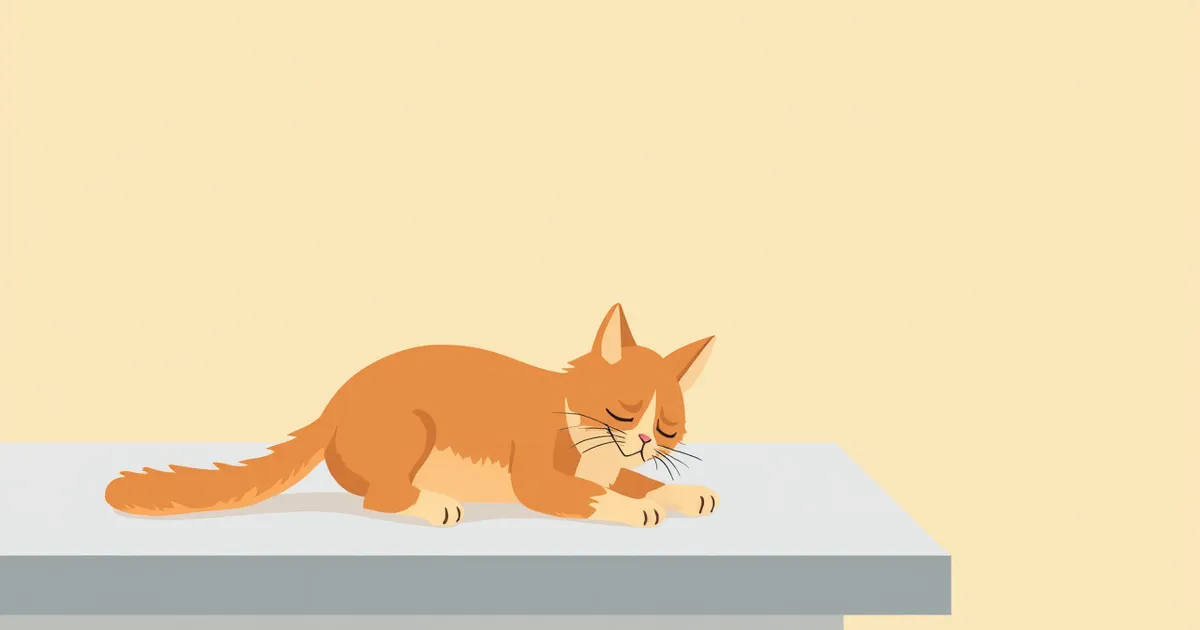
Feline SFTS (Severe Fever with Thrombocytopenia Syndrome): Symptoms, Infection Route, Treatment, and Prevention Summary
Feline SFTS (Severe Fever with Thrombocytopenia Syndrome) is a fatal viral systemic disease transmitted by the Haemaphysalis longicornis tick. We’ve summarized the infection route, symptoms, diagnosis, treatment, and precautions for pet owners regarding this zoonotic disease.
What is Feline SFTS (Severe Fever with Thrombocytopenia Syndrome)?

SFTS Infection Route — How is it Transmitted?
SFTS Key Symptoms Checklist — Suspect SFTS if These Symptoms Appear

Emergency Situations Requiring Immediate Veterinary Care
If your pet develops a sudden, persistent high fever, refuses to eat or drink, or becomes severely lethargic and unresponsive, seek immediate care at a 24-hour emergency animal hospital. SFTS progresses rapidly and can be fatal, so it is crucial to get veterinary attention as soon as possible if you suspect the disease.
Diagnosis — How is it Confirmed?
Treatment — Supportive Care is Key

Home Care — How to Manage at Home?
Prevention — Tick Control is the Most Effective Method

Owners Take Note — It Can Be Transmitted to Humans
SFTS is a zoonotic disease, meaning it can be transmitted from animals to humans. Direct contact with the blood or bodily fluids of an infected cat can lead to infection in pet owners. If your cat is diagnosed with SFTS, you should have your own health checked at a nearby clinic or hospital. While caring for your cat, always wear a mask and gloves, and seek immediate medical attention if you develop symptoms such as fever or muscle pain.
Reviewed by a veterinarian

Dr. Tony — Punnawat Phongkittirak
VeterinarianA veterinarian who majored in veterinary medicine at Khon Kaen University, Thailand, and completed the IVSA program at North Carolina State University in the United States. Drawing on clinical experience at animal hospitals, he works in the pet healthcare field and is dedicated to building a digital care environment that connects pet parents with veterinarians.
Reviewed 2026-05-29
Frequently Asked Questions
Can indoor-only cats get SFTS?
Should I remove a tick from my cat myself?
Can SFTS be cured?
Is there a vaccine to prevent SFTS in cats?
If I cared for a cat with SFTS and had no symptoms, am I okay?
Share
Related Guides

5 Flea and Tick Preventives for Cats Recommended by Veterinarians — Ingredient Safety Comparison

The Ultimate Guide to Differentiating Symptoms, Managing Internal Parasites in Dogs, and Choosing the Best Products

Best Practices and Selection Criteria for Dog Heartworm Antigen Testing

A Complete Guide to Frequent and Urgent Urination in Dogs: Symptoms, Causes, Diagnosis, Treatment, and Management

High Blood Pressure and Proteinuria in Dogs: Symptoms, Causes, Diagnosis, Treatment, and Management Essentials

Dog Calcium Oxalate Uroliths: Symptoms, Causes, Diagnosis, Treatment, and Management Essentials

Dog Bladder Nerve Stimulation Therapy: Symptoms, Causes, Diagnosis, Treatment, and Management Essentials

Canine Amyloid Nephropathy: Symptoms, Causes, Diagnosis, Treatment, and Management Essentials
Feline Struvite Urinary Stones: Symptoms, Causes, Diagnosis, Treatment, and Management Essentials

Feline Stress-Induced Cystitis: A Complete Guide to Symptoms, Causes, Diagnosis, Treatment, and Management
References
[1] Matsuu A, Momoi Y, et al. Clinical and pathological findings of severe fever with thrombocytopenia syndrome in cats, Japan. J Vet Med Sci. 2019;81(6):938-943.
[2] Park SW, Han MG, et al. Severe fever with thrombocytopenia syndrome virus infection in domestic and wild animals in South Korea. Emerg Infect Dis. 2019;25(9):1737-1740.
[3] Greene CE (ed.), Infectious Diseases of the Dog and Cat, 4th Edition, Chapter: Rickettsial and Viral Zoonoses, Elsevier Saunders, 2012.