
Cat Schirmer Tear Test — Key to Diagnosing Dry Eye and Interpreting Results
The Schirmer tear test for cats is a diagnostic method that measures tear production and is used to evaluate symptoms of dry eyes or excessive tearing. For an accurate diagnosis, it must be performed by a veterinarian.
What is the Cat Schirmer Tear Test?
Main Causes of Abnormal Tear Production
Key Symptoms and Signs

When Immediate Veterinary Attention is Necessary
If your cat is unable to open its eyes, has severely swollen eyes, is producing tears mixed with blood, or repeatedly scratches or rubs its eyes, immediate veterinary attention is necessary. These symptoms may indicate corneal damage, severe inflammation, infection, or blockage of the tear ducts. Delayed treatment can lead to vision loss, so early diagnosis is crucial.
Diagnostic Procedures and Testing Methods
Treatment Methods and Step-by-Step Management
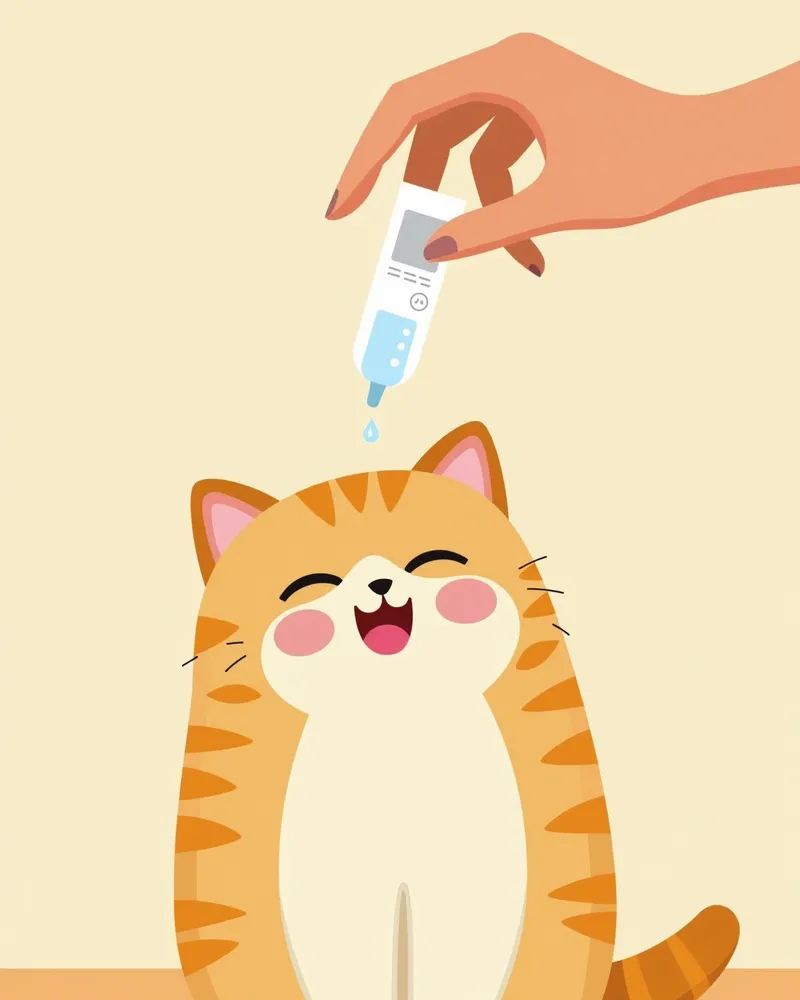
Home Care Points
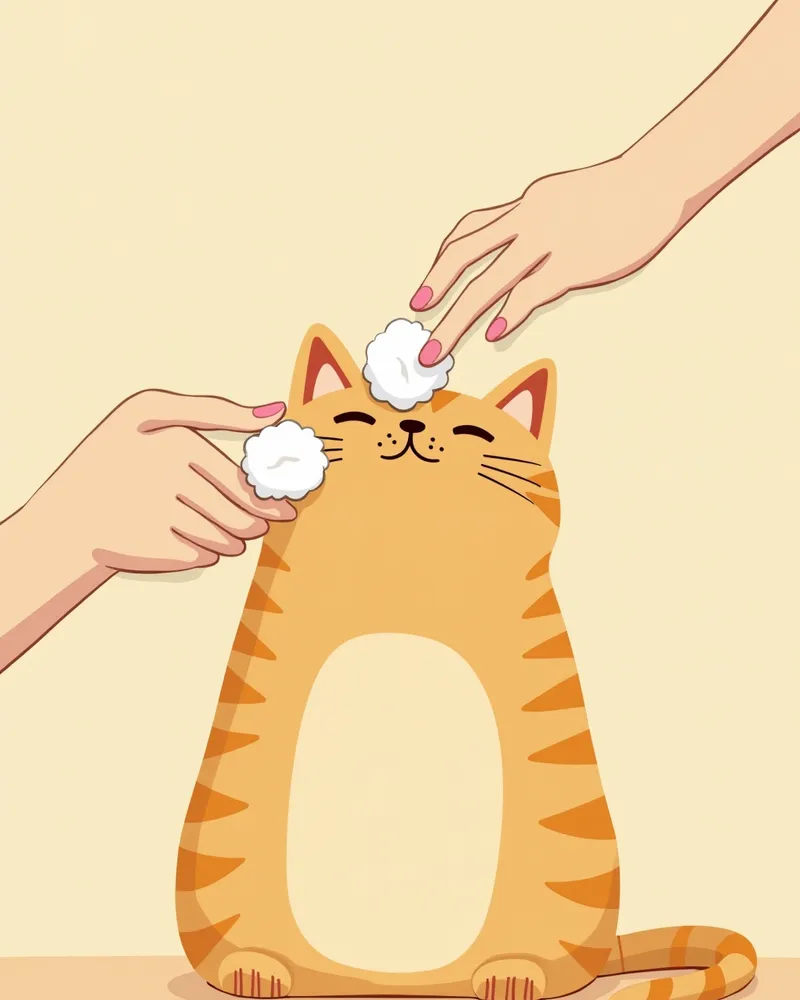
Breed-Specific Precautions and Prevention of Recurrence
Brachycephalic (flat-faced) cat breeds, such as Persians and British Shorthairs, are more prone to eye problems, including a higher incidence of corneal sequestrum, which is the deposition of black pigment on the cornea. Regular eye care and veterinary check-ups are essential for these breeds. Additionally, since normal cats can also show low values on Schirmer tear tests, test results must always be interpreted in conjunction with clinical symptoms. Ongoing management is necessary to prevent recurrence and progression.
Reviewed by a veterinarian

Dr. Tony — Punnawat Phongkittirak
VeterinarianA veterinarian who majored in veterinary medicine at Khon Kaen University, Thailand, and completed the IVSA program at North Carolina State University in the United States. Drawing on clinical experience at animal hospitals, he works in the pet healthcare field and is dedicated to building a digital care environment that connects pet parents with veterinarians.
Reviewed 2026-06-03
Frequently Asked Questions
Does the Schirmer test hurt?
What problems can occur if the test results are low?
How can I remove tear stains?
Can diet affect tear production?
How often should Schirmer tear tests be performed?
Share
Related Guides

Top 5 Dog Tear Supplements Recommended for 2026

What is Lutein? Effects on Dog Eye Health

The Best Canine Uveitis Management Products and Selection Criteria: A Comprehensive Guide

Feline Oral Preventives (Isoxazoline Class): Symptoms, Causes, Diagnosis, Treatment, and Management Essentials

Complete Guide to Kitten Deworming: Timing, Symptoms, Causes, Diagnosis, Treatment, and Management

Feline Internal Parasites: Comprehensive Guide to Symptom Differentiation, Causes, Diagnosis, Treatment, and Management

Feline Dermatophytosis (Ringworm): A Complete Guide to Differential Symptoms, Causes, Diagnosis, Treatment, and Management

Feline Cryptosporidiosis: Symptoms, Causes, Diagnosis, Treatment, and Management Essentials
Guide to Choosing Feline Broad-Spectrum Dewormers: Symptoms, Causes, Diagnosis, Treatment, and Care Essentials
Cat Hookworm Symptoms, Causes, Diagnosis, Treatment, and Management: A Complete Guide
References
[1] Esson, D.W. & Calvarese, S. (2022). Clinical Atlas of Canine and Feline Ophthalmic Disease, 2nd Ed. Wiley-Blackwell.
[2] Gelatt, K.N. et al. (2013). Veterinary Ophthalmology, 2nd Ed. Wiley-Blackwell.
[3] Ny, Y. et al. (2006). Medial canthoplasty for epiphora in dogs: a retrospective study of 23 cases. Journal of the American Animal Hospital Association, 42, 435–439.