Like
Share
멍실장
고양이 망막 변성·노화성 망막 변화 증상과 원인, 진단·치료와 관리 포인트 총정리

If Your Cat’s Vision Is Blurring — A Complete Guide to Retinal Degeneration, Age-Related Retinal Changes, and Management

Eye HealthDiseasesMeongsiljang Veterinary Advisory Board

Feline retinal degeneration and age-related retinal changes are conditions in which vision gradually declines due to aging, making early detection and proper management essential.

What Are Feline Retinal Degeneration and Age-Related Retinal Changes?
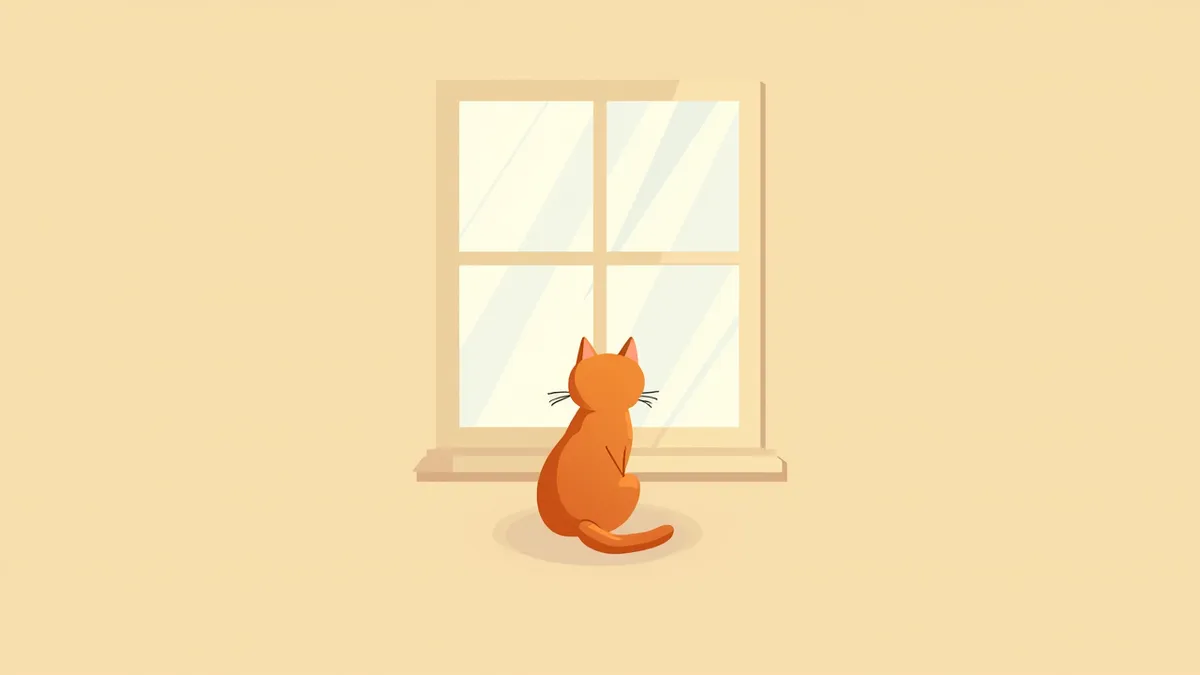
An aged cat gazing out the window, symbolically representing declining vision.
Feline retinal degeneration is a condition in which the photoreceptor cells in the retina, responsible for detecting light, lose their function and die, leading to a gradual decline in vision that can ultimately result in blindness. It can arise from various causes beyond aging, including nutritional deficiencies such as taurin deficiency, toxicity from certain medications like enrofloxacin, hereditary progressive retinal atrophy, and retinal detachment due to hypertension. In the early stages, symptoms are often subtle, making early detection challenging. - Vision loss: Your cat may show unsteady gait in dim lighting or bump into objects. - Reduced night vision (nyctalopia): Difficulty seeing in dark environments, such as at night, is often one of the first signs. - Pupillary changes: The pupils may become dilated and unresponsive to light. While advanced retinal degeneration is difficult to reverse, identifying and managing the underlying cause can help maintain your cat’s quality of life.

Major Causes and Pathogenesis

Feline retinal degeneration is rarely caused by aging alone; it typically results from a combination of factors. Well-documented causes include nutritional deficiencies such as taurine deficiency, drug toxicity from medications like enrofloxacin, hereditary progressive retinal atrophy, and retinal detachment secondary to hypertension. - Taurine Deficiency: Taurine is an essential amino acid for cats. A deficiency can lead to retinal degeneration, and the risk increases significantly if cats are fed dog food, which is low in taurine. - Drug and Toxic Effects: Certain medications, including enrofloxacin, can cause irreversible retinal degeneration. - Genetic Predisposition: Hereditary progressive retinal atrophy has been reported in specific breeds, such as Persians, Abyssinians, and Bengals. - Hypertension: Systemic high blood pressure can cause retinal detachment, leading to sudden vision loss. Early identification of the underlying cause can help slow disease progression.
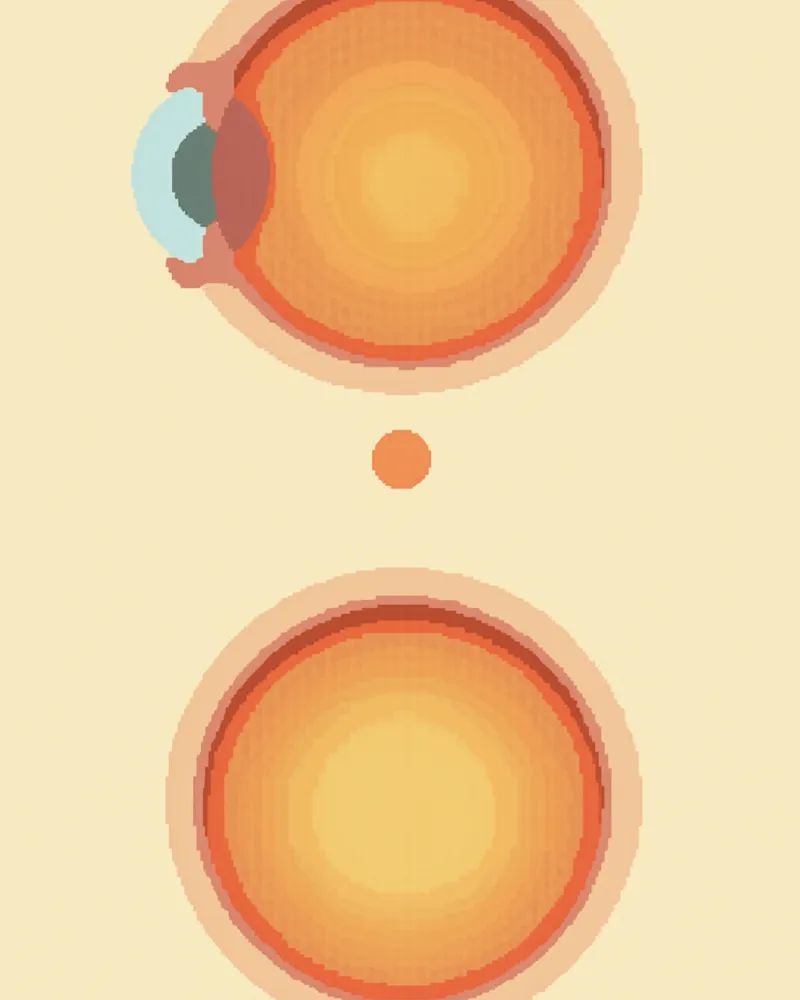
A scientific illustration showing retinal cell loss in a cross-sectional view of a cat's eye.

Major Symptoms and Signs

The early signs of feline retinal degeneration are often subtle and easy to miss. However, it is important to carefully monitor for gradual changes in your cat’s behavior.
Decreased night vision (nyctalopia): Cats may first show unsteady gait or bump into objects in dimly lit environments.
Difficulty recognizing objects: They might fail to respond to nearby objects or collide with walls.
Impaired spatial awareness: Misjudging stairs or hesitating in familiar spaces are common signs.
Pupillary changes: The pupils may react sluggishly to light and remain dilated.
Because these changes progress gradually, daily observation by pet owners is essential.
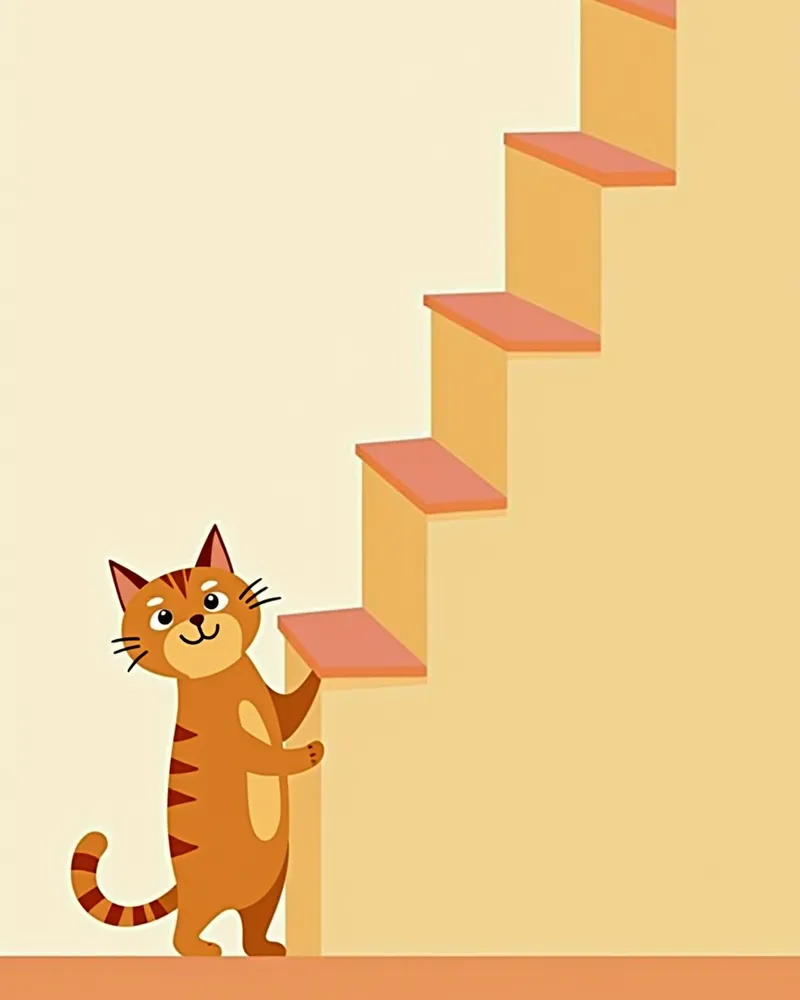
An aging cat hesitating at the edge of a staircase, reflecting vision loss

Signs Requiring Immediate Veterinary Visit

If your cat suddenly bumps into things in the dark, appears to have lost its vision, has dilated pupils that don’t respond to light, rubs its eyes excessively, produces more tears than usual, or has red eyes, consult a veterinarian immediately. These symptoms may indicate conditions other than retinal degeneration, such as retinal detachment due to high blood pressure, cataracts, glaucoma, or eye infections.

Accurate Diagnostic Methods
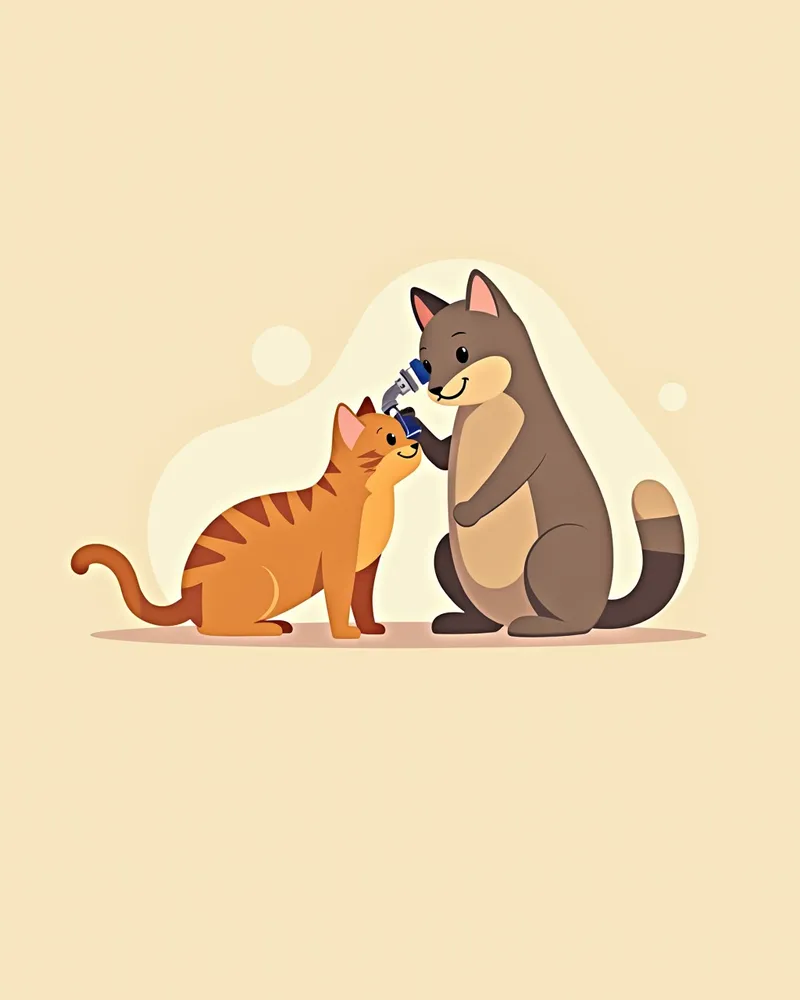
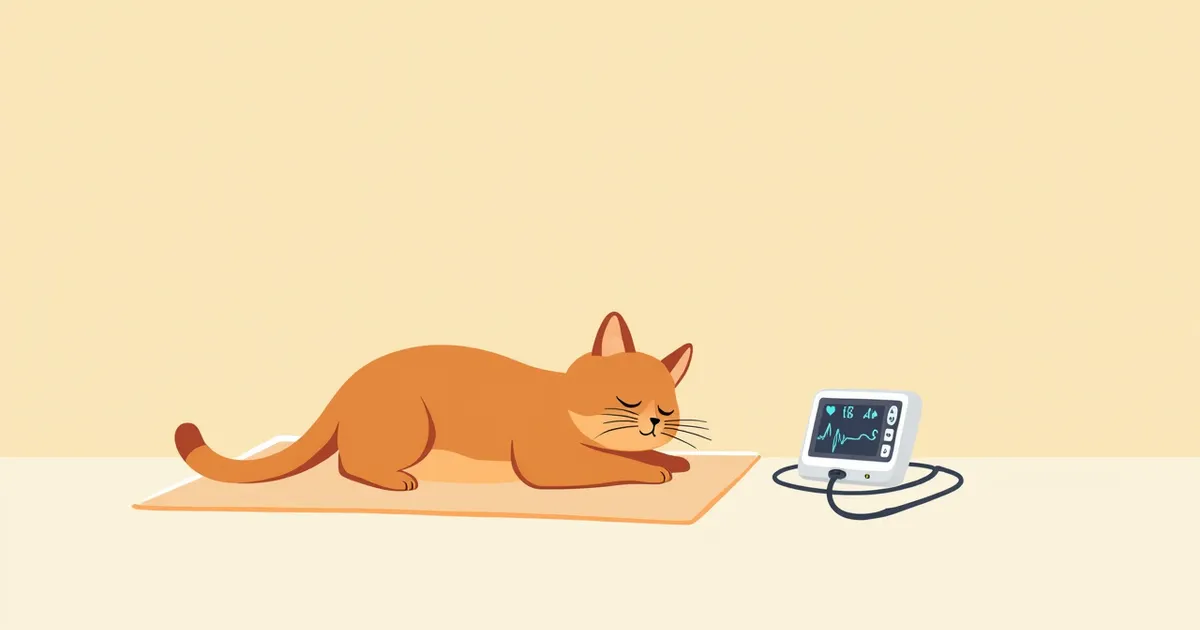
Veterinarians carefully evaluate the retina through ophthalmic exams and also check for underlying systemic causes. - Fundus examination: Using special lenses, the vet can directly observe the retina to detect degenerative signs such as tapetal hyperreflectivity or retinal vascular atrophy. - Electroretinography (ERG): This test measures the electrical signals produced by the eye in response to light, quantifying photoreceptor function and helping differentiate acute retinal diseases like SARD. - Intraocular pressure measurement: This is performed alongside other tests to rule out conditions such as glaucoma. - Blood pressure monitoring and systemic evaluation: To identify potential causes like hypertension or nutritional deficiencies, blood pressure checks are combined with blood and urine tests. A combination of these diagnostics is essential for an accurate diagnosis.
A veterinarian examines a cat’s retina using an ophthalmoscope.

Treatment and Management Methods

Once retinal degeneration has progressed, restoring vision is difficult, so the focus shifts to managing the underlying cause and protecting any remaining sight. - Treating the underlying cause: If the issue is a taurine deficiency, taurine supplementation is provided. If a medication such as enrofloxacin is the cause, it is discontinued. For high blood pressure, blood pressure is controlled with medications like amlodipine. - Environmental adjustments: Keep furniture in fixed positions and install railings on stairs to reduce the risk of collisions. - Daily routine management: Place food and water bowls in consistent locations so your cat can easily find them. - Regular check-ups: Periodic ophthalmic and blood pressure examinations are essential. However, since vision cannot be restored through taurine supplementation once degeneration has already occurred, early detection and management of the underlying cause are paramount.
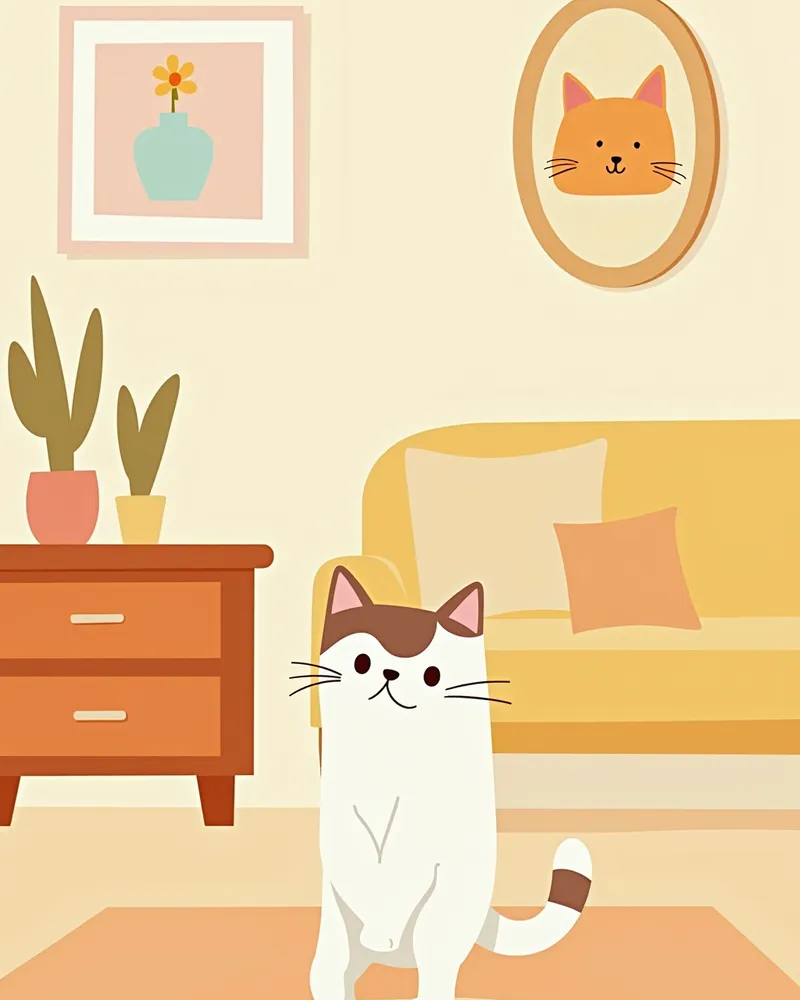
A cat walking safely in its environment, an example of optimized indoor layout

Daily Management Points at Home

While vision loss from feline retinal degeneration is difficult to reverse as the condition progresses, proper care can help maintain your cat's quality of life.
Stabilize the environment: Keep furniture in fixed positions and install railings on stairs.
Maintain consistent food and water placement: Always keep food and water bowls in the same spot.
Use sound-based cues: You can guide your cat and indicate your location using your voice or clapping.
Create a safe play area: Block off areas where your cat could get hurt by jumping from heights.
Regular ophthalmic check-ups: Schedule periodic eye examinations.
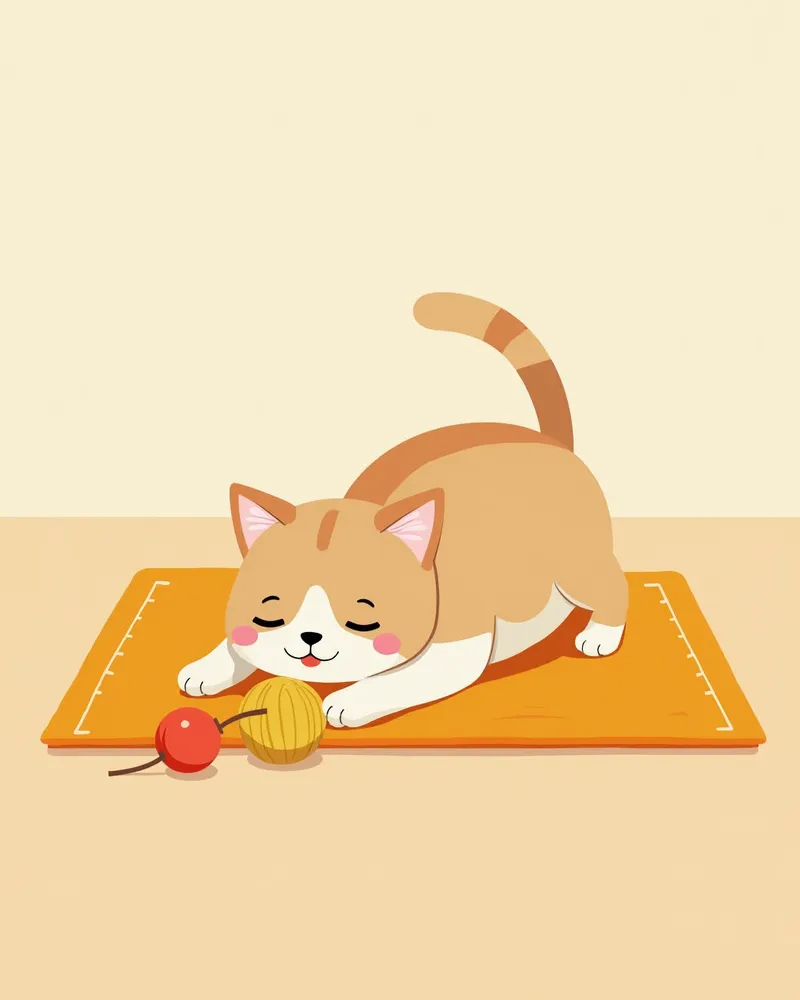
An aging cat enjoying playtime in a safe environment

Breed-Specific Precautions and Prevention of Recurrence

Certain breeds, such as Persians, Abyssinians, and Bengals, have been reported to be susceptible to hereditary progressive retinal atrophy, so extra caution is advised. Because of this genetic predisposition, we recommend considering breed-specific traits when adopting and scheduling regular ophthalmic examinations. Maintaining a balanced diet with adequate taurine is also crucial for prevention. Once degeneration has occurred, it is difficult to reverse, so the key is to slow its progression.

Reviewed by a veterinarian

Dr. Tony — Punnawat Phongkittirak

Dr. Tony — Punnawat Phongkittirak

Veterinarian

A veterinarian who majored in veterinary medicine at Khon Kaen University, Thailand, and completed the IVSA program at North Carolina State University in the United States. Drawing on clinical experience at animal hospitals, he works in the pet healthcare field and is dedicated to building a digital care environment that connects pet parents with veterinarians.

Frequently Asked Questions

Can feline retinal degeneration be cured?
No, once retinal degeneration has progressed, it is difficult to reverse. However, by identifying and managing underlying causes such as taurine deficiency or high blood pressure, you can help slow the rate of vision loss.
What should I do if my aging cat suddenly starts bumping into things in the dark?
Please consult your veterinarian right away. In addition to retinal degeneration, other eye conditions such as retinal detachment caused by high blood pressure, cataracts, or glaucoma may also be present.
How should I manage nutrition to support my pet’s retinal health?
Feed your cat a balanced diet that provides sufficient taurine, an essential nutrient for felines. If supplementation is needed, your veterinarian will recommend the appropriate amount based on your cat’s weight and health condition. Avoid feeding your cat dog food as a main diet, since it lacks adequate taurine.
How should I play with my cat if its vision is poor?
Use sound-based toys or those with strong scents to engage and complement your cat's senses.
Is retinal degeneration contagious to other cats?
No, retinal degeneration is a condition caused by genetic factors, nutritional deficiencies, medications, or high blood pressure, and it is not contagious to other cats.

Share

Related Guides

References

[1] Ettinger SJ, Feldman EC, Côté E. Textbook of veterinary internal medicine: diseases of the dog and the cat. 8th ed. St. Louis, MO: Elsevier; 2017.

[2] Gelatt KN, MacKay EO. Distribution of intraocular pressure in dogs. Vet Ophthalmol 1998;1(2–3):109–14.

[3] Tilley LP, Smith FWK, Tilley LP. Blackwell’s five-minute veterinary consult: canine and feline. 4th ed. Ames, IA: Blackwell; 2007.

This information is based on veterinary literature and does not replace diagnosis or treatment. Please consult a veterinarian for specific health concerns.

Metapet Co., Ltd. | CEO: Park Sung-yong | Business Reg. No. 417-88-02562 | Seoul, South Korea | Customer Center

Cloudy Cat Eyes: Retinal Degeneration, Aging Signs, and Care Tips | Meongsiljang