Like
Share
멍실장
강아지 폐렴 증상과 원인, 진단·치료와 관리 포인트 총정리

My Puppy’s Cough Won’t Stop — Pneumonia Symptoms and the Golden Window for Veterinary Care

RespiratoryDiseasesMeongsiljang Veterinary Advisory Board

Canine pneumonia is a respiratory condition characterized by inflammation of the lung tissue, and early detection along with prompt treatment are key to recovery. Here’s a veterinary evidence-based overview covering main symptoms, diagnosis, treatment, and home care.

What Is Canine Pneumonia?
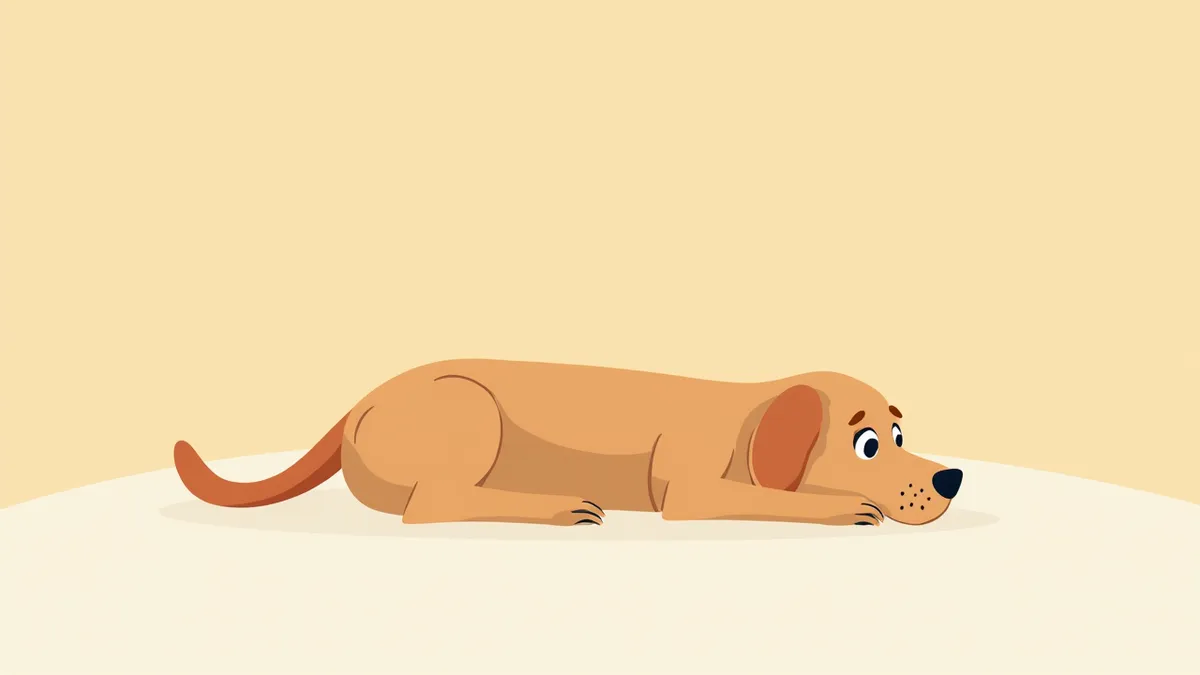
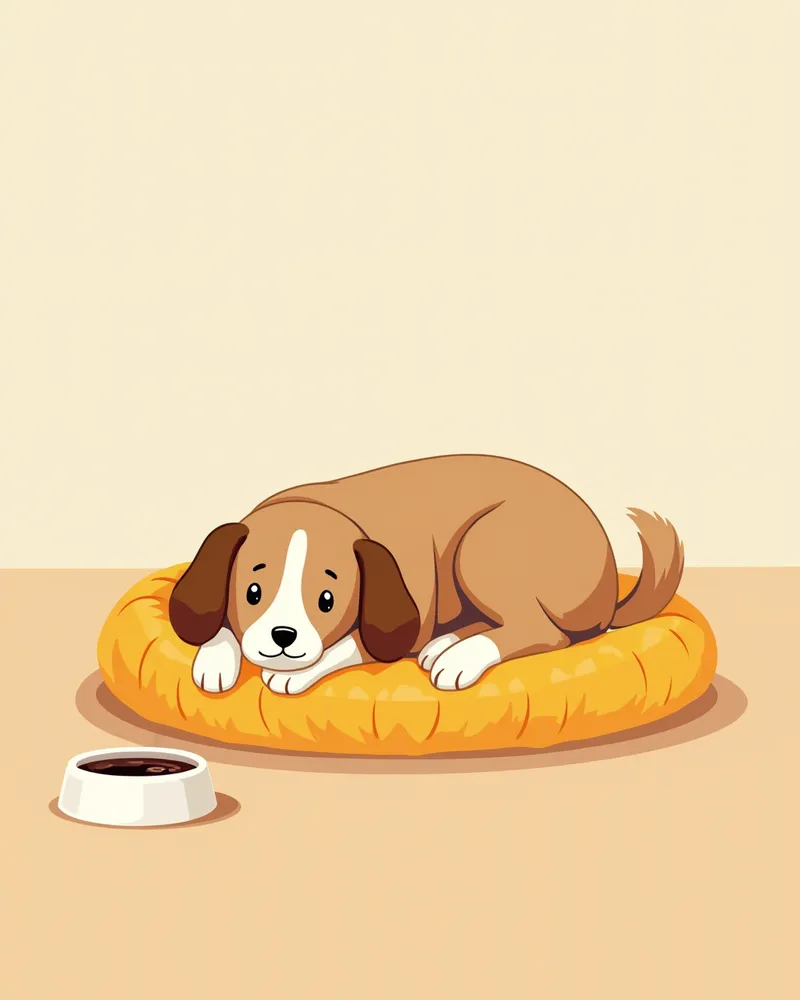
A puppy that appears to be struggling to breathe, and a worried pet owner.
Canine pneumonia is a respiratory disease characterized by infection and inflammation in the terminal lung tissue, specifically the alveoli. When these air sacs fill with inflammatory fluid, gas exchange is impaired, leading to difficulty breathing. Bacteria are the most common cause, but the condition can also result from viruses, fungi, parasites, or the aspiration of food and vomit. Puppies and immunocompromised dogs are particularly vulnerable because their airway defenses and immune systems are more easily overwhelmed, requiring close attention. The key to management is early detection and prompt treatment. If your dog’s cough persists for more than three days or if their breathing appears rapid and labored, seek veterinary care immediately. Delaying treatment can further compromise the lungs’ ability to exchange oxygen, worsening respiratory distress; therefore, responding quickly to any suspicious symptoms is essential.

Main Causes of Canine Pneumonia

Canine pneumonia is broadly categorized into three types based on its underlying cause.
Bacterial pneumonia: This is caused by pathogens such as *Bordetella bronchiseptica*, *Mycoplasma*, *Streptococcus*, and *Pasteurella*. Bacteria are the most common cause of pneumonia in dogs, and secondary bacterial infections can also develop following kennel cough (canine infectious respiratory disease complex).
Viral pneumonia: Viruses such as the canine influenza virus (e.g., H3N8) or canine distemper virus (CDV) can directly cause pneumonia or create conditions that facilitate secondary bacterial infections.
Aspiration pneumonia: This occurs when food, vomit, or refluxed material enters the airway, leading to bacterial infection and inflammation in the lungs. It is a very common cause in dogs, with particularly high risk in puppies that have swallowing or esophageal dysfunction, or those prone to frequent vomiting or reflux.

Checklist of Main Symptoms of Canine Pneumonia

If several of the following symptoms occur together, pneumonia should be suspected.
Coughing: A deep, wet cough that recurs. It often starts mildly and gradually worsens.
Rapid breathing or difficulty breathing: The pet may breathe rapidly even at rest, or appear to struggle for air using abdominal muscles.
Fever: Body temperature rises above normal, and the pet appears lethargic.
Discharge from the nose or eyes: Mucus or crusty discharge may appear from the nostrils or eyes.
Lethargy and decreased appetite: Activity levels drop significantly compared to usual, and the pet shows little interest in food.
Cyanosis: If the gums or tongue turn blue, it signals severe oxygen deprivation and indicates a dangerous condition.
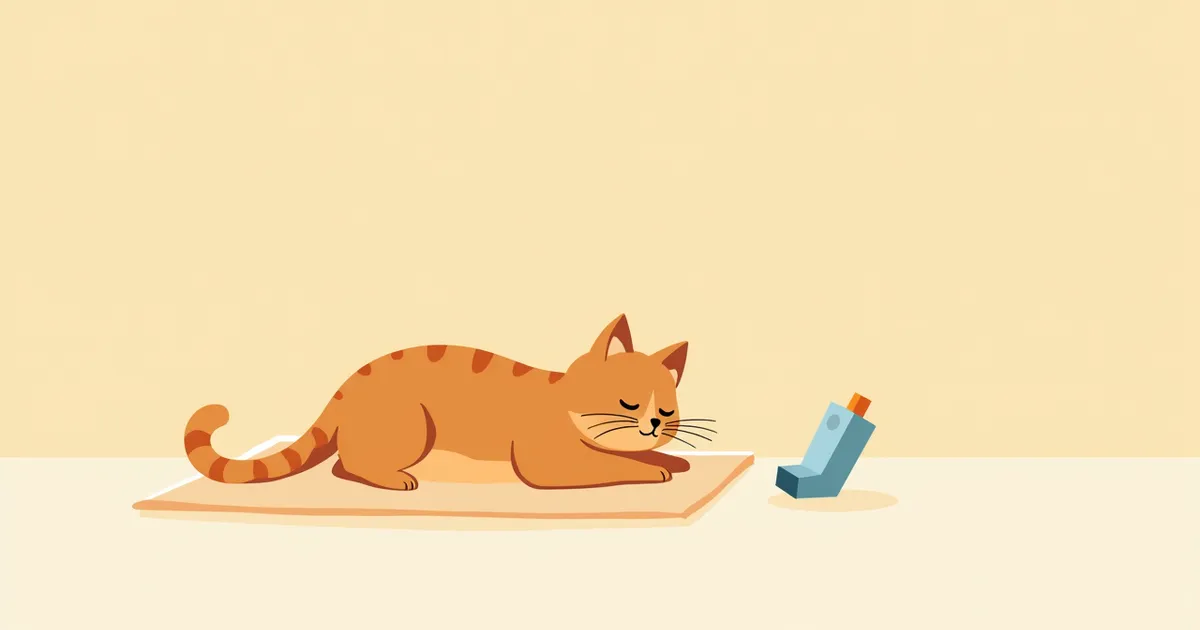
Puppies Showing Difficulty Breathing — Key Symptoms of Pneumonia

Symptoms Requiring Immediate Emergency Veterinary Care

Seek immediate care at a 24-hour emergency animal hospital if you notice any of the following: • Blue or pale gums and tongue (cyanosis) • Labored breathing with the mouth open and neck extended • Abnormally rapid or shallow breathing, even at rest • Inability to stand or altered consciousness • Coughing up blood-tinged discharge (hemoptysis)

Diagnostic Methods for Canine Pneumonia

Veterinarians diagnose pneumonia using the following tests:
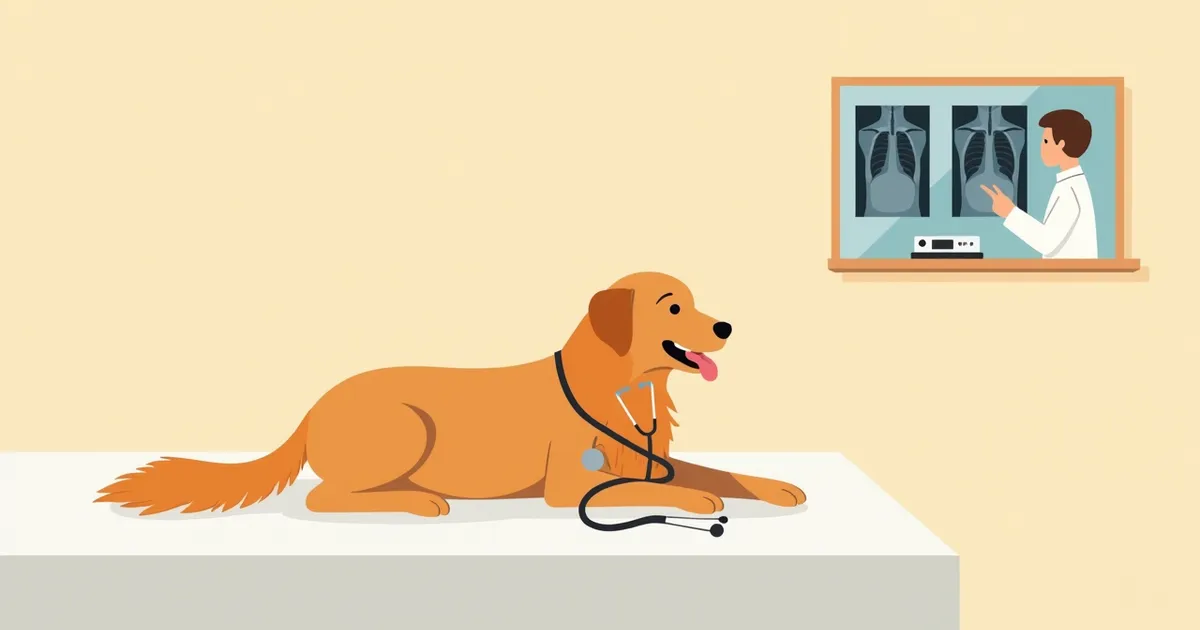
Chest X-rays: This basic diagnostic test checks for increased opacity (lung consolidation) in lung tissue.
Blood tests: White blood cell counts and inflammatory markers help determine whether an infection is present and assess its severity.
Bronchoalveolar lavage: This procedure collects lung secretions to identify the causative pathogen and determine antibiotic susceptibility.
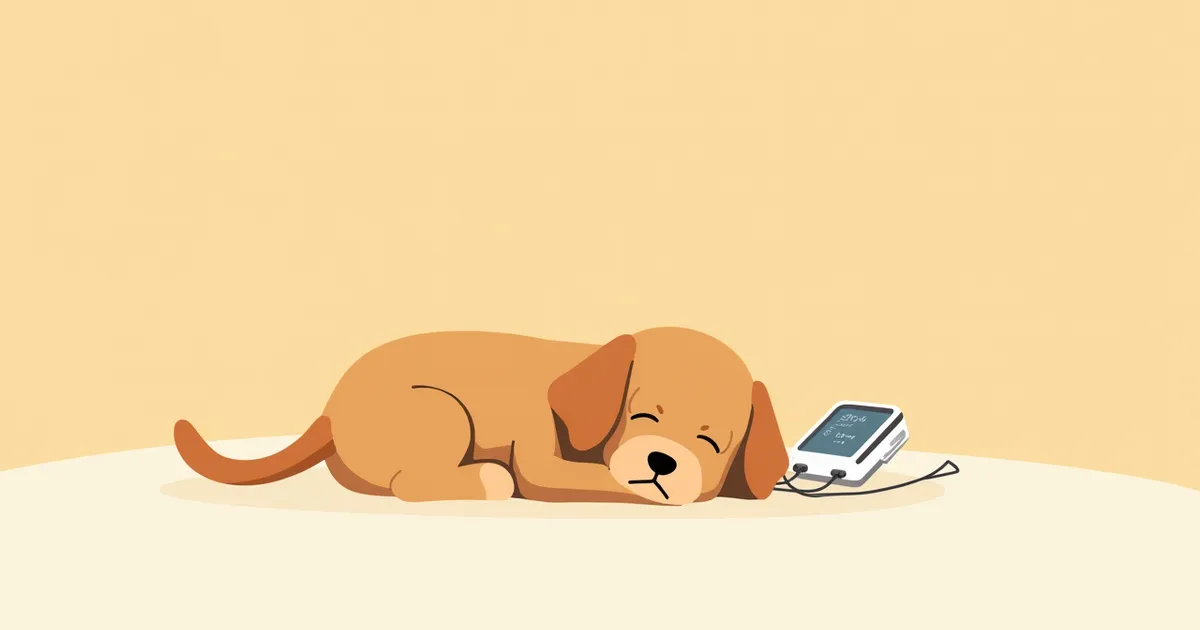
Oxygen saturation measurement: This noninvasive test checks whether blood oxygen levels are adequate.
Identifying the causative pathogen allows for targeted antibiotic therapy, significantly improving treatment efficacy.

Treatment Methods for Canine Pneumonia
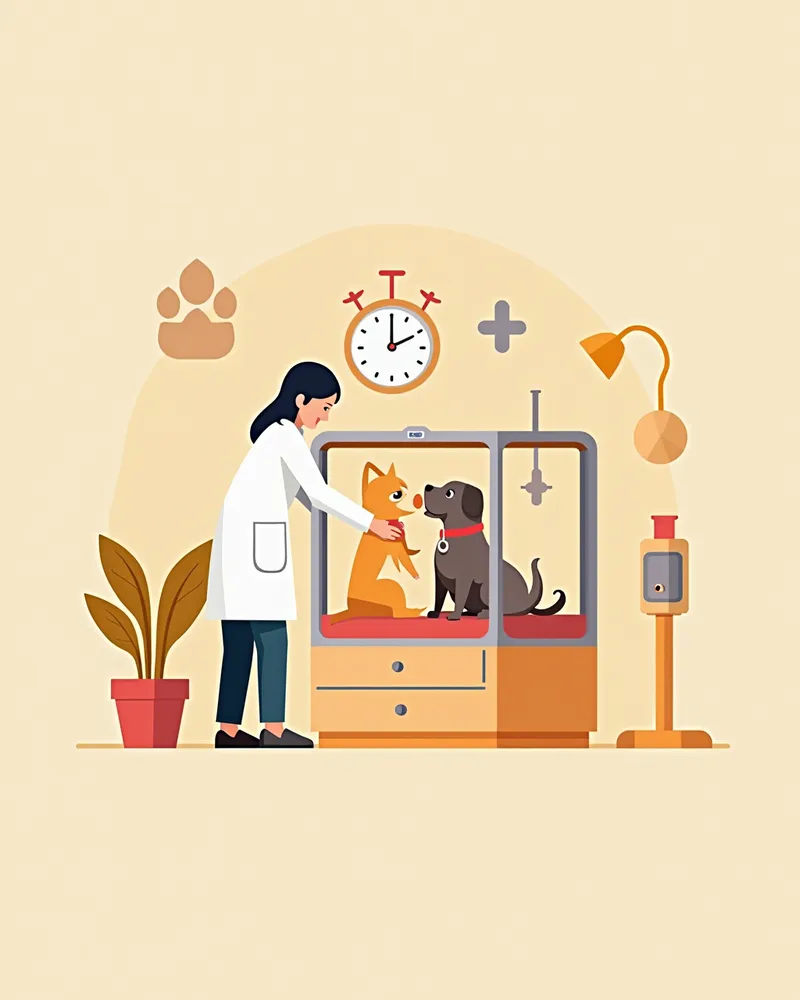
Treatment varies depending on the underlying cause and severity.
Antibiotic therapy: This is the cornerstone of treatment for bacterial pneumonia. Whenever possible, a targeted antibiotic is selected based on culture and sensitivity test results, with the veterinarian determining the dosing schedule.
Inpatient oxygen therapy: If oxygen levels are low, supplemental oxygen is provided via an oxygen cage or mask.
Fluid therapy: Subcutaneous or intravenous fluids are administered to correct dehydration and maintain hydration.
Bronchodilators: These can help relieve airway constriction and reduce respiratory effort, particularly in cases such as aspiration pneumonia.
Aspiration pneumonia: The underlying cause of the aspiration is addressed first, alongside empirical antibiotic therapy.
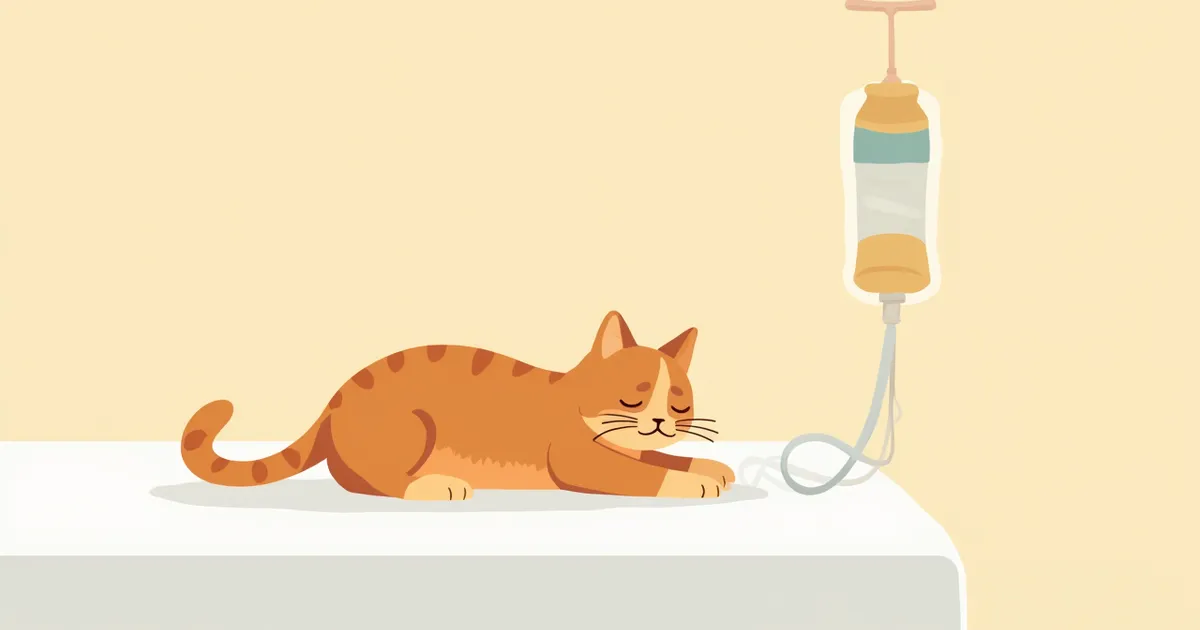
A puppy receiving oxygen therapy at the animal hospital — hospitalized for pneumonia treatment

Home Care Points

Please provide the following care for your dog recovering at home after hospital treatment.
Complete the full course of antibiotics: Even if symptoms appear to improve, administer all prescribed medication until finished. Stopping early can lead to recurring infection or antibiotic resistance.
Ensure adequate rest: Avoid vigorous exercise and allow your dog to rest comfortably in a warm, quiet space. Strict confinement may be necessary for approximately two weeks during the recovery period.
Monitor hydration: Check water intake frequently. If your dog is not eating well, switch to an easily digestible diet.
Manage the indoor environment: Maintain appropriate humidity levels to prevent the air from becoming too dry, which helps keep the respiratory mucous membranes moist.
Follow-up visits are essential: Consult with your veterinarian to schedule a follow-up chest X-ray to assess symptom improvement and lung condition. The optimal treatment duration and timing for re-examination may vary depending on the individual patient.
Caring for a puppy recovering from pneumonia at home — ensuring rest and proper hydration

Puppies Requiring Special Attention

Puppies with the following characteristics are at higher risk for pneumonia and may experience rapid disease progression: • Young puppies — this is the most common age group for primary infectious pneumonia. • Puppies with swallowing or esophageal dysfunction, or megaesophagus — they are at constant risk of aspiration. • Puppies with frequent vomiting or regurgitation, or those that have undergone anesthesia or sedation — their risk of aspiration is increased. • Senior dogs — bacterial pneumonia often develops due to aspiration or weakened immunity. • Puppies with compromised immune systems or a history of kennel cough — close monitoring for recurrence or secondary infections is essential. Even if symptoms seem mild, it’s best to visit the vet early.

Reviewed by a veterinarian

Dr. Tony — Punnawat Phongkittirak

Dr. Tony — Punnawat Phongkittirak

Veterinarian

A veterinarian who majored in veterinary medicine at Khon Kaen University, Thailand, and completed the IVSA program at North Carolina State University in the United States. Drawing on clinical experience at animal hospitals, he works in the pet healthcare field and is dedicated to building a digital care environment that connects pet parents with veterinarians.

Frequently Asked Questions

Can pneumonia in dogs be transmitted to other dogs?
It depends on the cause. Bacterial and viral pneumonias, such as those caused by Bordetella or canine influenza virus, can be contagious to other dogs. Please avoid contact with other dogs and visits to dog parks until your dog has fully recovered. Aspiration pneumonia is not contagious.
How long does it take for a dog to recover from pneumonia?
Recovery speed varies depending on the severity of the condition and the dog’s overall health. In mild cases, symptoms often improve after starting antibiotic treatment, but it may take longer for lung imaging to return to normal. Since the optimal treatment duration and follow-up schedule are not one-size-fits-all, please do not stop medication on your own and be sure to follow your veterinarian’s instructions for re-examination.
Can you prevent pneumonia in dogs?
It’s not possible to prevent all cases of pneumonia. Vaccines such as the kennel cough (Bordetella) vaccine and the canine influenza vaccine don’t completely prevent infection, but they help reduce the severity of clinical symptoms. For puppies prone to frequent vomiting or regurgitation, managing the underlying condition first can help lower the risk of aspiration. Please discuss risk factors and prevention strategies thoroughly with your veterinarian.
Are there any medications I can give my puppy at home for pneumonia?
Pneumonia requires prescription antibiotics from a veterinarian. Administering human antibiotics or cough medicines without veterinary guidance can be harmful. If your pet’s cough persists for more than three days or they appear lethargic, seeking immediate veterinary care is the safest course of action.
Can pneumonia in dogs recur?
Yes, there is a possibility of recurrence. If the underlying cause isn't identified and treated, pneumonia can persist or recur. Dogs with weakened immune systems, esophageal dysfunction, or a history of kennel cough are at higher risk of recurrence. Even after full recovery, it's a good idea to regularly monitor respiratory health through routine check-ups.

Share

Related Guides

References

[1] Radhakrishnan A, Drobatz KJ, Culp WT, King LG. Community-acquired infectious pneumonia in puppies: 65 cases (1993–2002). J Am Vet Med Assoc. 2007;230(10):1493–7.

[2] Norris CR. Canine and Feline Respiratory Medicine, 3rd Edition. Wiley-Blackwell, 2022.

[3] Englar RE. The Veterinary Workbook of Small Animal Clinical Cases. Wiley-Blackwell, 2020. Chapter: The Coughing Puppy.

[4] Schaer M. Clinical Medicine of the Dog and Cat, 4th Edition. CRC Press, 2022.

This information is based on veterinary literature and does not replace diagnosis or treatment. Please consult a veterinarian for specific health concerns.

Metapet Co., Ltd. | CEO: Park Sung-yong | Business Reg. No. 417-88-02562 | Seoul, South Korea | Customer Center

Puppy Cough That Won't Stop: Pneumonia Signs & Vet Timing | Meongsiljang