Like
Share
멍실장
고양이 항암 부작용 관리 증상과 원인, 진단·치료와 관리 포인트 총정리

My Cat Won’t Eat After Starting Cancer Treatment — Side Effect Signals and Home Care Management Points

Oncology/CancerDiseasesMeongsiljang Veterinary Advisory Board

Side effects during feline cancer treatment can affect the digestive, hematologic, and immune systems, so early recognition and management are essential. Accurate diagnosis and personalized care improve treatment success rates.

Feline Chemotherapy Side Effects Are Various Physical Reactions That Occur During Treatment

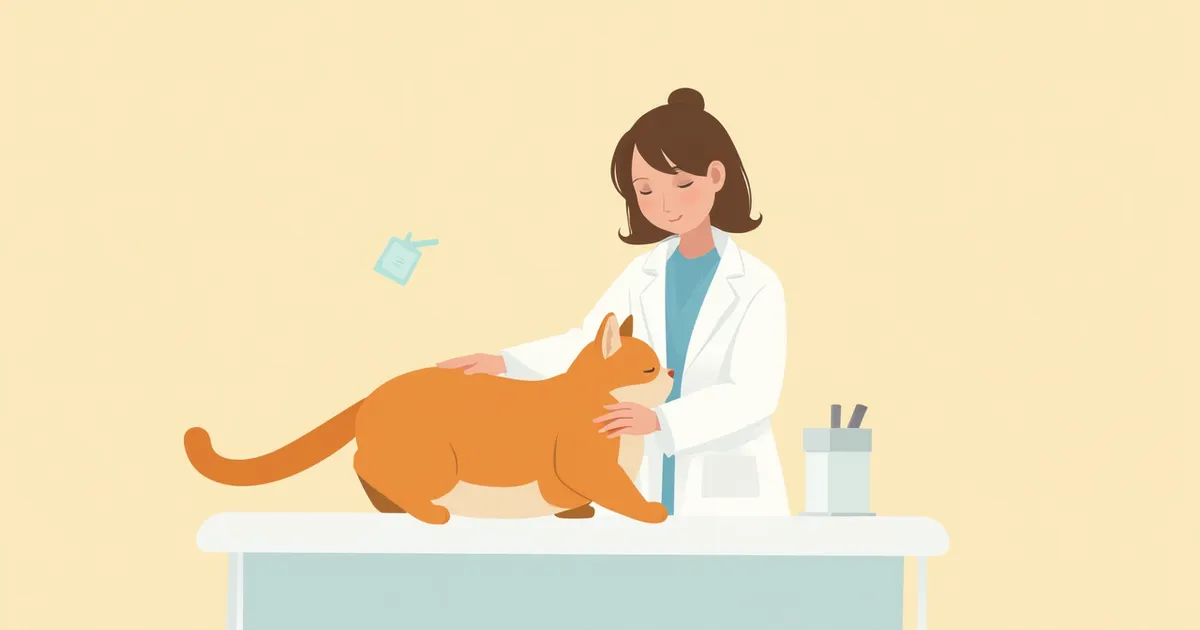
A cat being examined by a veterinarian, with a slightly tired expression.
Chemotherapy side effects in cats occur because the drugs damage not only cancer cells but also healthy cells. This particularly affects rapidly dividing cells, such as those in the gastrointestinal tract and blood, leading to frequent digestive and hematological issues. - Gastrointestinal side effects: Symptoms like vomiting, diarrhea, and loss of appetite result from irritation of the digestive tract. - Hematological abnormalities: Decreased levels of white blood cells, platelets, and red blood cells increase the risk of infection and bleeding tendencies. - Immune suppression: Weakened immune function makes cats more susceptible to infections and slows recovery. Recognizing early warning signs and responding appropriately is essential to maintain treatment continuity and quality of life.

The Main Causes Are the Cytotoxic Effects of Chemotherapy Agents and Immune Responses

Chemotherapy drugs primarily target rapidly dividing cancer cells, but they can also damage healthy cells that normally divide quickly, such as blood cells and gastrointestinal lining cells, leading to side effects. - Cytotoxic effects: Certain chemotherapy agents, such as doxorubicin, are classified as potentially nephrotoxic in cats, meaning they can harm kidney tissue. Therefore, it is essential to monitor organ function both before and after administration. - Bone marrow suppression: This reduces the production of red blood cells, white blood cells, and platelets, increasing the risk of anemia, infection (due to neutropenia), and bleeding (due to thrombocytopenia). Bone marrow suppression is a common dose-limiting toxicity of chemotherapy. - Impact on the immune system: A decrease in white blood cells weakens the body’s immune defenses, making the patient more susceptible to secondary infections. These factors are key elements that require careful monitoring during treatment.
An intravenous catheter inserted into a vein in the cat's front leg.

Quickly Identify Key Symptoms and Signals
The main symptoms of chemotherapy side effects in cats are as follows:
Vomiting and loss of appetite: Chemotherapy drugs can irritate the gastrointestinal tract.
Diarrhea: This occurs due to damage to intestinal cells.
Leukopenia (low white blood cell count): This makes your cat more susceptible to infections.
Fatigue and lethargy: Energy consumption increases significantly.
Tendency to bleed: A drop in platelet count means bleeding may not stop easily.
These signs can appear quickly during treatment.
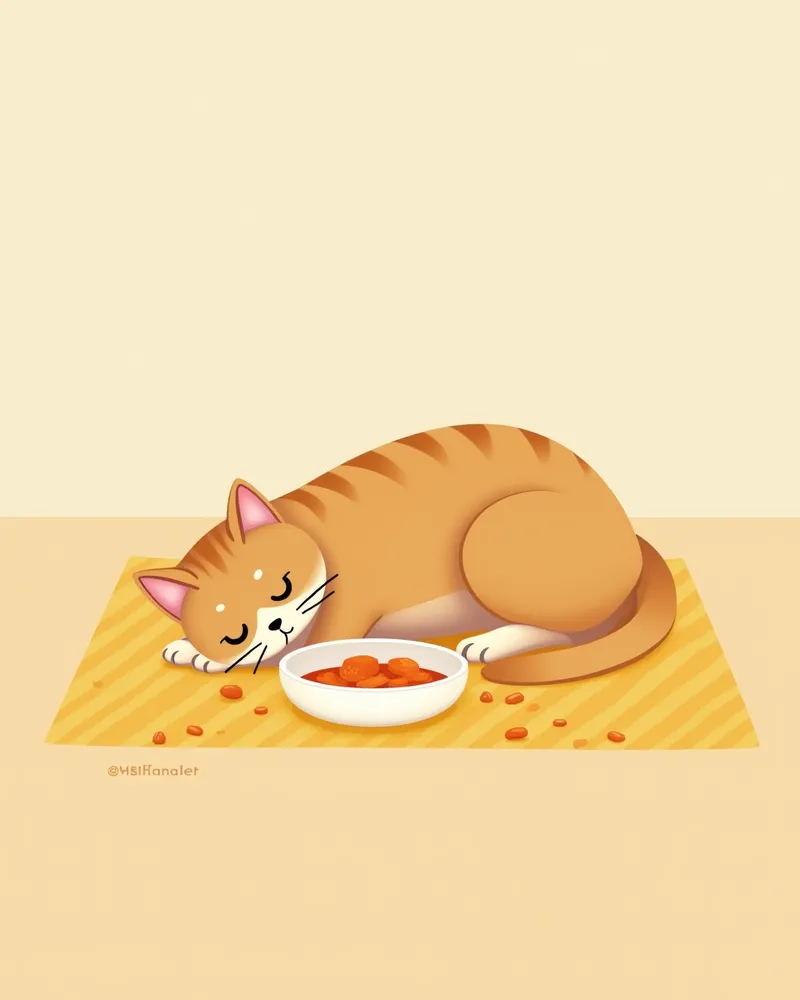
A cat that appears to have no appetite, showing no interest even when food is presented

Emergency Signals Requiring Immediate Veterinary Visit

If your cat vomits repeatedly for more than 24 hours, or if you notice blood in the stool or black, tarry stools, seek veterinary care immediately. A sudden drop in white blood cell count can lead to fever, difficulty breathing, and decreased consciousness, which are life-threatening and require immediate intervention.

Blood Tests and Clinical Examinations Are Necessary for Accurate Diagnosis

Regular blood tests are essential for accurately diagnosing side effects of cancer treatment. - White blood cell count: We carefully monitor white blood cell levels to assess the risk of infection. - Platelet and red blood cell tests: These are performed to check for bleeding tendencies or anemia. - Liver and kidney function tests: We evaluate the function of organs involved in metabolizing chemotherapy drugs to determine if there is any toxicity. - Comprehensive assessment of clinical symptoms: We consider factors such as the patient's behavior, weight changes, and appetite to judge the severity of side effects. Regular tests and observations help enhance the safety and effectiveness of treatment.
A veterinarian holding a blood sample.

Treatment Methods Vary Depending on the Type and Severity of Side Effects

Treatment varies depending on the specific side effects.
Vomiting: Antiemetic medications are administered to alleviate symptoms.
Diarrhea: Supplements are used to restore intestinal balance.
Leukopenia: Medications that stimulate white blood cell production are administered.
Fatigue: Adequate rest and nutritional supplementation are required.
Risk of infection: Immune-supportive supplements or prophylactic antibiotics may be considered.
Your veterinarian will adjust the treatment plan based on your pet’s weight and overall condition.
The cat is resting beside a small cup prepared for its medication.

Carefully Follow Home Care Management Points

Home care is very important during a cat's cancer treatment.
Diet management: Offer small, frequent meals to reduce the burden on the stomach.
Hydration: Provide water frequently and encourage fluid intake through wet food.
Environmental stability: Provide a quiet, comfortable space to minimize stress.
Activity regulation: Avoid excessive exercise and ensure adequate rest time.
Medication adherence: Administer medication at the correct times and in the prescribed doses.
These care measures help accelerate recovery.
A space with a comfortable bed and water bowl where your cat can rest peacefully.

Side Effect Risks May Vary by Cat Breed

Because each cat’s bone marrow and organ recovery capacity varies, the same chemotherapy drug at the same dose can cause different degrees of side effects. Therefore, it is important for the veterinarian to adjust the treatment plan based on the patient’s condition, such as checking neutrophil and platelet counts via a complete blood count (CBC) before each chemotherapy administration and delaying treatment if the values have not recovered sufficiently.

Reviewed by a veterinarian

Dr. Tony — Punnawat Phongkittirak

Dr. Tony — Punnawat Phongkittirak

Veterinarian

A veterinarian who majored in veterinary medicine at Khon Kaen University, Thailand, and completed the IVSA program at North Carolina State University in the United States. Drawing on clinical experience at animal hospitals, he works in the pet healthcare field and is dedicated to building a digital care environment that connects pet parents with veterinarians.

Frequently Asked Questions

My cat has no appetite during cancer treatment. What should I do?
Try offering smaller, more frequent meals. You can also use your cat’s favorite treats or wet food to encourage eating. Consider discussing nutritional supplements with your veterinarian.
My pet is vomiting frequently. Is it okay to reduce the medication dose?
Never reduce or stop your pet’s medication on your own. Always consult your veterinarian to determine whether any adjustments are needed, as medication management requires professional judgment.
How should I prepare for infections when my pet’s white blood cell count is low?
Keep your cat isolated from the outside, wash your hands frequently, and regularly clean the litter box and food and water bowls. Take care to reduce the risk of infection.
How long do the side effects of cancer treatment last?
Side effects vary depending on the type of chemotherapy drug and the individual animal's recovery rate. In many cases, improvement is seen within days to weeks after starting supportive care, but ongoing monitoring by a veterinarian is essential.
My cat has become lethargic during cancer treatment. I’m worried.
Fatigue is a common side effect. Encourage plenty of rest and proper nutrition, and consult your veterinarian to monitor your pet’s condition. Severe lethargy requires immediate veterinary attention.

Share

Related Guides

References

[1] The Cat, Clinical Medicine and Management, 2nd Edition, 2023

[2] Jenna H. Burton, ASHP guidelines on handling hazardous drugs, Am J Health Syst Pharm, 2006

[3] O’Keefe DA, Sisson DD, Gelberg HB, et al. Systemic toxicity associated with doxorubicin administration in cats, J Vet Intern Med, 1993

This information is based on veterinary literature and does not replace diagnosis or treatment. Please consult a veterinarian for specific health concerns.

Metapet Co., Ltd. | CEO: Park Sung-yong | Business Reg. No. 417-88-02562 | Seoul, South Korea | Customer Center

Cat Not Eating After Chemo? Side Effect Signs & Home Care | Meongsiljang