Like
Share
멍실장
강아지 촌충(테이프웜) 증상과 원인, 진단·치료와 관리 포인트 총정리

Dog Tapeworm Symptoms, Causes, Diagnosis, Treatment, and Management Essentials

Infection/ParasitesDiseasesMeongsiljang Veterinary Advisory Board

Tapeworms in dogs are primarily transmitted through fleas and can pose a serious risk even without noticeable symptoms. Accurate diagnosis and proper treatment are essential.

What Are Dog Tapeworms?
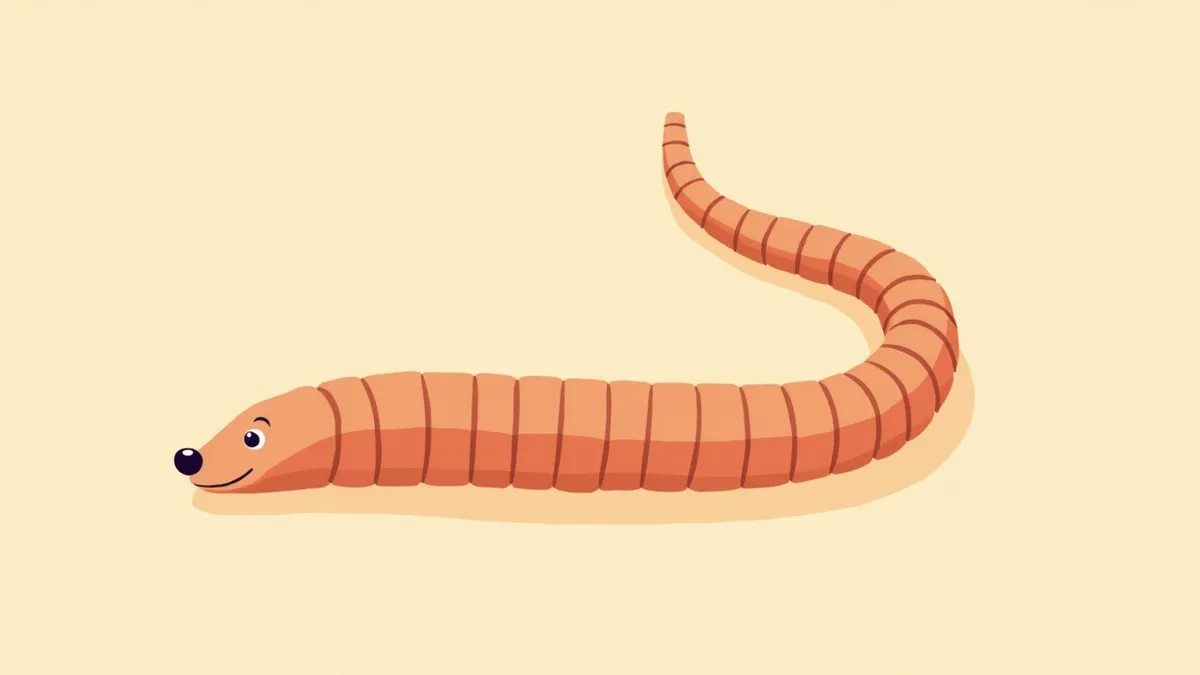
The appearance of tapeworms residing in the small intestine of a puppy
Tapeworm infection in dogs is primarily caused by the parasite *Dipylidium caninum*. - Tapeworm: This parasite lives in the intestines and survives by absorbing nutrients. - Vector: Flea larvae ingest tapeworm eggs, allowing the parasite to develop into its larval stage within them. Dogs become infected when they swallow an infected flea. - Infection characteristics: Adult tapeworm infections are often asymptomatic, but severe cases can lead to gastrointestinal symptoms such as diarrhea. - Physical signs: Small white or cream-colored segments resembling grains of rice are often seen around the anus. - Risks: Regular deworming and flea control are essential.

Causes of Infection and Transmission Routes

Dogs typically contract tapeworms through exposure to fleas. - Flea-borne transmission: Flea larvae ingest tapeworm eggs, and dogs become infected when they lick or swallow an infected flea. - Route of infection: The risk arises when dogs ingest fleas, particularly during grooming or self-cleaning activities. - High-risk groups: Dogs frequently exposed to fleas or those with extensive outdoor activity face a higher risk of infection. - Key to prevention: Eliminating fleas is essential to preventing infection. - Environmental management: Regularly clean the areas where your dog spends time.
A scene where a dog is seen licking its fur, revealing fly larvae attached to the hair.

Main Symptoms and Signs

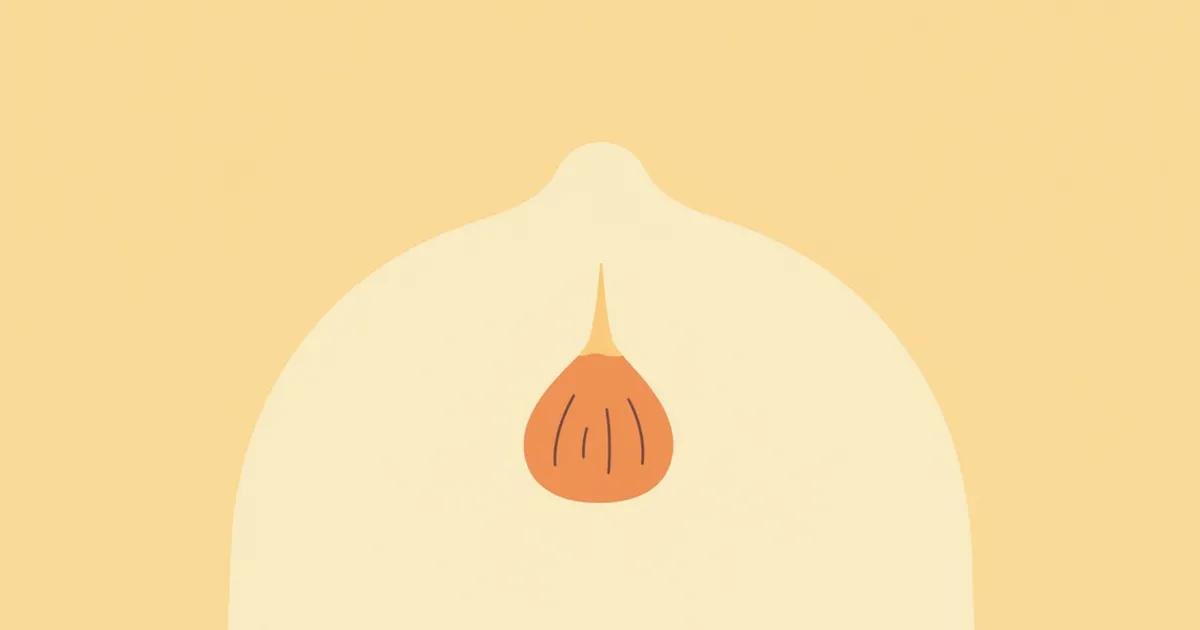
A classic sign of tapeworm infection in dogs is the presence of small, white or cream-colored segments near the anus. - Segment Discovery: These are detached pieces of the tapeworm’s body, resembling grains of white rice. - Behavioral Changes: Your dog may rub or scratch its anal area on the floor or show discomfort during defecation. - Weight Changes: Symptoms can include decreased appetite, weight loss, and a dull or poor-quality coat. - Severe Cases: In advanced infections, gastrointestinal issues such as diarrhea may occur. - Important Note: Many dogs show no symptoms despite being infected, making regular veterinary check-ups essential.
A puppy with white tapeworm segments stuck near its anus.

When to Visit the Vet Immediately

It’s best to visit a vet if your dog persistently scoots or scratches around its anus, loses its appetite entirely, experiences ongoing diarrhea, or shows significant weakness. Severe infections can lead to gastrointestinal symptoms such as diarrhea, loss of appetite, and weight loss. This is especially important for puppies or dogs with weakened immune systems, who should receive prompt veterinary care and appropriate treatment.

Diagnosis Methods
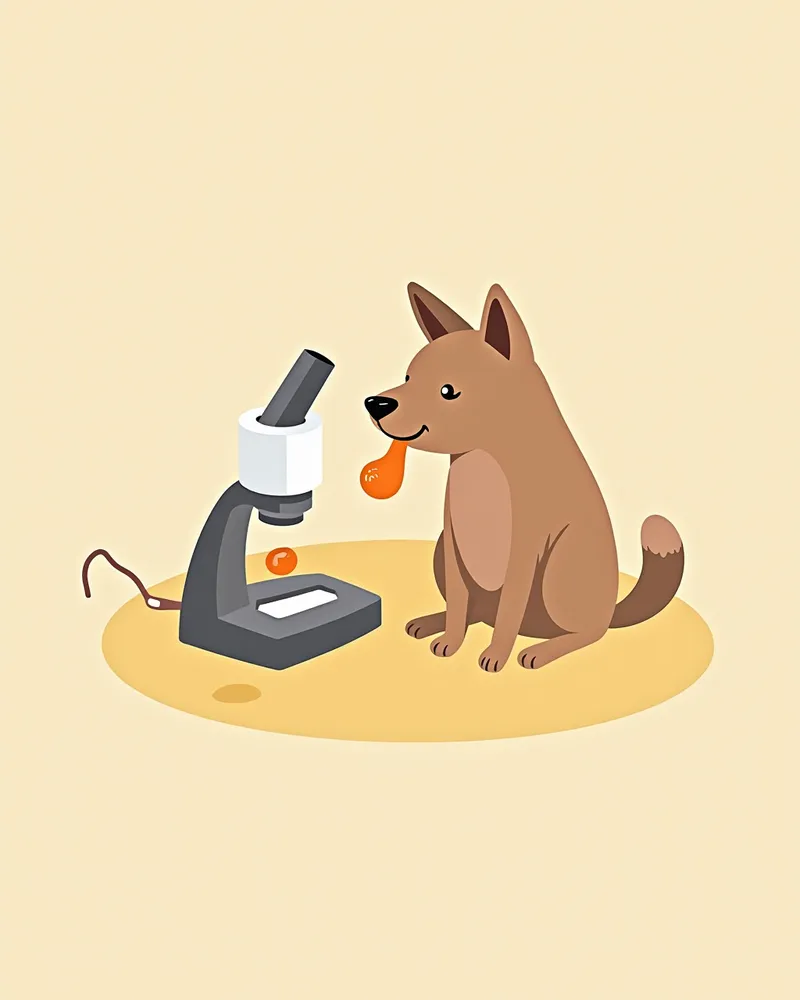
Tapeworms in dogs are primarily diagnosed through fecal examinations. - Segment identification: Tapeworm segments (proglottids) attached near the anus are collected and examined visually or under a microscope. - Egg identification: A definitive diagnosis can be made by identifying tapeworm egg packets (egg sacs) released from the segments under a microscope. - Fecal flotation: While eggs can be detected using fecal flotation tests, tapeworms can be difficult to detect this way, making segment identification more useful. - Regular testing: If the source of infection (fleas) is not eliminated, reinfection can occur repeatedly, so regular deworming and check-ups are necessary. - Suspicious symptoms: Testing is recommended if you notice symptoms such as anal scratching or abnormal bowel movements.
A veterinarian examining a puppy’s stool sample under a microscope.

Treatment Methods and Step-by-Step Approach

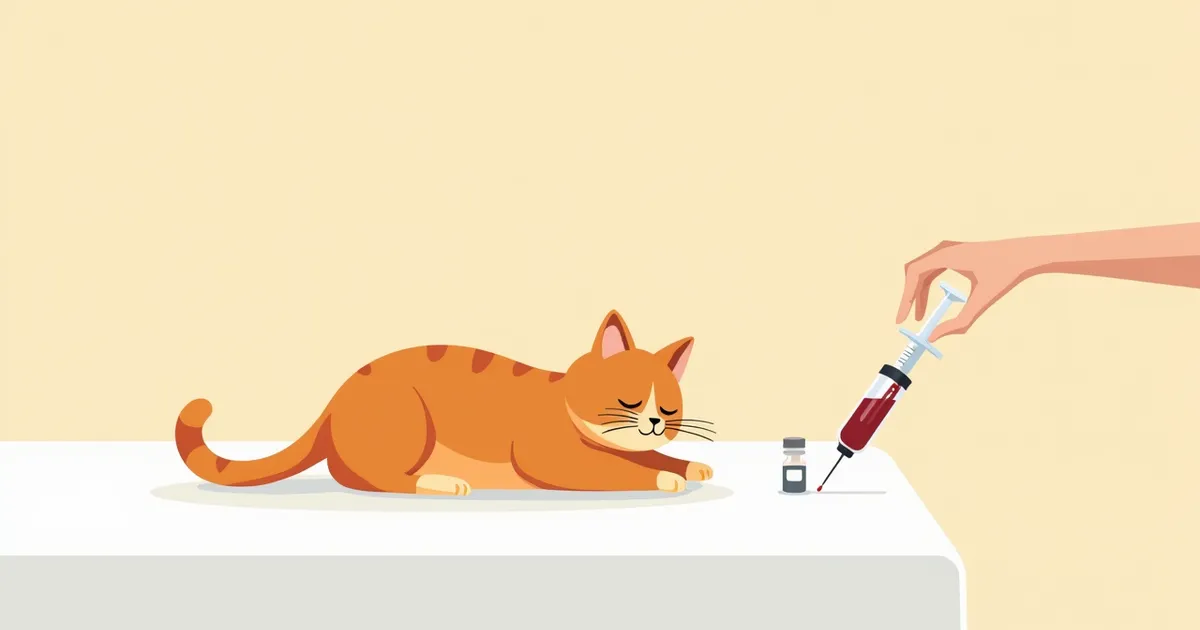
Dogs with tapeworms are typically treated with dewormers containing praziquantel. - Mechanism of action: This medication paralyzes the tapeworms and destroys their outer layer, causing them to break down. - Administration: A veterinarian prescribes the dose based on your dog’s weight. Usually, a single dose is sufficient to eliminate both immature and adult tapeworms. - Preventing reinfection: To prevent reinfection, it is essential to simultaneously control fleas. - Follow-up testing: After treatment, follow your veterinarian’s guidance for any necessary follow-up tests. - Completion of treatment: Complete recovery requires combining medication with proper environmental management.
A puppy taking deworming medication from the veterinarian’s hand.

Home Management and Prevention Tips

Preventing tapeworms in dogs hinges on flea control. - Flea control: Regular use of flea prevention products is essential. - Environmental cleaning: Areas where your dog spends time should be cleaned regularly. - Bathing and grooming: Proper bathing and coat care are important. - Feces disposal: Develop the habit of promptly cleaning up feces within two weeks after deworming. - Post-outdoor checks: Immediately inspect and comb your dog’s coat after returning from outdoors. - Regular check-ups: Confirm infection status through examinations every 3 to 6 months.
A scene where a dog is being brushed and fleas are found in its fur

Precautions to Prevent Reinfection

Even after treatment with praziquantel, if fleas remain, reinfection can occur. Since tapeworms are transmitted through fleas, it’s essential to use flea control products alongside deworming medication. Additionally, prevent your dog from coming into contact with flea-infested environments or dead prey animals, and carefully check their coat after outdoor activities. If fleas aren’t eliminated, repeated reinfections can render treatment ineffective, so vigilance is crucial.

Reviewed by a veterinarian

Dr. Tony — Punnawat Phongkittirak

Dr. Tony — Punnawat Phongkittirak

Veterinarian

A veterinarian who majored in veterinary medicine at Khon Kaen University, Thailand, and completed the IVSA program at North Carolina State University in the United States. Drawing on clinical experience at animal hospitals, he works in the pet healthcare field and is dedicated to building a digital care environment that connects pet parents with veterinarians.

Frequently Asked Questions

Can tapeworms in dogs be transmitted to humans?
Although rare, it can be transmitted to humans. However, for a person to become infected, they must ingest a flea carrying tapeworm larvae, so extra caution is needed with young children who might put tapeworm segments in their mouths. It is not easily spread through everyday contact.
Will tapworms die immediately after giving deworming medication?
When you administer deworming medication, tapeworms become paralyzed, die, and break down, with some being expelled in the feces. Praziquantel eliminates both immature and adult tapeworms, but if necessary, follow your veterinarian’s guidance to confirm treatment efficacy through a recheck.
Will tapeworms disappear if I only eliminate fleas from my home?
No, while flea removal is essential, tapeworms themselves must be treated with deworming medication. Complete treatment requires both flea control and deworming to be done simultaneously.
Do dogs commonly get tapeworms?
Regular deworming and flea control can prevent this condition from occurring in most cases. However, if left untreated, repeated infections can occur, so consistent deworming and preventive care are essential.
Are there any side effects after taking the medication?
Most dogs tolerate it well without any side effects. However, some may experience mild gastrointestinal symptoms, so please consult your veterinarian immediately if you notice any adverse reactions.

Comparison Table of Dog Tapeworm Treatments

ItemMain IngredientsDirections for UseRecommended Timing
Drontal PlusPraziquantel + Pyrantel + FebantelOral administrationTake every 3–6 months
DroncitPraziquantelOral administrationTake after infection is confirmed
Zimecterin PlusPraziquantel + IvermectinOral administrationTake every 3–6 months

Take according to your veterinarian's prescription. For all products, the dosage varies according to body weight.

Share

Related Guides

References

[1] The Veterinary Workbook of Small Animal Clinical Cases, Case 14, 2023

[2] Plumb's Veterinary Drug Handbook, 10th Edition, 2023

[3] Handbook of Veterinary Pharmacology, Anticestodal Drugs Section, 2022

This information is based on veterinary literature and does not replace diagnosis or treatment. Please consult a veterinarian for specific health concerns.

Metapet Co., Ltd. | CEO: Park Sung-yong | Business Reg. No. 417-88-02562 | Seoul, South Korea | Customer Center

Dog Tapeworm: Symptoms, Causes, Diagnosis & Treatment | Meongsiljang