Like
Share
멍실장
고양이 대동맥 혈전색전증 증상과 원인, 진단·치료와 관리 포인트 총정리

Sudden Hindlimb Paralysis in Your Cat — Warning Signs of Aortic Thromboembolism and Emergency Treatment Timing

HeartDiseasesMeongsiljang Veterinary Advisory Board

Feline aortic thromboembolism is an acute condition in which a blood clot blocks the aorta due to underlying heart disease, causing sudden paralysis and pain. Early diagnosis and treatment are critical for survival.

Feline Aortic Thromboembolism Is an Acute Thrombus Formation Caused by Heart Disease
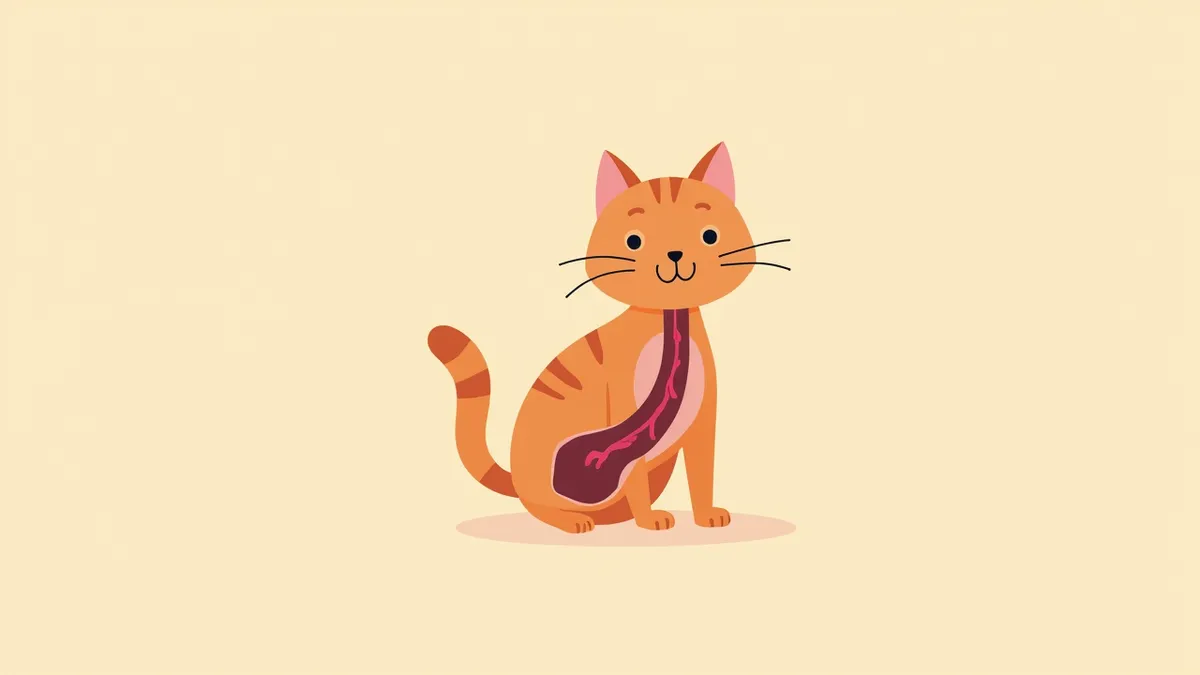
An anatomical diagram showing a blood clot obstructing a cat’s aorta
Feline aortic thromboembolism is an acute, life-threatening condition in which a blood clot formed in the heart, particularly in the left atrium, travels to the aorta and obstructs blood flow. It most commonly occurs in cats with underlying heart disease, such as hypertrophic cardiomyopathy, and is characterized by sudden paralysis and severe pain. - Cardiac dysfunction: Cardiomyopathy causes dilation of the left atrium and slows blood flow, creating conditions favorable for clot formation. - Clot migration: A clot formed in the left atrium travels to the aorta, often lodging at the bifurcation of the distal aorta and blocking peripheral blood flow. - Acute symptom onset: Symptoms such as hindlimb paralysis, pain, and cold extremities appear suddenly. - Importance of early diagnosis: Tissue damage worsens over time, reducing the likelihood of recovery. Immediate veterinary care is essential.

The Main Causes Are Heart Disease and Blood Clotting Abnormalities
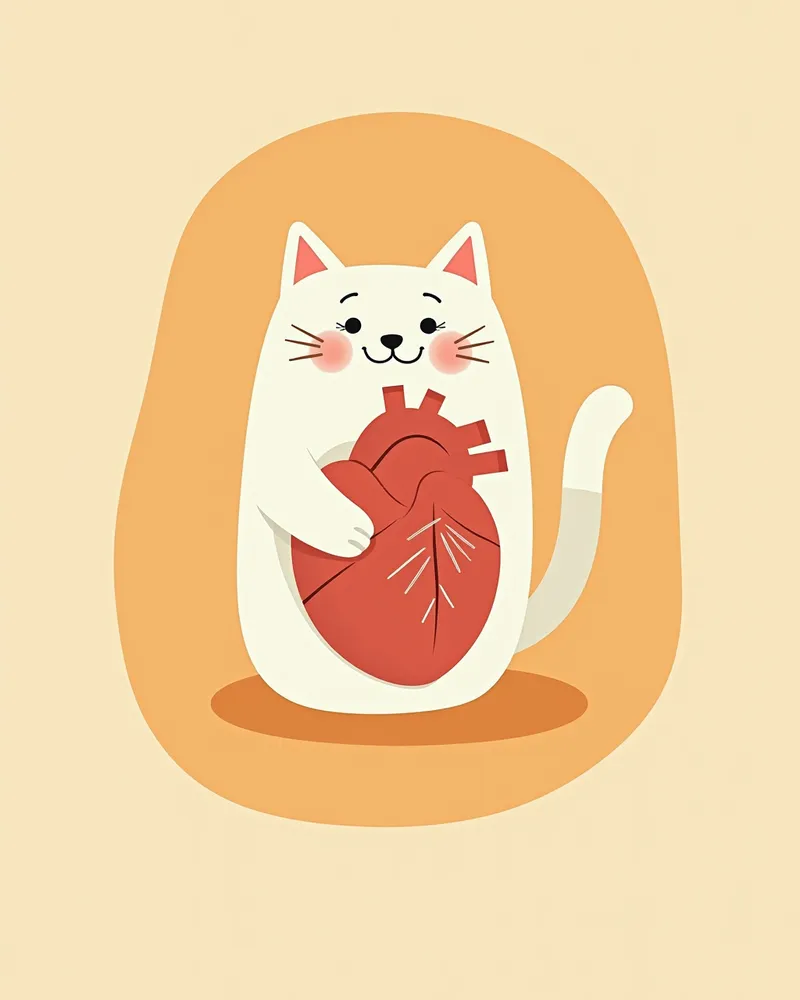
The main causes of feline aortic thromboembolism are heart disease (cardiomyopathy) and abnormalities in blood clotting function. - Heart disease: In hypertrophic cardiomyopathy, the left atrium enlarges and blood flow within the heart becomes stagnant, increasing the formation of blood clots. In fact, about 90% of cats with this condition have concurrent cardiomyopathy. - Hypercoagulable state: When blood clotting function is excessively activated, the risk of blood clot formation increases, and a hypercoagulable state has been reported in about 45% of cats with cardiomyopathy. - Breed predisposition: While no clear breed predisposition has been established, some studies have reported that certain breeds, such as the Maine Coon, are relatively more frequently affected. - Mechanism of thrombus formation: Blood clots form through the combined effects of blood flow stagnation, damage to the vascular endothelium, and a hypercoagulable state (Virchow's triad). - Pathological mechanism: When a blood clot blocks the aorta, peripheral blood flow is cut off, leading to tissue damage. Early detection and management of the underlying cause significantly impact survival rates.
Image of a cat's heart enlarged due to cardiomegaly

The Main Symptoms Are Sudden Paralysis and Severe Pain
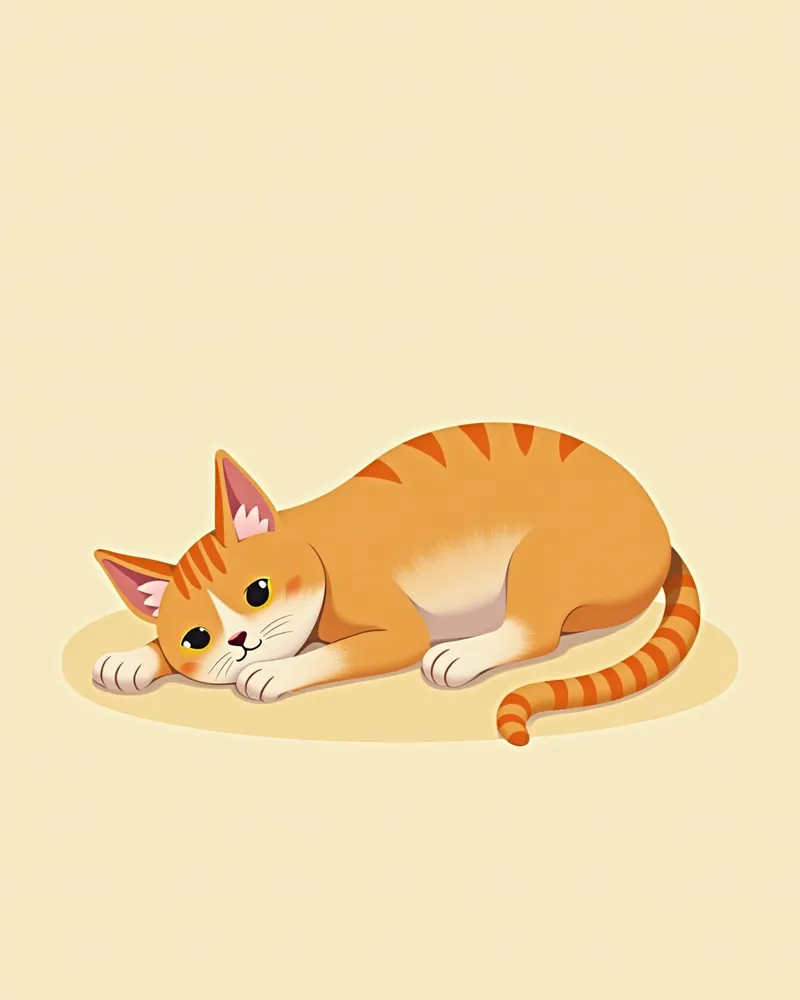
The most characteristic symptom of feline aortic thromboembolism is sudden hindlimb paralysis. - Sudden paralysis: The cat suddenly becomes unable to move its hind legs, which may appear heavy or unresponsive. - Severe pain: Intense pain often causes vocalization, trembling, and heightened sensitivity to touch. - Cold extremities: Due to blocked blood flow, the paws feel cold, and the pulse may be weak or absent. - Systemic effects: In some cases, the front legs may also be affected, or the cat may experience rapid breathing. - Emergency situation: Immediate veterinary care is essential. The likelihood of recovery decreases rapidly with time.
A cat showing signs of paralysis in its hind legs, unable to move, and exhibiting pain.

It Is an Emergency Situation Requiring Immediate Veterinary Visit

If your cat suddenly becomes unable to move its hind legs or shows severe pain, it may indicate aortic thromboembolism, and you should seek veterinary care immediately. As time passes, tissue damage worsens and the chances of recovery decrease. In particular, if your cat has a low body temperature (hypothermia), the prognosis may be poor, so starting treatment as quickly as possible significantly impacts survival rates.

Diagnosis Is Confirmed by Echocardiography and Blood Tests
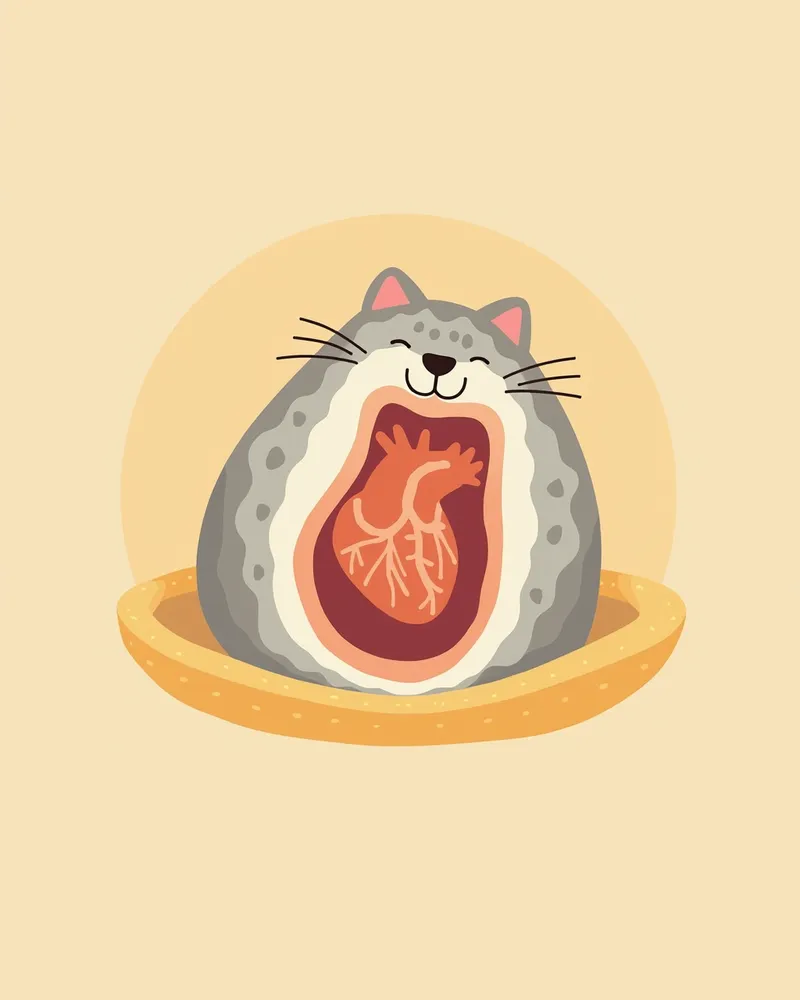
Feline aortic thromboembolism is diagnosed by combining clinical signs with various diagnostic tests. - Clinical Diagnosis: Diagnosis is primarily clinical, focusing on the "5 P" signs: pale extremities, cold extremities, loss of pulse, paralysis, and pain. - Echocardiography: An echocardiogram evaluates for thrombi in the left atrium, spontaneous echo contrast, and overall cardiac function. - Blood Tests: Coagulation markers, electrolytes, and renal function are assessed to determine the cat’s overall condition. - Blood Flow Assessment: Doppler ultrasound checks for absent blood flow, and lack of bleeding after nail trimming can confirm vascular occlusion. - Importance of Early Diagnosis: Early detection significantly improves treatment outcomes and survival rates, making prompt examination and diagnosis essential.
Scene of a cat undergoing an echocardiogram (heart ultrasound) examination

Treatment Consists of Pain Relief, Clot Management, and Heart Stabilization
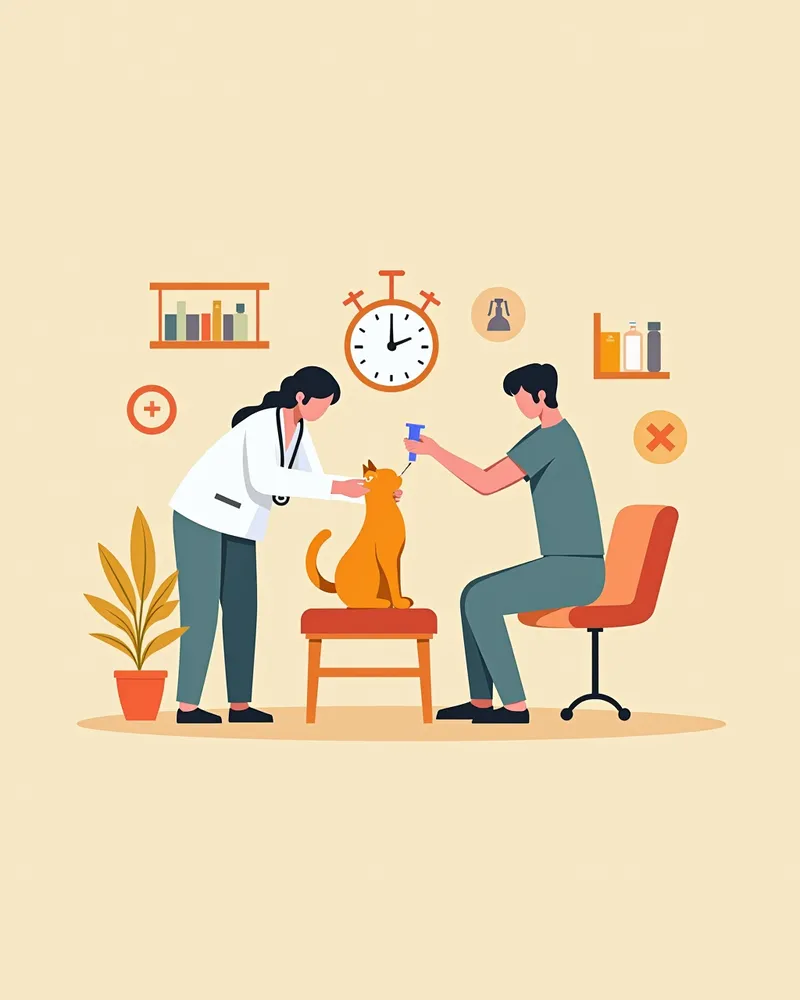
Treatment for feline aortic thromboembolism focuses on pain relief, managing the clot, and stabilizing heart function. - Pain relief: Pain medication is administered to reduce your cat’s discomfort. - Anticoagulant therapy: Anticoagulants are prescribed for long-term use to prevent the existing clot from growing or new clots from forming. - Cardiac medications: Drugs that improve heart function and stabilize heart rhythm are prescribed alongside other treatments. - Limited use of thrombolytics: Thrombolytic agents are used cautiously due to the high risk of bleeding and are only considered when specific conditions are met. - Conservative management: Surgical intervention is rarely performed; conservative medical management is the primary approach. - Monitoring during treatment: Regular follow-up examinations are necessary throughout the treatment period.
A veterinarian administering medication to a cat at the clinic

Home Care Centers on Pain Management and Activity Restriction
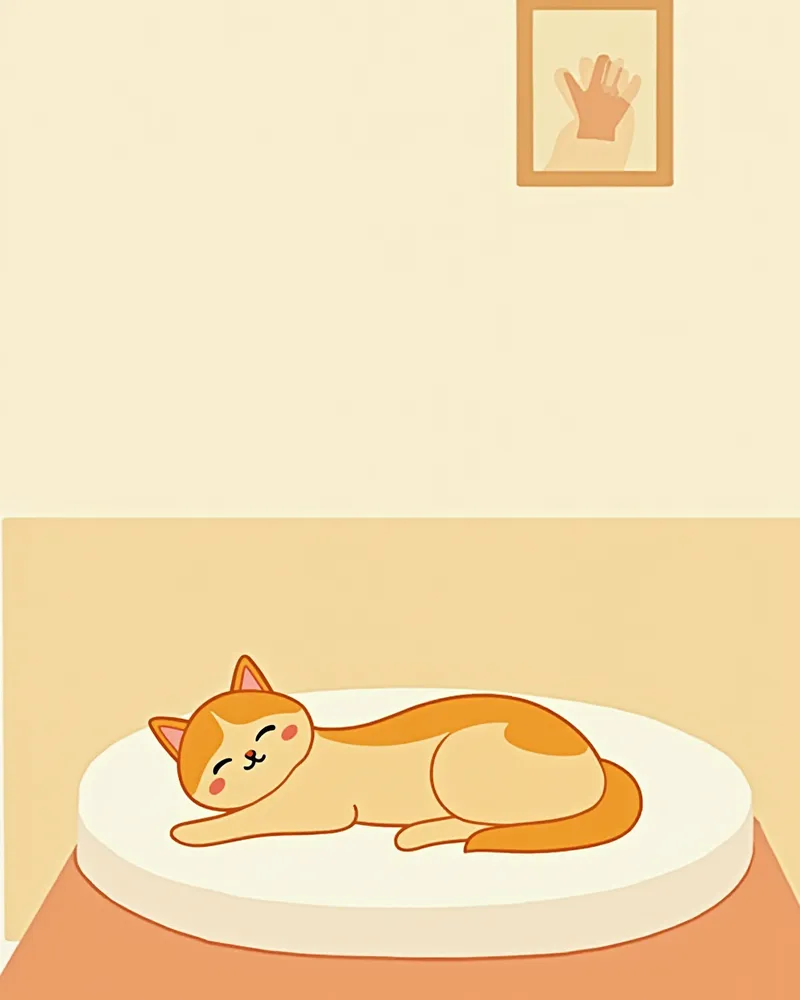
After treatment, pain management and activity restriction at home are crucial. - Pain Management: Consistently administer prescribed medications to minimize your cat’s pain. - Activity Restriction: Limit movement to prevent the formation or migration of blood clots. - Environmental Setup: Provide a quiet, stable space to reduce stress. - Regular Check-ups: Follow your veterinarian’s instructions for routine cardiac and blood tests. - Medication Adherence: Consistently administer medications such as anticoagulants for the prescribed duration. - Recurrence Prevention: Ongoing care is key to improving survival rates and quality of life.
A cat resting comfortably in a quiet indoor space

Continuous Management Is Necessary Due to High Risk of Recurrence

Aortic thromboembolism is a condition with a very high risk of recurrence (studies report a recurrence rate of approximately 75%), making proper heart disease management essential. Clopidogrel (Plavix) is more effective than aspirin in preventing recurrence, and anticoagulant and antiplatelet medications should be administered long-term, with adjustments made under veterinary guidance. Regular cardiac examinations and blood tests are recommended to help prevent recurrence.

Reviewed by a veterinarian

Dr. Tony — Punnawat Phongkittirak

Dr. Tony — Punnawat Phongkittirak

Veterinarian

A veterinarian who majored in veterinary medicine at Khon Kaen University, Thailand, and completed the IVSA program at North Carolina State University in the United States. Drawing on clinical experience at animal hospitals, he works in the pet healthcare field and is dedicated to building a digital care environment that connects pet parents with veterinarians.

Frequently Asked Questions

Can feline aortic thromboembolism be cured?
While a complete cure may be challenging, maintaining a good quality of life is achievable with proper treatment and care. Preventing recurrence is the most important aspect.
Which cats are most prone to this condition?
This condition is commonly seen in cats with heart disease, particularly those with hypertrophic cardiomyopathy and an enlarged left atrium. It most frequently affects middle-aged to senior cats (7–12 years old), with males accounting for approximately two-thirds of cases.
If a pet develops a thromboembolism, can the hind legs regain movement?
The likelihood of recovery varies depending on the timing and severity of treatment. Early intervention can lead to partial functional recovery in some cases, but long-term paralysis is also possible.
What are the side effects of anticoagulants?
The most significant side effect is an increased risk of bleeding. Watch for symptoms such as nosebleeds, blood in the stool, or bleeding under the skin, and contact your veterinarian immediately if any of these occur.
How can we prevent it?
The most effective way to prevent heart disease is early detection and management. If diagnosed, it’s important to take antiplatelet medications like clopidogrel and continue regular check-ups and medication as directed by your veterinarian.

Share

Related Guides

References

[1] Bartlett PC, et al. (2018). Feline Aortic Thromboembolism: A Retrospective Study of 102 Cases. Journal of Feline Medicine and Surgery, 20(12), 1123-1132.

[2] Koehler J, et al. (2020). Clinical Features and Prognostic Factors in Cats with Aortic Thromboembolism. Veterinary Record, 187(15), 567.

[3] Hillier A, et al. (2019). Management of Feline Aortic Thromboembolism: A Multicenter Study. Veterinary Internal Medicine, 33(4), 1456-1465.

This information is based on veterinary literature and does not replace diagnosis or treatment. Please consult a veterinarian for specific health concerns.

Metapet Co., Ltd. | CEO: Park Sung-yong | Business Reg. No. 417-88-02562 | Seoul, South Korea | Customer Center

Sudden Hindlimb Paralysis in Cats: Aortic Thromboembolism | Meongsiljang