
Like
Share
멍실장
강아지 반려동물 칫솔질 교육 증상과 원인, 진단·치료와 관리 포인트 총정리

Comprehensive Guide to Dog Tooth Brushing Training: Symptoms, Causes, Diagnosis, Treatment, and Management

Oral HealthDiseasesMeongsiljang Veterinary Advisory Board

Teaching your dog to accept tooth brushing is an essential part of maintaining their dental health. However, using the wrong approach can cause stress and lead to avoidance behaviors, so it’s important to know the proper technique.

Dog Tooth Brushing Training is Essential Behavioral Training for Dental Health
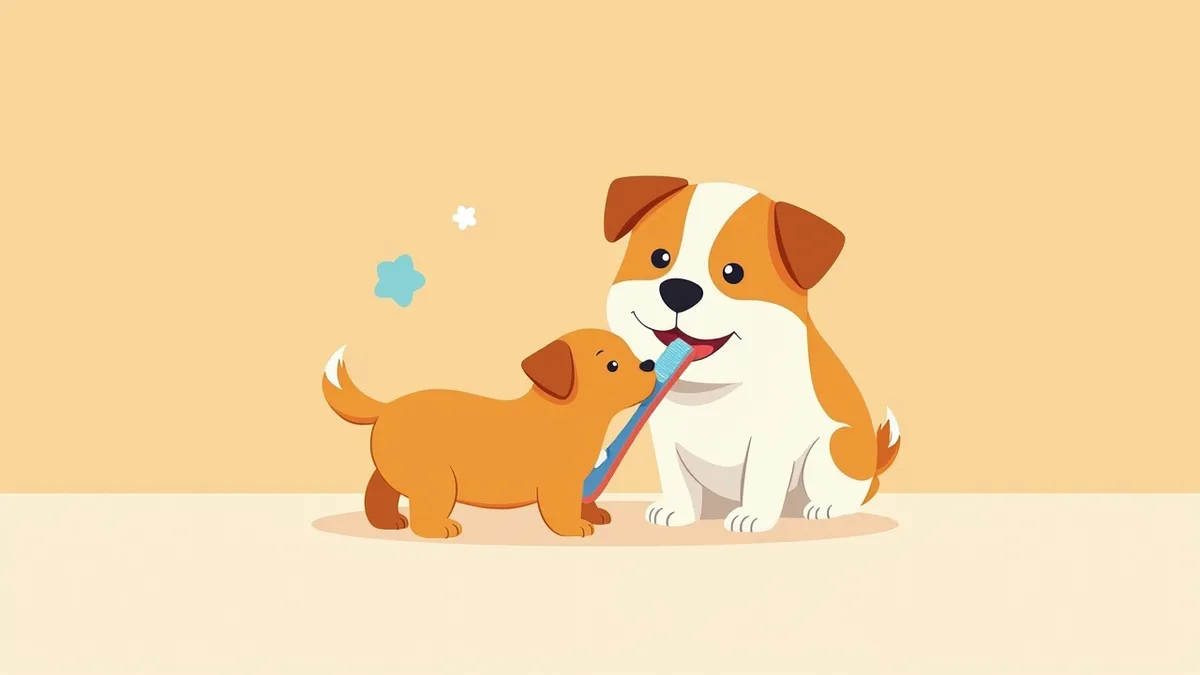
Your dog comfortably accepting tooth brushing
Teaching your dog to accept tooth brushing is an essential part of maintaining dental and gum health. Without regular brushing, plaque can build up, leading to swollen and bleeding gums. This can progress to periodontal disease and cause bad breath. Brushing is more than just a hygiene routine; it's a crucial step in safeguarding your dog's overall health. Start slowly and create positive experiences from the very beginning.

Main Causes and Mechanisms of Difficulty in Dog Tooth Brushing Training
The main reason toothbrushing training is difficult for dogs is often due to the owner’s approach. Suddenly introducing a toothbrush or forcing the dog’s mouth open can cause stress. Additionally, brushing for too long or too hard from the start can make the dog uncomfortable, leading to avoidance behaviors. In veterinary behavior science, this is referred to as "learned avoidance." For good dental health, gradual and positive training is essential.
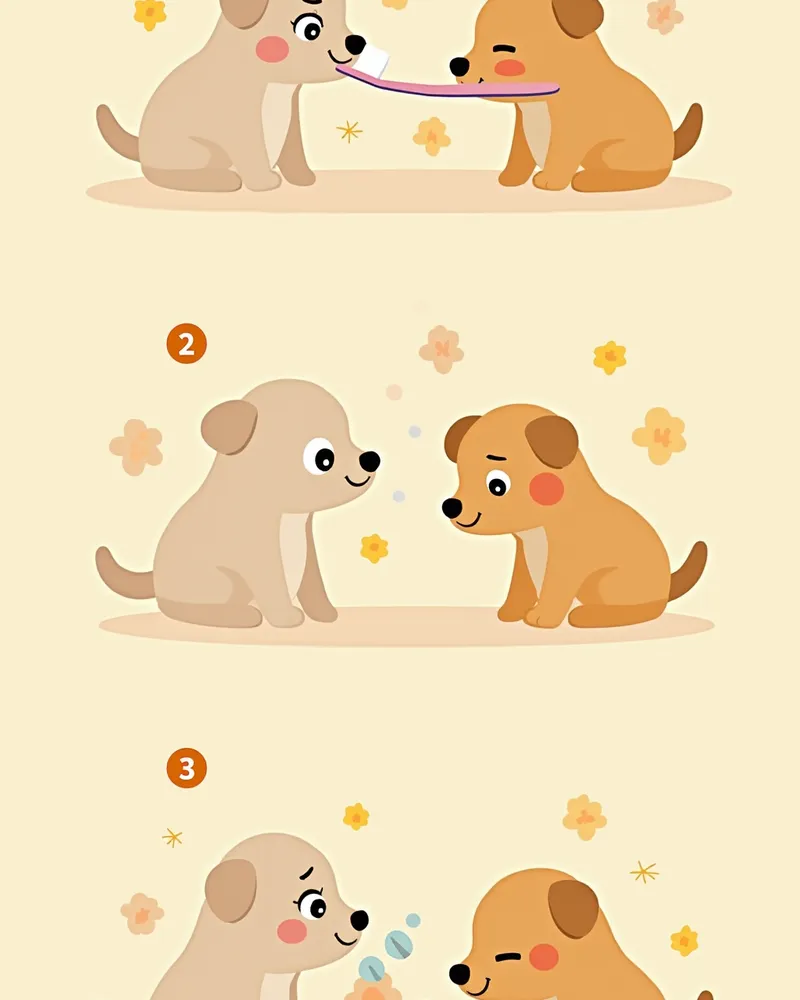
Step-by-step guide to teaching your dog how to brush its teeth

Main Symptoms and Signs Observed During Dog Tooth Brushing Training

The main signs to watch for when teaching your dog to brush its teeth are as follows:
Opening the mouth: A reaction of quickly closing or opening the mouth as the toothbrush approaches.
Tail wagging: A signal expressing anxiety, characterized by rapid tail wagging.
Stepping back: Behavior of retreating or running away when the toothbrush comes near.
Licking lips: Repeated lip-licking behavior as soon as the toothbrush is placed in the mouth.
Making sounds: Expressing anxiety by whining or whimpering.
These signals are important warnings that your dog is feeling stressed.
Signs that your dog is feeling stressed during brushing

Cases Requiring Immediate Veterinary Visit

If your dog suddenly opens its mouth wide, bites, or twists its face and shows severe aggressive behavior when you try to brush its teeth, you should visit a veterinary clinic immediately. This could be a sign of pain or oral lesions. Additionally, if there is a strong bad breath, red gums, or persistent bleeding, periodontal disease may be suspected, and veterinary care is necessary.

Diagnostic Methods for Dog Tooth Brushing Training

To identify the challenges in training your dog for tooth brushing, a thorough evaluation of their oral health is essential. A veterinarian will directly examine the teeth and gums while the dog is conscious, assessing the extent of tartar buildup and checking for gum bleeding. However, a large amount of tartar does not necessarily indicate the severity of periodontal disease. For a more accurate diagnosis, it is best to examine the periodontal pockets with a probe and take intraoral dental X-rays under anesthesia. Additionally, by observing your dog’s behavioral responses to identify signs of pain or stress, we can tailor the training approach to suit their individual needs.
A veterinarian examining a puppy’s oral health.

Treatment and Step-by-Step Training Methods for Dog Tooth Brushing

Teaching your dog to brush its teeth should be approached step by step. First, introduce the toothbrush and toothpaste so your dog becomes familiar with them. Second, start by gently touching your dog’s lips. Third, place the toothbrush in your dog’s mouth for a short time. Fourth, gently rub the teeth and gradually increase the duration. Fifth, begin actual brushing. Always end each session with positive reinforcement, such as treats or praise. It’s best to start with one or two short sessions per day, lasting one to two minutes each. If your dog loses focus, split the training into even shorter intervals.
A puppy receiving a reward after brushing its teeth.

Home Care and Daily Management for Dog Tooth Brushing Training

The success of teaching your dog to brush its teeth begins with incorporating it into daily care. Brushing regularly every day is the most effective approach, and using toothpaste specifically formulated for pets is recommended. Choose a toothpaste that is safe if swallowed and does not require rinsing with water, which adds convenience. Never use human toothpaste, as it contains detergents, foaming agents, and fluoride that can be dangerous if ingested. Select a toothbrush with soft bristles and replace it every two to three months. While supplementary products such as dental treats or water additives can be used, they often lack sufficient scientific evidence and cannot replace brushing. Long-term dental health is best maintained by centering on daily brushing and integrating these habits together.
Products for managing your dog’s teeth brushing routine

Breed-Specific Precautions and Points for Preventing Recurrence

Your dog’s dental health can vary depending on the breed. In particular, small breeds weighing under 5 kg and brachycephalic breeds have smaller, more crowded teeth, which makes them more prone to tartar buildup and harder to maintain. Regular brushing is essential for dental health, and starting training early yields the best results. Gum inflammation can be reversed with proper care at this stage, so it’s advisable to check your dog’s teeth once a month and consult your veterinarian if needed.

Reviewed by a veterinarian

Dr. Tony — Punnawat Phongkittirak

Dr. Tony — Punnawat Phongkittirak

Veterinarian

A veterinarian who majored in veterinary medicine at Khon Kaen University, Thailand, and completed the IVSA program at North Carolina State University in the United States. Drawing on clinical experience at animal hospitals, he works in the pet healthcare field and is dedicated to building a digital care environment that connects pet parents with veterinarians.

Frequently Asked Questions

What is the most important thing to keep in mind when starting to brush your dog’s teeth for the first time?
It’s most important to start slowly and use positive rewards so your dog doesn’t feel stressed. At first, simply letting them get used to having the toothbrush in their mouth is enough.
Why is toothpaste specifically formulated for pets necessary?
Pet-specific toothpastes are formulated with ingredients that are safe if swallowed and often contain components that help reduce bad breath. In contrast, human toothpastes contain detergents, foaming agents, and fluoride, which can be dangerous if ingested, so they should never be used for pets.
How many times a day should I brush my pet’s teeth?
Ideally, you should brush your pet’s teeth at least once a day. Consistency is key to effectively preventing tartar buildup and gum inflammation, so daily brushing is highly recommended. If daily brushing isn’t feasible, aim to brush as often as possible—though irregular, sporadic brushing may not be sufficient to prevent tartar.
What should I do if my dog hates brushing its teeth?
Avoid forcing your dog to engage in behaviors it dislikes. Instead, gradually help it become comfortable with them and reinforce positive experiences. If needed, don’t hesitate to seek guidance from a veterinarian or a certified animal behaviorist.
What problems can occur if you don’t brush your pet’s teeth?
Tartar can build up, leading to swollen or bleeding gums and periodontitis. Bad breath may also worsen, and in severe cases, oral health issues can be linked to systemic diseases such as liver, kidney, or heart conditions. Dental health is directly connected to overall well-being.

Share

Related Guides

References

[1] Logan, E.I. (2006) Dietary influences on periodontal health in dogs and cats. Veterinary Clinics of North America. Small Animal Practice, 36, 1385–1401.

[2] Kustritz, M.V.R., Slater, M.R., Weedon, G.R. and Bushby, P.A. (2017) Determining optimal age for gonadectomy in the dog: A critical review of the literature to guide decision making. Clinical Theriogenology, 9, 167–211.

[3] Hart, B.L., Hart, L.A., Thigpen, A.P. and Willits, N.H. (2014) Long-term health effects of neutering dogs: Comparison of Labrador retrievers with golden retrievers. PLOS ONE, 9, e102241.

This information is based on veterinary literature and does not replace diagnosis or treatment. Please consult a veterinarian for specific health concerns.

Metapet Co., Ltd. | CEO: Park Sung-yong | Business Reg. No. 417-88-02562 | Seoul, South Korea | Customer Center

Dog Dental Care Training: Symptoms, Causes, and Treatment Strategies | Meongsiljang