Like
Share
멍실장
고양이 탈수와 신장 손상 증상과 원인, 진단·치료와 관리 포인트 총정리

Worried About Your Cat’s Dehydration? Causes of Kidney Damage and When to Visit the Vet

KidneyDiseasesMeongsiljang Veterinary Advisory Board

Dehydration and kidney damage in cats can be dangerous conditions that may not show obvious signs early on but can worsen rapidly. Early detection and proper management are key to saving lives.

What Are Feline Dehydration and Kidney Damage?
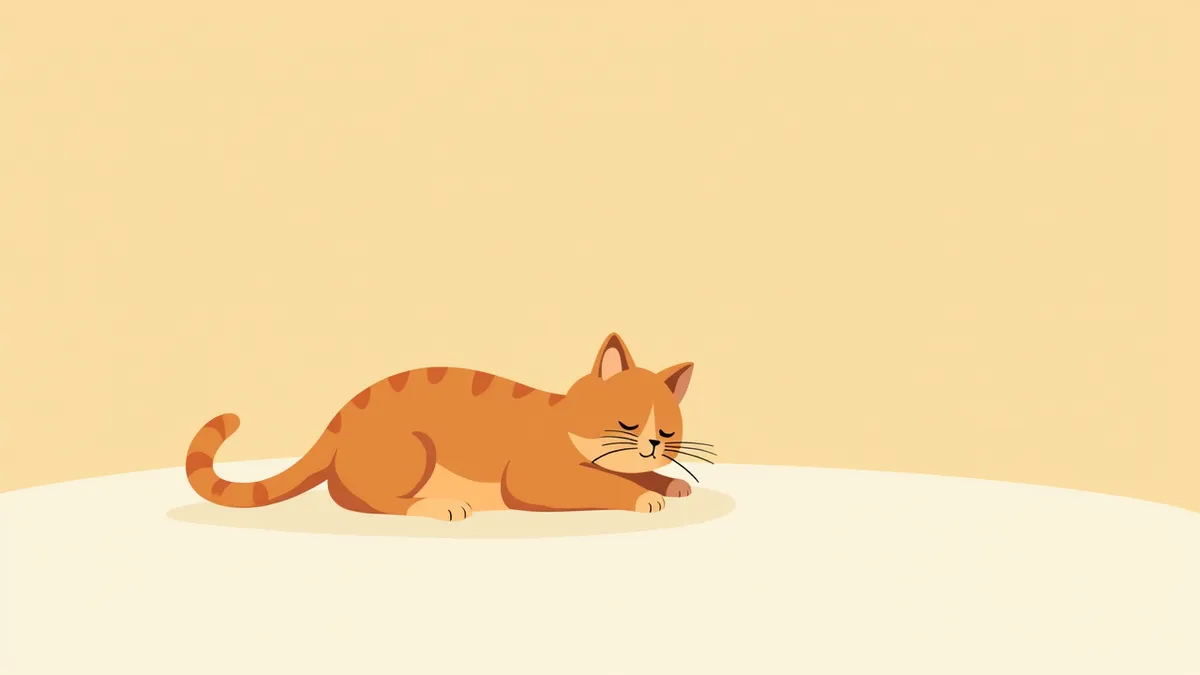
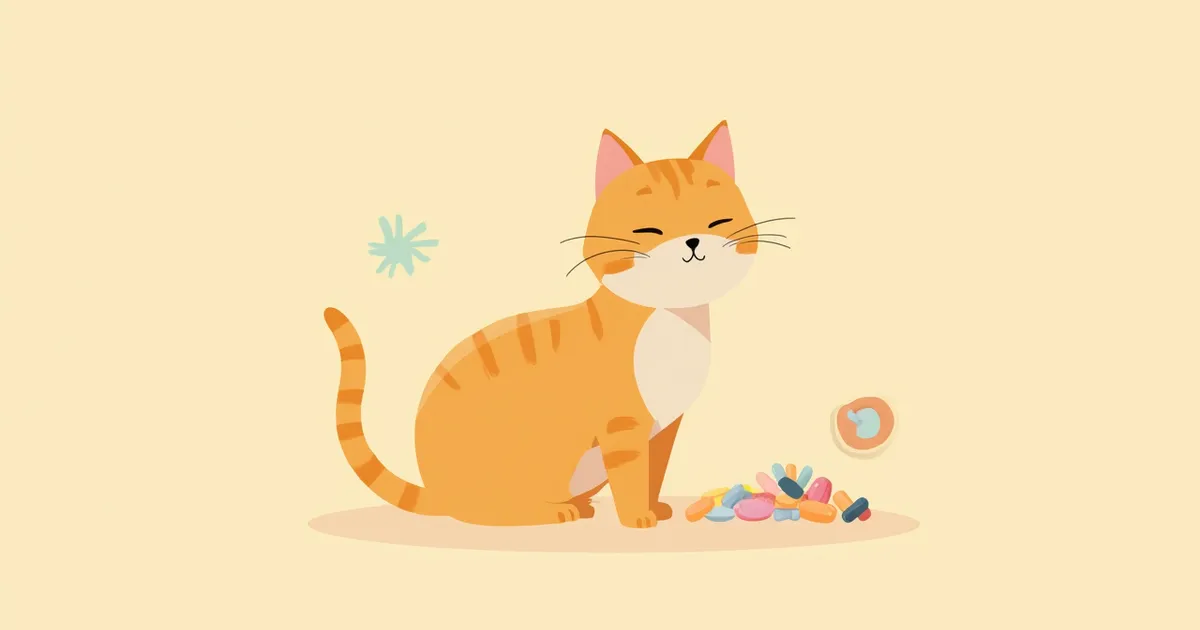
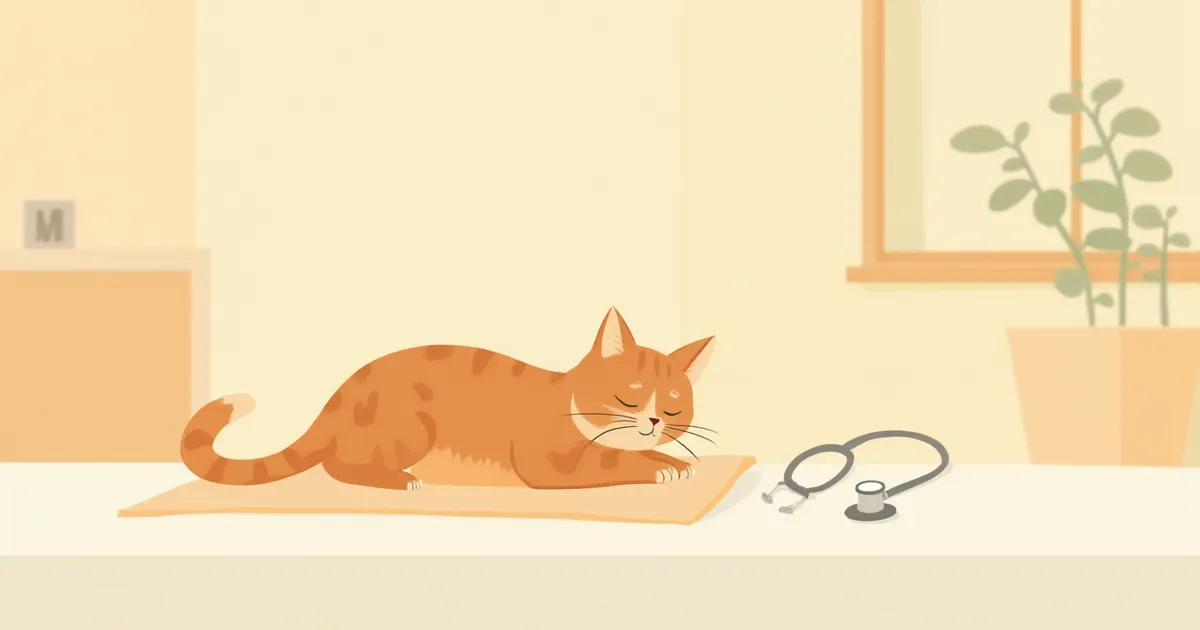
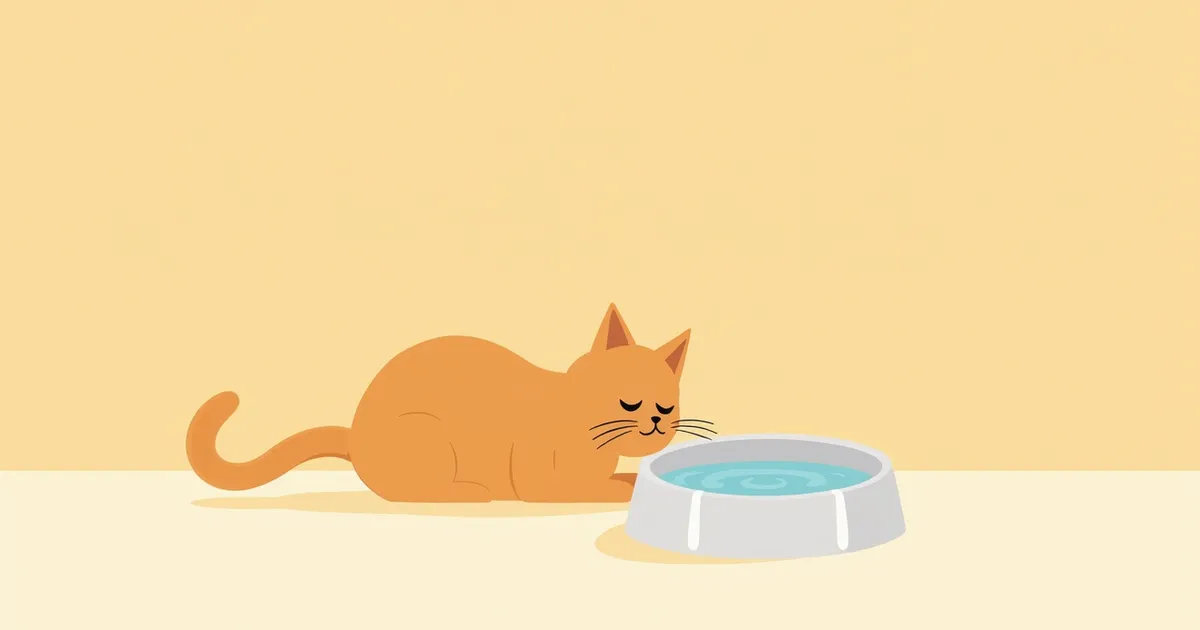
A cat showing signs of dehydration resting comfortably on a bed
Feline dehydration and kidney damage are serious conditions caused by insufficient fluid intake or declining kidney function. In the early stages, symptoms are often subtle and may not be readily apparent, but the condition can deteriorate rapidly and become life-threatening. This is especially true for senior cats, in whom chronic kidney disease is common; their kidney function gradually declines, increasing the risk of dehydration. - Dehydration: A state in which body fluids decrease due to inadequate water intake or losses from diarrhea and vomiting. This leads to hemoconcentration (elevated packed cell volume and total protein), placing additional strain on renal blood flow and function. - Kidney Damage: A condition characterized by impaired kidney functions, including waste excretion and the regulation of electrolytes and acid-base balance. While creatinine and BUN levels may rise, they can remain within normal ranges until kidney function has significantly declined, making early detection challenging. Urine output may increase (polyuria) or decrease (oliguria). Therefore, early detection and consistent management are key factors that determine the prognosis.

What Are the Main Causes?

There are many causes of dehydration and kidney damage in cats. - Insufficient water intake: When cats don’t drink enough water, they can become dehydrated, which puts strain on blood flow to the kidneys. - Diarrhea or vomiting: Persistent diarrhea or vomiting can cause the body to lose fluids and electrolytes, leading to dehydration. - Urinary tract (urethral) obstruction: This is the most common cause of acute kidney injury in cats, as the inability to properly pass urine can damage the kidneys. - Toxins and nephrotoxic substances: Substances that are directly toxic to the kidneys, such as lilies (Lilium and Hemerocallis), ethylene glycol (antifreeze), and certain medications, are common culprits. - Infections: Infectious causes, such as bacterial pyelonephritis, can also lead to acute kidney injury. - Chronic kidney disease and underlying conditions: Common in older cats, chronic kidney disease involves a gradual decline in kidney function. Systemic conditions like diabetes and hypertension can also affect the kidneys, making early management essential.
A cat drinking water from a fountain

Main Symptoms and Signs

Because the early signs of dehydration and kidney damage in cats are often subtle, owners can easily miss them. However, it’s important to watch closely for the following signals:
Increased water consumption: Your cat may suddenly drink much more water than usual (polydipsia).
Changes in urination frequency and volume: You might notice an increase in urine output (polyuria) or, conversely, a decrease, along with changes in how often your cat visits the litter box.
Fatigue and lethargy: Your cat may spend most of the day sitting in one spot, with noticeably reduced activity levels.
Loss of appetite and vomiting: Your cat may eat less or show signs of nausea and vomiting.
Dry mouth and mucous membranes: As dehydration progresses, the gums and other mucous membranes may appear sticky and dry.
Coarse fur and loss of skin elasticity: When you gently pinch the skin on the back of the neck and release it, it takes longer to return to its normal position. If the skin snaps back slowly rather than quickly, this is a sign of dehydration.
A photo taken near the face of a cat suspected of showing signs of dehydration

Signs Requiring Immediate Veterinary Visit

If your cat hasn’t drunk water for more than 24 hours, or if severe vomiting or diarrhea persists, contact your veterinarian immediately. These are signs of serious dehydration and potential kidney damage, which require prompt fluid therapy.

Accurate Diagnostic Methods
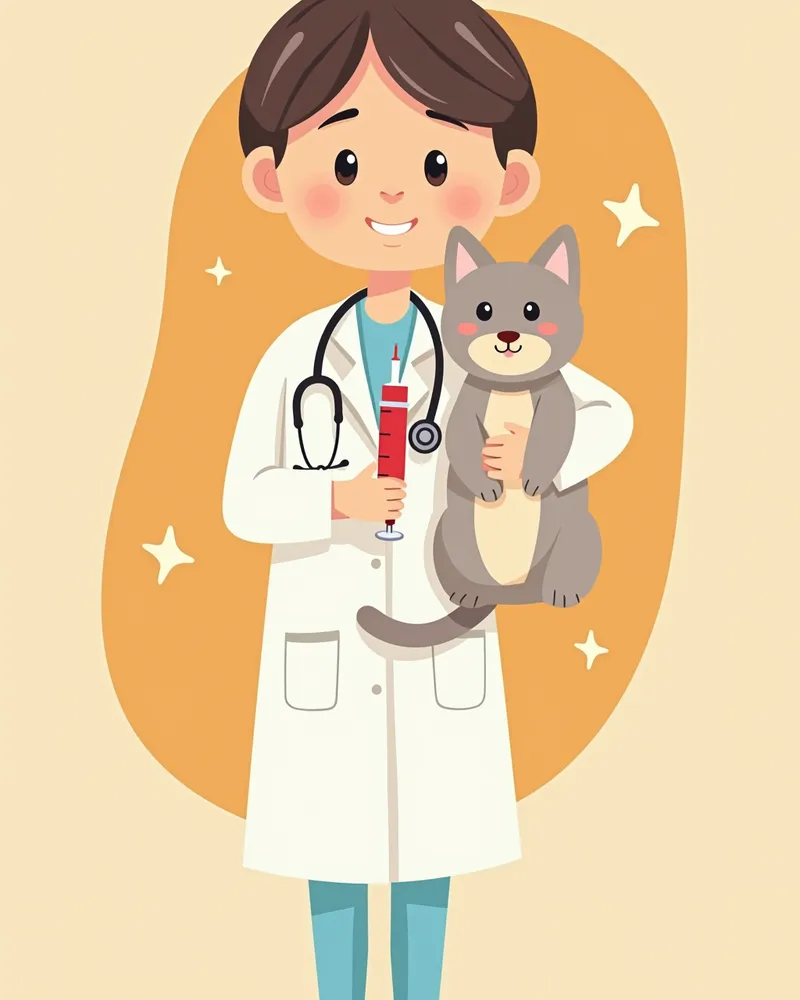
Accurately diagnosing dehydration and kidney damage in cats requires a combination of several tests. - Blood tests: We assess kidney function by measuring creatinine and BUN levels. However, these values can remain within the normal range until kidney function has significantly declined, so a normal result doesn’t necessarily mean everything is fine. Dehydration can also cause elevated packed cell volume (PCV) and total protein levels. - Urinalysis: This measures urine concentration (specific gravity) and protein. Cat urine is typically highly concentrated, so a specific gravity below 1.035 suggests impaired concentrating ability. - Ultrasound: This imaging test checks the size and structure of the kidneys to identify any abnormalities. - Kidney biopsy: If the underlying cause needs to be clearly identified, a tissue biopsy helps provide a precise diagnosis. An accurate diagnosis is essential for developing an appropriate treatment plan.
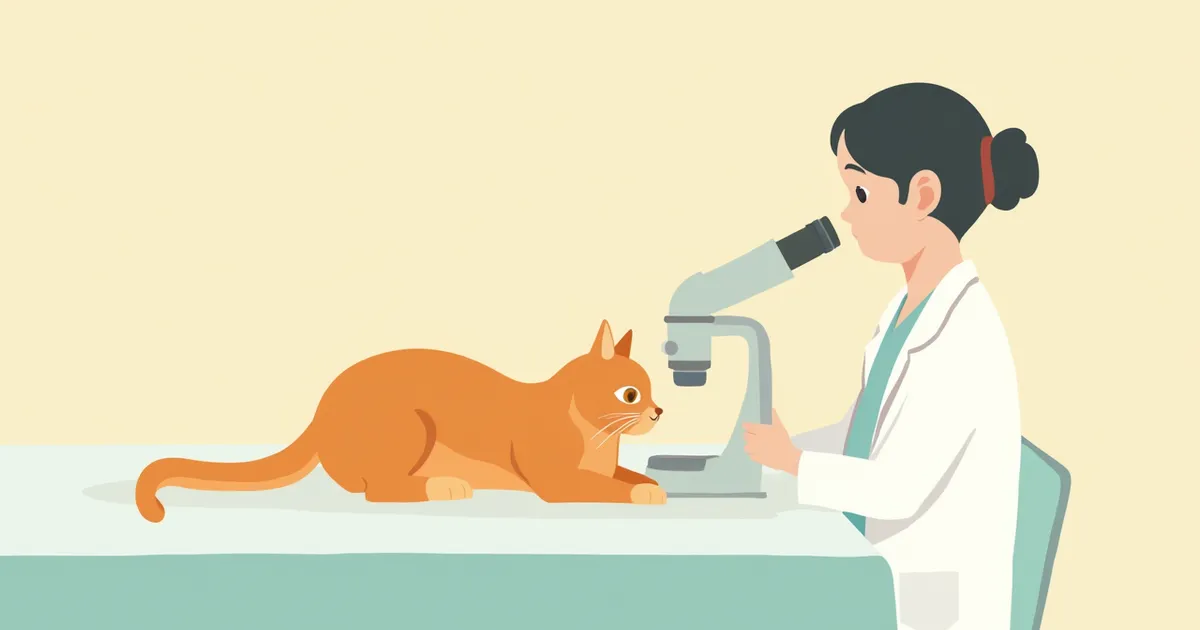
A veterinarian drawing a blood sample from a cat.

Treatment Methods and Step-by-Step Management
Treatment depends on the degree of dehydration and the severity of kidney damage. - Fluid supplementation: In mild cases, we encourage increased water and electrolyte intake, or you may administer subcutaneous fluids (fluids injected under the skin) at home on a regular basis. - Intravenous fluids: For severe dehydration or significantly impaired kidney function, we provide intravenous fluids to replenish water and electrolytes in the clinic while closely monitoring electrolyte levels. - Renal prescription diet: We recommend a prescription diet formulated with adjusted protein and phosphorus levels to reduce the burden on the kidneys. This dietary management helps improve both survival rates and quality of life. - Medication: We prescribe medications to manage high blood pressure, anemia, and acid-base (pH) balance. Any nephrotoxic (kidney-damaging) medications are either discontinued or dose-adjusted. - Regular monitoring: We continuously monitor blood work, urinalysis, and nutritional status, adjusting treatment as needed. Consistent care is key to maintaining long-term health.
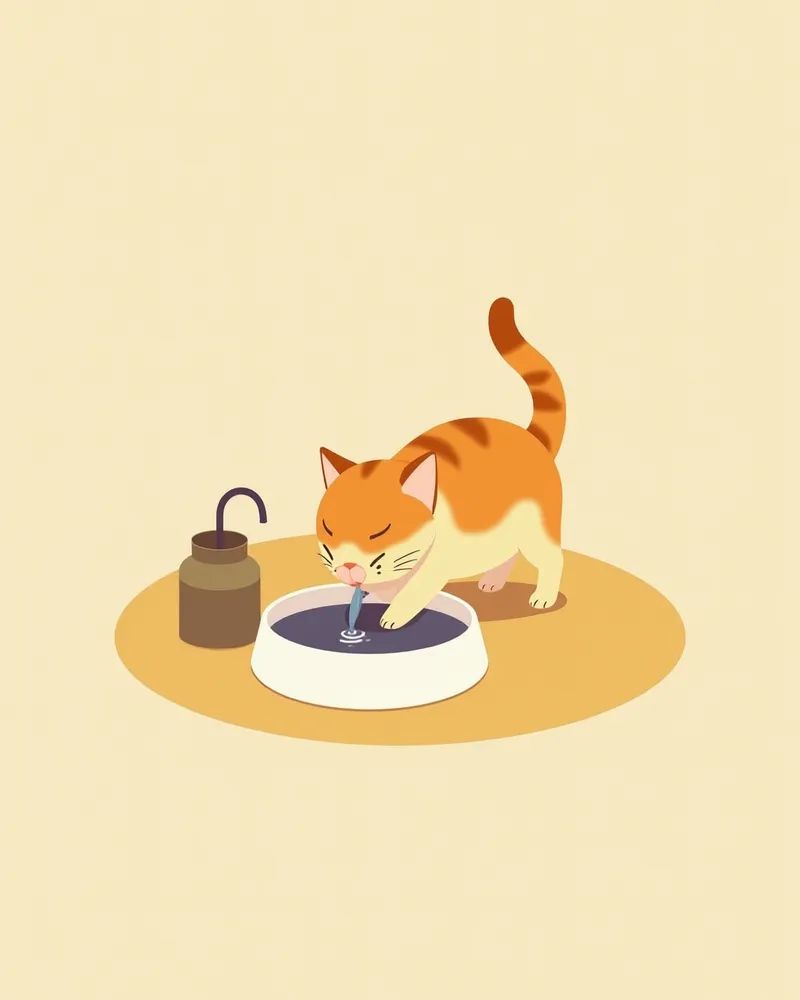
A cat using a water fountain

Home Care Points

Home care plays a crucial role in determining the success of treatment. - Water Supply: Place multiple water bowls around the room and refresh the water 2–3 times daily. - Dietary Management: Feeding primarily canned food naturally increases water intake. - Medication Management: Establish a consistent medication schedule and set reminders to ensure no doses are missed. - Regular Check-ups: Monitor your pet’s condition through blood and urine tests every six months. - Environmental Control: Avoid high-temperature environments and maintain comfortable temperature and humidity levels. - Behavioral Monitoring: Consistently record changes in appetite, activity levels, and elimination patterns. This helps in detecting early signs of abnormalities.
A cat on a table with various water bowls and canned food

Senior Cats and Chronic Kidney Disease Precautions

In senior cats, kidney function naturally declines over time, which increases the risk of dehydration. For cats aged 10 and older, we recommend regular check-ups every six months. Early detection significantly improves treatment success rates.

Reviewed by a veterinarian

Dr. Tony — Punnawat Phongkittirak

Dr. Tony — Punnawat Phongkittirak

Veterinarian

A veterinarian who majored in veterinary medicine at Khon Kaen University, Thailand, and completed the IVSA program at North Carolina State University in the United States. Drawing on clinical experience at animal hospitals, he works in the pet healthcare field and is dedicated to building a digital care environment that connects pet parents with veterinarians.

Frequently Asked Questions

Is frequent water drinking in cats a sign of dehydration?
A sudden increase in water intake and urine output—known as polydipsia and polyuria—may signal kidney dysfunction rather than dehydration. If dehydration is also present, the gums will appear dry and the skin will lose its elasticity. If you notice these changes, it’s best to have your pet examined by a veterinarian.
Can a cat die from dehydration?
Yes, severe dehydration can seriously impair kidney function and lead to death. Immediate fluid therapy is necessary.
How can I encourage my cat to drink more water?
Always keep fresh water available and change it frequently. Using a water fountain or feeding wet food can help increase your pet’s water intake.
Can kidney damage be completely reversed?
While early detection and appropriate treatment can help restore some function, chronic damage is difficult to fully reverse. Therefore, ongoing management is key.
Why are regular check-ups important for senior cats?
As cats age, their kidney function naturally declines, and early detection significantly improves treatment success rates. We recommend regular check-ups.

Share

Related Guides

References

[1] Langston, C.E. et al. (2023) Small Animal Critical Care Medicine, 3rd Edition. Elsevier.

[2] The Cat, Clinical Medicine and Management, 2nd Edition (2022). Elsevier.

[3] Veterinary Workbook of Small Animal Clinical Cases (2021). Wiley-Blackwell.

This information is based on veterinary literature and does not replace diagnosis or treatment. Please consult a veterinarian for specific health concerns.

Metapet Co., Ltd. | CEO: Park Sung-yong | Business Reg. No. 417-88-02562 | Seoul, South Korea | Customer Center

Cat Dehydration Worries: Kidney Damage Causes and When to See a Vet | Meongsiljang