Like
Share
멍실장
고양이 간 지질증(지방간) 증상과 원인, 진단·치료와 관리 포인트 총정리

My Cat Won’t Eat — Warning Signs of Fatty Liver (Hepatic Lipidosis) and When to Act

Liver HealthDiseasesMeongsiljang Veterinary Advisory Board

Feline hepatic lipidosis is a metabolic disorder characterized by excessive fat accumulation in liver cells, most commonly triggered by a loss of appetite. Early detection and proper management significantly improve survival rates.

What Is Feline Hepatic Lipidosis (Fatty Liver Disease)?
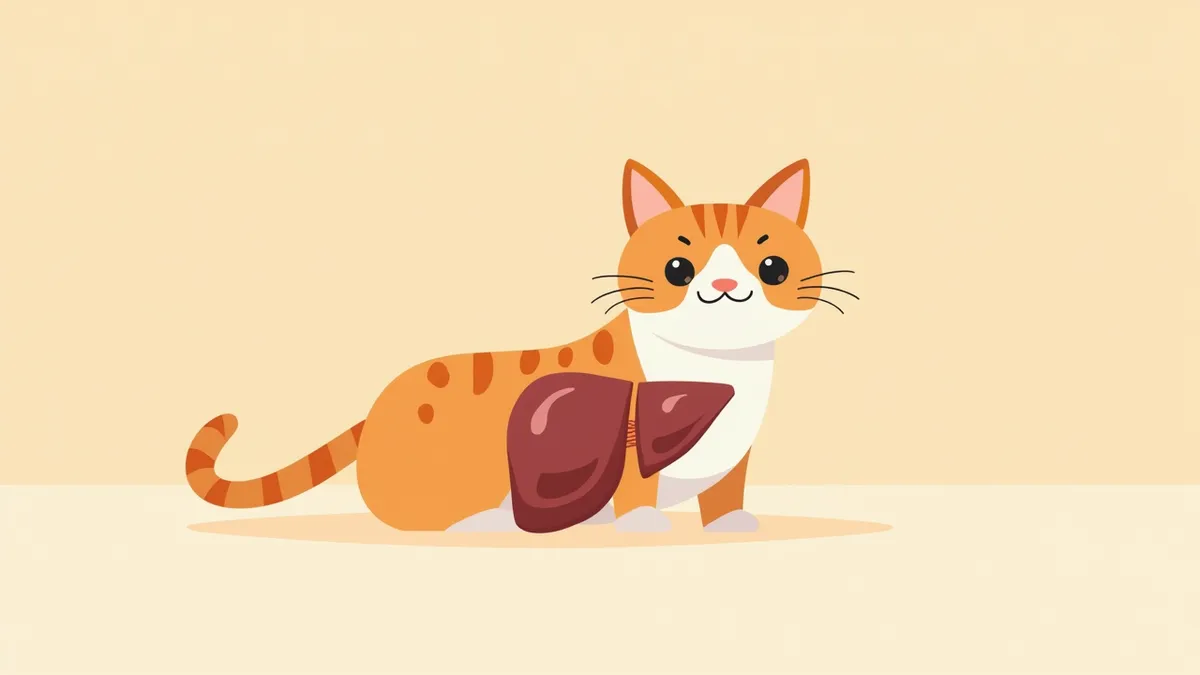
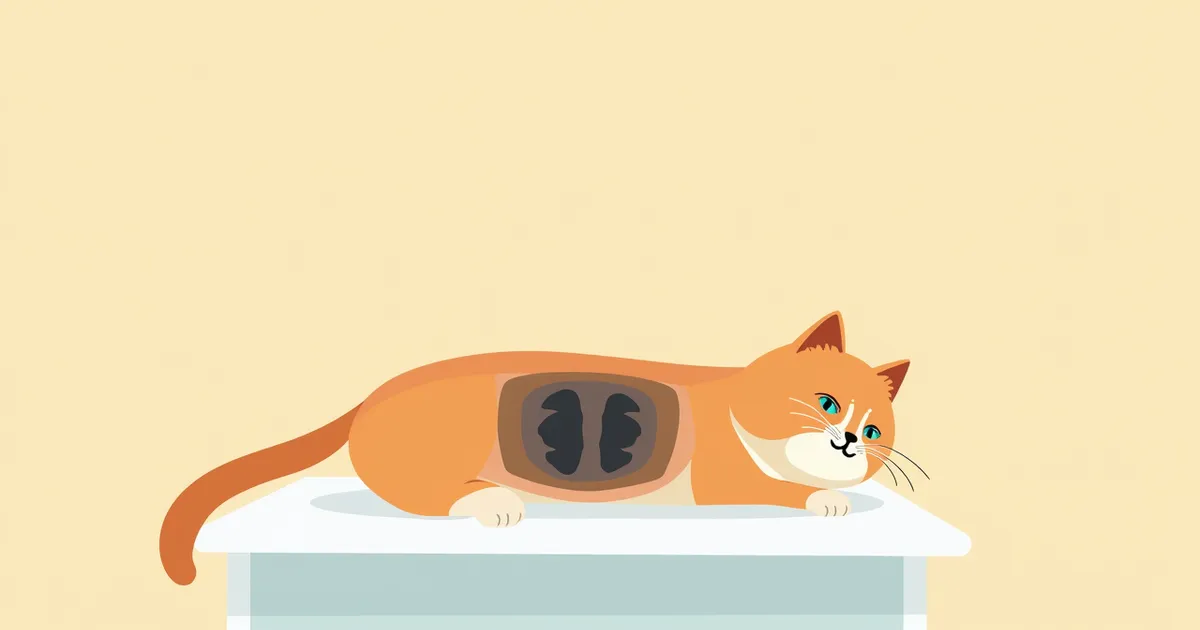
An image showing excessive fat accumulation in liver cells in feline hepatic lipidosis.
Feline hepatic lipidosis, commonly known as fatty liver disease, is a metabolic disorder in which excessive fat accumulates in a cat’s liver cells, impairing liver function. Loss of appetite is the most common early warning sign, and prompt treatment is critical for survival. - Loss of appetite: The cat suddenly refuses food or eats very little. - Lethargy: The cat remains inactive and stays in the same spot all day. - Jaundice: A yellowish tint appears in the eyes or lips. - Vomiting: Repeated vomiting may occur due to declining liver function. This condition can be life-threatening, so early detection is essential.

What Are the Main Causes of Hepatic Lipidosis?

The most common cause of feline hepatic lipidosis is a loss of appetite, which can result from various underlying conditions and requires prompt intervention.
Underlying diseases: Gastrointestinal disorders, pancreatitis, and cholangitis can suppress appetite and trigger hepatic lipidosis.
Obesity: Overweight cats are at higher risk due to unstable fat metabolism.
Stress factors: Moving, introducing a new pet, or other environmental changes can suppress appetite.
Sudden dietary changes: Abrupt food transitions or fasting place excessive strain on the liver.
When these factors reduce appetite, the liver cannot properly break down fat, leading to accumulation; therefore, close attention is essential.
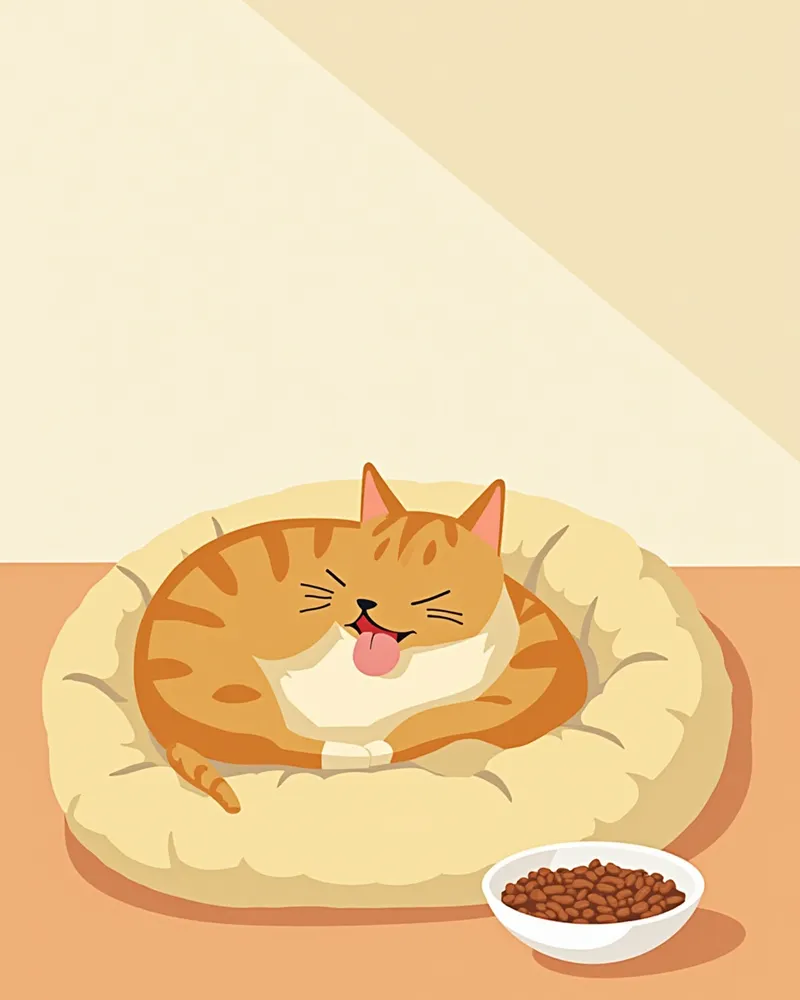
Stressful situations that can cause a cat to lose its appetite

Check for Key Symptoms and Signs

Feline hepatic lipidosis can be easily overlooked by pet owners because its early stage often presents only as a loss of appetite. Careful observation is essential.
Loss of appetite: The cat does not eat for more than a day or consumes very little.
Weakness: The cat remains inactive and stays in the same spot all day.
Jaundice: A yellowish tint appears in the eyes, lips, and ear tips.
Vomiting: Repeated vomiting may occur due to impaired liver function.
Lethargy: The cat responds slowly and shows no interest in play.
If these symptoms persist for more than 24 hours, immediate veterinary attention is required.
Jaundice symptoms in feline hepatic lipidosis

Signs That Require Immediate Veterinary Care

If your cat hasn’t eaten for more than 24 hours or shows signs of jaundice, seek veterinary care immediately. These symptoms can be life-threatening.

Procedures for an Accurate Diagnosis
Diagnosing feline hepatic lipidosis based on symptoms alone is difficult, so multiple tests are required. An accurate diagnosis is the first step toward effective treatment.
Blood tests: Liver enzyme levels tend to rise, and blood triglyceride (fat) levels often increase.
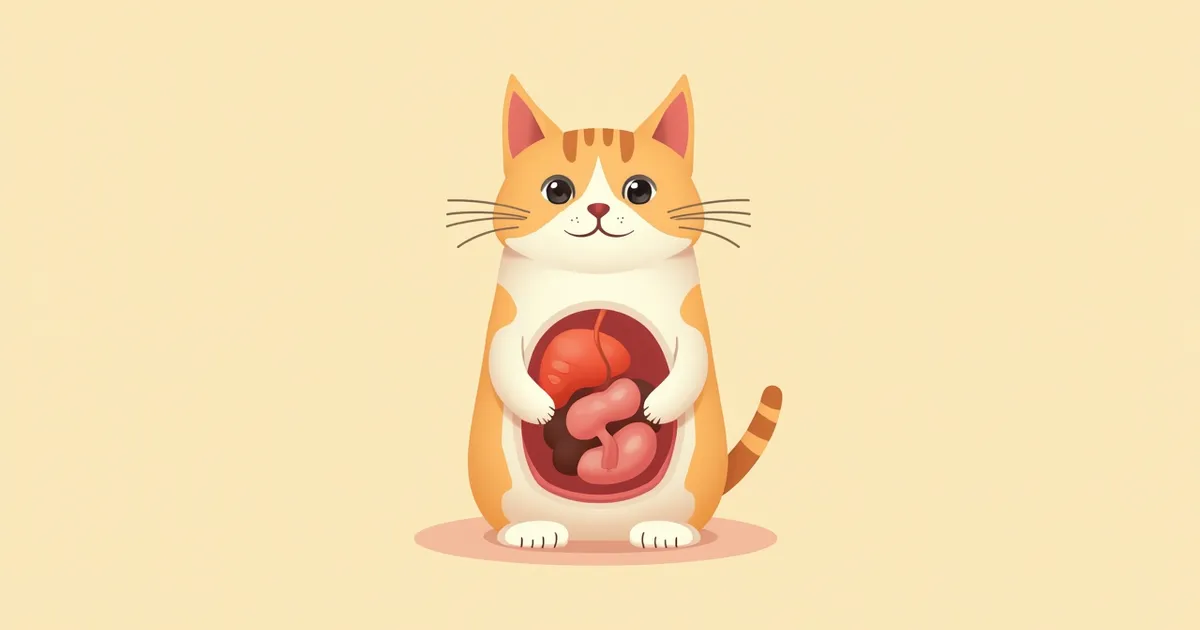
Ultrasound examination: This allows us to visualize the liver’s structure and check for fat accumulation, while also screening for other hepatobiliary diseases.
Liver cell examination (fine-needle aspiration): A definitive diagnosis can be made if fat vacuoles (fat accumulation) are found in more than 80% of liver cells. Liver biopsy is generally not recommended unless other hepatobiliary diseases are suspected.
Tests for underlying conditions: We also check for conditions that may cause loss of appetite, such as pancreatitis, gastrointestinal disorders, and cholangitis.
These tests help accurately determine whether your cat has hepatic lipidosis.
Ultrasound images for diagnosing feline hepatic lipidosis

Treatment Methods and Step-by-Step Management
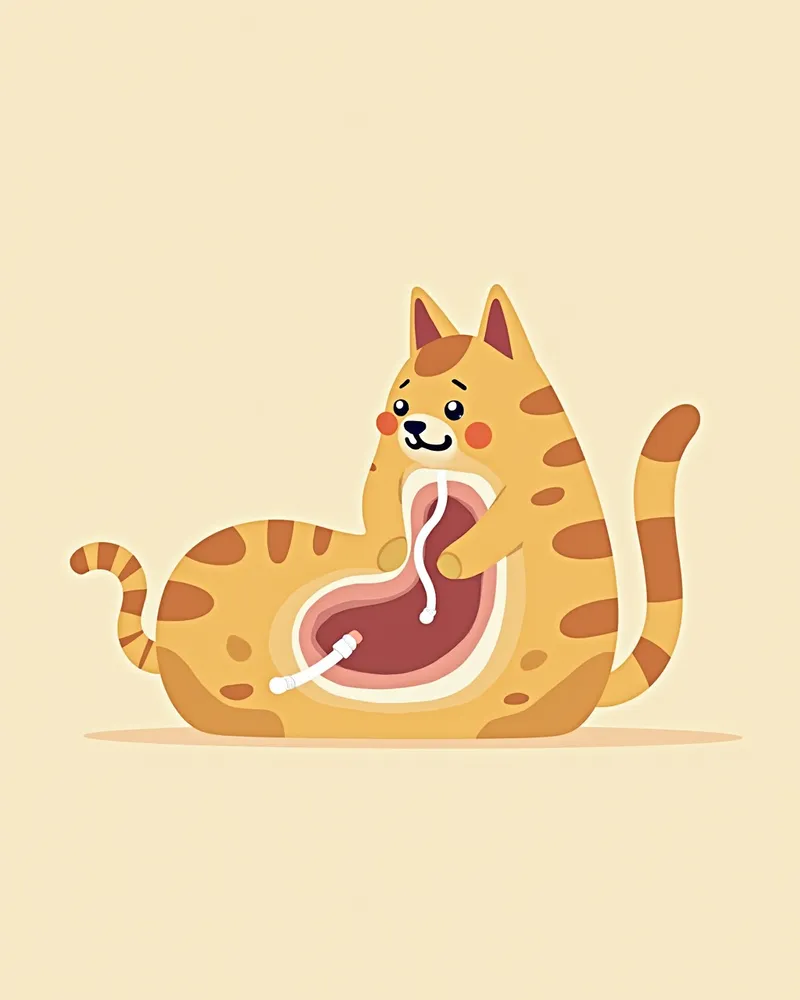
Treating feline hepatic lipidosis centers on restoring appetite and providing adequate nutrition. Early intervention significantly improves survival rates.
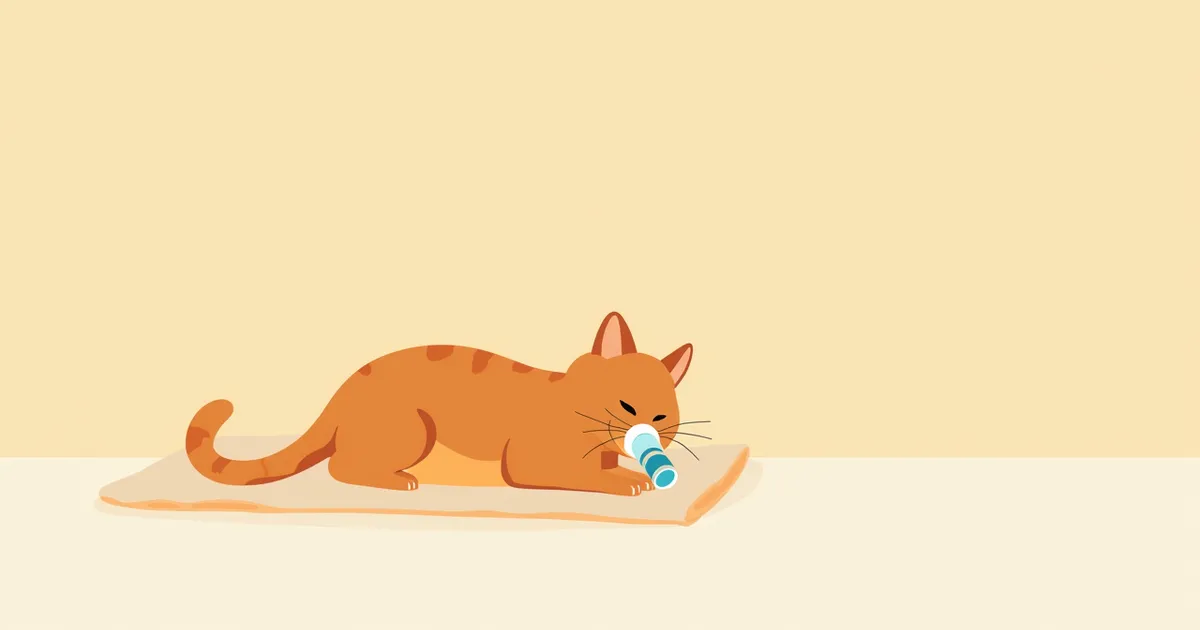
Nutritional support: Tube feeding, which delivers nutrients directly into the gastrointestinal tract, is the most effective approach.
Appetite stimulants: Veterinarian-prescribed medications help restore your cat’s appetite.
Treating underlying conditions: Concurrently address any primary diseases, such as pancreatitis or gastrointestinal disorders.
Fluid therapy: Intravenous fluids are necessary to prevent dehydration and support liver function recovery.
Ongoing monitoring: Regularly check liver function throughout the treatment process.
Consistent adherence to these measures is essential for a full recovery.
Administering enteral nutrition during treatment for feline hepatic lipidosis

Key Points for Home Care

Even after hospital treatment, precise home care significantly impacts survival rates and prevents relapse. Regular feeding: Offer small meals three to four times a day. Avoid sudden changes in feeding schedules. Nutritional balance: Consistently provide the food recommended by your veterinarian. Avoid abrupt food changes. Environmental stability: Provide a quiet space where your cat can feel comfortable. Reducing stress is crucial. Regular check-ups: Have liver function tests every one to two weeks. This allows for early detection of any abnormalities. Caution with dietary changes: When switching foods, transition gradually over 7–10 days to avoid burdening the stomach. With consistent care, the likelihood of relapse decreases significantly.
Providing a stable environment and proper nutrition during recovery from feline hepatic lipidosis

Preventing Relapse and Breed Considerations

Overweight or obese cats, as well as those with a loss of appetite, are more susceptible to hepatic lipidosis. Proper weight management and regular veterinary check-ups are essential.

Reviewed by a veterinarian

Dr. Tony — Punnawat Phongkittirak

Dr. Tony — Punnawat Phongkittirak

Veterinarian

A veterinarian who majored in veterinary medicine at Khon Kaen University, Thailand, and completed the IVSA program at North Carolina State University in the United States. Drawing on clinical experience at animal hospitals, he works in the pet healthcare field and is dedicated to building a digital care environment that connects pet parents with veterinarians.

Frequently Asked Questions

Will a cat develop hepatic lipidosis if it doesn’t eat for a day?
If your cat doesn’t eat for several days—or even just one or two days—it can increase the risk of developing hepatic lipidosis. If your cat’s loss of appetite lasts more than 24 hours, you should take them to the vet right away.
How long does it take to treat hepatic lipidosis?
The duration of treatment varies depending on the cat’s condition and any underlying diseases. It is essential to support recovery by providing adequate nutrition and continuing fluid and electrolyte correction, with consistent nutritional therapy being key. Recovery typically takes several weeks.
Can hepatic lipidosis develop solely from a lack of appetite?
Loss of appetite is a primary cause of hepatic lipidosis. However, since an underlying disease may be present, it is important to accurately identify the cause.
Can hepatic lipidosis recur even after treatment?
Yes, there is a possibility of recurrence. Weight management, regular meals, and stress management are key to preventing recurrence.
Can feline hepatic lipidosis be treated without a veterinarian?
That’s absolutely not possible. Hepatic lipidosis is a life-threatening condition that requires veterinary care and nutritional management.

Share

Related Guides

References

[1] Lidbury, J.A. & Zoran, D.L. (2021). The Cat: Clinical Medicine and Management, 2nd Edition. Elsevier.

[2] Plumb's Veterinary Drug Handbook, 9th Edition. (2022). Wiley-Blackwell.

[3] Feline Emergency and Critical Care Medicine, 2nd Edition. (2020). Elsevier.

This information is based on veterinary literature and does not replace diagnosis or treatment. Please consult a veterinarian for specific health concerns.

Metapet Co., Ltd. | CEO: Park Sung-yong | Business Reg. No. 417-88-02562 | Seoul, South Korea | Customer Center

Cat Won't Eat? Fatty Liver (Hepatic Lipidosis) Warning Signs | Meongsiljang