
Like
Share
멍실장
고양이 간세포암 증상과 원인, 진단·치료와 관리 포인트 총정리

Feline Hepatocellular Carcinoma: Symptoms, Causes, Diagnosis, Treatment, and Management Essentials

Liver HealthDiseasesMeongsiljang Veterinary Advisory Board

Feline hepatocellular carcinoma is a malignant tumor that develops in a cat’s liver, and early detection is crucial for successful treatment. Common signs include weight loss, decreased appetite, and vomiting.

Feline hepatocellular carcinoma is a malignant tumor that develops in the liver

An anatomical illustration highlighting a tumor located in the cat's liver in red.
Feline hepatocellular carcinoma is a malignant tumor that arises from the abnormal proliferation of hepatocytes. However, in cats, benign hepatocellular adenomas are more common than malignant hepatocellular carcinomas among tumors of hepatocellular origin. Additionally, biliary cystadenoma is known as the most representative primary liver tumor in cats, making hepatocellular carcinoma itself relatively rare. - Characteristics of hepatocellular carcinoma: As a malignant tumor originating from hepatocytes, cytological examination reveals abnormal findings such as variation in nuclear and cellular size, multinucleation, and multiple nucleoli. - Clinical signs: Symptoms may include weight loss, anorexia, lethargy, recurrent vomiting, and abdominal distension due to ascites. - Key to diagnosis: Fine-needle aspiration (FNA) alone is often insufficient to distinguish between normal hepatocytes and tumor cells; therefore, a tissue biopsy is required for a definitive diagnosis. - Treatment approach: If the tumor is localized, surgical resection can offer a chance for cure. Depending on the stage of progression, adjunctive therapies along with nutritional and pain management are also considered.

The exact cause of hepatocellular carcinoma remains unclear
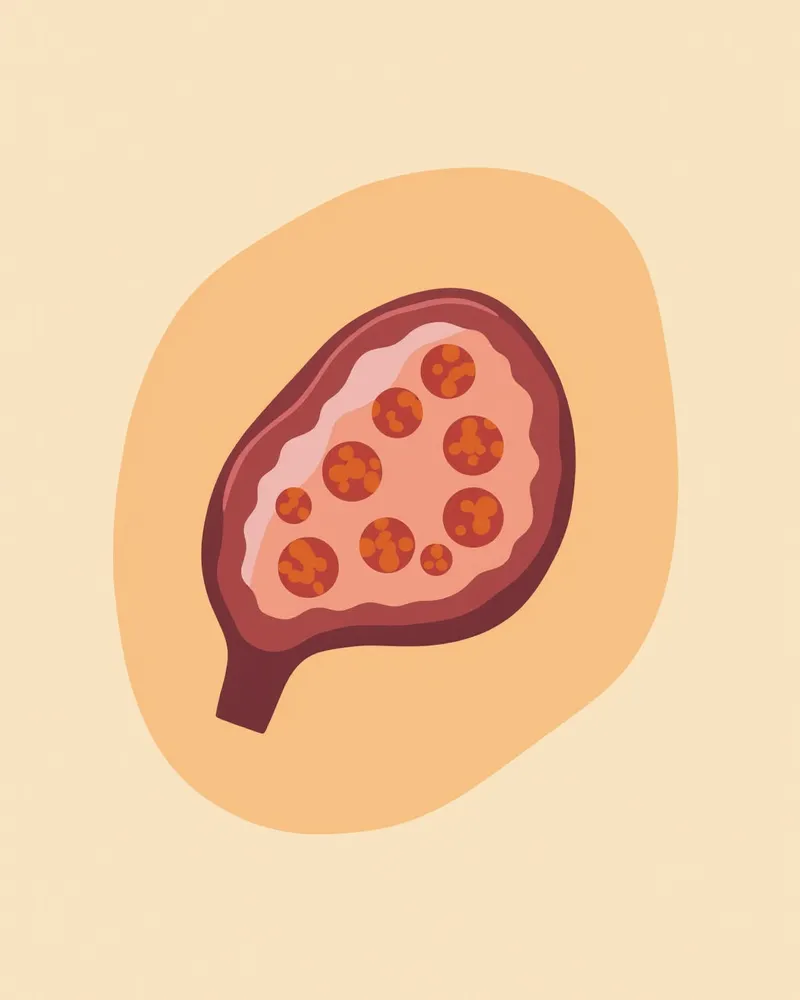
The exact cause of feline hepatocellular carcinoma remains unclear. Based on current veterinary textbook evidence, it is difficult to definitively conclude that specific factors such as aging, genetics, chronic hepatitis, or cirrhosis directly cause hepatocellular carcinoma. - Classification of liver tumors: Hepatocellular carcinoma is classified as one of the primary liver tumors that form nodular lesions in the liver. In cats, benign hepatocellular adenomas are more common than malignant hepatocellular carcinomas. - Characteristics in cats: The most common primary liver tumor in cats is biliary cystadenoma. In contrast, cholangiocarcinoma is highly metastatic, with approximately 80% of cases already showing metastasis at the time of diagnosis. - Relationship with advanced age: Cats are considered senior at 11–14 years old and geriatric at 15 years and older. As cats age, their physiological reserve decreases, making them more prone to developing concurrent diseases. - Preventive management: Given the unclear etiology, the most practical approach is to detect early changes in the liver through regular health screenings.
Microscopic image of a cat's liver tissue showing inflammation and abnormal cell clusters

Common symptoms include weight loss, decreased appetite, and vomiting

The most common symptoms reported in cats with hepatocellular carcinoma include weight loss, loss of appetite, lethargy, and recurrent vomiting. If ascites develops, the abdomen may appear distended. - Possibility of jaundice: Jaundice, characterized by yellowing of the eyes or skin, can occur if there is dysfunction in the hepatobiliary system. However, since jaundice is also common in other hepatobiliary conditions such as bile duct tumors, diagnostic testing is necessary to confirm the underlying cause. - Systemic symptoms: Loss of appetite suggests a high severity of the disease, and lethargy along with decreased activity levels may also be observed. - Nonspecific findings: Blood test results are generally nonspecific, making it difficult to definitively diagnose hepatocellular carcinoma based on symptoms alone. - If you suspect symptoms: If your cat has lost its appetite or is experiencing recurrent vomiting, consulting with a veterinarian is the safest course of action.
A cat that appears to have lost its appetite sits near an empty food bowl.

Jaundice and persistent vomiting require immediate veterinary attention

If your cat’s eyes or skin turn yellow, or if they experience repeated vomiting and a loss of appetite, it may indicate a liver or gallbladder issue. Jaundice and decreased appetite can be signs that the condition is progressing, so it’s best not to delay—consult your veterinarian for a proper examination to ensure your cat’s health and safety.

Diagnosis is performed through blood tests, ultrasound, and biopsy

Diagnosing primary liver tumors, including hepatocellular carcinoma, requires a comprehensive, step-by-step approach using multiple tests. - Blood tests: While liver-related blood test results are generally nonspecific, they help assess the overall condition and rule out other diseases. - Abdominal ultrasound: This is useful for identifying nodular lesions in the liver and determining the tumor’s location and size, serving as a starting point when liver tumors are suspected. - Limitations and necessity of cytology and histology: Fine-needle aspiration cytology often struggles to distinguish between normal liver cells and tumors, and cytological diagnosis of primary liver tumors is inherently challenging. Therefore, a tissue biopsy is necessary for a definitive diagnosis. - The importance of a definitive diagnosis: Confirming the tumor type through biopsy is essential for establishing an accurate treatment plan. - Regular check-ups: Given the nonspecific nature of symptoms, regular check-ups to monitor changes in the liver are highly beneficial.
A veterinarian performing an abdominal ultrasound on a cat.

Treatment is conducted in stages, including surgery, chemotherapy, and supportive therapy

The treatment approach depends on the tumor’s size, location, and stage of progression. - Surgical treatment: If the tumor is localized and resectable, surgical removal offers the best chance for a cure and is therefore the first-line option. - Treatment for advanced lesions: For tumors that are extensive or invasive, combining surgery with radiation therapy or adjuvant chemotherapy can be beneficial. - Supportive care: Adjunctive measures such as pain management and nutritional support are provided to stabilize the patient’s condition. - Personalized treatment: A tailored treatment plan should be developed in consultation with your veterinarian, based on the individual patient’s status. - Maintaining quality of life: The goal is to preserve the cat’s quality of life as much as possible throughout the course of treatment.
A veterinarian administering an intravenous injection to a cat

Nutritional management and stress reduction are important at home

Cats with hepatocellular carcinoma often experience a decreased appetite, so it’s important to offer small, frequent meals that are high in nutritional value. - Nutritional Support: Maintain a balanced diet by using veterinarian-recommended supplements or specialized prescription foods. - Environmental Management: Provide a quiet, stable space and maintain a consistent daily routine to help reduce stress. - Minimize Stimuli: Avoid exposure to loud noises, other animals, and sudden changes in their environment. - Regular Monitoring: Keep a consistent record of your cat’s appetite, activity level, and bowel movements, and share this information with your veterinarian. - Compassionate Care: Your warm attention and gentle care play a significant role in supporting your cat’s emotional well-being.
A cat resting comfortably on its bed, with high-protein wet food placed nearby.

Be mindful of declining liver function in senior cats

Cats are considered senior starting at 11 years of age. As they grow older, their physiological reserve diminishes and they become more prone to concurrent diseases. We recommend regular health check-ups to detect early changes in organs, including the liver. Early detection broadens the range of treatment options available.

Reviewed by a veterinarian

Dr. Tony — Punnawat Phongkittirak

Dr. Tony — Punnawat Phongkittirak

Veterinarian

A veterinarian who majored in veterinary medicine at Khon Kaen University, Thailand, and completed the IVSA program at North Carolina State University in the United States. Drawing on clinical experience at animal hospitals, he works in the pet healthcare field and is dedicated to building a digital care environment that connects pet parents with veterinarians.

Frequently Asked Questions

Can feline hepatocellular carcinoma be cured?
While the approach depends on the tumor's size and stage, complete surgical removal can offer a cure if the tumor is localized and resectable. If metastasis is confirmed, treatment primarily focuses on symptom management and supportive care.
Is hepatocellular carcinoma common in cats?
In cats, benign hepatocellular adenomas are more common than malignant hepatocellular carcinomas among tumors of hepatocellular origin, and the most representative primary liver tumor is cholangiocystadenoma. Therefore, hepatocellular carcinoma itself is relatively rare.
What is the prognosis for hepatocellular carcinoma?
Localized tumors that can be surgically removed often have a good prognosis, as complete removal can lead to a cure. However, if the tumor has metastasized or is difficult to remove surgically, the prognosis may worsen. The specific outcome depends on the type and stage of the tumor.
Can a special diet improve liver function?
Dietary management alone cannot cure hepatocellular carcinoma. However, if loss of appetite persists, the risk of complications such as hepatic lipidosis may increase. Therefore, maintaining appetite and nutritional status through veterinary-guided nutritional care can be beneficial.
What should you do first if you suspect your pet has liver cancer?
It’s important to consult with a veterinarian right away and undergo imaging tests such as an abdominal ultrasound. However, since a tissue biopsy is required for a definitive diagnosis, please follow your veterinarian’s guidance for any additional tests.

Share

Related Guides

References

[1] Rebhun, L. et al. (2013) Veterinary Surgical Oncology, 2nd Edition. Elsevier.

[2] The Cat: Clinical Medicine and Management, 2nd Edition (2018). Elsevier.

[3] Small Animal Cytologic Diagnosis: Canine and Feline Disease, 2nd Edition (2021). Wiley-Blackwell.

This information is based on veterinary literature and does not replace diagnosis or treatment. Please consult a veterinarian for specific health concerns.

Metapet Co., Ltd. | CEO: Park Sung-yong | Business Reg. No. 417-88-02562 | Seoul, South Korea | Customer Center

Feline Hepatocellular Carcinoma: Symptoms, Causes & Treatment | Meongsiljang